
Mori Atlas logo
Nature reserveRezerwat przyrody Jezioro Nidzkie

A detailed geographic atlas profile of the lake and forest mosaic in the Piska Forest region

Rezerwat przyrody Jezioro Nidzkie Nature Reserve: Mapped Protected Landscapes and Geography

(Rezerwat przyrody „Jezioro Nidzkie”)

Rezerwat przyrody Jezioro Nidzkie serves as a major protected area within the Warmian-Masurian Voivodeship, covering postglacial lake environments and diverse forest mosaics. This atlas record documents the reserve boundaries, peat-filled depressions, and boreal spruce mires that define the local terrain. The area preserves a significant segment of the Mazurian Plain, offering a structured perspective on regional conservation landscapes and forest-lake interactions.

lake reserveglacial lakepostglacial landscapeconiferous forestbog forestmixed woodland
A stylized vector illustration of a lake landscape with sailboats on the water, surrounded by reed beds and pine forests under a soft sky.

Rezerwat przyrody Jezioro Nidzkie

Nature reserve

Park overview

Structured park overview, official facts, and landscape profile for Jezioro Nidzkie Nature Reserve

Jezioro Nidzkie Nature Reserve park facts, protected area profile, and essential visitor context

Review the core facts for Jezioro Nidzkie Nature Reserve, including designation, size, terrain, visitor scale, habitats, and operating context in one park-focused overview.

About Jezioro Nidzkie Nature Reserve

Jezioro Nidzkie Nature Reserve sits at the geographic heart of the Piska Forest, one of the largest forest complexes in northeastern Poland, on the broad Mazurian Plain. The reserve's identity is shaped by the lake it takes its name from, which acts both as a defining landscape feature and as the reason the surrounding forests were placed under protection. Together, the lake and the encircling woodlands create a coherent protected scene of water, bog margins, and upland forest typical of the postglacial Masurian landscape.

The reserve is administered as a landscape reserve, an integrated category that recognizes simultaneously the value of natural scenery, forest habitats, and the lake ecosystem. This combined focus is visible in the diversity of vegetation recorded within the reserve, ranging from boreal spruce mires on peat and wet spruce-c Calamagrostis forests to drier mixed pine woodlands, subcontinental oak-hornbeam stands, ash-alder floodplain forests, central European alder swamps, and subatlantic bog birchwoods. Such a range of forest communities within a relatively compact area is one of the reserve's most defining features.

Beyond its forest diversity, Jezioro Nidzkie is notable for its birdlife, with grebes, herons, swans, and woodpeckers all present in the area. The reserve's bird populations are recognized at the European level through the Natura 2000 bird site Puszcza Piska, while the overlapping habitat site Ostoja Piska highlights the broader ecological value of the surrounding Piska Forest. The lake is open to water tourism, but the restriction on combustion engines in the southern part of the lake reflects the management intent to preserve the quieter, more ecologically sensitive areas of the reserve.

Quick facts and research context for Jezioro Nidzkie Nature Reserve

Jezioro Nidzkie Nature Reserve lies in the Warmian-Masurian Voivodeship, within the gminas of Ruciane-Nida and Pisz, at the core of the Piska Forest on the Mazurian Plain. It is classified as a landscape reserve, combining protection of natural scenery, lake ecosystems, and forest habitats.

Established in 1972 with an area of around 2,950 hectares, the reserve is actively managed under protection tasks rather than a formal protection plan. It forms part of the Protected Landscape Area of the Piska Forest and Lakes and overlaps with two Natura 2000 sites: the habitat site Ostoja Piska (PLH280048) and the bird site Puszcza Piska (PLB280008).

Protection and recognition

Documented terrestrial protection scope, management framework, and recognized status

Rezerwat przyrody Jezioro Nidzkie Protection Status and Conservation Data

Rezerwat przyrody Jezioro Nidzkie maintains a documented terrestrial protection scope within its designated landscape boundary. Structured facts detail the established management framework and official conservation recognition parameters for this protected area.

Protection details

Protection scope
Terrestrial
Transboundary protection
No
Park context

Deeper park guide and search-rich context for Jezioro Nidzkie Nature Reserve

Jezioro Nidzkie Nature Reserve history, landscape, wildlife, and travel context

Explore Jezioro Nidzkie Nature Reserve through its history, landscape character, ecosystems, wildlife, conservation priorities, cultural context, and seasonal travel timing in a structured park guide built for atlas discovery and search intent.

Why Jezioro Nidzkie Nature Reserve stands out

The reserve is most recognized for its combination of a large forested lake and the surrounding mosaic of boggy and dry coniferous forest types typical of the Masurian lowlands. Lake Nidzkie itself, with motorboat restrictions in its southern basin, is widely appreciated for quiet water-based tourism within a protected setting. Ecologically, the area is valued for its well-developed boreal spruce mires, mixed pine forests, alder swamps, and bog birch woodland, as well as for hosting a diverse community of waterbirds and forest birds. Its position within the Natura 2000 network reflects its importance for both habitat protection and bird conservation in the broader Piska Forest region.
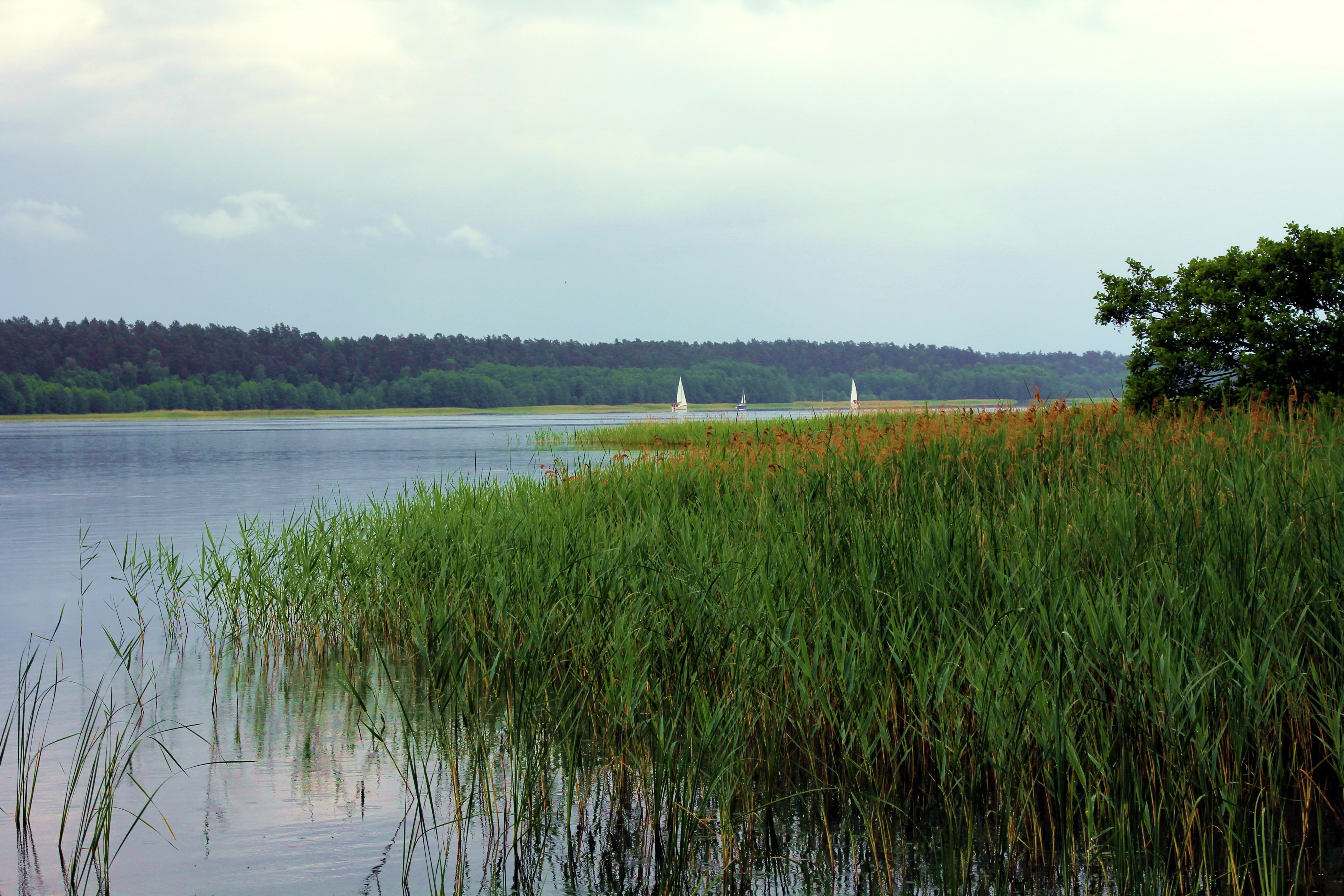
A wide view of Lake Nidzkie with tall reeds in the foreground and a dense forest lining the far shore under an overcast sky.
A view of Lake Nidzkie, surrounded by forest, as seen from the vicinity of the Pranie forestry station.

Jezioro Nidzkie Nature Reserve history and protected-area timeline

Jezioro Nidzkie Nature Reserve was created in 1972 by order of Poland's official legal gazette, at a time when formal landscape protection was being extended across many of the country's most characteristic natural areas. The reserve was established around an existing lake and forest complex that had long been recognized for its scenic and ecological value within the Piska Forest.

The founding legal act set the area at 2,934.71 hectares; subsequent measurements have placed the reserve's actual surface at 2,950.87 hectares. Since its establishment, the reserve has been subject to active conservation, with protective tasks guiding management rather than a dedicated written protection plan. In later decades, the area gained further recognition through its inclusion in the Protected Landscape Area of the Piska Forest and Lakes, and through its designation within the European Union's Natura 2000 network, both as a habitat area and as a bird protection area.

Jezioro Nidzkie Nature Reserve landscape and geographic character

The reserve's landscape is defined above all by Lake Nidzkie, a sizeable postglacial lake that occupies the central lowland basin around which the reserve has been drawn. The lake's irregular shoreline, quiet bays, and the contrast between open water and forested shores give the area much of its scenic character. To the south, the lake is closed to motorboat traffic, preserving a more tranquil visual setting.

Around the lake, the terrain rises gently into the surrounding Mazurian Plain. The forest cover around the reserve is shaped by glacial and postglacial processes, producing a mosaic of dry sandy uplands, peat-filled depressions, and waterlogged margins. Boggy spruce forests occupy the wetter ground near peat deposits, while pine-dominated forests stretch across the drier sandy soils, and richer oak-hornbeam and alder-ash stands appear on more fertile sites. The result is a varied woodland landscape where coniferous bog forests, upland mixed forests, and lake-edge wetlands sit in close proximity.

Jezioro Nidzkie Nature Reserve ecosystems, habitats, and plant life

Ecologically, the reserve is notable for the breadth and intactness of its forest and wetland vegetation communities. Several protected plant associations have been recorded here, including boreal spruce mires on peat, swampy spruce forests, mixed pine forests on moist and fresh sites, subcontinental oak-hornbeam forests, subatlantic bog birchwoods, ash-alder floodplain forests, central European alder swamps, and pine bog woodland. Sphagnum-dominated bog communities add a further peatland dimension to the habitat mosaic.

A range of plant species receives special protection within the reserve, from strictly protected species such as Martagon lily, columbine, pipsissewa, mezereon, and several clubmosses, to partially protected species including wild rosemary, lily of the valley, wild ginger, bearberry, blackcurrant, and sweet woodruff. The combination of protected species and the diversity of plant communities reflects the area's ecological richness and the importance of maintaining forest processes across both dry and waterlogged habitats.

Jezioro Nidzkie Nature Reserve wildlife and species highlights

The reserve is well known for its birdlife, which draws on the lake's open water, its reed-fringed margins, and the mature surrounding forests. Grebes, including the great crested grebe, frequent the lake, while grey herons, mute swans, and larger woodpeckers such as the great spotted woodpecker are among the characteristic species recorded here. The diversity of habitats, from open water to bog forest, supports a mix of waterfowl, waders, and forest species.

Among mammals, the European beaver is a notable inhabitant of the lake's wetland margins and associated waterways, reflecting the area's healthy riparian and bog habitats. The broader Piska Forest context means that the reserve also forms part of the range of typical Masurian lowland mammals, with the lake and wetland corridors playing a particular role for species tied to aquatic and semi-aquatic environments.

Jezioro Nidzkie Nature Reserve conservation status and protection priorities

Jezioro Nidzkie Nature Reserve is significant at multiple levels of conservation. Locally, it protects a representative slice of the Piska Forest together with the lake, acting as a stronghold for boreal-like spruce mires, mixed pine forests, and alder-ash wetlands that have become increasingly rare in intensively managed landscapes. Management operates under active conservation tasks aimed at preserving habitat quality and natural processes.

Regionally, the reserve lies within the Protected Landscape Area of the Piska Forest and Lakes, extending its protective influence well beyond its own boundaries. At the European scale, the area is recognized through two Natura 2000 designations: the habitat site Ostoja Piska (PLH280048), which highlights the importance of forest and wetland habitats, and the bird site Puszcza Piska (PLB280008), which underlines the reserve's role in protecting forest, wetland, and lake-edge bird populations in the Masurian region.

Jezioro Nidzkie Nature Reserve cultural meaning and human context

The reserve lies in a region of long-standing human connection to lakes and forests. The surroundings of Lake Nidzkie include the small settlement of Pranie, known for the Museum of Konstanty Ildefons Gałczyński, the Polish poet who made his home there. While the museum itself is on the lake's edge rather than within the strictly protected area, it situates the reserve within a culturally distinctive part of the Masurian region, where local history, literary heritage, and traditional lake-based life are part of how visitors experience the landscape.

Top sights and standout views in Jezioro Nidzkie Nature Reserve

Jezioro Nidzkie Nature Reserve offers an unusually complete picture of the Masurian lake-and-forest landscape in a single protected area. Its three core strengths are the lake itself, the surrounding mosaic of forest types, and the layered conservation status that recognizes the site both nationally and at the European level.

The lake provides a calm, motorized-boat-free southern basin, the forests include rare bog spruce mires alongside more familiar pine woodlands, and the birdlife of water and forest is rich enough to anchor a dedicated Natura 2000 bird area. Together, these features make the reserve a representative and accessible example of why the Piska Forest is one of northeastern Poland's most important natural landscapes.

Best time to visit Jezioro Nidzkie Nature Reserve

The reserve's character varies meaningfully with the seasons. Late spring and early summer bring active birdlife around the lake's margins, blooming forest herbs in the oak-hornbeam and alder stands, and the fresh green of the deciduous canopy in the richer forest communities. These months are often the most rewarding for visitors interested in birdwatching and in the more colorful flowering period of protected species such as lily of the valley and Martagon lily.

Late summer and early autumn offer the visual height of the reserve's forest character, with ripening berries in the understorey, changing leaf tones in the deciduous patches, and the most settled water conditions on the lake itself. Winter transforms the reserve into a quieter scene of snow-covered forest and often frozen lake margin; while access is shaped by snow and ice conditions, this season offers the most contemplative impression of the Piska Forest. In general, the mild months from May through October allow the broadest experience of both lake and forest.

Monthly climate preview

Long-term representative point measurements tracking monthly averages across the protected area

Annual Temperature and Precipitation Normals for Rezerwat przyrody Jezioro Nidzkie

Representative coordinates record freezing winter conditions alongside warmer summer peaks and moderate daily precipitation patterns. Detailed monthly temperature and precipitation tables provide deeper context for long-term climate monitoring across the protected area.
Annual mean7 °C
-4 °C19 °C
Jan-4°
Feb-3°
Mar
Apr
May13°
Jun17°
Jul19°
Aug18°
Sep13°
Oct
Nov
Dec-2°
Warmest month
July

18.8 °C

Coolest month
January

-4.3 °C

Wettest month
July

2.5 mm/day

Driest month
March

1.4 mm/day

Park location guide

Geography guide, regional context, and park location map for Jezioro Nidzkie Nature Reserve

Jezioro Nidzkie Nature Reserve park geography, regions, and map view in Poland

Understand where Jezioro Nidzkie Nature Reserve sits in Poland through a broader geographic reading of the surrounding landscape, nearby location context, and its mapped position within the national park landscape.

How Jezioro Nidzkie Nature Reserve fits into Poland

Poland, officially the Republic of Poland, is a Central European country spanning from the Baltic Sea in the north to the Carpathian Mountains in the south. It borders Germany, Czech Republic, Slovakia, Ukraine, Belarus, Lithuania, and Kaliningrad Oblast. The country has a temperate climate, diverse landscapes, and is known for its rich history, cultural heritage, and strong economic position within the EU.

Wider geography shaping Jezioro Nidzkie Nature Reserve in Poland

Poland occupies 312,696 km2 in Central Europe, extending from the Baltic Sea coast in the north to the Sudetes and Carpathian Mountains in the south. It borders Germany to the west, Czech Republic and Slovakia to the south, Ukraine and Belarus to the east, and Lithuania and Kaliningrad Oblast to the northeast. The landscape includes lowland plains, uplands, and mountain ranges.

Map view of Jezioro Nidzkie Nature Reserve

Use this park location map to pinpoint Jezioro Nidzkie Nature Reserve in Poland, understand its exact geographic position, and read its mapped placement within the surrounding landscape more clearly.

Pigeon | © OpenStreetMap contributors

Location context for Jezioro Nidzkie Nature Reserve

Warmian-Masurian Voivodeship

Visual reference guide to the protected postglacial lake and forest habitats

Rezerwat przyrody Jezioro Nidzkie Photos and Landscape Scenery

Visual records capture the postglacial lake basin, shoreline bays, and surrounding coniferous forests of Rezerwat przyrody Jezioro Nidzkie. Photographic documentation reveals the varied terrain, boggy woodlands, and quiet water habitats that define the protected landscape.

A wide view of Lake Nidzkie with tall reeds in the foreground and a dense forest lining the far shore under an overcast sky.

Park atlas

Compare adjacent Masurian lowland nature reserves and connected forest habitats.

Exploring Parks Near Rezerwat przyrody Jezioro Nidzkie and Surrounding Protected Landscapes

Browse other protected areas and regional reserves located near Rezerwat przyrody Jezioro Nidzkie across the Mazurian Plain. Comparing these neighboring forest and lake habitats provides broader context on northeastern Poland conservation landscapes.
A watercolor painting showing a soft, muted landscape of wetlands, grasses, and distant trees with a white background.
Nature reserveWarmian-Masurian Voivodeship
About 14 km away#1 closest

East

Rezerwat przyrody Jezioro Pogubie Wielkie Nature Reserve Geographic and Wetland Atlas

Mapping wetland habitats in the Warmian-Masurian Voivodeship region

Examine the protected boundaries and layered ecosystem of Rezerwat przyrody Jezioro Pogubie Wielkie. This reserve serves as an important refuge for water birds, defined by its shallow lake basin, charophyte meadows, and the distinctive forested island of Ostrów Wielki within the Pisz Forest complex.

Area
7.158 km²
Established
1971
Relief
Lowland
Scope
Terrestrial
A watercolor painting of rolling hills and a landscape horizon line on a white background.
Nature reservePoland
About 29 km away#2 closest

South

Rezerwat przyrody Mingos: Ecological Geography and Protected Pine Forest Mapping in Poland

A study of dry woodland landscapes on the Kurpie Plain.

Spanning 13.46 hectares within the Łyse commune, Rezerwat przyrody Mingos preserves a distinct segment of the Puszcza Kurpiowska. The reserve provides a mapped view of acidic, nutrient-poor soils and the characteristic bór brusznicowy pine forest community that defines this lowland region. Through its specific protected boundaries and internal forest mosaic, it offers a clear look at the historical dry woodland landscapes once pervasive across northeastern Mazovia.

Area
0.135 km²
Established
1971
Relief
Lowland
Climate
Temperate
Protected areaWarmian-Masurian Voivodeship
About 37 km away#3 closest

West

Puszcza Napiwodzko-Ramucka Protected Forest and Glacial Geography in Northeast Poland

An expansive lowland wilderness featuring unique sinkhole terrain.

Spanning over 117,000 hectares, Puszcza Napiwodzko-Ramucka stands as a massive pine-dominated forest complex in the Warmian-Masurian Voivodeship. The terrain is a masterclass in glacial history, defined by sandr plains, moraine hills, and a dense network of post-glacial lakes. This protected area functions as a critical sanctuary for raptor species and large mammals, while its distinct geology, marked by active suffosion processes, distinguishes it as a key subject for landscape-level study.

Area
1,173.2 km²
Relief
Lowland
Climate
Temperate
Access
Access unknown
Nature reserveWarmian-Masurian Voivodeship
About 46 km away#4 closest

Northeast

Rezerwat przyrody Jezioro Zdedy Nature Reserve: Protected Wetland and Migratory Habitat

Geography and landscape of the Masurian Plain, Poland

Rezerwat przyrody Jezioro Zdedy protects a diverse wetland ecosystem characterized by sedge meadows, emergent reedbeds, and rare swamp forest communities. Positioned on the Masurian Plain, this reserve acts as a sanctuary for migratory birds and large mammals, providing an essential look at the post-glacial geography and active conservation landscapes of northeastern Poland.

Area
1.816 km²
Established
2003
Relief
Lowland
Scope
Terrestrial
Nature reserveMasovian Voivodeship
About 48 km away#5 closest

Southwest

Zachodniokurpiowskie Bory Sasankowe: Protected Forest Geography and Reserve Map

A study of dry pine habitats in the Masovian Voivodeship

The Zachodniokurpiowskie Bory Sasankowe nature reserve serves as an essential reference for continental pine forest ecosystems. By protecting the delicate interplay between sandy dune topographies and lichen-rich woodland floors, this site provides a rare window into the post-glacial geography of the Kurpie Plain.

Area
22.141 km²
Established
2018
Relief
Lowland
Climate
Temperate
Nature reserveWarmian-Masurian Voivodeship
About 53 km away#6 closest

Northwest

Rezerwat przyrody Dębowo Nature Reserve: Geography and Forest Protected Area Overview

A preserved lowland beech woodland within the Warmian-Masurian Voivodeship

Rezerwat przyrody Dębowo stands as a vital representative of mixed lowland forest ecosystems at the eastern edge of their natural range. The reserve protects a complex, multi-layered canopy and a rich herb layer including species like the Martagon lily and wild garlic. By safeguarding these veteran beech stands, the site provides a primary reference for understanding forest development and biogeographical boundaries within the broader Mrągowski Lakeland landscape.

Area
0.258 km²
Established
1954
Relief
Lowland
Scope
Terrestrial
Nature reserveWarmian-Masurian Voivodeship
About 54 km away#7 closest

West

Rezerwat przyrody Małga: Protected Wetland and Ornithological Reserve in Warmian-Masurian

Analyzing the hydrology of the Omulew River valley landscapes

Rezerwat przyrody Małga represents a specialized faunistic nature reserve characterized by expansive sedge marshes and peat-forming wetland vegetation. Situated in the Masurian Plain, the reserve functions as a critical sanctuary for nesting birds and provides a unique look at the interaction between abandoned rural geography and restored riverine wilderness.

Area
1.639 km²
Established
1991
Relief
Lowland
Scope
Terrestrial
Nature reserveWarmian-Masurian Voivodeship
About 60 km away#8 closest

West

Dęby Napiwodzkie Nature Reserve: Geographic Overview and Protected Forest Boundaries

Ancient oak woodlands in Warmian-Masurian Voivodeship

Dęby Napiwodzkie preserves a unique mosaic of lowland forest communities, including rare old-growth pedunculate oaks that reach over three centuries in age. This nature reserve provides a critical, well-preserved look at the ecological diversity of the Warmian-Masurian landscape, featuring a dense concentration of forest types that have largely vanished elsewhere in the surrounding terrain.

Area
0.37 km²
Established
1989
Relief
Lowland
Climate
Temperate

Common questions about visiting, size, designation, and location context for Jezioro Nidzkie Nature Reserve

Jezioro Nidzkie Nature Reserve FAQs for park facts, access, geography, and protected area context

Find quick answers about Jezioro Nidzkie Nature Reserve, including protected-area facts, park geography, trail and visitor context, and how the park fits into its surrounding country and regional landscape.
MoriAtlas Explorer

Continue Your Protected Areas Search Across the Global Atlas

Deepen your exploration by continuing the structured search for national parks and protected areas worldwide. Utilize the comprehensive filtering capabilities to compare different conservation landscapes and refine your understanding of global park geography. Discover more about the distribution and characteristics of protected natural areas.

Global natural geography