Why Jeziorsko Nature Reserve stands out
Jeziorsko Nature Reserve is best known for its exceptionally rich waterbird and water-dependent birdlife, particularly the dense breeding, staging, and wintering populations that gather on the shallow southern end of the Jeziorsko Reservoir. It supports nationally important breeding populations of the great egret, and consistently hosts large numbers of cormorants, grebes, ducks, gulls, and other waterbirds throughout the year. The shallow, backwater character of this part of the reservoir, combined with its protected status within both a Polish nature reserve and a Natura 2000 bird area, makes the site one of the most significant inland bird sanctuaries in central Poland. It is often highlighted as a key location for observing breeding colonies and migratory concentrations in a region otherwise dominated by agricultural and river-valley landscapes.
Jeziorsko Nature Reserve history and protected-area timeline
The Jeziorsko Nature Reserve was established by Regulation of the Minister of Environmental Protection, Natural Resources and Forestry on 23 December 1998. At its creation, it covered an area of about 2,350.6 hectares, marking it from the outset as a substantial faunal reserve devoted to bird conservation.
In November 2017, the boundaries of the reserve were revised by the Regional Director of Environmental Protection in Łódź, reducing its total area to approximately 1,967.65 hectares. Although its core purpose was preserved, this adjustment refined the reserve's extent to better reflect the most important bird habitats on the reservoir.
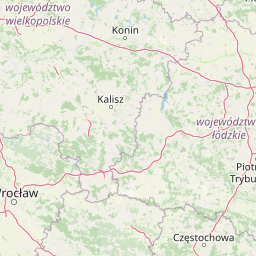
Through these administrative steps, the reserve became recognized as the largest nature reserve within the Łódź Voivodeship, and it was formally incorporated into the Natura 2000 network as the Special Protection Area Zbiornik Jeziorsko (PLB100002). Together, the Polish reserve designation and the European bird directive recognition established Jeziorsko as a strongly protected site with both national and international frameworks guiding its management.
Jeziorsko Nature Reserve landscape and geographic character
The landscape of Jeziorsko Nature Reserve is dominated by an inland water environment rather than mountains, forests, or coastline. It is defined by the southern end of the Jeziorsko Reservoir, the largest artificial lake on the Warta River system, where sluggish, shallow, backwater-style conditions create broad open-water zones and extensive littoral fringes.
Jeziorsko Nature Reserve ecosystems, habitats, and plant life
The ecological character of Jeziorsko Nature Reserve is overwhelmingly aquatic and wetland-centered, shaped by its location on a major artificial reservoir in the Warta River valley. Shallow water, fluctuating levels, soft sediments, and rich shoreline vegetation together define a habitat complex that strongly favors waterbirds and water-dependent species over typical forest or meadow communities.
Jeziorsko Nature Reserve wildlife and species highlights
Jeziorsko Nature Reserve harbors a particularly rich and internationally recognized bird community. The site hosts breeding colonies, migratory stopover concentrations, and year-round residents, making it one of the most valuable inland bird sanctuaries in central Poland. Its individual bird species include the black stork, greylag goose, little gull, mew gull (common gull), herring gull, ruff, and jack snipe, all of which use the reserve for nesting, resting, or feeding during passage. Duck species, including the mallard, northern shoveler, tufted duck, and common pochard, are regularly present, alongside grebes such as the great crested grebe and the red-necked grebe. The reserve is also nationally crucial for the great egret, hosting what is described as the most important breeding site for this species in Poland.
Jeziorsko Nature Reserve conservation status and protection priorities
Jeziorsko Nature Reserve carries a strong and multilayered conservation significance. As a Polish faunal nature reserve dedicated to birds, it protects a key breeding, resting, and feeding area for waterbirds and water-dependent species, rather than just declaring a generic protected zone. Its boundaries were adjusted in 2017 to refine protection around the most valuable habitats, reflecting ongoing habitat-targeted conservation management.
Importantly, the reserve lies entirely within the Natura 2000 Special Protection Area Zbiornik Jeziorsko (PLB100002), linking local Polish protection to the European Union framework for conserving wild birds. This joint designation gives Jeziorsko both domestic and European legal backing for preserving its waterbird communities, including the country's most important breeding site for the great egret.
Top sights and standout views in Jeziorsko Nature Reserve
Jeziorsko's standout qualities revolve around the exceptional density and diversity of its waterbird community, especially the nesting, migrating, and wintering populations concentrated on the shallow southern arm of the Jeziorsko Reservoir on the Warta River. As the largest nature reserve in the Łódź Voivodeship, it carries strong regional identity beyond its national-level ecological importance.
Its integration into the Natura 2000 network through Special Protection Area PLB100002 Zbiornik Jeziorsko places Jeziorsko firmly within Europe's most important bird conservation framework, while the reserve's role as Poland's leading great egret breeding site gives it a distinctive ecological signature. The combination of large reservoir habitat, rich shoreline vegetation, and strong legal protection makes Jeziorsko a key reference site for waterbird conservation in central Poland.
Best time to visit Jeziorsko Nature Reserve
Jeziorsko Nature Reserve changes its character with the seasons because so much of its birdlife is tied to migration and breeding cycles. Spring and early summer are the most rewarding periods for observing nesting activity and breeding colonies, with the reserve supporting juveniles of ducks, grebes, gulls, and herons during these months. Late summer and autumn bring strong migratory concentrations, as passage birds use the reservoir's shallow, food-rich waters for resting and feeding.
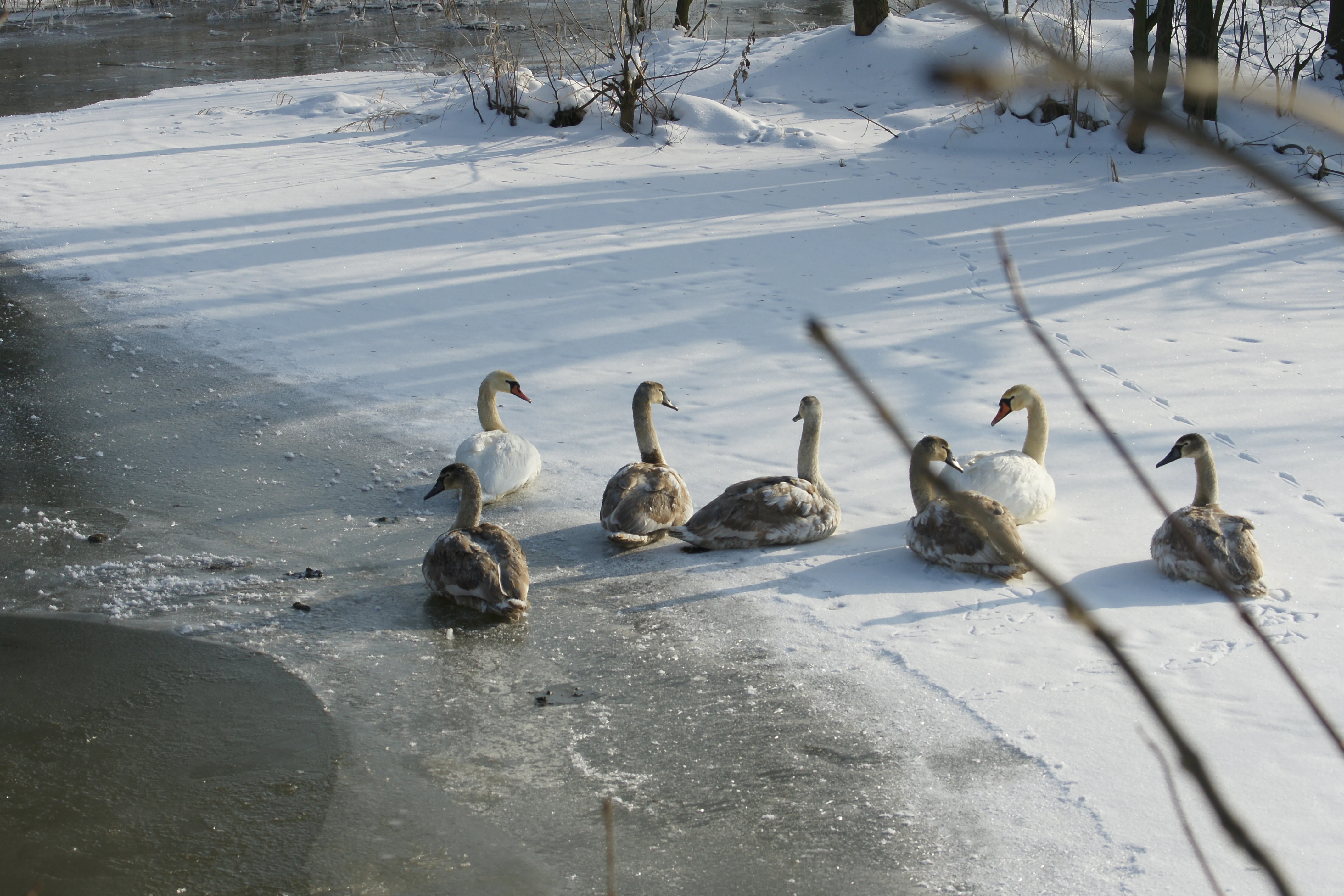
Winter also has its own appeal, with the open water concentrating waterfowl and offering sharper viewing opportunities against the bare surrounding landscape. Regardless of season, the reserve's character as a calm inland waterbird sanctuary, rather than a destination for dramatic scenery, defines the experience: visitors come for birdwatching, not for grand vistas.