
Trip Timing Overview
When to visit Riding Mountain National Park: Essential timing trade-offs
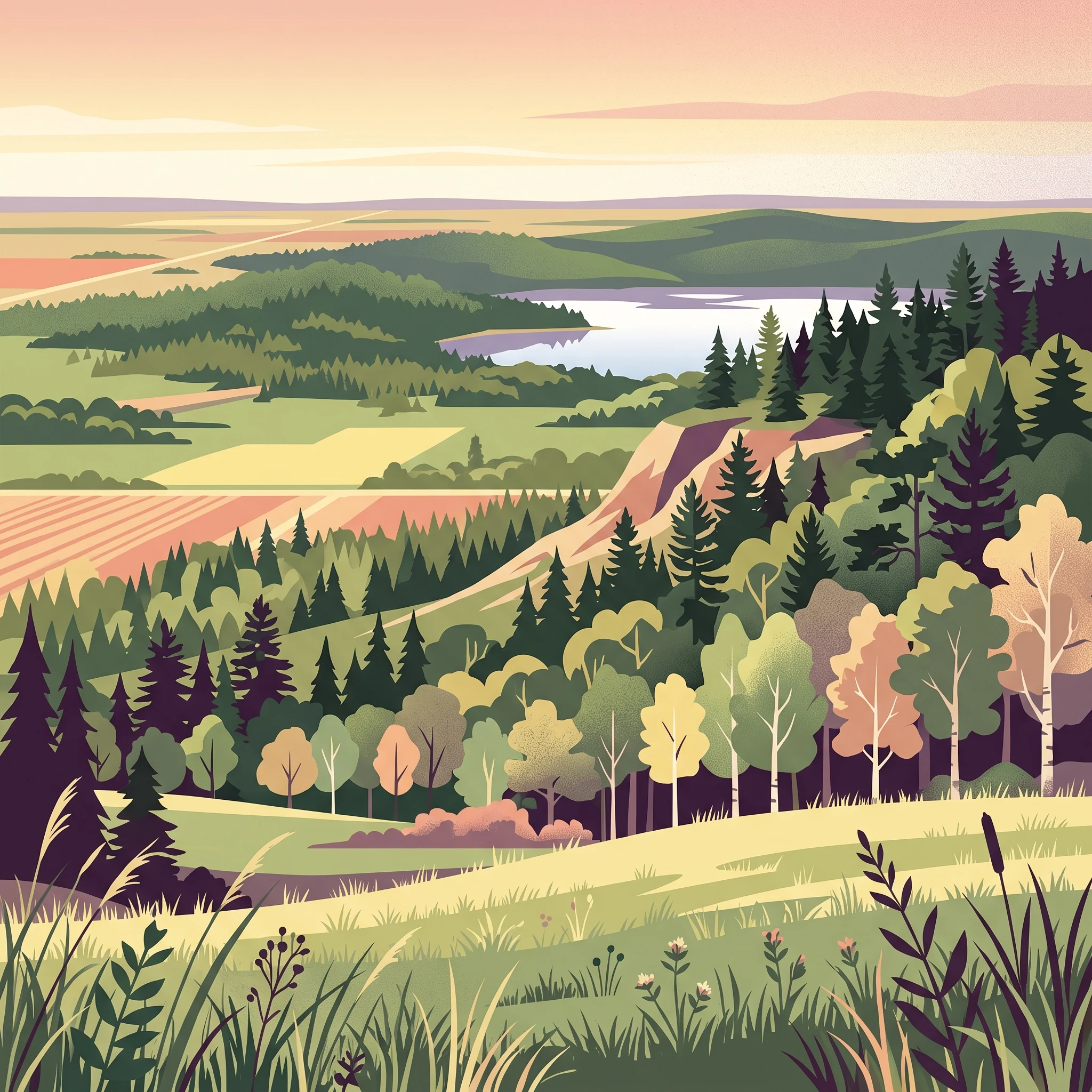
Deciding on the best time to visit Riding Mountain National Park requires a clear understanding of the dramatic shifts between its short, accessible summers and its long, harsh winters. Because the park acts as a protected island of forest rising above the surrounding Manitoba farmland, the weather here is significantly influenced by both the elevation of the Manitoba Escarpment and the vastness of the nearby prairie. There is no single universal window that suits every visitor, as the experience shifts fundamentally from the lush, activity-rich warmth of July to the deep, silent cold of January.
The primary trade-off of timing
The central factor when planning your trip is the trade-off between accessibility and intensity. If your priority is exploring the park's 400 kilometers of trails, swimming in Clear Lake, or viewing bison at Lake Audy, you must plan for the peak of the warm season. This period generally spans from late June through August, when daylight hours are longest and average daytime temperatures frequently reach into the low 20s or higher. This is when the park's convergence of boreal, deciduous, and grassland ecosystems is most vibrant, offering the easiest conditions for wildlife watching and water-based recreation.
However, visiting during this peak period means accepting higher visitor numbers and the reality of potential summer precipitation, as the park receives a significant portion of its annual rainfall during these months. For many travellers, the trade-off for these comfortable temperatures is a more crowded atmosphere at popular hubs like Wasagaming.
Navigating the shoulder seasons and winter extremes
For those who prefer a quieter experience, the shoulder seasons in May and September offer a different perspective. These months serve as transition periods where the weather becomes less predictable, with potential for rapid fluctuations. Nighttime temperatures can drop near or below freezing, even when daytime hours remain pleasant. These times are often ideal for visitors seeking solitude or those specifically interested in the park's changing landscape, but they require a higher level of preparation regarding clothing and gear.
Winter visits present the most extreme shift in the park's character. From December through March, the focus transitions to cold-weather activities like cross-country skiing. You must be prepared for mean temperatures well below freezing and limited daylight hours. While the winter landscape is visually stunning and remarkably quiet, the climatic reality at these elevations requires serious attention to safety and equipment. The contrast between the breezy, open prairie surrounding the park and the forested shelter of the plateau becomes particularly relevant during this time, as the forest cover in places like Wasagaming offers some protection against the wind, but cannot mitigate the severe thermal conditions typical of a Manitoba winter. Ultimately, your choice should be dictated by your tolerance for these climate extremes and the specific activities you hope to prioritize.
Seasonal Planning
Best Months to Visit Riding Mountain National Park at a Glance
Peak Summer and Outdoor Recreation: June through August
The most accessible period for a full range of park activities typically occurs between June and August. During these months, the park experiences its warmest mean temperatures, often reaching daily highs exceeding 30 degrees Celsius. This is the prime window for water-based recreation on Clear Lake, hiking the park's diverse network of trails, and exploring the bison enclosure near Lake Audy. Travelers prioritizing maximum daylight, which peaks in June at over 16 hours, will find this window offers the most time for outdoor exploration. The primary trade-off is that these months represent the height of park activity, and the temperate conditions also correspond with the wettest period of the year, as documented rainfall peaks in June.
The Transitional Shoulder Seasons: May and September
Visitors who prefer moderate temperatures and seek to avoid the peak summer heat may find May and September to be viable alternatives. In May, the park undergoes a rapid transition as daily highs begin to climb towards 27 degrees Celsius. However, travelers should note that nighttime temperatures frequently dip below freezing, necessitating robust gear for camping or evening activities. September offers a similar climatic profile with cooling averages, providing a distinct atmosphere as the landscape shifts toward autumn. These shoulder months are characterized by increased variability in weather, making them ideal for those who value solitude and are comfortable with potentially volatile conditions in exchange for fewer crowds and a more tranquil experience.
The Harsh Winter Plateau: November through March
For those interested in cold-weather activities like cross-country skiing, the period from November through March defines a starkly different experience. This window is marked by profound, sustained cold, with mean temperatures often dropping well below negative 15 degrees Celsius and absolute minimums frequently plummeting past negative 30 degrees Celsius. January is typically the most intense month, featuring the shortest daylight hours and the lowest mean temperatures. Choosing to visit during this time requires a high degree of cold-weather preparedness and a focus on winter-specific recreational pursuits. The main trade-off here is the extreme physical demand imposed by the environment, as the park enters a deep, quiet state that contrasts sharply with the vibrant activity of the summer months. Accessibility and safety during this time are heavily dependent on immediate weather and road conditions, which should be verified closer to the intended travel dates.
Annual Climate Patterns
Weather and Climate Trends in Riding Mountain National Park by Month
Understanding the Continental Climate Cycle
Riding Mountain National Park operates within a distinct continental climate, characterized by significant seasonal extremes that dictate the pace of life within its borders. While visitors often look for a singular ideal window, the reality is a cycle of intense contrasts. These long-term climate normals, representing observations from 1991 to 2020, provide a baseline for what to expect during any given month. It is critical for travelers to understand that these figures are averages from a specific elevation and do not serve as a local forecast or a guarantee for conditions on any given day. Localized microclimates, influenced by the park's elevation rise above the surrounding prairie and its dense, varied forest cover, mean that conditions can change rapidly and differ significantly between the sheltered Wasagaming townsite and more exposed upland areas.
The Shift from Deep Winter to Rapid Warming
The start of the calendar year is defined by rigorous cold, with January and February acting as the core of the winter season. During these months, average daily minimums often drop below minus 30 degrees Celsius, representing the most challenging period for those unprepared for sub-arctic temperatures. As daylight begins to increase, jumping from roughly 8 hours in January to over 11 hours by March, the park begins a slow transition. March remains firmly winter-like, but the arrival of April brings a sharp shift. Average maximum temperatures begin a swift ascent, moving from single digits in late winter to over 20 degrees Celsius by the end of April. This transition is not uniform, as nighttime temperatures often linger well below freezing even as daylight hours stretch toward 14 hours per day.
Peak Growing Season and Atmospheric Moisture
Summer in the park is marked by the convergence of peak warmth and increased precipitation, a direct result of the park's unique geography. June, July, and August stand out as the period of highest temperatures, with July and August average maximums regularly exceeding 30 degrees Celsius. June is typically the wettest month, reflecting a pattern where the combination of inland lakes, wetlands, and the cooling effect of the Manitoba Escarpment influences local weather systems. Unlike some lowland areas of the province, the park benefits from generally lower humidity levels, which makes the heat feel more manageable for outdoor exertion. Daylight reaches its zenith in June at over 16 hours, providing extensive windows for exploration, though visitors should remain aware that these warmer months are also the peak period for convective weather patterns.
Transitioning Toward Autumn and Seasonal Cooling
As the summer warmth wanes, September acts as a distinct bridge month. While daylight begins to decrease, dropping to roughly 12 hours, the average maximums remain quite pleasant, often reaching the high 20s. However, the drop in average minimums toward the freezing mark signals the onset of autumn. By October, the shift is undeniable; the landscape moves into a cool, shorter-day phase, and the risk of frost increases significantly. November marks the true return of the winter cycle, with daylight hours contracting sharply and average temperatures plummeting back into negative territory. Wind conditions remain relatively consistent throughout the year, though exposed high-elevation areas and the open spaces near the park boundaries often feel significantly more brisk than the protected, forested corridors found in the interior.
Annual Climate Patterns
Understanding Seasonal Transitions in Riding Mountain National Park
Rather than a standard four-season calendar, the climate of Riding Mountain National Park is best understood through a cycle of three primary phases defined by the dramatic shifts in temperature and moisture on the Manitoba Escarpment. This transition between the extreme, cold-stable winters of the Canadian interior and the humid, active summers dictates the rhythm of the landscape, creating distinct windows of access and environmental character.
The Extended Winter and Early Thaw Period
Beginning in November and stretching through to early April, this period is defined by high pressure and sustained sub-zero temperatures. Deep winter conditions dominate from December to February, characterized by consistent cold and low daylight, with average mean temperatures dipping well below -13 degrees Celsius. During this time, the park environment is dormant, with heavy snow cover across the upland boreal forests. The transition out of this phase in March and April is rapid but volatile. As the sun angle increases and daylight hours stretch beyond twelve per day by late March, the park experiences a thaw that can create unstable trail conditions. Visitors should note that this is not a period of consistent weather, as freezing and thawing cycles often occur until the ground fully clears in late April.
The Short, High-Activity Summer Window
Summer in the park is relatively brief, beginning in earnest in late May and tapering off by early September. This is the period of maximum ecological productivity and visitor access. June, July, and August provide the warmest conditions, with daytime highs often exceeding 30 degrees Celsius. This phase is characterized by the highest precipitation levels, often arriving as intense afternoon storms, which sustain the lush growth of the three converging ecosystems. Humidity is more noticeable during this window than in the surrounding prairie, due to the density of the forests and the influence of the local lakes. This period is the most distinct from the winter months, offering the only time of year when water-based activities in Clear Lake are reliably comfortable.
The Transitional Autumn Window
From mid-September through October, the park enters a crisp, cooling transition that bridges the gap between summer warmth and the return of winter. This is a quiet, stable period where temperatures drop significantly from the summer peaks. Daily highs shift toward more moderate figures, and the frequent storm activity of the summer months decreases. This phase is defined by its dryness compared to June or July, with the shortening of daylight hours serving as the primary driver for the seasonal cooling. By late October, the park is typically preparing for the next cold cycle, with temperatures frequently falling near or below freezing at night. This transition is essential for those seeking solitude, as the lack of extreme heat or deep snow provides a narrow window for late-season hiking before the first persistent snowfalls of November return the park to its winter state.
Seasonal Experiences
Seasonal Changes and Park Activities in Riding Mountain National Park
Summer Water-Based Recreation at Clear Lake
The park experience pivots heavily toward Clear Lake during the warmer months, specifically from June through August. This period aligns with the highest mean daily temperatures and the longest daylight hours, which support a wide range of water-focused activities. The main beach at Wasagaming serves as the primary hub for swimming, utilizing facilities such as changerooms and showers that remain open during the height of the summer season. Beyond swimming, the scale of Clear Lake makes it a viable destination for sailing, aided by the wind patterns typical of the region. Visitors engaging in boating should note that regulations regarding motor types are strict. Only four-stroke and direct-injected two-stroke motors are permitted on Clear Lake, and personal watercraft are prohibited throughout the park, necessitating prior verification of equipment compliance before arrival. Scuba diving is also possible, with the deepest reaches of the lake extending to approximately 34.7 meters, offering a distinct underwater experience compared to shallower surrounding water bodies.
Backcountry Exploration and Trail Use
The extensive network of over 400 kilometers of trails facilitates diverse movement across the park, though the timing of these experiences is dictated by ground conditions. In the shoulder months of May and September, cooler temperatures offer a respite from summer humidity, making them better suited for long-distance hiking and cycling. Trails such as the Ochre River Trail and the Tilson Lake Loop cater to backpackers and horseback riders. The Tilson Lake Loop, characterized by open meadows and rolling hills rather than dense forest, is particularly exposed, making it an experience best managed when daylight and weather are stable. Travelers must be aware that many of these trails have not received consistent maintenance since 2011, meaning that navigability and the state of infrastructure like bridge crossings or signage may change. For those seeking a quieter experience, the shoulder seasons provide access to these routes with significantly less traffic than the mid-summer peak.
Winter Sports and Cold-Weather Access
As temperatures drop and snowfall becomes established, usually starting in late November, the park transitions into a quiet space for winter recreation. The trail network is repurposed for cross-country skiing, and ice fishing becomes a permitted activity on Clear Lake. Snowmobiling is restricted to designated areas specifically for ice fishing purposes. Accessing the backcountry during winter requires different planning, as routes are not patrolled on a daily basis. The Ochre River Trail, for example, allows for winter trekking, with overnight stays at Cairn’s Cabin possible by advance reservation. Because snow accumulation can make certain routes difficult to navigate, visitors should anticipate that the pace of exploration will be much slower than during the summer months, and that self-sufficiency is a necessary component of any winter trip.
Trip priorities
Optimizing Riding Mountain National Park visits by activity and climate preferences
Balancing warmth and activity levels
For visitors whose primary objective is swimming, boating, or relaxed outdoor leisure, the period from July through mid-August is the most effective. Climate data shows these months offer the highest mean temperatures, typically peaking around 32 to 33 degrees Celsius during the day. This warmth makes the waters of Clear Lake tolerable for extended periods and supports the full operation of beach-side facilities. The trade-off for this heat is a shorter window of comfortable evenings, as temperatures drop steadily once the sun sets, and these weeks represent the peak of visitor density which may impact the availability of amenities in and around the Wasagaming townsite.
Targeting stable weather for long-distance hiking
Travelers focused on the park's 400 kilometers of trails often find that the late spring to early summer window, specifically June, provides an ideal intersection of moderate temperature and high daylight hours. With over 16 hours of potential light and average daytime highs hovering near 30 degrees Celsius, this period allows for longer excursions into the upland boreal forests without the risk of extreme summer heat or the lingering dampness of the spring melt. While these conditions are excellent for hiking, cyclists and backpackers should remain aware that lower-lying trails near lakes or rivers can retain moisture from spring run-off, which may necessitate careful route selection or waterproof gear even during warmer stretches.
Selecting for crisp, cool walking conditions
If your priority is comfortable hiking without the intensity of summer sun, September offers a unique climatic advantage. During this month, the daytime highs moderate to an average of 28 degrees Celsius, but the humidity levels remain lower than in the peak summer months. The decrease in average wind speeds compared to the early spring also makes for a more predictable experience on the Escarpment. The primary compromise for this period is the noticeable decline in daylight, which drops from over 14 hours in August to just over 12 hours by the end of September. This shift requires more disciplined timing for those planning full-day treks to ensure they are off the trails before dusk.
Winter recreation and solitude preferences
For those seeking the park's quieter, specialized activities like cross-country skiing or snowshoeing, the late winter months of January and February provide the most consistent, albeit demanding, conditions. While the average daily minimums plunge toward negative 30 to 35 degrees Celsius, this deep freeze stabilizes the lake ice for activities like fishing. The daylight hours are at their shortest, providing less than 10 hours of natural light per day. Travelers choosing this window must accept that the park's trail maintenance is limited and the landscape is defined by extreme cold, requiring significant preparation regarding thermal insulation and emergency self-sufficiency.
Visitor Access
Seasonal Access and Operational Planning for Riding Mountain National Park
Navigating Seasonal Infrastructure and Facility Availability
Operational capacity within the park fluctuates significantly throughout the year, reflecting the dramatic shifts in climate and visitor demand. While the summer months coincide with broader availability of amenities in the Wasagaming townsite, these services are not year-round constants. Visitors should expect a phased approach to facility openings, where essential services in the main hub are most robust from late spring through early autumn. Outside of these peak periods, the park shifts toward a self-sufficient model. Access to specific visitor centers, interpretive programming, and commercial operations often narrows as daylight hours decrease and temperatures drop. Because service schedules are subject to annual adjustments and staffing variations, you must consult the official park website or contact the administration directly before finalizing your travel dates.
Access Considerations for Transportation and Roads
Physical access to the park's diverse ecosystems is dictated by both seasonal weather conditions and administrative maintenance cycles. The primary road networks connecting to the Manitoba Escarpment are generally maintained for year-round travel, but local conditions, especially during the spring melt or mid-winter storms, can alter current road status and accessibility. Travel through the park, particularly toward remote areas like the Lake Audy Bison Enclosure, may involve gravel surfaces that respond quickly to heavy precipitation or freezing cycles. Road conditions are not static, and the park does not guarantee specific routes will be open or passable at all times. Always check current public notifications for road closures or travel advisories before departing, as seasonal weather can result in sudden, temporary restrictions that standard climate averages cannot predict.
Requirements for Backcountry and Recreational Permits
Regulations regarding permits and reservations act as a vital tool for resource protection and visitor management. Many of the recreational activities that define the park experience, such as backcountry camping or access to specific zones, require adherence to formal permit systems. These requirements are established to manage impact on the sensitive convergence of the grassland, boreal, and deciduous forest ecosystems. Detailed information regarding permit acquisition, seasonal quotas, and reservation windows is maintained by the park authority. Do not assume that access is open-ended or permit-free based on the time of year. Before planning an excursion that involves overnight stays or specialized activities, visit the official Parks Canada website to confirm the current regulatory requirements and secure any necessary documentation well in advance of your visit.
Safety and Gear
Seasonal Safety and Preparation for Riding Mountain National Park
Preparation for a visit to Riding Mountain National Park centers on managing extreme climatic variability. Because the park features significant elevation gains compared to the surrounding Manitoba plains, weather patterns can shift rapidly, particularly during transitional months. Travellers should expect wide daily temperature fluctuations, where daytime warmth in spring or autumn can give way to near-freezing overnight conditions. Packing for these shifts requires a layered approach, as reliance on a single heavy garment is often insufficient for both the morning chill and the peak afternoon warmth experienced during May, September, and October.
Managing Cold Weather and Winter Risks
During the core winter months, average minimum temperatures frequently drop well below -30 degrees Celsius. Visitors planning winter activities such as cross-country skiing or snowshoeing must be prepared for extreme cold, which significantly increases the energy required for physical exertion and heightens the risk of exposure. Because the park offers limited services and reduced patrol frequency during these months, self-sufficiency is a primary safety requirement. Travellers should monitor local weather alerts and radio broadcasts before heading out, as conditions can change without warning. The absence of reliable cellular coverage in many backcountry areas means that visitors must plan their routes in advance and communicate their intentions clearly, as help is not immediately available in the event of an emergency.
Navigating Seasonal Ecosystem Hazards
Beyond temperature concerns, the park’s ecological diversity introduces specific environmental considerations. During the warmer months, the presence of black bears throughout the forested uplands requires that all visitors follow established food storage protocols and remain vigilant while hiking. Storing food properly and keeping a clean campsite is essential to minimize attractants. Additionally, the park’s wetland areas and lakeshores are known for Swimmer's Itch, a common summer issue caused by parasites in the water, and the presence of poison ivy along certain trail corridors. Visitors should verify current trail reports and park bulletins regarding active bear sightings or ecological warnings before embarking on remote hikes. While the park is a safe destination for those who exercise common sense, the combination of isolated terrain and diverse wildlife dictates that visitors carry appropriate navigational tools and remain within marked recreational zones where emergency response is possible. Always verify the status of trails and services through official Parks Canada resources, as environmental conditions and hazard levels are not static and evolve throughout the season.
Trip decision guide
Choosing the best time for your Riding Mountain National Park visit
Determining the best time for your visit requires reconciling your personal recreational goals with the stark climatic shifts that define this prairie-forest landscape. Because Riding Mountain National Park experiences such significant variation, your choice essentially hinges on the trade-off between the high-utility, accessible summer season and the quiet, demanding conditions of the winter months. If your priority is accessing the full range of lake activities, cycling trails, and interpretive programming, the window between mid-June and late August offers the most reliable conditions. During this period, the warmer air and longer daylight hours facilitate a broad spectrum of experiences from swimming in Clear Lake to exploring the diverse upland boreal and deciduous trails.
Conversely, those who prioritize solitude and winter-specific sports like cross-country skiing must accept the inherent challenges of the off-season. This period is defined by lower temperatures and reduced infrastructure, which necessitates a higher degree of self-sufficiency and careful preparation. The shoulder months of May and September serve as a middle ground for visitors who prefer milder weather and are comfortable with a more limited selection of available services. These transitions are marked by more unpredictable weather patterns, which makes them ideal for travellers who are flexible and appreciate the park when crowds are thinner and the ecological rhythms of the forest are more pronounced.
Ultimately, no single month stands as the superior choice for everyone. Your decision should prioritize the specific landscape elements that matter most to you, whether that is the accessibility of summer infrastructure or the stark beauty of a frozen winter wilderness. As you finalize your dates, remember that climatic data represents long-term averages rather than localized forecasts for your specific arrival time. Always consult current official reports from Parks Canada regarding park-wide alerts, trail conditions, and facility operations before finalizing your travel arrangements. By matching your desired activity level with the known seasonal climate, you can select the dates that align best with the experience you intend to have in this protected island of wilderness.