
Visit Planning
Best time to visit Sallandse Heuvelrug National Park: the short answer
Determining the best time to visit Nationaal Park Sallandse Heuvelrug involves balancing the visual appeal of the heathlands against the climate conditions most conducive to outdoor exploration. The park's distinct topography, characterized by glacial moraine ridges, creates a unique microclimate in the Dutch landscape, meaning that visitors seeking the vibrant purple heather bloom must prioritize the late summer window, while those looking for active hiking or cycling often find the spring months more manageable. There is no single universal period for every traveler, but rather a set of clear trade-offs between the iconic visual spectacle of the landscape and the temperate comfort of the shoulder seasons.
Prioritizing visual landscapes and the heather bloom
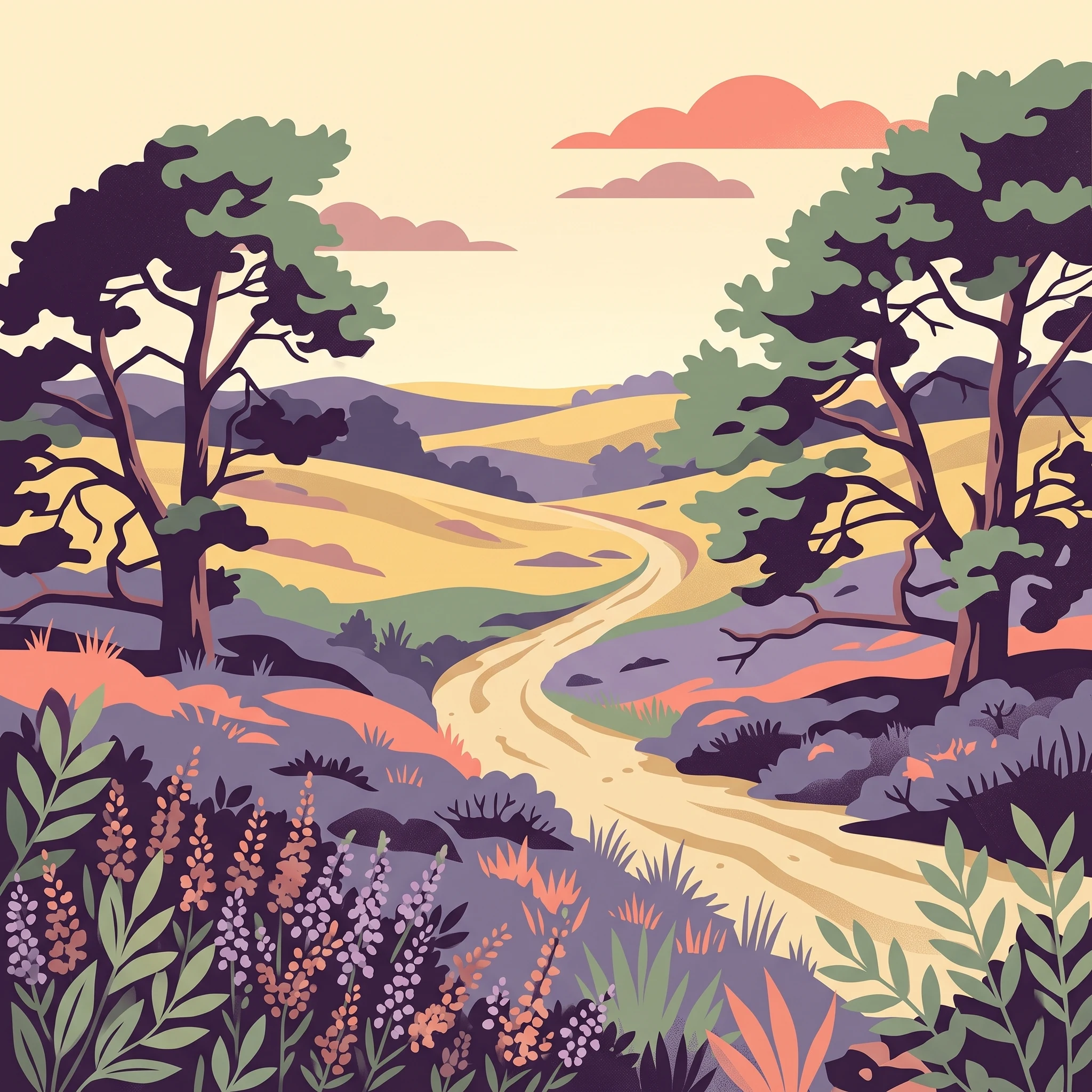
For many, the defining experience of this park is the flowering of the heath, which transforms the rolling hills into an expansive purple vista. This visual phenomenon is inherently tied to the later weeks of summer. While climate data shows that August remains warm and relatively stable, the timing of the bloom is a natural process that fluctuates slightly from year to year. Visitors who choose to travel during this window should expect higher daytime temperatures and potentially more humid conditions, as these months represent the peak of the local thermal cycle. The heathland, which relies on centuries of historical grazing to maintain its open character, becomes the primary attraction during this time, drawing those interested in photography and the park's specific biodiversity, such as the unique black grouse population.
Managing climate trade-offs for active recreation
Travelers whose primary goal is hiking along the ridges or traversing the long-distance trails like the Pieterpad often find greater value in the spring months. During April and May, the park experiences a noticeable transition where daylight hours lengthen and temperatures climb from the winter lows, yet the humidity and heat levels remain significantly lower than in the peak summer period. This creates a comfortable climate for physical exertion. Furthermore, the spring period avoids the peak humidity levels of the winter months, offering clearer, crisp days that are well-suited for taking in the panoramic views from the Koningsbelt or exploring the forest paths that line the glacial hills.
Understanding the influence of geography on visit timing
Because the park features the most significant elevations in this part of the Netherlands, weather patterns can feel distinct from the surrounding flat plains. Visitors should note that the ridges catch the wind, which is a consistent factor throughout the year. While the mean wind speed remains relatively steady across seasons, it can impact the perceived temperature, especially when combined with the lower humidity of the spring or the sharp transitions of late autumn. Choosing the right time requires considering these atmospheric nuances: the summer months provide the most daylight for extended exploration, but the cooler shoulder seasons offer a reprieve from the summer heat and a quieter experience across the 35 square kilometer landscape.
Visitor Timeline
Best Months to Visit Sallandse Heuvelrug National Park at a Glance
Selecting your travel window requires balancing the visual allure of the heathland flora with the pragmatic requirements of your preferred activities. While the park maintains a distinct landscape throughout the year, specific periods offer notable advantages for different visitor priorities.
Peak Visuals and Late Summer Heathland Blooms
For those drawn to the aesthetic of the blooming purple heather, the latter half of August serves as the primary window. During this time, the landscape reaches its most vibrant state, offering the classic visual character for which the region is known. Visitors targeting this period should be prepared for typical late-summer temperatures, which hover around a mean of 17.7 degrees Celsius, though daily maximums can occasionally reach higher. Because this period often coincides with peak tourism demand in the wider Netherlands, trails may see increased foot traffic compared to the off-season months. Planning your trip for late August allows you to witness the heathland at its most photogenic while enjoying long daylight hours that extend well into the early evening.
The Spring Window for Active Exploration
If your priority is long-distance hiking or brisk movement across the glacial ridges, the months of April and May offer an ideal climate balance. During spring, the relative humidity remains lower compared to the winter months, and wind speeds tend to moderate significantly from the winter highs. Temperatures during this window are crisp but manageable, providing comfortable conditions for navigating the hilly terrain of the Koningsbelt without the thermal stress of mid-summer. May, in particular, benefits from an increase in daylight, providing roughly 15.5 hours of light, which allows for extended exploration of the forest-heathland interface. This period is less about the deep purple colors of late summer and more about the fresh, open clarity of the ridge landscape.
Quiet Periods and Transition Months
Visitors seeking solitude and the stillness of the Dutch landscape may find the shoulder months of October and November, or the early spring transition in March, to be more suitable. These periods see a marked reduction in visitor numbers and offer a different character to the park, defined by shifting foliage or the stark, quiet beauty of the dormant heath. While daylight hours decrease significantly,dropping to approximately 8.5 hours by November,these months provide the most authentic sense of the park as a conservation space. It is essential to note that these cooler months come with increased precipitation and higher humidity, requiring appropriate gear for wind and damp conditions as the temperature averages shift toward the low single digits.
Annual Climate Overview
Monthly Weather and Climate Trends in Sallandse Heuvelrug National Park
Interpreting Annual Temperature and Daylight Trends
The climate at Sallandse Heuvelrug is defined by a distinct transition from cold, short-day winters to long, sun-drenched summers. While these measurements represent long-term climate normals for the region, they provide a reliable baseline for understanding how the landscape shifts throughout the year. The most significant shift occurs between the dark winter months, where daylight drops to approximately 7.5 hours in December, and the peak of summer in June, which offers over 16 hours of natural light. This increase in daylight, paired with rising temperatures, fundamentally changes the character of the park from a place of quiet reflection in the frost to an active, long-day environment during the warmer months.
Temperature ranges are most stable during the height of summer, with average maximums hovering near 28 to 29 degrees Celsius in July and August. Conversely, winter temperatures show significant volatility, with average minimums dipping well below freezing in January and December. Visitors should note that these averages are not real-time forecasts. A day in mid-winter can occasionally deviate from the norm, and the glacial ridge topography of the park can create micro-climates where cold air pools in lower-lying areas, making early mornings feel sharper than regional data might suggest.
Patterns in Rainfall and Humidity
Rainfall at Sallandse Heuvelrug remains relatively consistent throughout the year, with a minor shift in intensity that impacts trail conditions. Precipitation averages roughly 2.3 to 2.5 mm per day during the winter months of November, December, and January. While the total volume of precipitation does not fluctuate drastically by season, the persistence of moisture is higher in the colder months. During these periods, relative humidity often exceeds 90 percent, leading to slower evaporation and more frequent damp conditions under the forest canopy and across the open heathland.
Spring offers a noticeable reprieve, with April recording the lowest precipitation averages of the year at approximately 1.4 mm per day. This window typically coincides with lower humidity levels, often dropping below 80 percent, which creates the crisp, clear air associated with the early blooming season. By contrast, the late summer transition into autumn brings a return to higher humidity levels as daylight hours shorten, even if the absolute maximum temperatures remain warm into September.
The Role of Wind and Exposure
Wind is a consistent factor at Sallandse Heuvelrug, particularly because the park sits on a series of exposed glacial ridges. While average wind speeds are relatively moderate, ranging from about 4 to 6 m/s throughout the year, the impact of these currents is magnified on elevated terrain like the Koningsbelt. The wind speed is historically highest in the winter months, when the absence of dense foliage in some deciduous sections of the park reduces the natural buffering effect.
When planning a trip, consider that these climate normals represent regional conditions at low elevation and not the specific weather experience on the exposed hilltops. The combination of wind and cool temperatures in the shoulder months can create a wind-chill factor that makes conditions feel cooler than the ambient mean temperature suggests. Always verify the current, localized forecast immediately before departure, as these long-term statistics do not capture the daily variability or specific storm events that characterize the Dutch climate.
Annual Climate Phases
Seasonal Transitions and Weather Patterns in Sallandse Heuvelrug National Park
Rather than relying on a rigid four-season calendar, the climate of the Sallandse Heuvelrug is best understood through distinct phases of light and ground activity. These patterns dictate how the heathland environment reacts to the Dutch climate, influencing everything from the visibility of the glacial ridges to the accessibility of the sandy paths that define the park topography.
The Dormant and Recovery Phase: November through March
This period is defined by low solar angle and high humidity, often exceeding 90 percent. Throughout these months, the park enters a state of deep quiet. The shorter daylight hours, dropping to around 7.5 to 8 hours by December, mean that ambient temperatures remain low, with mean values often dipping near freezing. Visitors should expect the ground to be soft or saturated rather than frozen solid, as sustained sub-zero temperatures are infrequent. This phase is characterized by a stark, atmospheric beauty, where the skeletal forms of the pine forests and the muted tones of the heathland are most prominent. It is a period of transition where the park recovers from the previous year, and human traffic is at its lowest, making it the primary choice for those seeking absolute solitude.
The Rapid Growth and Transition Phase: April through June
Beginning in April, the park experiences a rapid acceleration in both temperature and daylight. This is the most dynamic transition window in the annual cycle. The average maximum temperatures climb steadily from around 21 degrees Celsius in April to near 28 degrees in June, accompanied by a significant expansion in daylight to over 16 hours. During these months, the heathland shifts from its muted winter hues to vibrant greens. This phase is not merely a spring warm-up, but a rapid biological awakening. The increased evaporation rates reduce the moisture in the sandy soils compared to the winter, which improves the firm footing on trails for hikers. This is the period of peak activity for park wildlife, and the increasing daylight hours offer the widest window for covering the ridge network.
The Peak Bloom and Heat Stability Phase: July through September
As summer takes hold, the climate enters a stable, warmer phase. The intensity of the August sun and the long days provide the critical conditions for the late-summer heather bloom, a signature event that colors the landscape in intense purple. While July and August share similar average temperatures, the late-summer moisture levels are generally lower than the damp winter months, creating a drier environment that favors extended exploration of the exposed glacial hills. By September, the transition begins again as daylight retracts, signaling the end of the growth cycle. This period represents the most visually iconic version of the park, balancing warmth with the specific environmental requirements of the heathlands themselves.
Seasonal Experiences
Experiencing the Landscapes of Sallandse Heuvelrug National Park Throughout the Year
Navigating the Heathland Landscape Across Seasons
The experience of exploring these rolling glacial ridges shifts significantly with the annual cycle. Because the park is defined by its exposed, open heathland rather than dense, light-blocking canopy, your interactions with the landscape are heavily dictated by ground conditions and light availability. The spring months, particularly April and May, offer the most reliable conditions for covering the distance between the Noetselerberg and Holterberg ridges. With average daytime temperatures reaching into the double digits and increasing daylight, these months allow for extended walks across the dry, sandy soils that define this environment. This period is favored by visitors who want to avoid the heat stress of mid-summer while enjoying the fresh vegetation.
Wildlife Observation and Natural Cycles
The park is a critical sanctuary for the black grouse, a species that is sensitive to human disturbance. While the heathland bloom in late summer often draws the largest crowds, the early spring months are arguably the most important for those interested in the park's biological character. During these months, the heath is quieter, and the absence of dense summer foliage makes it easier to observe the open habitats where these birds reside. Visitors should note that established walking routes are designed to balance human access with the protection of these fragile habitats. Staying on designated paths is not only a safety consideration but an experiential necessity to ensure the park's conservation priorities remain intact. The Nature Museum Holterberg provides a detailed look at the local wildlife year-round, which serves as a valuable resource when actual sightings remain elusive due to the wildlife's natural shyness.
Historical Reflection and Quiet Exploration
The Holten Canadian War Cemetery offers a somber, reflective experience that remains accessible throughout the year. Its position on the Wullenberg makes it a common stop for those traversing the long-distance hiking trails, such as the Pieterpad. Visiting during the shoulder months, such as October or March, often provides a more contemplative environment as the high-traffic summer season fades. During these quieter times, the interplay of light and shadow across the memorial grounds is particularly pronounced, offering a stark contrast to the vibrant, colorful landscape of the August bloom. While the site is always open, the surrounding paths can become damp or muddy following the heavier autumn rains, so footwear choices should align with the current humidity and recent precipitation levels.
Elevated Views and Stargazing Conditions
The park's glacial topography provides several vantage points, such as the Noetselerberg, where views stretch across the lower Dutch landscape toward cities like Zwolle. Clearer, cooler days in late autumn or early spring often provide better atmospheric clarity for distance viewing compared to the haze that can accompany high-summer temperatures. For those interested in the public observatory at the Nijverdal visitor centre, scheduling should prioritize clear, dark nights rather than the long daylight hours of June and July. The observatory operates on a seasonal schedule that readers should verify before planning a trip, as their capacity for public viewing depends on local stargazing conditions and staffing.
Travel Priorities
Timing Your Visit to Sallandse Heuvelrug National Park by Interest
Prioritizing Milder Temperatures for Exploration
If your primary goal is to hike the glacial ridges without the strain of extreme heat, the months of April and May stand out. During this period, the average daily mean temperature transitions from roughly 9 to 13 degrees Celsius. While maximums can climb toward 20 to 25 degrees, the morning and evening averages remain brisk and ideal for active movement. The primary trade-off is the variability of the spring weather, which may include sudden shifts in wind speed or occasional lingering chill that requires layered clothing. Unlike the stable heat of July and August, spring offers a dynamic landscape where the vegetation is actively waking up, providing a different, more verdant aesthetic compared to the late-summer purple of the heath.
Targeting the Drier Periods for Extended Walks
For visitors seeking the most reliable conditions for dry, extended outdoor activity, April and May consistently show the lowest precipitation levels, often dipping below 2 millimeters per day. This period offers a noticeable contrast to the late summer and autumn months, where rainfall averages often edge upward. Choosing these months minimizes the likelihood of muddy paths across the heathland, which is particularly beneficial given the nature of the terrain. The downside to this priority is the sacrifice of the iconic heather bloom, which does not reach its visual peak until August. Visitors who prioritize dry trails must be prepared for a greener, more forest-focused experience rather than the expansive, flowering vistas that define the late summer.
Maximizing Daylight for Lengthy Excursions
Travelers who prefer to maximize their time on the trails should look toward the period spanning from June through July. With daylight hours peaking at approximately 16 to 16.5 hours, these months provide the most flexible schedule for those wishing to complete longer sections of the Marskramerpad or the Pieterpad without the pressure of an early sunset. The atmospheric stability during these months also allows for consistent evening light. However, the compromise here involves the heat. With mean temperatures reaching their annual maximums of 18 degrees Celsius and daytime peaks often exceeding 25 to 29 degrees, physical exertion during the midday sun can be significantly more draining. Those choosing this window for the daylight availability should plan their activity for the cooler, lower-sun hours of the early morning or late evening.
Selecting for Cool-Weather Solitude
For those who prefer a cooler, more reflective atmosphere, the transition months of October and November offer a distinct departure from the busy summer months. While daylight hours begin to retreat rapidly,dropping from over 10 hours in October to roughly 8.5 hours in November,the temperatures stabilize in a range that many hikers find perfect for sustained, brisk movement. The trade-off is the increased probability of precipitation and higher humidity, often exceeding 90 percent, which can result in damp conditions on the forest floor and heathland trails. This is the optimal window for experiencing the landscape’s quieter, more introspective character, especially near the Holten Canadian War Cemetery, where the cooling air and thinner crowds suit the site’s somber, historical importance.
Visitor Access
Seasonal Access and Practical Planning for Sallandse Heuvelrug National Park
Navigating Park Entry Points
Sallandse Heuvelrug is structured around multiple access zones known as steunpunten, which function as decentralized gateways to the park's trail network. These support points are typically positioned on the perimeter, offering car parking and immediate connections to local cycling and hiking route hubs. Major entry points, such as the Buitencentrum near Nijverdal and the areas around Holten, serve as the primary intersections for those arriving by private vehicle. Visitors should note that while these locations are central to park activity, their specific operational status, including facility hours and parking fees, can change. Always verify current accessibility and any active regulations for these parking zones through official park communication channels before your departure.
Access and Parking Permits
While the park provides a network of public parking facilities, specific areas may have restricted access to protect sensitive habitats or manage traffic flow. For example, designated parking areas for visitors with disabilities or individuals over the age of 65 may exist near specific trailheads like the Noetselerberg. Utilization of these specific facilities often requires valid permits. Because permit requirements, application procedures, and availability can be adjusted by the managing authorities,Staatsbosbeheer and Natuurmonumenten,you must consult the Buitencentrum or the official park website for current permit policies and updated access rules before planning your trip to these specific zones.
Arriving by Train and Local Connections
Public transport provides a viable, sustainable alternative to driving, with two main railway corridors serving the park's northern and southern edges. Nijverdal station, located to the north, is served by regional rail lines providing connections to Zwolle and Enschede. From this station, visitors can access the park via a short walk or by utilizing the local bus network to reach the visitor centre. Holten station, situated to the south, provides an alternative entry point for those approaching from the direction of Deventer or Almelo. Given that these train services are subject to seasonal schedule adjustments and operational changes by rail operators, consult real-time transport planners for the most accurate travel times and frequencies. Many of these transit hubs also support the OV-Fiets bike rental scheme, which is a practical way to bridge the distance between the station and the park's entrance points, allowing for a seamless transition from regional transport to park exploration.
Safety and Preparation
Seasonal Weather and Safety Preparation for Sallandse Heuvelrug National Park
Managing Exposure to Temperature and Wind
Preparation for a visit to the glacial ridges of Sallandse Heuvelrug involves anticipating the difference between the protected forest floors and the elevated, exposed heathland areas. While mean temperatures across the year remain relatively moderate, the lack of canopy cover on the ridges means that wind chill can significantly lower the felt temperature, even on sunny days. During the spring months of April and May, daytime highs can climb, but the persistence of cooler night-time lows requires a layering approach. Visitors planning to hike across the Koningsbelt or other high points should prepare for the wind speeds that characterize this open landscape. Checking current regional forecasts for Nijverdal or Holten is the most reliable way to gauge whether conditions require additional wind-blocking layers versus lighter, breathable clothing.
Adapting to Soil Moisture and Terrain Conditions
Unlike many low-lying areas of the Netherlands, the porous, sandy soils of the park drainage tend to keep trails relatively stable. However, the seasonal transition from the high-humidity, high-precipitation months of late autumn and winter to the drier summer months significantly alters trail surface comfort. In the wetter months of November through January, when relative humidity peaks, visitors should expect damp or muddy sections in lower-lying, forested areas. Sturdy, moisture-resistant footwear is generally more practical than minimalist options during these periods. Conversely, in the summer, the dry, sandy nature of the heathland paths can make them feel looser underfoot. Regardless of the season, the primary preparation involves selecting footwear appropriate for long-distance walking on sandy and occasionally uneven terrain.
Daylight and Temporal Planning
Daylight availability shifts dramatically throughout the year, impacting how much of the park one can safely explore. In December and January, with daylight limited to roughly 7.5 to 8 hours, planning a long-distance hike requires an early start to ensure a return to transport hubs like Holten or Nijverdal before twilight. Conversely, the long summer evenings provide extensive opportunities for exploration, though visitors should monitor the official park alert systems for any temporary restrictions related to peak-season conservation efforts or habitat protection. As with all outdoor activities, the most effective safety measure is matching your route distance to the available light and verifying current trail accessibility before setting out.
Trip decision
How to Choose the Best Time for Your Sallandse Heuvelrug Visit
Deciding when to visit Sallandse Heuvelrug National Park ultimately comes down to prioritizing either the park's iconic visual transformation or the physical comfort of your own outdoor activities. Because the park offers distinct environmental states rather than a single ideal period, your decision should align with what you value most during your time on the glacial ridges. If you find the purple heather bloom during late August essential for your trip, you must be prepared to accept the higher humidity and potentially variable weather that accompanies the end of summer. While this is the period of peak aesthetic impact, it is not the best window for those who prefer cool, crisp conditions for high-intensity hiking or cycling.
Conversely, if your priority is long-distance walking or exploring the diverse terrain without the heat load of mid-summer, the windows of April and May offer superior thermal conditions. During these months, you benefit from lower average humidity and milder temperatures, providing a more stable environment for traversing the Koningsbelt and surrounding areas. This timing avoids the peak summer intensity, though you should acknowledge that these transitional months can still feature cooler overnight temperatures and require careful layering. For travellers seeking solitude and a quiet reflection on the historical gravity of the war cemetery, the shoulder months of late autumn provide a stark, contemplative landscape that feels entirely different from the vibrant growth phases of the year.
There is no objective winner among these periods, as the environmental trade-offs are consistent. Your choice hinges on whether you value the visual spectacle of the heathland, the comfort of moderate temperatures, or the quietude of the off-season. As you finalize your travel dates, remember that climate normals serve as a baseline for understanding typical conditions rather than a guarantee of daily weather. Before you depart, verify current park access, operational status for local facilities, and the latest weather forecasts to ensure your plans remain viable. Relying on current, official information for transport and conditions is the final, most important step in preparing for a successful trip to the park.