Why Skalky u Přehrady stands out
Skalky u Přehrady is especially known for its thermophilous rock-steppe vegetation, an unusual ecological relict within the heavily populated Brno area. The exposed south- to southwest-facing rocky slopes are dominated by narrow-leaved dry grasslands of the Festucion valesiacae alliance, rich in warmth-loving herbs and rare species such as large-flowered pasqueflower (Pulsatilla grandis) and Moravian bellflower (Campanula moravica). Equally distinctive is the contrast between the open, sunlit rocky slopes above one bank of the Svratka and the shaded oak-hornbeam woodland on the opposite bank. This compact juxtaposition of forest-steppe and mesic woodland, set against a dramatic river gorge carved through the Brno Massif, makes the site a small but ecologically dense natural heritage feature.
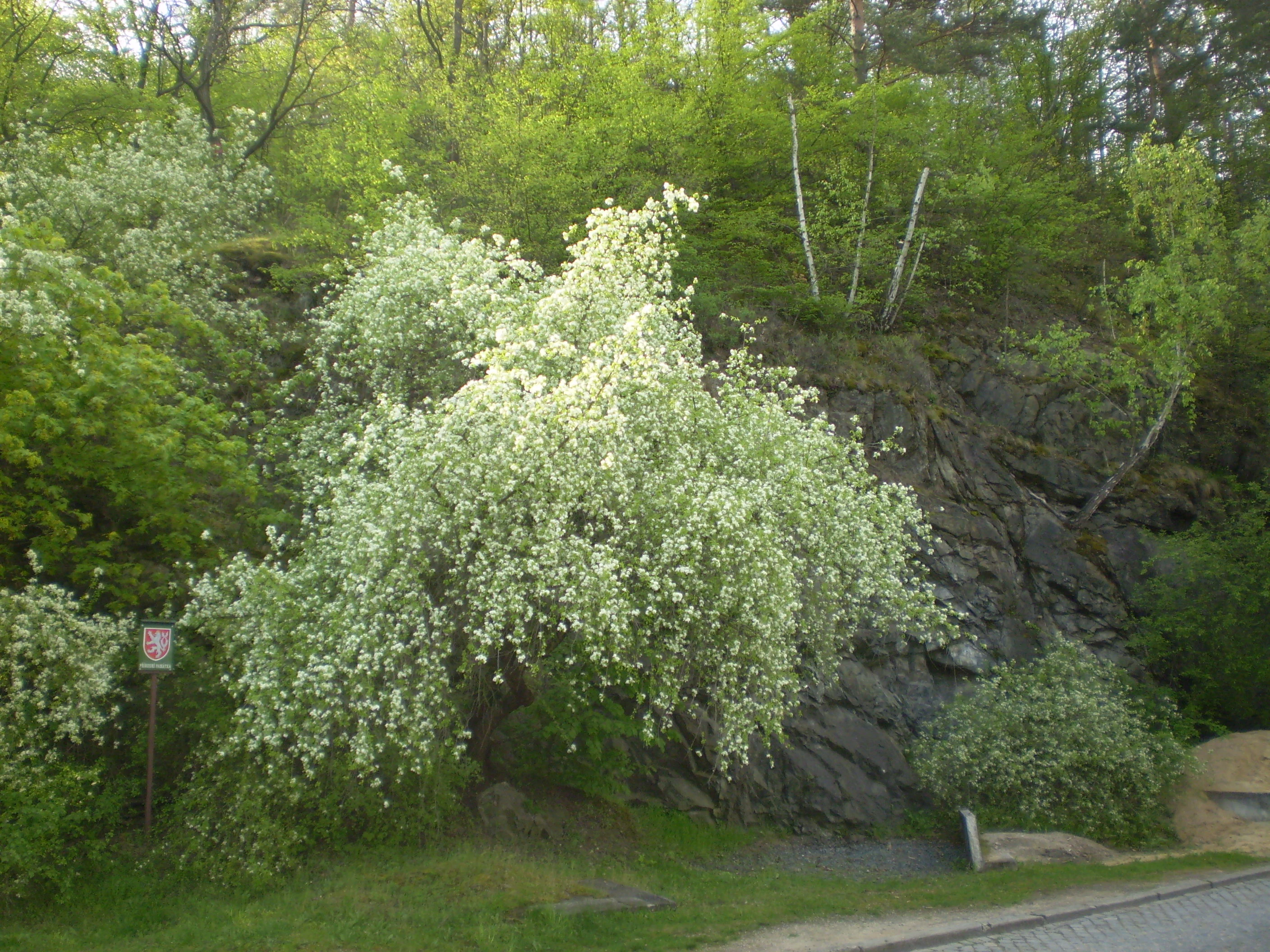
Skalky u Přehrady history and protected-area timeline
Skalky u Přehrady was officially designated as a protected natural monument on 1 May 1989. The declaration reflects the recognition of the site as a regionally important refuge for thermophilous rock-steppe vegetation and lichen communities at the very edge of the expanding city of Brno.
The broader protection effort was part of a wider inventory of small-scale natural sites in the Czech Republic during the late 1980s, when numerous small relict habitats of flora, fauna, and geological interest were formalized as přírodní památky. The protected area has subsequently been registered under nature conservation code 1457 in the national nature protection database, and it remains subject to active management that includes annual mowing of grassy patches and selective shrub clearance to maintain the open character of the rocky steppe habitats.
Skalky u Přehrady landscape and geographic character
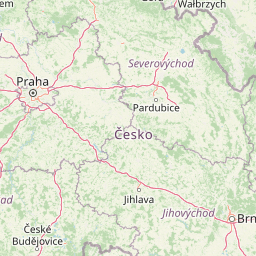
The landscape of Skalky u Přehrady is defined by the narrow, gorge-like valley of the Svratka River where it cuts through the northernmost protrusion of the Kohoutovice Highlands, just below the dam of the Brno Reservoir. The valley walls rise steeply from the river, forming two separate protected patches of rugged, rocky terrain on opposite banks.
The solid geology of the slopes consists of dark, hard amphibolitic and biotite-amphibolitic diorites of the Brno Massif, which give the rocks their characteristic blocky weathering pattern. On the ridge tops, traces of old fluvial terraces of the Svratka are preserved as scattered gravels, hinting at the long erosional history of the river as it carved its way through the resistant bedrock.
Human modification of the landscape is also visible: the slopes include anthropogenic features left by past land use. The thin, skeletal soils on the rocky diorite slopes and the arenic cambisol developed on the carbonate-free terrace gravels of the southern section create very different growing conditions within a very short distance, reinforcing the site's sharp ecological contrasts.
Skalky u Přehrady ecosystems, habitats, and plant life
The natural character of Skalky u Přehrady is shaped by an unusually sharp juxtaposition of warm, open rocky steppe and cool, shaded broadleaf woodland within a very small area. The south- and southwest-facing rocky slopes of the northern, sunnier part of the monument are dominated by the Festucion valesiacae alliance of narrow-leaved dry grasslands, with scattered shrubs and small trees scattered among open rock and grassy patches.
The shaded slopes of the southern part above the opposite riverbank support oak-hornbeam forests, dominated by hornbeam and sessile oak alongside sycamore maple, small-leaved lime, and rarer wych elm, with a shrub and herb layer typical of mesic Central European woodlands. The combined effect of these two contrasting habitats within a single narrow river valley is what gives Skalky u Přehrady its distinctive ecological identity.
Skalky u Přehrady wildlife and species highlights
The sunny, rocky northern portion of Skalky u Přehrady is recognized as a valuable entomological locality. Notable butterfly species recorded here include the blue spot hairstreak (Satyrium spini) and the orion blue (Scolitantides orion). The combination of warm, flower-rich steppe swards and scattered shrubs provides habitat for thermophilous invertebrates that are otherwise uncommon in the urbanized landscape around Brno.
The site is also home to several notable vertebrates associated with open rocky and shrubby habitats, including the sand lizard (Lacerta agilis), the smooth snake (Coronella austriaca), the Eurasian wryneck (Jynx torquilla), and the red-backed shrike (Lanius collurio). These species underline the importance of the open, warm microhabitats maintained by active management of the slopes.
Skalky u Přehrady conservation status and protection priorities
From a conservation perspective, Skalky u Přehrady represents an important relict of pre-industrial, thermophilous vegetation that has survived within the heavily urbanized and suburbanized landscape of western Brno. Its small area belies its biodiversity value, particularly for warmth-loving plants, lichens, and invertebrates that depend on open rocky steppe, a habitat type that has greatly diminished across the Czech Republic.
The site's IUCN-style designation as a protected natural monument (Category IV: Habitat/Species Management Area) reflects a focus on targeted management of key habitats and species rather than on wilderness preservation. Annual mowing of grassy patches and selective clearing of encroaching shrubs are used to maintain the open character of the steppe communities and the visibility of rock outcrops.
Pressure from high visitor numbers in this peri-urban setting has caused documented damage to soil skeleton and vegetation, and ongoing management seeks to balance public access with the protection of fragile rocky substrates and rare species communities. Its location in the Bystrc and Kníničky cadastral areas, immediately adjacent to the Brno Reservoir, also makes the site relevant to discussions about preserving biodiversity within intensively used recreational landscapes.
Top sights and standout views in Skalky u Přehrady
The principal highlights of Skalky u Přehrady center on its rare-for-the-region thermophilous rock-steppe flora, including Pulsatilla grandis and Campanula moravica, growing alongside Festuca valesiaca and Stipa dasyphylla dry grasslands. The contrast between the warm, open south-facing slopes and the shaded oak-hornbeam woodland on the northern slopes creates a forest-steppe mosaic of unusually high ecological interest within the city-region.
The site's rugged diorite cliffs of the Brno Massif, its relict Svratka River terrace sediments, and its combination of thermophilous butterflies, sand lizard, smooth snake, and breeding birds such as the wryneck and red-backed shrike together make this tiny, peri-urban protected area a meaningful natural heritage site for both conservation and local landscape identity.
Best time to visit Skalky u Přehrady
The site can be appreciated throughout the milder months of the year, when open access along the Svratka valley trails below the Brno Reservoir is easiest. Late spring, when pasqueflowers, bellflowers, and many dry-grassland herbs reach peak bloom, is particularly rewarding for observing the thermophilous steppe vegetation and associated butterflies.
Summer brings the full expression of the narrow-leaved dry grasslands and warmest conditions on the rocky slopes, while early autumn offers a chance to see the steppe communities in their seed-bearing state, often with clear views of the surrounding Brno Reservoir landscape. Because the monument lies in a peri-urban area with very small, fragile rocky patches, visitors are encouraged to stick to established paths to avoid further disturbance.