
Why Soběchlebské terasy stands out
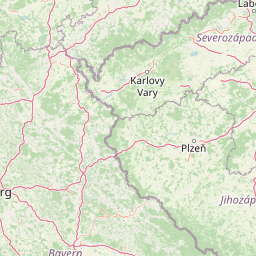
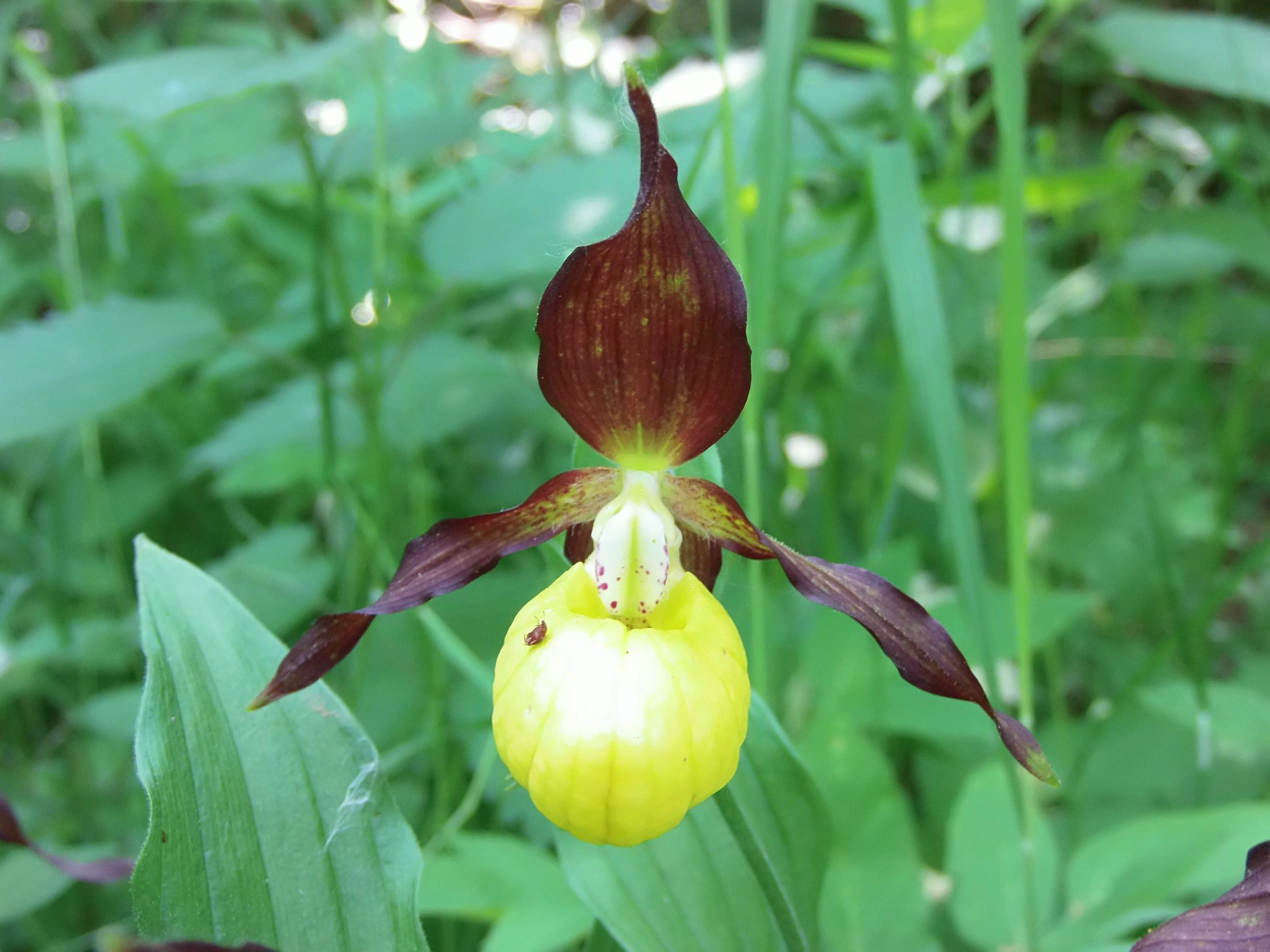
The protected area is best known for its population of the lady's slipper orchid (Cypripedium calceolus), one of Europe's most striking and rarest wild orchids, growing in a deep wooded ravine in the northwestern Czech Republic. This relatively small site is recognized as a European Significant Site precisely because of this species, and the warm-loving oak forest community that supports it. The slender ravine of the Černocký stream, with its rocky steps and sheltered microclimate, is what makes it possible for such a threatened orchid and several other woodland orchids to thrive here in numbers that are unusual for the region.
Soběchlebské terasy history and protected-area timeline
Soběchlebské terasy was formally declared a protected natural monument on 2 June 2011 by the Regional Authority of the Ústecký Region. Its proclamation followed the recognition of the locality as a Site of European Importance under the Natura 2000 framework, owing to its population of the critically endangered lady's slipper orchid.
The site is not associated with any earlier historical protection designation. Its establishment reflects the late 2000s and early 2010s push in the Czech Republic to formalize the protection of small but biologically important localities, especially those supporting threatened plant species at the European level. There is no indication that the area was the subject of significant earlier conservation activity before this official designation.
In practical terms, listing as a přírodní památka means the area receives legal protection against activities that could alter the habitat conditions on which its rare flora depends, particularly the forest composition and the microclimate of the ravine.
Soběchlebské terasy landscape and geographic character
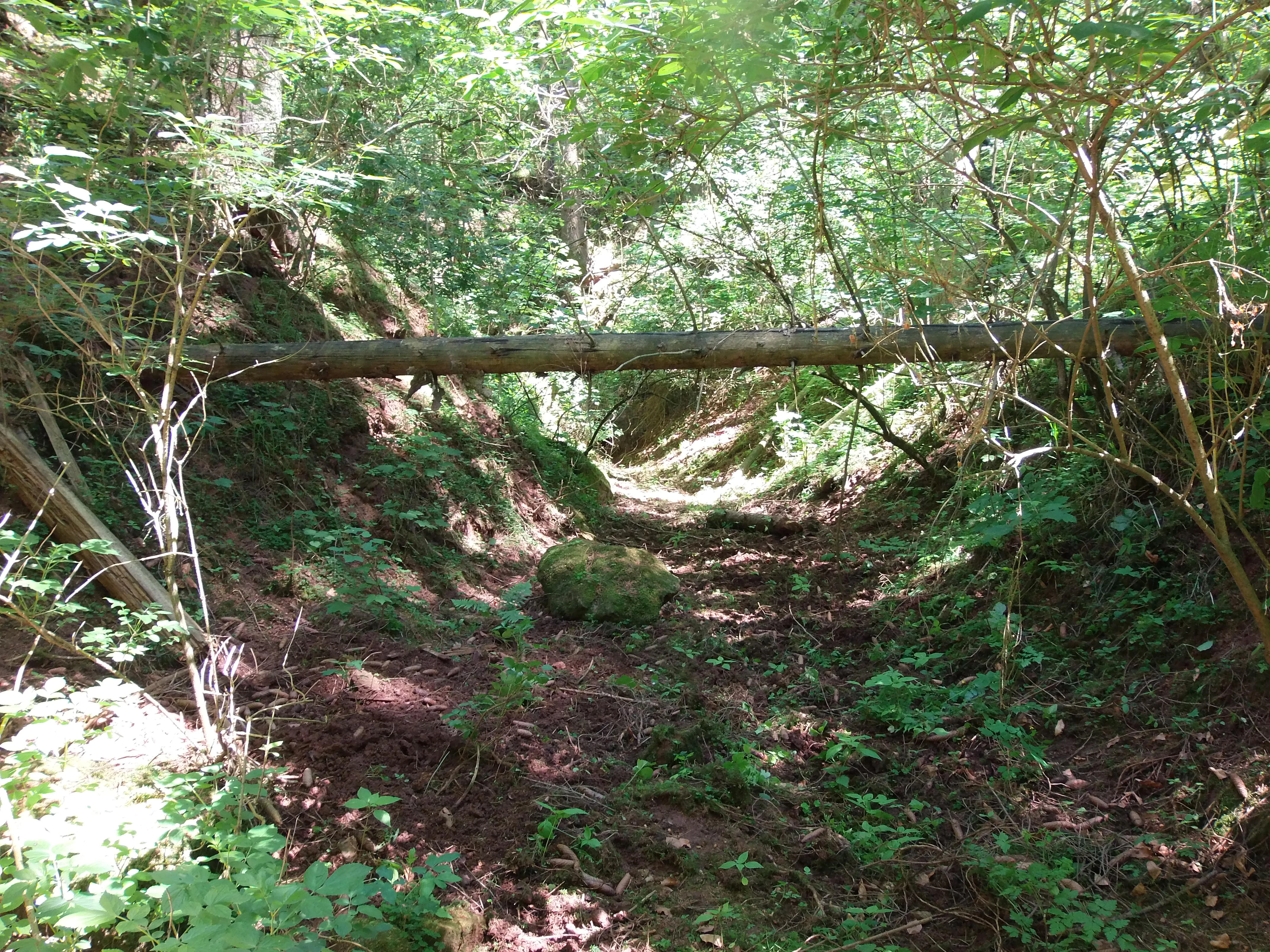
The landscape character of Soběchlebské terasy is defined above all by its deep, narrow ravine. The Černocký stream has carved into the bedrock to create a steep-sided valley with rocky steps along the streambed and a sequence of small terraces and sloped benches on either side. These terraces, which give the protected site its name, are partly natural in origin and partly shaped by past land use, but they now form a defining structural feature of the locality.
The site sits at an elevation of roughly 340 to 374 meters above sea level, which places it within the lower hill country of northwestern Bohemia. Although the surrounding region is dominated by rolling agricultural land and open villages, the ravine itself feels markedly different: cooler, more shaded, and structurally complex, with vertical rock faces, soft talus, and layered steps of woodland interspersed with patches of exposed soil and stone. This combination of sheltered topography and varied slope exposure is precisely the kind of setting that supports both thermophilic woodland plants and, in particular, moisture-sensitive orchids.
Soběchlebské terasy ecosystems, habitats, and plant life
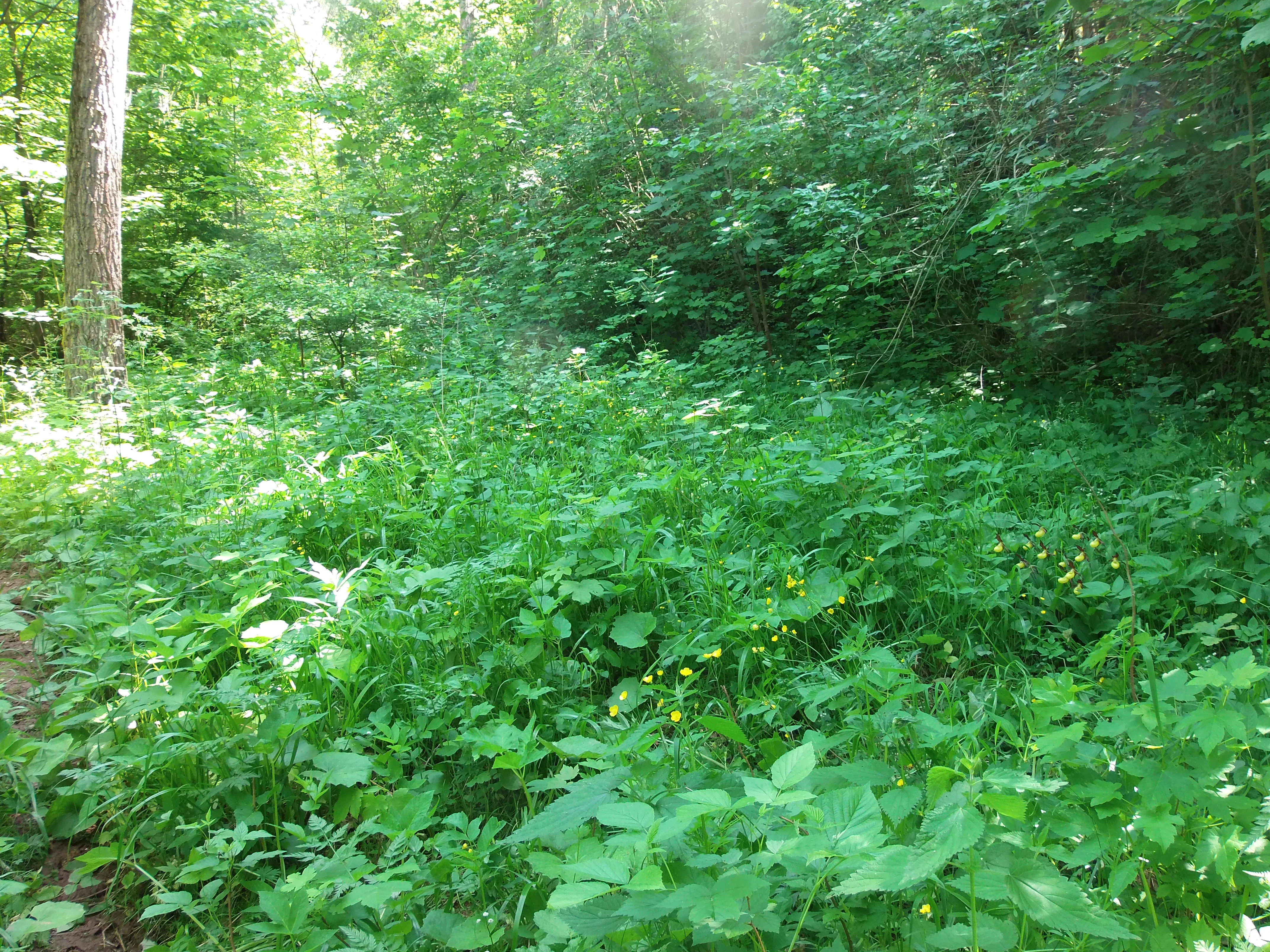
Ecologically, Soběchlebské terasy is best understood as a fragment of warm-loving oak forest vegetation, a community that historically occupied many of the warmer, low-elevation hill landscapes of Central Europe but is now reduced to scattered patches. The site's tree layer combines broadleaf species with a notable admixture of conifers, producing a structurally diverse mixed woodland that is relatively unusual for this part of the Czech Republic.
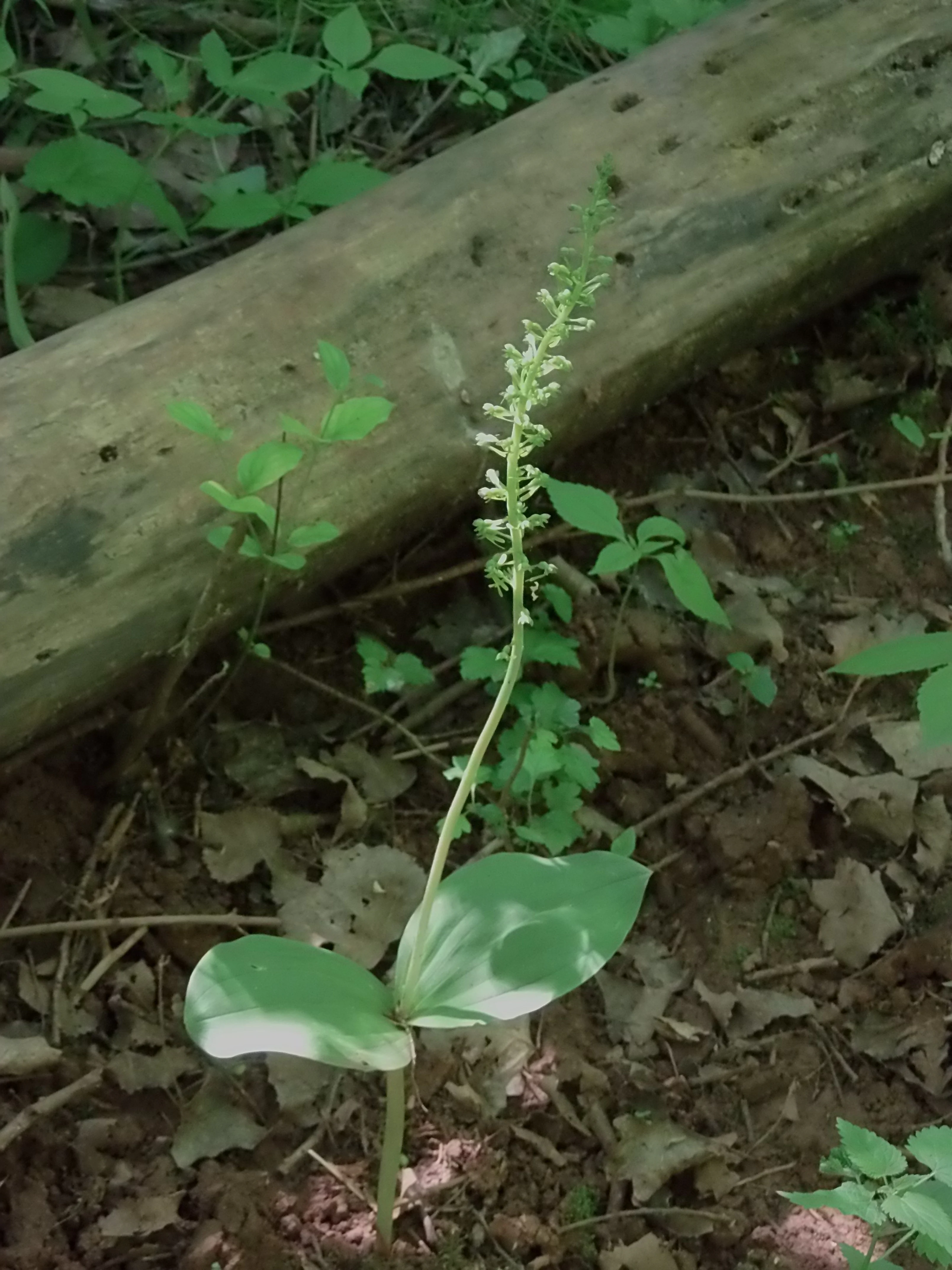
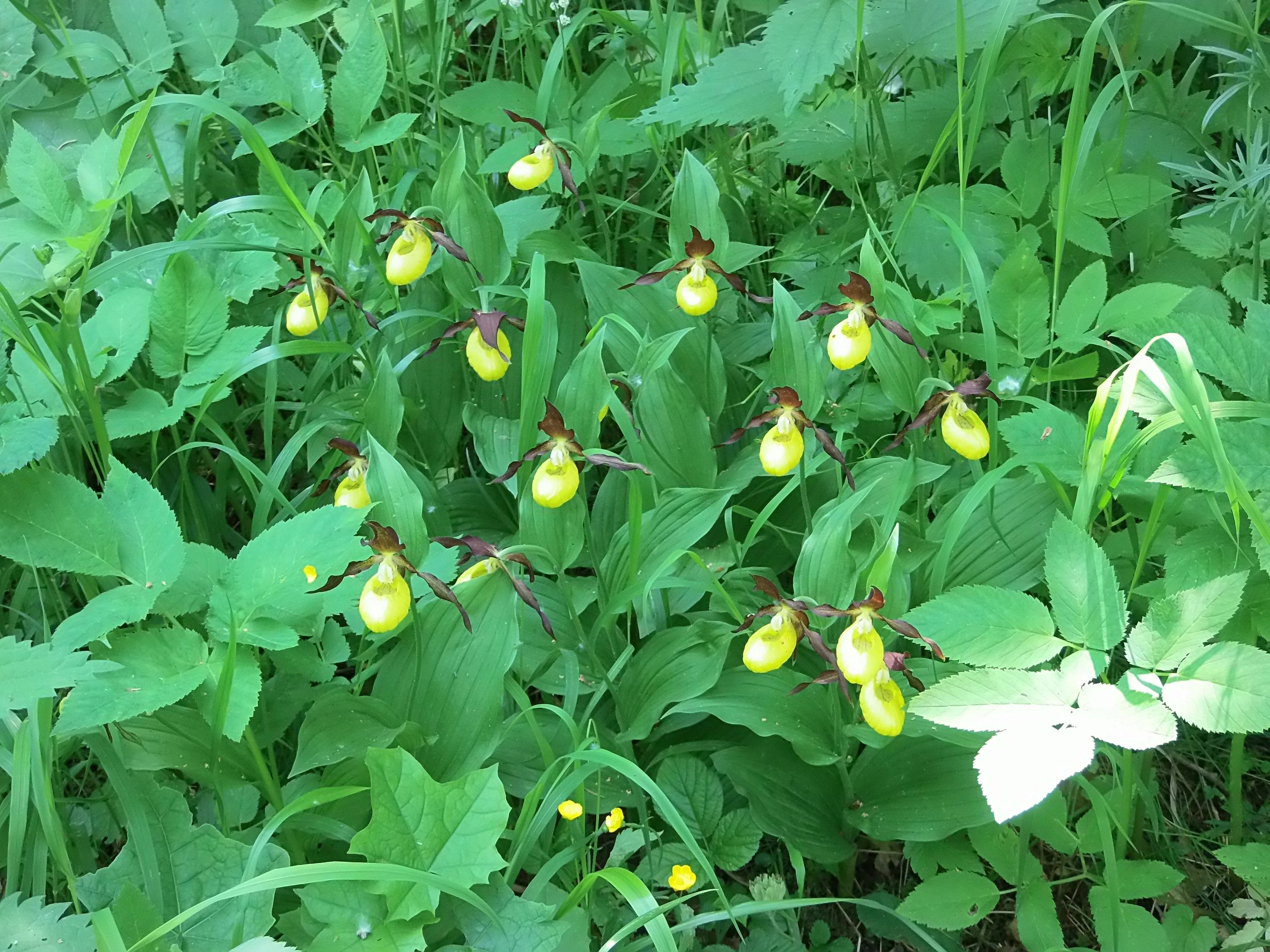
The herb layer is the most distinctive ecological feature of the site. It corresponds closely to the plant community of thermophilic oak woodland (teplomilná doubrava), and is notable for the abundance of orchids, especially the lady's slipper orchid, in a setting where such species are often only present in much smaller numbers. The co-occurrence of multiple orchid species, including common twayblade and recorded white helleborine, suggests that the valley offers a stable, long-undisturbed woodland environment in which slow-growing woodland specialists can persist.
Microclimate plays a central role. The north-south to northeast-southwest orientation of parts of the ravine, combined with the rocky ground and tree cover, creates shaded, humid conditions near the streambed while still allowing enough light to reach the slopes for warm-loving species to thrive. This juxtaposition of microclimates in a very small area is a key reason why the protected site holds such ecological richness.
Soběchlebské terasy wildlife and species highlights
Soběchlebské terasy is primarily a botanical site rather than a wildlife site in the popular sense, and the available sources focus on its plant communities rather than on mammals, birds, or insects. Although the ravine and mixed forest almost certainly host typical woodland fauna such as small mammals, woodland birds, and invertebrate communities associated with oak woodland, the protected designation is specifically driven by rare plant species rather than animals.
The single most discussed wildlife element is the lady's slipper orchid (Cypripedium calceolus), a flagship species for orchid conservation in Europe. With around 70 documented individuals in the locality, this represents an unusually strong population at the regional scale and is the central reason the site has been incorporated into the European ecological network. The common twayblade (Listera ovata) is described as abundant at the site, and white helleborine (Cephalanthera damasonium) is also reported in the literature.
Soběchlebské terasy conservation status and protection priorities
Conservation significance at Soběchlebské terasy centers on the protection of a fragment of warm-loving oak forest that supports a strong population of the critically endangered lady's slipper orchid, a species that has declined severely across much of Europe. The site's recognition as part of the Natura 2000 network reflects a specifically European-scale conservation concern rather than a purely local one.
Because the protected area is small, around 2.64 hectares, its conservation value lies in quality and integrity rather than in size. Maintaining the existing tree composition, avoiding changes that would alter the ravine's microclimate, and protecting the woodland against excessive disturbance are central concerns. The area is classified under IUCN Category IV as a Habitat/Species Management Area, an appropriate designation for a small site managed primarily to conserve a specific species and its supporting habitat.
The protected monument status provides legal protection against habitat alteration, although the actual day-to-day conservation of the orchid population depends heavily on the forest's continued stability and the absence of major disturbances such as intensive logging, soil erosion, or changes to hydrology in the Černocký stream valley.
Soběchlebské terasy cultural meaning and human context
The settlement of Soběchleby, after which the site is named, lies within the historically agricultural landscape of the Louny district. The region is characterized by long-established rural communities whose land use has shaped the surrounding countryside for centuries, although the protected ravine itself was generally outside the zone of intensive cultivation and has retained woodland cover.
There is no documented association of the site with major cultural or heritage monuments, sacred sites, or indigenous traditions beyond the broader rural character of the Bohemian countryside. The place therefore carries modest cultural significance, primarily as a recognizable natural landmark within the local landscape near Soběchleby.
Top sights and standout views in Soběchlebské terasy
Soběchlebské terasy stands out not because of size or dramatic scenery, but because of the unusually rich botanical composition of its tiny wooded ravine. Its highlights include a steep, stepped valley carved by the Černocký stream, a mixed forest of oaks, elms, birches, and conifers, and one of the more noteworthy lady's slipper orchid populations in the Ústecký Region.
Best time to visit Soběchlebské terasy
Late spring and early summer is generally the most rewarding period to visit a site like Soběchlebské terasy, as this is when the lady's slipper orchid and other woodland orchids come into flower. At this time, the ravine floor is shaded but the surrounding forest is in full leaf, and the combination of mild temperatures and stable woodland conditions is most favorable for the site's characteristic flora. Outside the flowering season, the site is less visually distinctive, although its forested ravine setting remains pleasant at any time when access is feasible.