Mori Atlas logo
Nature reserveSteinbach

Analyzing the mapped boundaries, forest communities, and mountain meadow ecosystems of the region

Steinbach Nature Reserve: A Protected Landscape within the Saxon Ore Mountains Geography

(Naturschutzgebiet Steinbach)

Steinbach Nature Reserve represents a critical protected landscape within the higher elevations of Saxony. Situated along the Ore Mountains ridge, this area provides a rich mosaic of Hainsimsen beech forests, slope woodlands, and traditional mountain hay meadows that sustain rare flora. The reserve maintains essential ecological connectivity between the Steinbach and Rothenbach streams, functioning as a vital component of the regional conservation network in the upper Preßnitz catchment.

nature reserveErzgebirgeSaxon Ore Mountainsbeech forestmountain hay meadowsNatura 2000

Steinbach

Nature reserve

Park overview

Structured park overview, official facts, and landscape profile for Steinbach Nature Reserve

Steinbach Nature Reserve park facts, protected area profile, and essential visitor context

Review the core facts for Steinbach Nature Reserve, including designation, size, terrain, visitor scale, habitats, and operating context in one park-focused overview.

About Steinbach Nature Reserve

Steinbach Nature Reserve is a small but ecologically significant protected area in the Saxon Ore Mountains, near the border with the Czech Republic. It is administered under the German Naturschutzgebiet designation and integrates cultural landscape elements with valuable forest habitats, creating a mosaic of land cover types typical of long-established mountain regions in central Europe.

Geographically, the reserve sits in the upper Preßnitz catchment, occupying valleys and ridge areas west of Reitzenhain and around the village of Steinbach. The terrain lies within the natural region described as the "Höhenrücken an der oberen Preßnitz" (high ridge along the upper Preßnitz), and is characterized by sloping valley sides, small forest streams, and traditional grassland patches. The two parts of the reserve straddle the state road running through the Haselbach valley, while the Rothenbach stream forms part of the northern boundary and the Steinbach stream flows through the southern section.

Ecologically, the area is valued for the diversity of its near-natural woodland communities, including Luzulo-Fagenion beech forests, mixed slope forests, and softwood floodplain forests along the small stream courses. Open habitats consist of traditional mountain hay meadows that have been shaped by centuries of agricultural use. Together these form a connected landscape of ecological, historical, and regional importance, and the reserve provides habitat continuity within the broader Natura 2000 framework of the Erzgebirgskamm.

Quick facts and research context for Steinbach Nature Reserve

Steinbach is a German nature reserve (Naturschutzgebiet) located in the Erzgebirgskreis district of Saxony, classified under IUCN Category IV as a Habitat/Species Management Area. It was formally designated through a decree of the Regierungspräsidium Chemnitz in January 2008, although a portion of the area had already been under protection since 1961.

The reserve covers roughly 440 hectares and is part of the EU Natura 2000 network through the FFH site "Buchenwälder bei Steinbach" (DE 5444-301) and the Special Protection Area "Erzgebirgskamm bei Satzung." Its official German designation number is C 28, and it spans parts of the Jöhstadt and Marienberg municipal areas in the upper Preßnitz river system near the Czech border.

Protection and recognition

Documented terrestrial boundaries, designation history, and Natura 2000 records

Steinbach Protection Status and Official International Recognition Data

Terrestrial protection status for Steinbach includes official designation records established in 2008 alongside verified Natura 2000 recognition. Structured conservation metadata outlines management frameworks and recognized boundaries without administrative speculation.

International recognition

Protection details

Protection scope
Terrestrial
Designated year
2008
Transboundary protection
No
WDPA ID
14527
Park context

Deeper park guide and search-rich context for Steinbach Nature Reserve

Steinbach Nature Reserve history, landscape, wildlife, and travel context

Explore Steinbach Nature Reserve through its history, landscape character, ecosystems, wildlife, conservation priorities, cultural context, and seasonal travel timing in a structured park guide built for atlas discovery and search intent.

Why Steinbach Nature Reserve stands out

Steinbach Nature Reserve is known for its combination of species-rich mountain hay meadows and forest habitats of European conservation importance. It preserves examples of Hainsimsen beech forests, slope and ravine mixed forests, and alder-ash floodplain woodlands, along with valuable spruce and mixed spruce stands that function as ecological connectors in the Ore Mountains landscape. The reserve is also notable for rare and threatened plant species such as silver fir, the green woodland orchid (Platanthera chlorantha), and the peat moss Sphagnum warnstorfii. These species occur within the richly structured mosaic of forest and grassland communities along the Steinbach and Rothenbach streams, giving the area particular value for botanical conservation and ecological research.

Steinbach Nature Reserve history and protected-area timeline

The Steinbach reserve's history reflects a layered approach to conservation in Saxony. A portion of the present-day protected area was placed under protection as early as 1961, reflecting the region's early recognition as a valuable cultural-natural landscape worth preserving from more intensive postwar land use changes.

The modern form of the reserve was established in January 2008 through a formal decree issued by the Regierungspräsidium Chemnitz. This legal designation consolidated the earlier protection with additional areas and codified the conservation objectives, which focus on maintaining and restoring favorable conditions for habitats of Community interest under the European Habitats Directive, as well as rare and threatened plant species of the Ore Mountains.

Inclusion of the area within the European Natura 2000 network further strengthened its conservation status, both as an FFH site ("Buchenwälder bei Steinbach") and as a component of the Special Protection Area "Erzgebirgskamm bei Satzung." This dual designation tied the regional reserve into the larger transnational framework for protecting mountain forest and meadow habitats in central Europe.

Steinbach Nature Reserve landscape and geographic character

Steinbach Nature Reserve lies within the upper ridges and valleys of the Saxon Ore Mountains, along the watershed toward the Czech border. The landscape is characterized by a rolling highland topography with broad forest ridges dissected by narrow valleys carved by small mountain streams such as the Steinbach and Rothenbach, both of which belong to the Preßnitz river system.

The two protected sections are separated by a state road, but they share a common natural setting defined by valley slopes, forest edges, and patches of traditional meadowland. To the east, the protected area borders the international border with the Czech Republic, and to the west it is framed by additional state roads and adjacent forest land. Natural regional classification places the reserve within the "Steinbacher Talrand und Riedelgebiet" micro-geochore and the broader "Höhenrücken an der oberen Preßnitz" mesogeochore, indicating its position on a transitional ridge landscape shaped by long-term erosion and forest cover.

Steinbach Nature Reserve ecosystems, habitats, and plant life

The natural character of Steinbach Nature Reserve is defined by a high degree of habitat diversity in a relatively compact area. The protected habitats include mountain hay meadows (LRT 6520), Luzulo-Fagenion beech forests (LRT 9110), slope and ravine mixed forests (LRT 9180), and alder-ash softwood floodplain forests (LRT 91E0), all of which are habitats of Community interest under the EU Habitats Directive.

Spruce and mixed spruce forests in various developmental stages also occur throughout the reserve, providing ecological connectivity between the core habitat types and supporting biodiversity across the broader landscape. The mosaic of forest, meadow, and stream-side vegetation creates a complex ecological pattern that supports both generalist species and habitat specialists. The reserve's combination of late-successional forest patches and traditionally managed open land reflects a centuries-long interplay between natural processes and low-intensity human land use.

Steinbach Nature Reserve wildlife and species highlights

Steinbach Nature Reserve provides habitat for fauna typical of central European mountain forests and meadow landscapes, although the available documentation emphasizes habitat protection more than detailed species inventories. The mosaic structure of varied forest types interspersed with open meadows along the Steinbach and Rothenbach streams creates conditions favorable for woodland bird species, small forest mammals, and insects associated with both old-growth forest features and species-rich grassland habitats.

Because the reserve falls within the Special Protection Area "Erzgebirgskamm bei Satzung" under the EU Birds Directive, its birdlife is part of a broader conservation framework that recognizes the Erzgebirgskamm as important for protecting montane bird communities. The combination of structurally rich deciduous and mixed forests with open meadows supports a range of breeding, foraging, and migratory species typical of the higher elevations of the Saxon Ore Mountains, although the source material does not provide specific species lists.

Steinbach Nature Reserve conservation status and protection priorities

Steinbach's conservation importance stems from its position within the European Natura 2000 network and its role in preserving habitats and species of Community interest. The reserve is formally designated as part of the FFH site "Buchenwälder bei Steinbach" (DE 5444-301) and contributes to the Special Protection Area "Erzgebirgskamm bei Satzung," connecting it to transnational conservation goals for mountain forest and meadow ecosystems.

The legal protection order issued by the Regierungspräsidium Chemnitz in 2008 establishes specific conservation objectives, including the maintenance, restoration, and favorable development of habitats such as mountain hay meadows, beech forests, slope forests, and softwood floodplain forests. The reserve also aims to conserve rare and threatened plant species, including silver fir, green woodland orchid, and the peat moss Sphagnum warnstorfii, along with the vegetation communities in which they occur.

The conservation framework further emphasizes the preservation of the area's unique landscape potential and ecological communities for scientific, natural history, and regional research purposes. Through its combination of formal national protection and inclusion in European habitat and bird protection frameworks, Steinbach plays an integrative role in maintaining ecological connectivity and habitat quality across the upper Preßnitz region of the Erzgebirge.

Steinbach Nature Reserve cultural meaning and human context

The land around Steinbach has been shaped by centuries of traditional rural use, which has produced the mix of forest, meadow, and stream-side habitats that characterize the modern reserve. Mountain hay meadows, in particular, reflect a long-standing cultural practice of seasonal mowing in the higher elevations of the Ore Mountains, and their preservation in the reserve represents both an ecological and a cultural heritage value.

The villages of Steinbach and Reitzenhain, which anchor the geographic setting of the reserve, are part of the historic settlement pattern of the Saxon Ore Mountains, a region historically tied to mining, forestry, and small-scale agriculture. The integration of these traditionally managed landscapes into a modern conservation framework illustrates the regional importance of preserving the cultural-natural character of the Erzgebirge alongside the protection of natural habitats.

Top sights and standout views in Steinbach Nature Reserve

Steinbach Nature Reserve offers a compact but ecologically rich representation of Saxon Ore Mountains landscapes, combining protected forest communities of European importance with traditionally managed mountain hay meadows. Its mosaic of beech, slope, floodplain, and spruce forests supports rare plant species and provides valuable habitat connectivity within the upper Preßnitz catchment.

The reserve's dual integration into Natura 2000 through both the FFH and Birds Directive frameworks gives it recognition beyond its regional scale, situating it within the larger conservation strategy for the Erzgebirgskamm. This combination of formal protection status, ecological diversity, and cultural landscape character makes Steinbach a meaningful example of integrated mountain conservation in Saxony.

Best time to visit Steinbach Nature Reserve

The most rewarding seasons to experience the character of the Steinbach landscape are late spring and summer, when the mountain hay meadows reach their floristic peak and the forest understory is fully developed. These months highlight the contrast between the flowering meadows and the dense woodland communities that define the reserve.

Autumn brings its own appeal for those interested in the broader Ore Mountains scenery, with the mixed beech and spruce forests showing seasonal color changes. Winter visits can offer a quieter experience of the forested valleys and ridge landscapes, though deep snow and cold temperatures at higher elevations can make access more difficult. As a small protected area primarily managed for conservation rather than tourism, visitors should generally expect low-intensity, landscape-oriented experiences rather than developed visitor infrastructure.

Monthly climate preview

Track monthly precipitation averages and historical temperature ranges for Steinbach.

Steinbach Climate Normals and Long-Term Temperature Patterns

Historical records from 1991 to 2020 document long-term average temperature variations and monthly precipitation rates across the Steinbach representative coordinate. Detailed twelve-month climatology data allows researchers to examine complete seasonal temperature extremes and precipitation distributions in depth.
Annual mean7 °C
-3 °C18 °C
Jan-3°
Feb-2°
Mar
Apr
May12°
Jun16°
Jul18°
Aug18°
Sep13°
Oct
Nov
Dec-2°
Warmest month
July

17.8 °C

Coolest month
January

-2.7 °C

Wettest month
July

2.7 mm/day

Driest month
April

1.4 mm/day

Park location guide

Geography guide, regional context, and park location map for Steinbach Nature Reserve

Steinbach Nature Reserve park geography, regions, and map view in Germany

Understand where Steinbach Nature Reserve sits in Germany through a broader geographic reading of the surrounding landscape, nearby location context, and its mapped position within the national park landscape.

How Steinbach Nature Reserve fits into Germany

Germany is a federal republic in Western and Central Europe with a population of over 83 million across sixteen constituent states. It is Europe's largest economy by nominal GDP and a major global exporter and importer. The capital is Berlin, and the country borders Denmark, Poland, Czech Republic, Austria, Switzerland, France, Luxembourg, Belgium, and the Netherlands.

Wider geography shaping Steinbach Nature Reserve in Germany

Germany is located in Western and Central Europe, spanning 357,022 km². It borders Denmark to the north, Poland and the Czech Republic to the east, Austria and Switzerland to the south, and France, Luxembourg, Belgium, and the Netherlands to the west. The country has coastlines on the Baltic Sea and North Sea to the north, with the Alps located in the southern region.

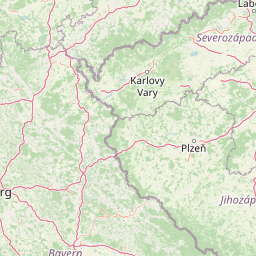
Map view of Steinbach Nature Reserve

Use this park location map to pinpoint Steinbach Nature Reserve in Germany, understand its exact geographic position, and read its mapped placement within the surrounding landscape more clearly.

Pigeon | © OpenStreetMap contributors

Location context for Steinbach Nature Reserve

Saxony
Park atlas

Compare nearby national parks and connected forest landscapes in the Saxon uplands

Parks Near Steinbach and Protected Areas Across the Surrounding Ore Mountains Region

Browsing other protected areas near Steinbach reveals the broader ecological network of the Saxon Ore Mountains. Comparing adjacent forest reserves and mountain valleys provides vital geographic context for regional conservation terrain.
A horizontal watercolor painting showing a soft, atmospheric landscape with a marshy pool in the foreground, grassy plains in the midground, and rolling mountains in the distance.
Nature reserveÚstecký kraj
About 6.3 km away#1 closest

South

Prameniště Chomutovky: Nature Reserve Boundaries and Regional Landscape Context

Protected peatland ecosystems in the Czech Republic

Prameniště Chomutovky serves as a pivotal protected area in the Ore Mountains, characterized by its deep peat deposits and open bog-pine mosaics. This documentation of the reserve includes its role as a black grouse habitat, its connection to the Novodomské rašeliniště network, and the distinct geomorphology that shapes its montane environment.

Area
18.82 km²
Established
2012
IUCN
IV
Relief
Mountain
A horizontal watercolor painting depicting a soft-focus landscape with rolling green meadows, distant hills, and patches of trees.
Natural monumentÚstecký kraj
About 9.7 km away#2 closest

South

Na loučkách II Natural Monument: Mapped Geography and Protected Upland Landscapes

Conservation areas in the Ore Mountains of the Ústecký kraj

Na loučkách II encompasses a substantial upland territory in the Czech Republic, characterized by a mix of peatland basins, heathland, and montane meadow mosaics. This natural monument serves as an essential ecological link within the Ore Mountains, protecting diverse highland terrain and supporting sensitive habitats in the Ústecký kraj administrative region.

Area
6.623 km²
Established
2013
IUCN
IV
Relief
Highland
Nature reserveÚstecký kraj
About 19 km away#3 closest

Southwest

Vápenka v Háji u Loučné pod Klínovcem: Nature Reserve and Calcareous Landscape Map

Examining rare flora and industrial heritage in Ústecký kraj.

Vápenka v Háji u Loučné pod Klínovcem protects an 8.37 hectare site defined by its unusual dolomitic geology and history of lime extraction. This landscape hosts a specialized assemblage of critically endangered fungi and plants, offering a distinct contrast to the acidic soils of the surrounding Ore Mountains.

Area
0.084 km²
Established
2024
IUCN
IV
Relief
Mountain
A watercolor painting showing a calm lake or pond surrounded by wetland vegetation, tall grasses, and distant rolling hills.
Nature reserveÚstecký kraj
About 21 km away#4 closest

Southeast

Pražská pole Nature Reserve: An Atlas of Wetland Recovery in Ústecký kraj

Protected wetland landscapes in the Czech Most Basin

Pražská pole is a remarkable nature reserve in the Ústecký kraj region, serving as a testament to natural recovery following deep brown coal mining. The site features a network of ten flooded subsidence depressions that host diverse aquatic communities, including specialized amphibians and dragonflies. This protected area offers significant value for understanding how industrial legacies transform into functional, high biodiversity wetland ecosystems within the Czech landscape.

Area
1.14 km²
Established
2024
IUCN
IV
Water
Major water bodies
Nature reserveSachsen
About 24 km away#5 closest

Southwest

Fichtelberg Nature Reserve: Mapped Protected Landscapes and Geography of the Saxon Erzgebirge

High-altitude mountain meadows, subalpine mires, and rare periglacial landforms.

Fichtelberg Nature Reserve protects a mosaic of high-altitude habitats across the Erzgebirge mountain range. This area features rare Nardus grasslands, spruce forests, and waterlogged mire systems. The landscape is defined by its complex ice-age legacy, containing notable frost-patterned ground structures that provide an essential window into the natural history of Saxony.

Area
2.09 km²
Established
2008
IUCN
IV
A watercolor painting showing a rolling landscape with green hills, scattered trees, blossoming pink trees, and several large dark boulders in the foreground.
Natural monumentÚstecký kraj
About 24 km away#6 closest

South

Sluňáky Natural Monument: Geological Mapping and Protected Landscape Context

A preserved quartzite boulder field in the Ústecký kraj

Sluňáky represents a vital geological record within the Czech Republic, encompassing a distinctive group of silicified sandstone boulders. This natural monument serves as an important protected territory that illustrates the intersection of Tertiary geology and historical industrial extraction. The surrounding terrain reflects the complex volcanic and sedimentary history of the Doupovské hory foothills.

Area
0.032 km²
Established
1966
IUCN
III
Relief
Upland
Natural monumentKarlovarský kraj
About 27 km away#7 closest

South

Malý Stolec Natural Monument: Volcanic Landscape and Regional Protected Area Atlas

Exposing neovolcanic rock and ancient feeder conduits in Karlovarský kraj

Malý Stolec provides a focused view into the volcanic processes of the Doupovské hory. This natural monument displays rare geologic features including columnar jointing, coarse agglomeratic tuffs, and an intruded lava body. Its location on the southern slopes above the Ohře river offers a distinct landscape character that demonstrates how localized protected areas contribute to broader European conservation frameworks.

Area
0.06 km²
Established
2016
IUCN
IV
Relief
Mountain
Nature reserveÚstecký kraj
About 27 km away#8 closest

South

Vinařský rybník Nature Reserve: Geographic Map and Protected Wetland Landscape

Lowland basin geography and habitat boundaries in Ústecký kraj.

Vinařský rybník represents a vital nature reserve and lowland wetland in the Ústecký kraj region, showcasing a distinct landscape of shallow ponds, reedbeds, and alluvial sediments. This site forms a key component of the regional avian habitat network, offering a concentrated look at the geological and hydrological features of the Žatecká pánev basin through detailed landscape mapping.

Area
0.151 km²
Established
1990
IUCN
IV
Relief
Upland

Common questions about visiting, size, designation, and location context for Steinbach Nature Reserve

Steinbach Nature Reserve FAQs for park facts, access, geography, and protected area context

Find quick answers about Steinbach Nature Reserve, including protected-area facts, park geography, trail and visitor context, and how the park fits into its surrounding country and regional landscape.
MoriAtlas Explorer

Continue Your Protected Areas Search Across the Global Atlas

Deepen your exploration by continuing the structured search for national parks and protected areas worldwide. Utilize the comprehensive filtering capabilities to compare different conservation landscapes and refine your understanding of global park geography. Discover more about the distribution and characteristics of protected natural areas.

Global natural geography