
Why Vinice Natural Monument stands out
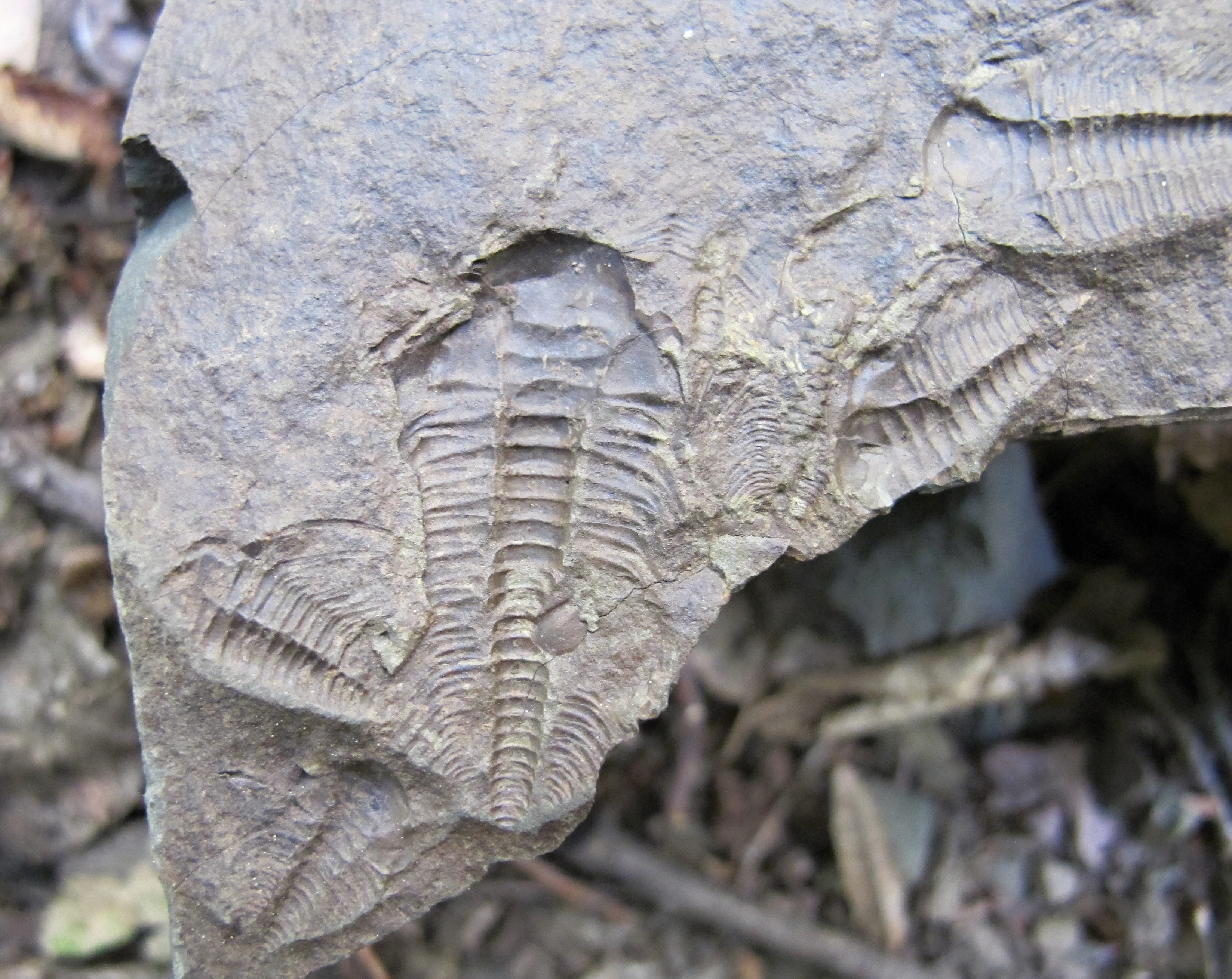
Vinice is best known for its Cambrian stratigraphic section and exceptionally rich trilobite fauna. The exposed rocks of the Jince Formation, deposited when the region lay beneath a shallow Cambrian sea, preserve a continuous record of biostratigraphic zones that has been studied since the late 18th century. The locality is internationally famous through the work of geologist Joachim Barrande in the 19th century and continues to attract scientific interest for its trilobite genera, most notably Paradoxides and Hydrocephalus, as well as brachiopods, bivalved arthropods, echinoderms, molluscs, primitive algae, hyoliths, and other Cambrian marine organisms.
Vinice Natural Monument history and protected-area timeline
The broader Brdy highlands and the Hřebeny ridge have been inhabited since prehistoric times, with archaeological evidence from the Mesolithic, Neolithic, and Eneolithic periods documented at the nearby hill of Plešivec. The Litavka valley served as an important transit corridor across the highlands for thousands of years.
From the late 18th century, the area underwent significant industrial change driven by ironworking. Ironmaking, recorded in the region as early as 1390, expanded rapidly in the 1700s and led to local deforestation. At Vinice specifically, historical records suggest that timber, quartzite, and possibly iron ore were extracted. Between 1806 and 1852, an attempt was reportedly made to grow grapevines on the site, which is thought to explain the place name Vinice, meaning vineyard, although the poor soils and lack of moisture made viticulture unsuccessful.
The scientific story of the site began in the second half of the 18th century, when its fossil-rich rocks attracted naturalists. In the 19th century, the eminent geologist and palaeontologist Joachim Barrande conducted detailed studies of the Cambrian fossils at Vinice, helping to establish the locality as one of the world's most important Cambrian reference sections. The growing threat of unregulated fossil collecting, combined with pressure on the surrounding vegetation, ultimately led the Příbram District Office to formally protect the area as a přírodní památka on 30 April 1999.
Vinice Natural Monument landscape and geographic character
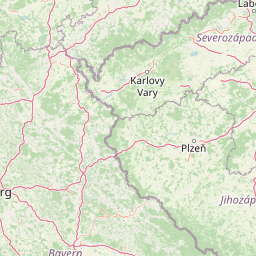
Vinice occupies a steep, rocky, southwest-facing slope on the right bank of the Litavka River, just upstream of the town of Jince. The protected area rises from roughly 372 metres above sea level at the river margin to about 506 metres at the upper edge, looking out toward the Brdy highlands.
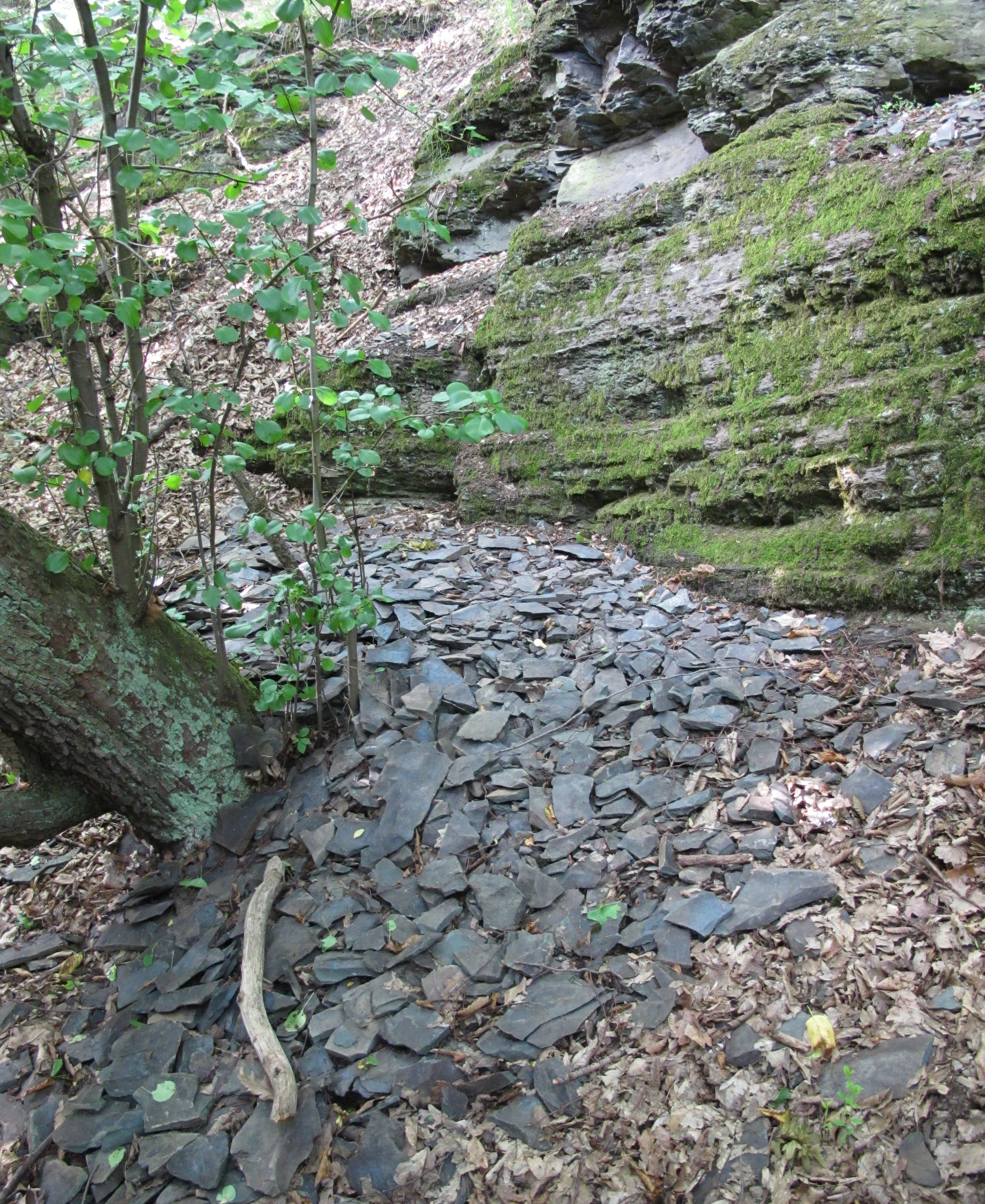
Geologically, the slope is defined by the exposed Jince Formation, a sequence of Cambrian sedimentary rocks. The oldest visible layers consist of yellowish-grey and brownish siltstones and sandstones, overlain by greenish-grey, hard greywacke shales. Ordovician tuffites and very hard quartzites also appear within the section. Soils across the site are shallow and nutrient-poor, reinforcing the dry, open character of the most exposed parts of the slope.
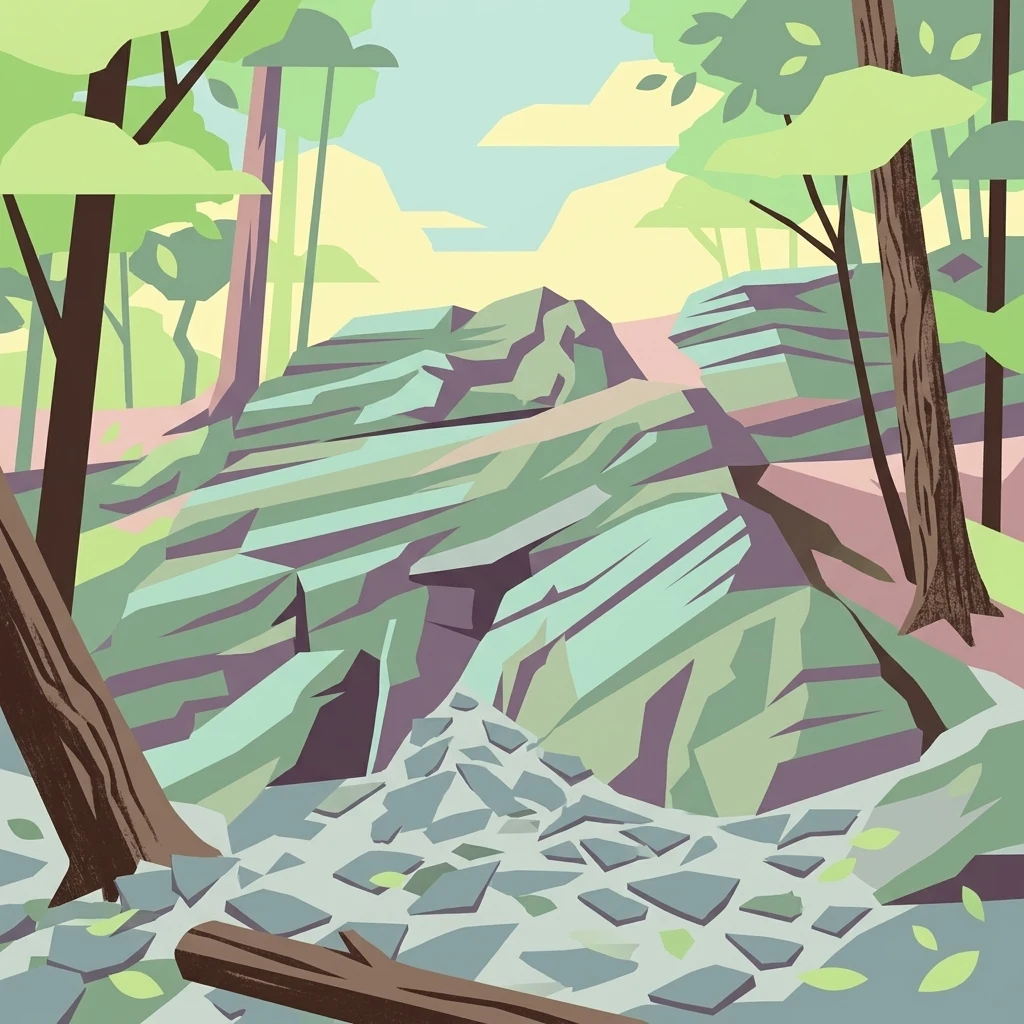
The terrain is broken by rock outcrops, scree, and small cliffs, with the steepest sections supporting open xeric vegetation and the more stable parts clothed in woodland. A 17.3-kilometre educational trail running from Jince toward the Brdy highlands passes through the monument, allowing visitors to experience the transition from the warm Litavka valley into the cooler uplands of Brdy.
Vinice Natural Monument ecosystems, habitats, and plant life
Ecologically, Vinice sits within the Czech mesophytic vegetation zone, but the warm, dry character of the Litavka valley allows thermophilous, or heat-loving, plant communities to flourish locally, creating what ecologists describe as a local thermophytic enclave.
The dominant woodland type across much of the monument is a species-poor acidophilous oak forest belonging to the Luzulo albae-Quercetum association, with a ground layer shaped by sheep's fescue and other grasses tolerant of acidic soils. On more balanced soils these forests transition into oak-hornbeam woodland of the Melampyro-Carpinetum subtype, where shade-tolerant herbs such as European sanicle, spring pea, and liverleaf appear.
The steepest, rockiest sections support open xeric grassland with scattered shrubs and protected species such as the Bohemian pasqueflower. Bracken and spleenwort ferns colonise rock crevices, while small patches of hornbeam woodland with large-flowered stitchwort occupy the more shaded parts of the slope.
Vinice Natural Monument wildlife and species highlights
Vinice is primarily a geological and botanical site, but the mosaic of woodland, dry grassland, and the adjoining Litavka River corridor supports a varied, albeit typical, Bohemian fauna.
Historical records suggest that the critically endangered garden dormouse once occurred in the area, although it is not a conspicuous species today. The wider Litavka river basin supports the Eurasian otter, an important conservation presence in the region. Common woodland mammals such as roe deer, European hare, red squirrel, and wild boar still inhabit the protected area.
Among invertebrates, forest dung beetles are characteristic ground-dwelling insects, while the invasive Asian ladybeetle has become established in the canopy layer. The greater significance of the fauna, however, lies in the fossilised Cambrian marine life preserved in the rocks, including trilobites, bivalved arthropods, echinoderms, brachiopods, molluscs, hyoliths, and traces of primitive algae, which together form one of the richest early Palaeozoic marine fossil assemblages in Europe.
Vinice Natural Monument conservation status and protection priorities
The core conservation value of Vinice lies in the international scientific importance of its Cambrian stratigraphic profile. The exposed rock section is considered irreplaceable for studying the biostratigraphy of the Jince Formation, and protection status was granted in 1999 largely to safeguard this geological heritage.
A persistent threat is unregulated and illegal collection of trilobites and other fossils by amateur collectors, which damages the rock exposure and the surrounding vegetation. Conservation managers have called for legislation to ban the sale of Jince Formation fossils and for closer coordination with criminal police authorities to combat organised fossil trafficking.
Forest management at the site is deliberately low-impact. Most of the area is left to develop without intervention, while selective harvesting is carried out elsewhere to control Scots pine, Norway spruce, and invasive black locust. Selective thinning of shrubs on some of the warmer slopes is also used to maintain the open character of xerothermic plant communities.
Vinice Natural Monument cultural meaning and human context
The cultural context of Vinice is shaped by long-standing human use of the Litavka valley and the surrounding Brdy highlands. The valley historically functioned as a major route across the otherwise forested Brdy massif, supporting trade, communication, and resource extraction from at least the Bronze Age onward.
The most distinctive local cultural trace is the name Vinice itself, meaning vineyard in Czech, which local tradition links to an unsuccessful attempt at viticulture between 1806 and 1852. The nearby hill of Plešivec preserves archaeological evidence of Mesolithic, Neolithic, and Eneolithic settlement, while the industrial history of the broader region is anchored in centuries of ironmaking documented from the late 14th century and expanding dramatically in the 18th century.
Top sights and standout views in Vinice Natural Monument
Outstanding Cambrian stratigraphic profile of the Jince Formation, internationally recognised in geological research. One of Europe's most important fossil trilobite sites, with historical research by Joachim Barrande linking it to 19th-century palaeontological traditions. A compact palette of Bohemian habitats on a single south-facing slope, from acidophilous oak woodland and oak-hornbeam stands to open xeric grassland. Strong educational value through the 17.3-kilometre educational trail from Jince into the Brdy highlands that passes directly through the monument.
Best time to visit Vinice Natural Monument
Vinice is open year-round as a protected landscape site, and visit timing depends largely on what visitors hope to experience. Spring is ideal for seeing thermophilous wildflowers such as the Bohemian pasqueflower and a range of forest herbs in the oak-hornbeam stands, while early summer offers rich insect activity and full leaf cover across the woodland.
Autumn is a particularly rewarding season for appreciating both the warm colour palette of the oak-dominated forests and the visibility of the Cambrian rock outcrops once undergrowth dies back. Winter visits emphasise the contrast between the snow-dusted slopes and the exposed Cambrian cliffs, allowing the geology to stand out clearly.