
Trip Timing Basics
When to Visit Voyageurs National Park: The Essential Timing Trade-offs
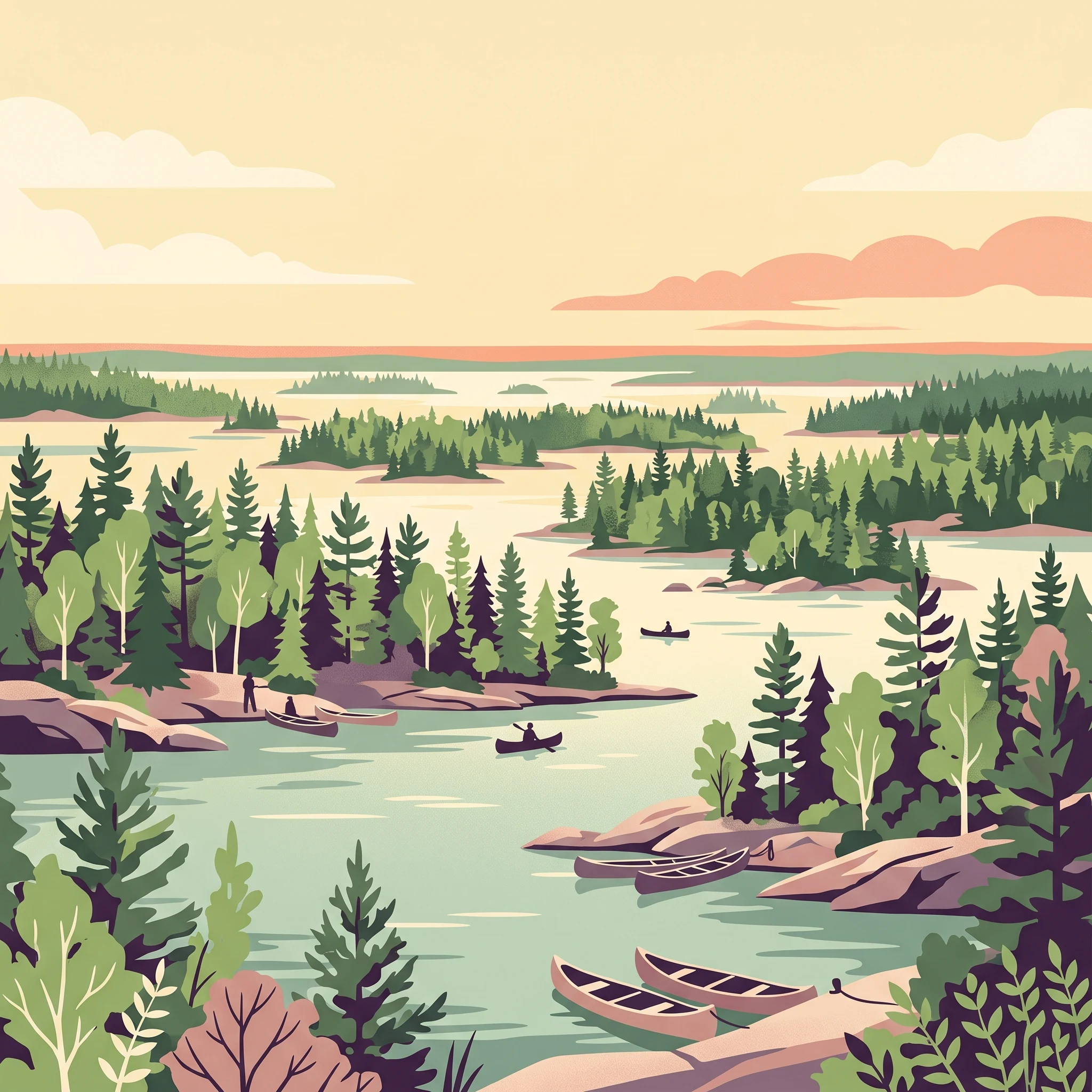
Determining the best time to visit Voyageurs National Park requires choosing between two vastly different wilderness experiences: the open-water navigation of the warmer months or the frozen, snow-covered silence of deep winter. Because this park is defined by its extensive network of lakes and the interior Kabetogama Peninsula, which lacks road access, your timing must align with your preferred method of travel. A visit between June and August offers long, warm days ideal for kayaking, canoeing, and motorboat exploration across the park's four major lakes. During this primary window, the boreal landscape is accessible and verdant, supporting a variety of water-based activities that define the park's identity.
The Water-Land Divide
The most significant factor shaping the timing of your trip is the status of the water. For most visitors, the ideal time involves navigating the lakes, which typically requires waiting for the ice to clear. While the average ice-out date is early May, this is highly variable from year to year. Visiting too early in the spring may limit your movement to the shoreline or require specialized equipment, while visiting during the peak summer months ensures full access to the interior waterways and remote landmarks like the historic Kettle Falls Hotel. If you prioritize fishing, paddling, or exploring the gold rush sites, the window from June through September provides the most consistent access to the lake-based features of the park.
Embracing the Northern Extremes
Alternatively, if you seek a different perspective of this northern Minnesota wilderness, the winter months transform the park into a landscape for snowshoeing, cross-country skiing, and snowmobiling. The extreme temperature range, which sees mean temperatures drop well below freezing throughout the winter, dictates a entirely different set of logistical requirements. Winter visitors must be prepared for short daylight hours and sub-zero conditions, which change the landscape from a water-based playground into an expansive, frozen backcountry. Choosing between these periods is a matter of deciding whether you prefer the mild, high-daylight environment of summer or the isolation and unique access afforded by the frozen lakes. Rather than looking for a single month that fits all goals, successful planning depends on matching your intended activities,whether boating or snow-dependent transit,with the seasonal transitions of the boreal climate. Always verify current conditions before departure, as the shifting thresholds of ice, snow, and temperature dictate the practical reality of movement within this remote park boundary.
Seasonal timing
Best months to visit Voyageurs National Park for diverse experiences
Peak Water Season: June through August
The most straightforward window for those prioritising water-based exploration occurs between June and August. During these months, the lake ice has long receded, and the water temperatures rise to support sustained activities like kayaking, canoeing, and boating across the four major lakes. This period offers the longest daylight hours of the year, with July and August providing peak warmth for northern Minnesota. Travelers choosing this window benefit from the ability to navigate the full breadth of the Kabetogama Peninsula and reach historic sites like the Kettle Falls Hotel by boat. The primary trade-off during this mid-summer peak is the necessity of planning around higher humidity and the potential for seasonal bugs, which are common in boreal environments during the warmth of mid-summer.
The Shoulder Transition: May and September
May and September serve as vital transition periods that offer a different experience for visitors who prefer cooler temperatures over the heat of summer. May is defined by the uncertainty of ice-out, which typically happens early in the month but can vary significantly depending on the severity of the preceding winter. While May brings rapidly lengthening daylight and the arrival of spring, visitors must remain flexible as water access may be limited until the lakes are fully clear. September presents a starkly different scene, characterized by dropping temperatures and the shift toward autumn colors. This month is well-suited for those who prefer moderate air temperatures and less intense sun, though visitors must prepare for the rapid shortening of daylight as the month progresses toward October. These shoulder months are ideal for those who value quiet and solitude over the active recreational energy of the summer peak.
The Winter Recess: January through March
For travelers seeking a cold-weather wilderness experience, the period from January through March transforms the landscape into a solid network of frozen waterways. This window is primarily for those interested in snowmobiling, which is a major component of winter recreation in the park, as well as snowshoeing and observing the stark, frozen boreal forest. The trade-off is extreme cold, as average daily minimums often fall well below zero, and the significantly shorter daylight hours limit the time available for outdoor activity. Success during this period requires high-level preparation for sub-zero conditions and an understanding that the park experience is fundamentally different from the boating-focused environment of the warmer months. These months are not for the casual visitor but for those specifically seeking the solitude and unique challenges of a deep-winter northern climate.
Climate Analysis
Annual Weather and Climate Patterns at Voyageurs National Park
Navigating the Annual Climate Cycle
Understanding the climate of Voyageurs National Park requires viewing the transition between the extreme, deep-freeze winters and the brief, warm water-based summers as a continuous shift. The environment is defined by its northern latitude and a high concentration of water, which influences temperature regulation throughout the year. Please note that the measurements described below are based on long-term climate normals for the specific recording location and elevation, reflecting multi-decade averages rather than a current, local weather forecast for any specific area of the park.
The Shift from Winter to Summer Extremes
Transitioning from the depths of winter into the growing season involves a rapid change in both daylight and thermal conditions. The park experiences a dramatic swing in mean temperatures, starting from the coldest period in January and February, where extreme negative values are common, toward the peak warmth of July. As daylight increases from roughly eight hours in December to over 15 hours by late spring, the landscape moves through a thaw phase that directly dictates access to the interior lakes. While early May marks a typical historical ice-out period, the warming trend accelerates quickly once the surface water has transitioned to a liquid state. By May and June, visitors see a stark departure from the winter lows, with mean temperatures climbing significantly to reach their annual peak in mid-summer.
Patterns in Moisture and Humidity
Precipitation is distributed throughout the year, but its character changes fundamentally with the temperature. During the coldest months, moisture arrives primarily as snowfall, contributing to the persistent snowpack that defines the park’s winter recreation period. As the season progresses into late spring and early summer, the intensity of precipitation increases, with June often recording some of the highest precipitation levels. The relative humidity remains notably high throughout the year, a reflection of the expansive lake system that characterizes the geography. This ambient moisture can make cold days feel colder and warm days feel more humid, though the presence of the lakes helps moderate the most extreme temperature spikes often found in drier, continental interiors.
Managing Daylight and Wind Exposure
Daylight is a critical variable for planning, as the park experiences significant seasonal variance. The long summer days provide extended windows for paddling and exploration, reaching over 15 hours of daylight from May through July. Conversely, the winter months see the sun retreat, with daylight dropping to just over eight hours in December and January. Wind also plays a consistent role in how the park feels, regardless of the season. The open nature of the large lake surfaces offers little resistance to moving air, which can amplify the impact of wind on the perceived temperature for those traveling by water or crossing frozen expanses. While the wind normals show relatively consistent speeds throughout the year, the combination of high humidity and wind can influence comfort levels during shoulder seasons, making appropriate gear choices essential for any visitor expecting to spend time in exposed lake environments.
Seasonal dynamics
Defining Voyageurs National Park Seasons and Weather Transitions
Navigating the Boreal Weather Rhythm
Rather than adhering to a standard four-season calendar, the environmental rhythm of Voyageurs National Park is defined by the state of its water. The transition between a landscape dominated by open, boatable channels and one defined by solid, ice-covered transit routes dictates the practical year. Visitors should view the annual cycle through three distinct phases: the open-water boating season, the brief but volatile shoulder transitions, and the winter deep-freeze.
The Open-Water Boating Season
From June through August, the park experiences its most stable and accessible period. This is not merely a summer season by name but a period of consistent liquid water, providing full access to the Kabetogama Peninsula and the various historic sites scattered across the major lakes. The climate normals during these months indicate high daylight hours reaching toward 16 hours in June and July, which supports extended exploration. During this phase, the park landscape is defined by its boreal forest and glacial bedrock. Temperatures are consistently at their highest, yet the humidity and cooling lake breezes create an environment that often stays comfortable for active visitors. This period is the most reliable window for those prioritizing paddling, motorboating, and shoreline hiking.
The Shoulder Transitions: Ice-Out and Freeze-Up
The most critical windows for planning involve the transitions in late spring and late autumn. The spring thaw, centered around the ice-out date of early May, represents a volatile period where the landscape is neither fully open nor safely frozen. Navigation becomes complex as ice shifts and breaks apart, and weather can alternate rapidly between early-season warmth and sudden, freezing dips. This period is a reality check for visitors who assume a simple seasonal calendar; snow may still linger, and the temperature averages do not reflect the significant variability that can occur on a day-to-day basis. Similarly, the late autumn period in October and November marks the closure of the boating season as temperatures drop and the risk of early ice formation increases. These months act as a bridge, where the park experiences a narrowing of daylight and a steady decline in temperature, effectively ending the primary recreation window long before the full depth of winter sets in.
The Winter Deep-Freeze
By January and extending into March, the park enters its most distinctive environmental phase. The lakes, which were the primary highways for boaters in summer, transform into frozen expanses that facilitate snowmobile travel and ice-based exploration. The climate during this time is characterized by low average temperatures and significantly reduced daylight, with January normals showing lows near -35 degrees Celsius. This phase requires a different mindset than the open-water season, as the park transitions from a water-based wilderness to a frozen landscape of solitude. While the extreme cold is a defining feature, it is the consistency of the ice that allows this period to function as a coherent season for winter enthusiasts. Unlike the transition windows, the deep winter provides a relatively stable, albeit harsh, set of conditions for those prepared for the boreal climate.
Seasonal Experiences
Experiencing the Voyageurs National Park Landscape Throughout the Year
Navigating the Open-Water Season
The most defining experience of the park occurs when the ice recedes, typically by early May, allowing for the full utilization of its four major lakes. From June through August, the park functions primarily as an aquatic wilderness. During these months, boaters, kayakers, and canoeists can reach the interior of the Kabetogama Peninsula, which remains largely inaccessible by land. This is the period when the historic Kettle Falls Hotel becomes a focal point for visitors traveling by water, as the landscape shifts from a dormant state to an active boreal forest ecosystem. Warm daylight hours, which peak in June and July, offer the necessary time for traversing the extensive shoreline network and reaching remote island campsites.
Embracing Shoulder Season Transitions
The transitions between the intense winter cold and the height of summer represent distinct, though often challenging, periods for visitation. In May, as ice breaks up, the park remains quiet, and water-based navigation can be difficult due to drifting ice chunks. Visitors during this time often prioritize terrestrial activities, such as exploring the accessible shorelines near visitor centers or hiking trails that are free from late-spring snow. September offers a marked change in conditions, as the water temperature begins to drop and the crowds associated with peak summer vacation months thin. This period is favorable for those who prefer cooler, stable weather for boat trips to historic sites like the gold rush remnants on Little American Island, provided that visitors prepare for the significant decline in daylight compared to the summer solstice.
Adapting to the Winter Wilderness
When the lakes freeze in mid-winter, typically from January through March, the park experience shifts entirely from boat-based exploration to ice-based travel. Snowmobiles become the primary means of reaching distant reaches of the park that would require hours of paddling in the summer. The landscape is transformed into a silent, snow-covered expanse where the focus shifts toward visiting iconic viewpoints like the Voyageurs Forest Overlook or observing the winter character of the boreal woods. Because the park's primary landmass is isolated by water, the winter freeze is the only time the interior becomes accessible by motorized land transport, creating a starkly different visitor profile than the summer months. Travelers during this deep-freeze window must recognize that safety and navigation depend on the stability of the ice, which is the defining environmental constraint of the season.
Visitor Priorities
Timing Your Visit to Voyageurs National Park by Activity and Preference
Targeting Mild Temperatures and Stable Conditions
For travelers seeking a balance between comfortable daytime temperatures and full access to the park’s water-based wilderness, the period from mid-June through August serves as the primary window. During these months, daytime highs consistently reach into the high 20s and low 30s Celsius. This timeframe is supported by historical climate data showing minimal risk of lingering ice that can obstruct boat navigation in earlier weeks. The trade-off for this warmth is the peak of the park's humidity, which remains elevated during midsummer, and the necessity to manage exposure to the significant daylight hours that reach their annual maximum in June.
Prioritizing Drier Weather and Walking Access
If your priority is minimizing precipitation during land-based excursions, late summer and early autumn provide the most consistent environment. While June experiences the highest average daily precipitation, August and September show a marked decrease in rainfall patterns. Choosing September offers a distinct advantage for those prioritizing cooler air temperatures for hiking, as the mean temperature shifts toward a comfortable mid-teens range, making it significantly less strenuous than the intense humidity of July. The compromise during this period is the noticeable reduction in daylight, which declines toward the autumn equinox, limiting the window for extensive daily water exploration.
Maximizing Daylight for Water Exploration
Visitors whose primary goal is to maximize time on the water, such as canoeists or anglers aiming for longer activity windows, should focus on the weeks surrounding the summer solstice in late June. Daylight duration extends past 15.5 hours, providing significant flexibility for navigating the complex shoreline of the Kabetogama Peninsula. This period provides the longest daily light access for reaching remote sites or historic locations like the Kettle Falls Hotel. The primary trade-off is the vulnerability to the seasonal peak in temperature, which may require more deliberate physical pacing during midday hours.
Winter Solitude and Ice-Based Access
For those drawn to the park's winter character rather than its boreal summer, the period from late January through early March offers the most reliable conditions for ice-based exploration. Historical records show that the intense cold maintains a stable, frozen surface across the major lakes, which is essential for the snowmobile trails that define winter access in the park. This window is characterized by minimal daylight, often under 10 hours, and consistently sub-zero temperatures. The fundamental compromise for this priority is the extreme cold, which demands specialized gear and preparation to safely experience the park while the land remains largely inaccessible by boat.
Access & Logistics
Seasonal Park Access and Voyageurs Trip Planning Considerations
Access to Voyageurs National Park is fundamentally dictated by the state of its expansive water network. Because most of the park's land, specifically the Kabetogama Peninsula, lacks road connections, your primary logistical planning must center on whether the lakes are navigable by boat or locked by ice. While roads provide access to specific visitor centers and land-based trailheads near the park's periphery, the true wilderness experience requires watercraft or, during the deep-winter freeze, snow-based transport.
Seasonal Infrastructure and Visitor Centers
The park operates three primary visitor centers, each with distinct accessibility characteristics. The Rainy Lake Visitor Center serves as the primary hub for northern access and is generally open year-round, though specific hours of operation shift between summer and winter seasons. In contrast, the Kabetogama Lake and Ash River centers typically operate on a seasonal schedule focused on the high-activity summer months. Because these operating schedules are subject to change based on staffing and budget conditions, always verify the current hours and service availability directly through the National Park Service official website before departing. Relying on outdated travel guides or third-party listings may lead to unexpected closures.
Navigational Realities and Transport Considerations
During the ice-free months, typically spanning from late May through early October, boat-based travel is the only way to reach the interior backcountry and island campsites. If you do not possess your own watercraft, you must plan for the use of local rental services or guided transport options, which are concentrated in the gateway communities surrounding the park. Availability of these services often peaks during mid-summer and may decrease significantly during the shoulder months of May and September. When planning, consider that boat travel times can be influenced by weather conditions such as wind, which can make navigation more challenging across the larger lakes.
Winter Access and Ice Travel
As temperatures drop significantly and ice thickens, the park transitions to a winter access model. During these months, the frozen lakes become the primary thoroughfares, often marked by snowmobile routes that provide access to areas completely inaccessible during the summer. This winter transformation changes the park from a water-based destination to a snow-dependent landscape. Infrastructure like docks and summer-only trails become unavailable. Visitors should recognize that winter access is highly contingent on ice thickness and safety conditions, which change throughout the season. Never assume a route is open based on the calendar alone; consult the latest park condition reports to confirm current access status for snowmobiles and other winter equipment.
Safety and Preparation
Seasonal Safety and Gear Preparation for Voyageurs National Park
Adapting to Boreal Weather Fluctuations
Preparation for a visit to Voyageurs National Park requires an understanding of the dramatic shifts between the ice-free summer and the deep-winter freeze. Because the park is largely water-based, your gear choices are heavily dictated by the season. During the open-water months from June through August, you should prepare for a wide range of temperatures. Even when daytime highs reach into the 30s Celsius, mornings and evenings near the water remain cool. Humidity levels are notably higher during the height of summer, which can make active days feel warmer and requires moisture-wicking layers that dry efficiently. Always monitor current weather forecasts before departing, as rapid changes in wind speed across the large lakes can create challenging paddling conditions for small watercraft.
Gear Priorities for Water-Based Exploration
For visitors arriving during the warmer months, the most essential preparation involves reliable protection from the elements while on the water. Exposure to the sun and wind is constant on the open lakes of Rainy, Kabetogama, Namakan, and Sand Point. Lightweight, long-sleeved clothing provides effective sun protection while allowing for airflow. If you are planning to rent a boat or paddle to reach the Kabetogama Peninsula, verify current rental requirements and navigational safety briefings. Remember that the park interior is largely inaccessible by road, meaning you must be self-sufficient in terms of personal supplies for the duration of your trip. Bringing waterproof bags is standard practice, as your gear will inevitably be exposed to spray or sudden moisture while traversing the extensive lake system.
Winter Safety and Cold-Weather Readiness
Winter visits necessitate a shift in gear and safety logic. When the lakes freeze, the park landscape changes completely, with snowmobile trails establishing the primary paths through the backcountry. Preparation for these months, typically January through March, focuses on managing sub-zero temperatures. Wind chill factors are a significant consideration when moving across frozen lake surfaces. Clothing systems should prioritize thermal regulation through layers, allowing you to add or remove items to prevent overheating during activity or cooling down too quickly during stops. Because communication signals can be unreliable in remote boreal wilderness areas, inform someone of your planned route and expected return time. Always check the park’s current official reports for information on ice thickness and trail conditions, as these vary significantly from year to year based on the intensity of the freeze.
Final Planning
How to Select Your Ideal Time to Visit Voyageurs National Park
Determining the right time to visit Voyageurs National Park essentially comes down to a choice between two distinct wilderness experiences. The park does not offer a single ideal window for every traveler, but rather creates a clear divide based on the status of its water bodies. If your goal is to utilize the vast network of lakes for boating, kayaking, or reaching the interior wilderness of the Kabetogama Peninsula, your visit must occur between late May and September. Outside of this open-water period, the landscape transitions into a frozen, ice-locked environment that serves an entirely different set of recreational priorities, primarily centered on winter snowmobiling and solitude. For travelers seeking the most reliable warmth and active water access, July and August provide the highest likelihood of stable temperatures and accessible shorelines. However, those who prioritize lower humidity and fewer crowds often find late August or early September to be the most balanced time, as these months offer lingering warmth without the peak intensity of the mid-summer season. If you are instead drawn to the quiet, stark beauty of the boreal forest in winter, the window from January through March is the standard period when lake ice is at its most stable, allowing for transit across the frozen, snow-covered surface. Because the transition between these two states is dictated by annual climate variability rather than fixed calendar dates, there is no guarantee that late May will be fully ice-free or that December will be safe for winter travel. You must accept that your trip dates serve as a planning target that remains subject to environmental conditions. Before you commit to your itinerary, it is essential to check current park alerts regarding ice-out status, dock installation, and road conditions. While the provided climate patterns offer a reliable baseline for what to expect during your selected timeframe, they are not forecasts. Always verify official park information for real-time updates on facility status and safety conditions before finalizing your travel arrangements.