Mori Atlas logo
Protection category

Mapping the most highly protected wilderness and research landscapes within Armenia

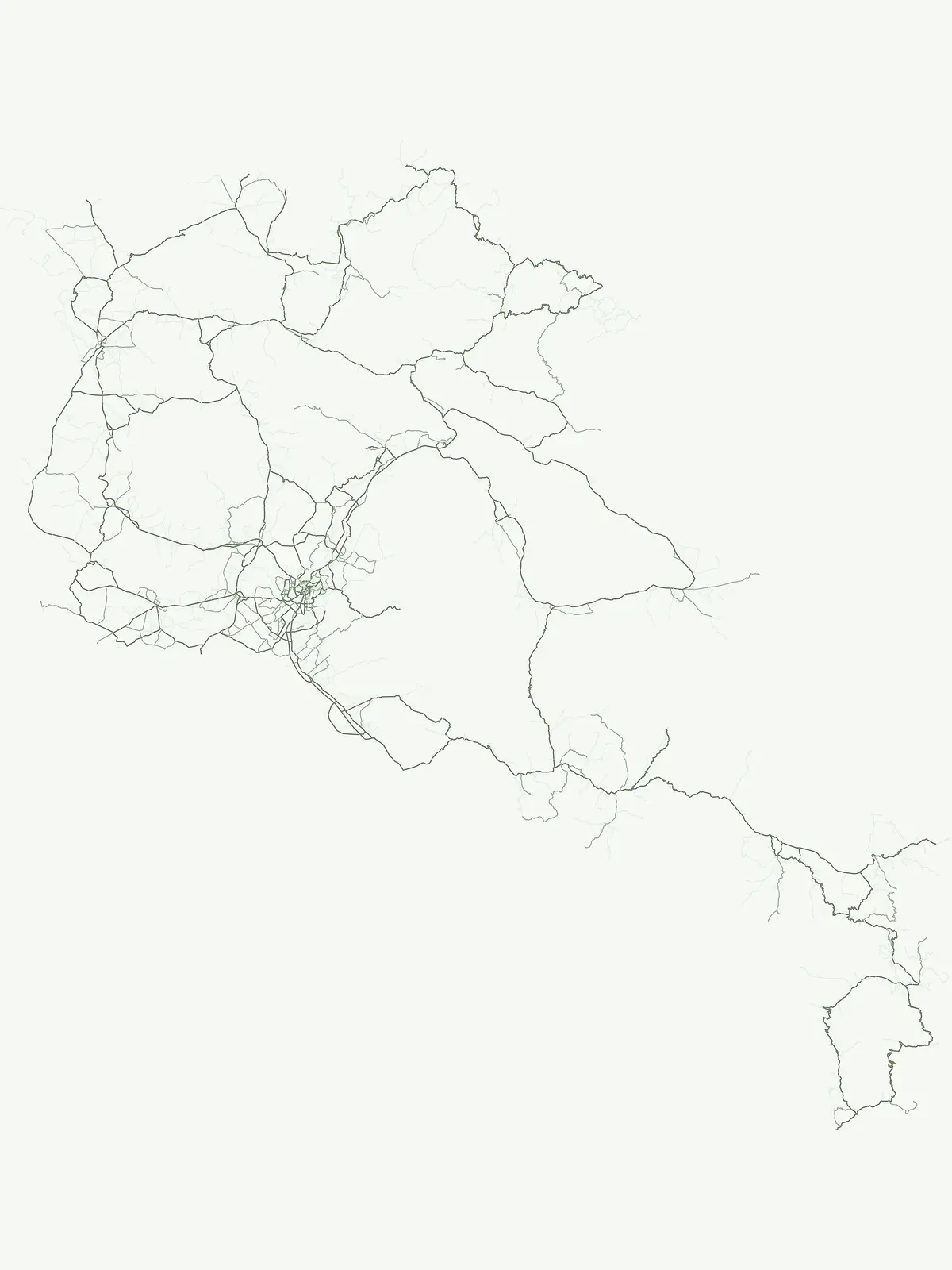
Strict Nature Reserve Protected Areas Across the Republic of Armenia Geography

Strict Nature Reserve designation in Armenia represents the highest tier of land protection, focusing on long term scientific research, ecological stability, and the preservation of fragile habitats. These units are managed to ensure minimal human disturbance, functioning as essential reference landscapes for biodiversity and geodiversity throughout the Armenian highlands. Explore the spatial distribution and conservation scope of Armenia's most restricted natural areas.

Strict Nature Reserve Protected Areas Across the Republic of Armenia Geography
Parks in this category

Explore strict nature reserves, relict juniper forests, and ancient mountain ecosystems across Armenia.

Armenia Strict Nature Reserve Parks and Protected Areas

Browse the complete park list of strict nature reserves in Armenia, featuring high-protection zones like Khosrov Forest and Shikahogh. This filtered regional view helps researchers and conservation analysts examine strictly managed mountain terrain and endemic biodiversity.
Nature reserveArarat ProvinceMountain

Khosrov Forest State Reserve

Explore ancient juniper forests and rugged canyon terrain in Ararat Province.

Khosrov Forest State Reserve is a critical protected landscape in Armenia defined by its remarkable elevational gradient. From semi-desert lowlands to high mountain meadows, the reserve encompasses unique Tertiary relict forests and river-cut gorges. This resource maps the park's boundaries and provides a clear geographic overview of its diverse ecosystems and cultural heritage within the Ararat Province.

232.13 km²1958TemperateModerate access
Nature reserveSyunik ProvinceMountain

Shikahogh State Reserve

Exploring the mountain terrain and biodiversity of Syunik Province

Shikahogh State Reserve serves as a strictly protected forest sanctuary in southern Armenia, characterized by its complex vertical relief and transition between Caucasian forest and arid landscape elements. The reserve spans the upper basins of the Tsav and Shikahogh rivers, featuring a dense canopy and unique habitat for varied mountain fauna. This geographic overview highlights the reserve as a central feature of the Zangezur mountain ecology.

103.3 km²1958TemperateAccess unknown
Nature reserveArmenia

Erebuni State Reserve

Transitional mountain-steppe and semi-desert botanical geography

Erebuni State Reserve functions as a critical protected area for the conservation of wild wheat genetic resources in the South Caucasus. Located on the edge of the Armenian capital, the reserve protects a mosaic of grass-dominated slopes that capture the precise shift from arid lowlands to higher altitude steppe terrain, providing an essential focus for regional botanical study.

1.2 km²1981IaMinor water
Country pattern

Examining Category Ia conservation units and scientific reserves across Armenian mountain ecosystems

Strict Nature Reserve Protected Areas in Armenia

Category Ia reserves maintain strict ecological integrity with minimal human interference across sensitive habitats. Protected landscapes like Khosrov and Shikahogh serve as undisturbed reference zones for scientific research and biodiversity conservation.

Matching parks

3

These parks and protected areas currently define how Strict Nature Reserve appears across Armenia.

Category focus

A highly protected area managed mainly for science, monitoring, and the safeguarding of biodiversity, geological features, or ecological processes with minimal human disturbance.

Representative parks

Khosrov Forest State ReserveShikahogh State ReserveErebuni State Reserve
Management profile

Highest protection

Strict Nature Reserve

IUCN Category Ia represents the most tightly protected end of the protected-area spectrum. A Strict Nature Reserve is primarily established to conserve biodiversity, geodiversity, or especially fragile ecological conditions by keeping direct human pressure extremely low. These areas are usually not designed around recreation, broad tourism, or everyday public access. Instead, they are places where ecological integrity comes first, and where entry, use, and management interventions are normally limited to what is necessary for conservation, research, monitoring, and tightly controlled stewardship.

Definition

A Strict Nature Reserve is a protected area set aside to protect biodiversity and, where relevant, geological or geomorphological features, in circumstances where human visitation, use, and impacts are strictly controlled and limited. The category is used for places where maintaining natural conditions, scientific value, and undisturbed ecological processes is the core management priority. In practice, this means that the area is designated less as a visitor destination and more as a safeguarded reference landscape or ecosystem, where conservation values are protected from recreational pressure, infrastructure expansion, extraction, or intensive manipulation.

Key characteristics

Protected areas in this category are typically among the least disturbed and most tightly managed conservation units within a national or regional system. They may include sensitive breeding grounds, rare habitat types, fragile alpine or island ecosystems, old-growth forest remnants, wetlands of exceptional ecological value, or places with important geological features that can be degraded by regular access. Public entry is usually restricted, and where access is allowed it is often limited to researchers, rangers, or specially permitted educational visits. Built infrastructure is generally minimal. The defining trait is not simply that the area is 'important', but that its conservation values are best maintained by keeping human influence exceptionally low and by avoiding uses that would alter ecological conditions or compromise scientific monitoring value.

Management focus

Management in Category Ia areas is usually precautionary, tightly controlled, and explicitly conservation-led. Site managers often focus on boundary protection, prevention of illegal access, control of invasive species where necessary, ecological monitoring, and long-term scientific observation. Interventions are usually conservative and justified only where they support the maintenance or recovery of the reserve's conservation values. Visitor facilities, tourism development, and extractive uses are generally absent or highly restricted. In many systems, management also involves clear permit rules, access zoning, seasonal closures, and strong legal backing. The overall management style aims to reduce external pressures and preserve the area as close as possible to a condition where natural ecological processes can continue without substantial human disruption.

Protection purpose

The primary purpose of Category Ia is to secure places where biodiversity, geodiversity, and ecological processes can be protected under the strictest practical conservation conditions. It exists to conserve especially sensitive or scientifically important environments that would be harmed by routine human presence or broader multi-use management.

Management objective

Typical objectives include maintaining ecosystems in a near-natural state, protecting rare or threatened species and habitats from disturbance, preserving reference sites for science and monitoring, safeguarding fragile geological or geomorphological features, preventing incompatible access and land use, and ensuring that conservation management remains the dominant function of the area over recreation, tourism, or resource use.

Global context

Wider background behind Strict Nature Reserve

This reference block covers the broader history and global examples that define Strict Nature Reserve as an IUCN management category, rather than the country-specific park pattern shown elsewhere on the page.

Category history

The idea behind Strict Nature Reserves emerged from early modern conservation efforts that recognized the need for places protected not only for scenery or recreation, but for science, ecological integrity, and the preservation of particularly vulnerable natural systems. Over time, as international conservation practice matured, the IUCN category system provided a clearer framework for distinguishing highly protected research-oriented reserves from broader public-facing protected areas such as national parks. Category Ia became especially important as countries sought to classify protected areas according to management intent rather than name alone. It reflects a long-standing conservation principle: some places are so sensitive, rare, or valuable that their protection depends on strict limits to access and use.

Global examples

Examples often associated with Category Ia-style protection include highly restricted island nature reserves, core wetland sanctuaries, fragile breeding areas, scientific forest reserves, and other sites managed primarily for ecological protection and research. Depending on national classification systems, examples may include remote biological reserves, closed-access research reserves, and strictly protected sections within larger conservation complexes. Specific assignments vary by country and reporting practice, but the common theme is the same: these are sites where conservation and scientific integrity take priority over visitor use.

More categories

Compare national park classifications and broader conservation management across Armenia.

Explore Other IUCN Categories in Armenia and Related Protected Areas

Navigating beyond Strict Nature Reserve entries reveals how Armenia classifies diverse protected landscapes and national parks. Examining alternative IUCN management categories clarifies the full scope of regional biodiversity protection within the country.

IUCN category ii

National Park

A large natural or near-natural protected area managed to safeguard ecological processes, characteristic species, and ecosystems while also supporting education, recreation, and compatible visitor use.

Example parks

Dilijan National Park, Sevan National Park, Arevik National Park, Lake Arpi National Park

Discover the geographic spread of Armenia's protected areas and mountain landscapes within the South Caucasus region.

Common Questions on Armenia's National Parks, Protected Areas, and Geographic Context

These frequently asked questions provide essential context for understanding Armenia's national parks and diverse protected areas, from high-altitude lakes like Sevan to vital wetland conservation sites. Explore the geographic distribution and specific characteristics of Armenia's unique conservation landscapes, gaining insights into their role within the South Caucasus region.
MoriAtlas Explorer

Continue Exploring Armenia's Protected Landscapes and National Parks

Expand your geographic understanding by continuing to browse the full spectrum of Armenia's national parks and protected areas. Each protected landscape offers unique geographic features and conservation significance, providing valuable data for atlas-based exploration and regional context. Discover more about Armenia's natural heritage through detailed park profiles and mapped distributions.