
Mori Atlas logo
Countries

Browse the mapped distribution of protected lands and natural landscapes across Bhutan's Himalayan terrain.

Bhutan National Parks and Protected Areas: A Geographic Atlas Exploration

Bhutan, a landlocked constitutional monarchy in the Eastern Himalayas, offers a rich tapestry of protected natural areas and national parks. This atlas entry point allows for structured discovery of the country's unique geography, from high-altitude alpine environments to temperate forests. Understand the geographic spread and mapped boundaries of Bhutan's conservation landscapes, enabling focused exploration of its natural terrain and protected regions.

Related tags

himalayan countrylandlocked nationbuddhist kingdomsouth asiaconstitutional monarchy
About

Mapped Conservation Landscapes Across Bhutan's Diverse Mountain Geography

National Parks in Bhutan: Explore Protected Areas and Himalayan Landscapes
Browse national parks in Bhutan, a unique landlocked country in the Eastern Himalayas, to understand its comprehensive network of protected areas. Explore the geographic distribution of these conservation landscapes, tracing mountain wilderness and alpine environments across the Kingdom of Bhutan for detailed atlas discovery.

Bhutan, officially the Kingdom of Bhutan, is a landlocked country in South Asia situated in the Eastern Himalayas. With a population of approximately 727,000 and an area of 38,394 km², it is a constitutional monarchy ruled by the Wangchuck dynasty. The country is known for its Gross National Happiness philosophy, pristine mountain landscapes, and commitment to preserving its Buddhist culture.

Bhutan is a sovereign nation in South Asia located in the Eastern Himalayas. It transitioned from an absolute monarchy to a constitutional monarchy in 2008 with the adoption of its first constitution. The country maintains a unique development philosophy centered on Gross National Happiness rather than GDP. Bhutan's geography ranges from subtropical plains in the south to high Himalayan peaks exceeding 7,000 meters in the north, including Gangkhar Puensum, the world's highest unclimbed mountain. The nation has never been colonized and maintains close diplomatic ties with India while pursuing relations with other nations.

Largest city:Thimphu
Currency code:BTN
ISO code:BT
Parks count
6
Capital
Thimphu
Area
38,394 km²
Population
727,145 (2,022)

Coastal
Island
Mountainous
Landlocked
Park atlas6 parks

Explore the Geographic Spread of Bhutan's Protected Landscapes Across Its Eastern Himalayan Terrain

Discover National Parks in Bhutan, the Himalayan Kingdom's Protected Areas
Browse the comprehensive list of national parks and protected areas across Bhutan's diverse Himalayan geography, featuring high-altitude reserves and important forest sanctuaries. Utilize this focused country view to trace the mapped distribution, compare conservation efforts, and understand the regional context of Bhutanese protected landscapes.
National parkBhutan

Royal Manas National Park: Bhutan's Premier Protected Area and Oldest National Park

Explore the mapped terrain and diverse ecosystems of this landmark Bhutanese conservation area.

Royal Manas National Park, Bhutan's first national park established in 1966, serves as a critical conservation hub in the Eastern Himalayas. Spanning over 1,057 square kilometers, it protects a vast array of landscapes, from lowland tropical forests to permanent ice fields. Its designation as the kingdom's conservation showpiece and its role in transboundary protection underscore its immense geographic and ecological importance within Bhutan.

Area
1,057 km²
Established
1966
IUCN
II
National parkBhutan

Jigme Dorji National Park: Bhutan's Vast Protected Landscape and Himalayan Geography

Explore mapped boundaries and diverse ecosystems within this national park.

Jigme Dorji National Park, located in the heart of Bhutan, is a testament to the country's commitment to conservation, covering over 4,300 square kilometers of pristine Himalayan terrain. This national park encompasses diverse ecosystems, from lush subtropical forests in its lower reaches to barren alpine meadows and permanent snowfields at its highest elevations. The park's extensive mapped boundaries showcase a landscape vital for unique wildlife and sacred cultural sites, offering a comprehensive view for atlas-based geographic discovery.

Area
4,316 km²
Established
1974
IUCN
II
Relief
Mountain
National parkBhutan

Phrumsengla National Park: Protected Landscape and Geographic Context in Bhutan

Explore mapped boundaries and diverse Himalayan terrain.

Phrumsengla National Park serves as a vital protected area within Bhutan, characterized by its extensive altitudinal range and varied landscape. Spanning from subtropical valleys to alpine zones, the park showcases a remarkable transition of ecosystems, including significant old-growth fir forests. Its location and unique geographic features make it an important component of any study of the region's protected lands and Himalayan geography, offering rich data for atlas exploration and understanding natural landscapes.

Area
905.05 km²
Established
1998
IUCN
II
Relief
Mountain
Wildlife reserveBhutan

Phibsoo Wildlife Sanctuary: Bhutan's Wildlife Reserve Atlas and Geographic Identity

Mapping the protected landscape and natural terrain of this Bhutanese sanctuary.

Delve into the specifics of Phibsoo Wildlife Sanctuary, a protected wildlife reserve situated within the geographic expanse of Bhutan. This park detail page focuses on its identity as a conservation landscape, offering insights into its mapped terrain and its significance within the broader regional geography of the Eastern Himalayas. Understand the protected boundaries and the unique natural context that Phibsoo Wildlife Sanctuary represents.

Area
268.93 km²
Established
2009
IUCN
IV
Relief
Mixed relief
Wildlife reserveBhutan

Motithang Takin Preserve: Bhutan Wildlife Reserve with Unique Protected Landscape Context

Explore the mapped geography and national animal sanctuary.

The Motithang Takin Preserve offers a unique glimpse into Bhutan's dedication to its national animal, the takin. This wildlife reserve, located near the capital city, provides a defined protected area where the distinctive goat-antelope thrives. By examining the preserve's mapped boundaries and its forested terrain, users gain insight into Bhutan's approach to conservation and the cultural significance of this iconic species within the Himalayan landscape.

Area
0.034 km²
IUCN
IV
Wildlife reserveTrashigang District

Sakteng Wildlife Sanctuary: Protected Area and Wildlife Reserve in Bhutan's Trashigang District

Mapping the mountainous terrain and unique temperate ecosystems.

Sakteng Wildlife Sanctuary is a vital protected area in eastern Bhutan, recognized as a wildlife reserve. Spanning approximately 742 square kilometers within Trashigang District, it features a dramatic mountainous terrain characterized by steep valleys and alpine meadows. The sanctuary's landscape transitions from forested slopes to subalpine conifer forests, representing Bhutan's easternmost temperate ecosystems and offering rich geographic context for atlas exploration.

Area
742.46 km²
Established
2003
IUCN
IV
Relief
Mountain
Landscape and environment

Understand how Bhutan is shaped by terrain, ecosystems, and seasonal conditions

Bhutan geography, nature, climate, and landscape context for park-focused travel research
Explore the physical geography, natural setting, and climate patterns of Bhutan through a location-first overview built for travel research, national park discovery, and broader regional context. This section helps explain how landscapes, habitats, and environmental conditions shape what people search for, where they travel, and how they experience protected areas in Bhutan.

Bhutan geography and landscape

Bhutan is located in the Eastern Himalayas in South Asia, bordered by China to the north and northwest and India to the south and southeast. The country's terrain is predominantly mountainous with steep valleys, ranging from elevations around 100 meters in the southern foothills to peaks exceeding 7,000 meters in the northern highlands. The major river systems flow southward from the Himalayas into India's Brahmaputra basin.

Bhutan nature and environment

Bhutan's natural environment features diverse ecosystems ranging from subtropical forests in the southern regions to alpine meadows in the high Himalayas. The country is known for its rich wildlife including the Himalayan takin and golden langur. Bhutan maintains extensive forest coverage and environmental protection policies, with the majority of the country protected under various conservation frameworks.

Bhutan climate and seasonal conditions

Bhutan experiences a diverse climate ranging from subtropical conditions in the southern plains to cold alpine conditions in the northern mountain regions. The country receives monsoonal rainfall during the summer months, with regional variations based on elevation and topography.

Explore this place

Related topics and popular queries

Ways to explore Bhutan
Useful phrases, related topics, and discovery prompts connected to Bhutan.
where is bhutan locatedwhat is bhutan countrybhutan capital citybhutan population and areabhutan mountains and geographybhutan buddhism and culturebhutan constitutional monarchylandlocked countries south asiakingdom of bhutanbhutan countrybhutan himalayasthimphu capitalbhutan populationbhutan geographybhutan cultureeastern himalayabhutan monarchydzongkha language
Park map

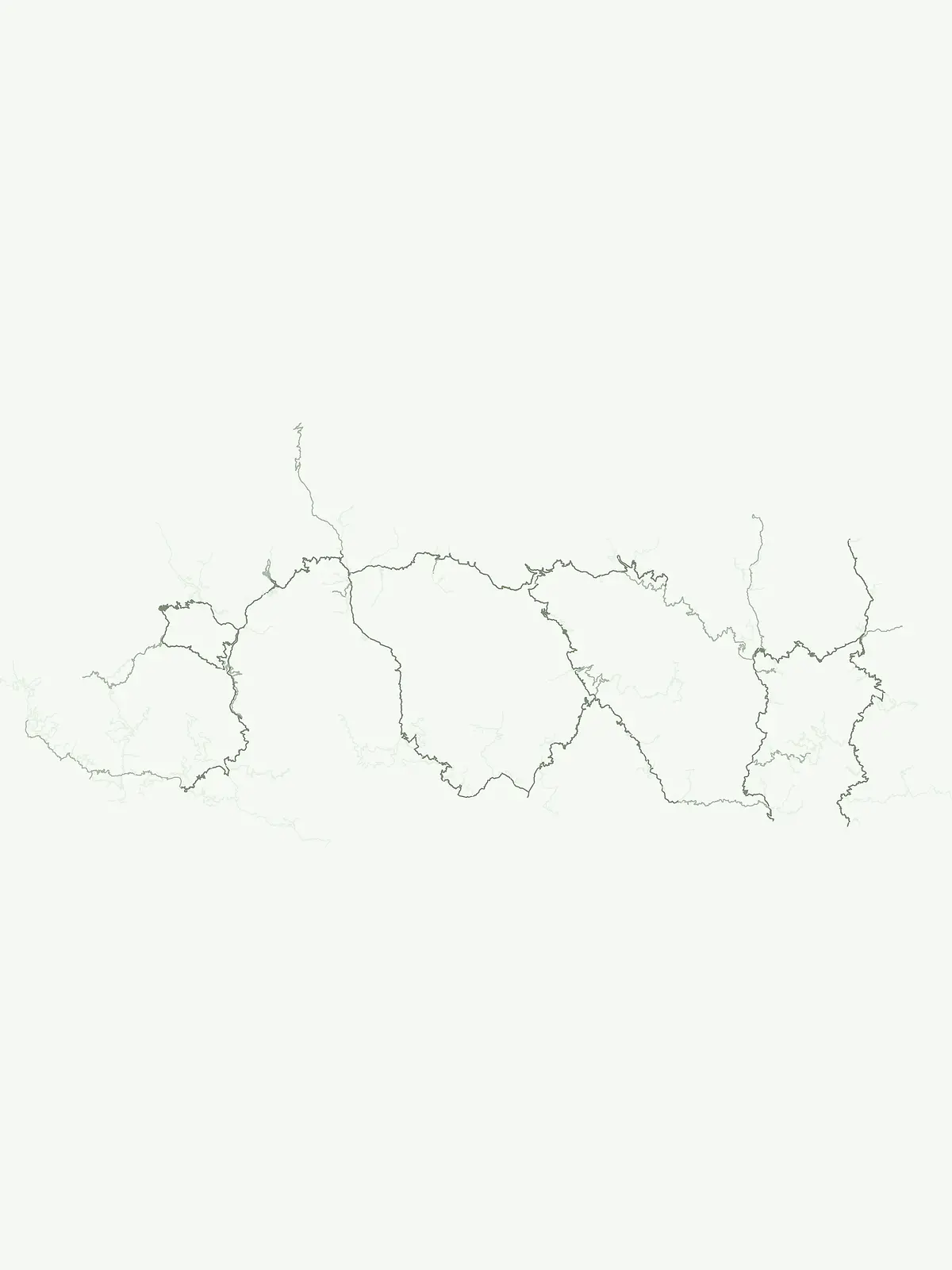
Visualize the geographic distribution of Bhutan's national parks and protected areas, tracing their spatial relationships across the Eastern Himalayan terrain.

Bhutan National Parks Map: Explore Protected Areas and Conservation Landscapes
Explore the geographic locations of Bhutan's national parks and other vital protected areas, understanding their placement within the country's diverse Himalayan landscape. Continue to the dedicated Bhutan parks map for an expanded view, allowing comprehensive geographic exploration and detailed spatial analysis of its unique conservation areas.

Discover Bhutan's unique park geography and protected landscapes across the Eastern Himalayas

Frequently Asked Questions About National Parks and Protected Areas in Bhutan
Delve into key questions regarding Bhutan's national parks, wildlife sanctuaries, and protected landscapes, understanding their distribution across the Eastern Himalayan terrain. Gain valuable insights into the unique conservation efforts and geographic context that define Bhutan's significant natural heritage and protected areas for atlas exploration.
Other countries

Trace the Regional Spread of Protected Landscapes and Compare Atlas Geography Beyond Bhutan

Discover National Parks in Countries Near Bhutan: Explore Himalayan Protected Areas
Browse national parks and protected areas in countries surrounding Bhutan, extending your exploration across the diverse South Asian and Himalayan geography. Expand your geographic understanding by comparing varied conservation landscapes and park systems as you navigate the broader international atlas.

India National Parks and Protected Areas: Geographic Atlas Explorer

Navigate India's significant protected areas and national parks through a structured geographic lens. This atlas-focused exploration reveals the country's diverse natural landscapes and the geographical context of its conservation efforts. Understand the distribution of protected lands and gain insights into the regional geography that shapes these vital natural reserves.

40 parks

Explore Thailand's National Parks and Protected Areas: A Geographic Atlas Overview

Navigate the diverse protected areas of Thailand, from mountainous northern regions to coastal parks. This atlas view offers insights into the geographic distribution of national parks and conservation landscapes, enabling a structured exploration of the country's natural terrain and mapped boundaries. Understand the scope of protected lands and their place within Thailand's broader geography.

36 parks

Pakistan National Parks and Protected Areas: Geographic Atlas Explorer

Navigate the geography of Pakistan's protected areas and national parks. This atlas provides a structured overview of the country's conservation landscapes, highlighting their geographic spread and key natural terrain features. Understand the regional context of protected lands, offering a clear map-based discovery experience for researchers and explorers alike.

34 parks

China

7 parks

National Parks and Protected Areas of Kyrgyzstan: Mapped Geographic Explorer

Access a structured geographic overview of Kyrgyzstan's national parks and protected areas. Understand the distribution of these vital conservation landscapes across the country's dramatic mountain terrain. This atlas-style resource helps you explore the natural boundaries and regional context of protected areas within Kyrgyzstan, offering a clear entry point for geographic discovery.

5 parks

Explore Protected Natural Landscapes of Bangladesh: National Parks and Reserves

Navigate the geography of Bangladesh through its network of national parks and protected areas. This resource provides a structured approach to understanding the distribution of conservation landscapes, their mapped boundaries, and the regional context of their natural terrain. Discover the unique geographic features that define Bangladesh's protected lands, from the Sundarbans mangroves to the Chittagong Hill Tracts, offering a foundation for detailed exploration.

4 parks

Nepal National Parks and Protected Areas: Geographic Atlas Overview

Access a structured atlas of Nepal's national parks and protected areas, focusing on their geographic scope and distribution. This resource facilitates understanding the country's varied natural terrain, from alpine ecosystems to mountainous protected areas. Discover the mapped boundaries of conservation landscapes, providing a clear geographic context for each protected region within Nepal.

3 parks

Myanmar National Parks and Protected Areas: Browse Mapped Landscapes and Regional Geography

This section provides a structured atlas view of Myanmar's national parks and protected lands. Users can explore the geographic distribution and mapped boundaries of these significant natural areas. Understand the regional context and landscape diversity across Myanmar, from mountain parks to conservation areas, facilitating a deeper geographic discovery.

2 parks
MoriAtlas Explorer

Continue Your Global Geographic Exploration with MoriAtlas Park Discovery

Dive deeper into the world's protected landscapes and national parks through MoriAtlas's structured atlas interface. Discover how continents and countries are organized, and how individual park geography fits into the broader map. Our platform is built for understanding the distribution and context of protected areas worldwide, facilitating your journey through global natural geography.

Global natural geography