Why Blue Mountains National Park stands out
Blue Mountains National Park is best known for its iconic sandstone rock formation known as the Three Sisters, which stands imposingly above the Jamison Valley near Katoomba. The park is equally renowned for its extraordinary biodiversity, protecting one of the most diverse assemblages of eucalypt species in the world within a landscape that supports approximately one-third of Australia's bird species. The combination of dramatic cliff-lined gorges, accessible lookouts, and proximity to Sydney makes it one of Australia's most visited national parks. The park also contains the world-famous Katoomba Scenic Railway, the steepest passenger railway in existence, and offers exceptional opportunities for bushwalking, rock climbing, abseiling, and canyoning. The Greater Blue Mountains World Heritage Area, for which this park serves as the core, represents a globally significant wilderness ecosystem.
Blue Mountains National Park history and protected-area timeline
The establishment of Blue Mountains National Park traces directly to the vision of early conservationist Myles Dunphy, who in 1932 proposed the creation of a Greater Blue Mountains National Park encompassing not only the present Blue Mountains National Park but also the Wollemi, Kanangra-Boyd, Nattai, Gardens of Stone, and Thirlmere Lakes areas. This pioneering proposal represented one of Australia's earliest calls for large-scale wilderness protection. The park was formally gazetted in September 1959 covering approximately 63,000 hectares, representing a significant start but far smaller than Dunphy's original vision. Over subsequent decades, the park expanded substantially through additional land acquisitions and boundary adjustments. A landmark moment came in 2000 when the park was inscribed as the core component of the Greater Blue Mountains World Heritage Area, recognizing its outstanding universal values. In 1999, the extensive network of walking tracks stretching from Glenbrook in the east to Mount Tomah in the north, Wolgan Valley in the northwest, and Jenolan Caves in the west was added to the NSW State Heritage Register, acknowledging the cultural and recreational significance of the trail system. The southern section of the park underwent dramatic transformation between 1948 and 1960 with the construction of Warragamba Dam, which flooded the Burragorang Valley and created Lake Burragorang, permanently altering the landscape and severing historical connections to surrounding areas.
Blue Mountains National Park landscape and geographic character
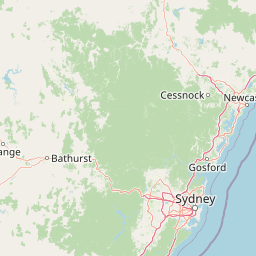
The physical landscape of Blue Mountains National Park is defined by its characteristic sandstone plateaus and deeply incised gorges that create one of Australia's most visually dramatic wilderness environments. Rather than true mountains, the region consists of an uplifted and heavily eroded plateau that has been dissected by rivers over millions of years into a complex terrain of cliff-lined valleys, isolated peaks, and dramatic rock formations. The plateau surface slopes gently from west to east, with the highest points around Mount Victoria and Mount Werong reaching over 1,100 metres above sea level, descending to under 200 metres near Glenbrook in the east. The sandstone geology, part of the greater Sydney Basin, has been carved into spectacular cliff faces by rivers and weathering, with vertical drops of several hundred metres common throughout the park. Notable features include the Three Sisters at Echo Point near Katoomba, the waterfalls of Govetts Leap and Wentworth Falls, and the eroded labyrinthine formations of the Blue Labyrinth area. Along watercourses, particularly in the Leura area, pockets of temperate rainforest persist in the sheltered gorges, representing relict Gondwanan vegetation communities that predate the eucalypt-dominated landscapes that now dominate.
Blue Mountains National Park ecosystems, habitats, and plant life
The ecological character of Blue Mountains National Park is defined by the diversity of habitats created by its variable elevation, rainfall, and terrain, supporting what may be the most complex array of eucalypt communities in a single protected area globally. The park contains wet and dry sclerophyll forests, mallee woodlands, heathlands, swamps, wetlands, and remnant grasslands, each supporting distinct assemblages of plants and animals. The Myrtaceae, Fabaceae, and Proteaceae plant families are particularly well represented, with 114 endemic species and 177 threatened species documented within the park. Of exceptional significance is the Wollemi Pine, a living fossil species that survived undetected in remote canyons until its discovery in 1994, with fewer than 100 mature trees known in the wild. The park's position at the transition between tropical and temperate Australian bioregions contributes to its remarkable species diversity, with vegetation communities ranging from cool temperate forests in the higher western sections to more subtropical influences in the sheltered eastern gorges. The numerous watercourses and swamp systems provide critical habitat for aquatic and semi-aquatic species, with the Coxs River and Wollondilly River systems flowing through the park to Lake Burragorang, Sydney's primary water supply reservoir.
Blue Mountains National Park wildlife and species highlights
Blue Mountains National Park supports an extraordinary diversity of wildlife, with the park's various habitats providing refuge for approximately one-third of Australia's bird species along with numerous mammals, reptiles, and amphibians. The avian fauna is particularly notable, with the critically endangered regent honeyeater among the most significant species, relying on specific woodland habitats for foraging and nesting. Mammal species include common eastern grey kangaroos that are frequently encountered by visitors in more open areas, alongside various possum, glider, and bandicoot species in the forested sections. The park supports several reptile species of conservation concern, including the broad-headed snake that inhabits rocky outcrops and the Blue Mountains water skink, a species endemic to the higher elevation streams and rocky areas of the park. The wetland and swamp habitats provide critical breeding and feeding grounds for various frog species, with the seasonal patterns of rainfall influencing breeding cycles. The combination of extensive forest cover, rocky refuges, and watercourse corridors creates a connected habitat network that supports both common and threatened species across the park's extent.
Blue Mountains National Park conservation status and protection priorities
Blue Mountains National Park represents one of Australia's most significant conservation achievements, protecting a representative sample of the unique Australian wilderness within easy reach of a major population centre. The park's inclusion in the Greater Blue Mountains World Heritage Area in 2000 recognizes its outstanding universal value as a refuge for biodiversity, with the area supporting an exceptional concentration of endemic species in the context of temperate ecosystems. The park's listing on the Australian Heritage Register provides additional statutory protection, while the recognition of its walking track network on the State Heritage Register acknowledges the cultural heritage values of the extensive trail system established over many decades. Conservation management within the park focuses on maintaining ecological processes, protecting water quality flowing to Sydney's water supply catchment, managing fire regimes appropriate to the various vegetation communities, and controlling invasive species that threaten native biodiversity. The park also serves as a critical corridor linking larger wilderness areas to the north and south, allowing for wildlife movement across the landscape and maintaining genetic connectivity between populations.
Blue Mountains National Park cultural meaning and human context
The Blue Mountains region has been home to Aboriginal peoples for tens of thousands of years, with the Gundungurra and Darug peoples having deep cultural connections to the landscape that today falls within the park boundaries. The name Blue Mountains itself reflects the European naming of the region, deriving from the characteristic blue haze that envelopes the landscape. European exploration and settlement began in the early 19th century, with the development of the mountains as a retreat for Sydney's elite during the colonial period. The construction of the Katoomba Scenic Railway in the 1930s reflects the long history of tourism in the region, though the area's appeal to bushwalkers and naturalists predates mechanized access by many decades. The southern section of the park contains remnants of early settlement, including the flooded remains of the Burragorang Valley communities submerged beneath Lake Burragorang when the dam was constructed. The extensive walking track network, added to the State Heritage Register in 1999, represents a cultural landscape of national significance reflecting decades of volunteer and institutional effort to create and maintain access throughout the park.
Top sights and standout views in Blue Mountains National Park
The park's most visited section concentrates around the dramatic lookouts between Wentworth Falls and Blackheath, where the iconic Three Sisters formation provides the quintessential Blue Mountains experience. The Jamison Valley view from Echo Point encompasses Mount Solitary and the forested canyon floor far below, while Govetts Leap offers equally spectacular waterfall views. Beyond the lookouts, the park rewards more adventurous visitors with remote wilderness experiences including multi-day walks through the southern Blue Labyrinth, exploration of the remote Wolgan Valley, and access to the Jenolan Caves system. The network of over 37 walking tracks registered on the State Heritage Register provides options from easy accessible walks to challenging wilderness traverses. The opportunity to observe wild kangaroos in their natural habitat, combined with the proximity to Sydney, makes the park uniquely accessible among Australia's great wilderness areas.
Best time to visit Blue Mountains National Park
The Blue Mountains can be enjoyed year-round, though autumn and spring generally offer the most comfortable conditions for outdoor exploration with mild daytime temperatures and reduced humidity. Winter months (June to August) bring colder conditions, particularly at higher elevations, but also typically clear skies and excellent visibility for photography and sightseeing. Summer (December to February) can bring hot conditions and occasional severe thunderstorms, though the forest environments provide cooler conditions in the valleys. The characteristic blue haze is often most pronounced during summer when the combination of heat, eucalyptus oil emissions, and atmospheric conditions creates the most dramatic effect. Rainfall is distributed throughout the year, with the higher western sections receiving more precipitation than the eastern areas near Katoomba, and waterfalls are at their most impressive following periods of sustained rainfall.