Why Windsor Downs Nature Reserve stands out
Windsor Downs Nature Reserve is best known for protecting a remnant of Cumberland Plain Woodland, a critically endangered ecological community native to the western Sydney region. The reserve is often cited as one of the small but ecologically significant pockets where this woodland type still survives amid extensive urban development. It is also notable for its role in supporting the regent honeyeater, one of Australia's most threatened woodland-dependent birds, and for the visible legacy of its former use as grazing land associated with the Riverstone Meatworks.
Windsor Downs Nature Reserve history and protected-area timeline
Windsor Downs Nature Reserve occupies land that was historically part of the country of the Darug Aboriginal people. Archaeological evidence within the reserve includes Aboriginal campsites and stone tools, indicating a long pre-colonial human presence connected with the broader Cumberland Plain landscape.
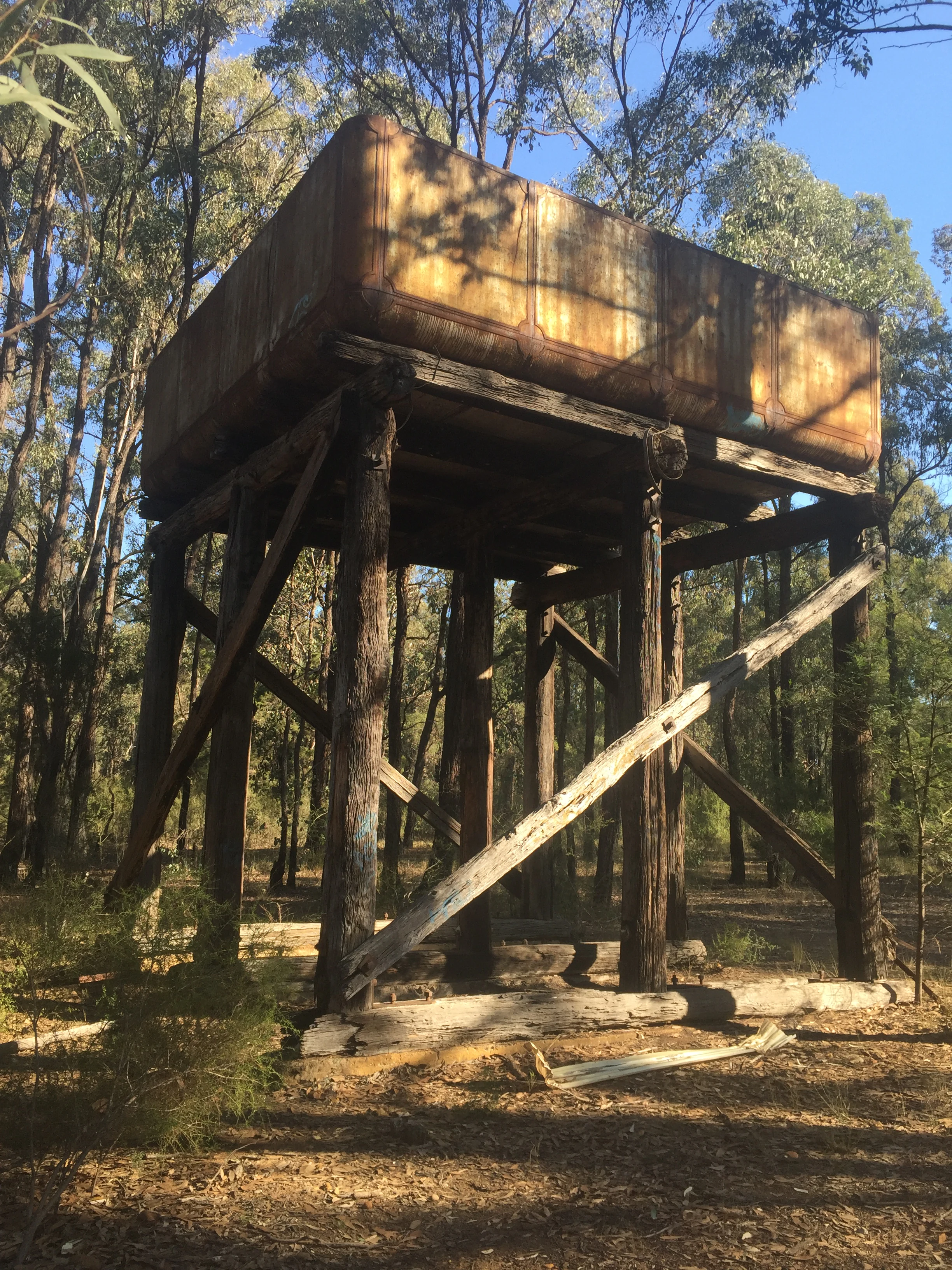
The land was later acquired by the Riverstone Meatworks and used for more than a century, during which it was substantially cleared and managed as grazing land for cattle. Remnants of this period, including an old water tower and concrete water troughs, remain as visible features of the reserve today.
In the late 1980s, shortly before the Riverstone Meatworks closed, the property was sold to the New South Wales National Parks and Wildlife Service. The reserve was officially established on 7 September 1990 as a state-protected nature reserve. In more recent history, the reserve was severely affected by a major bushfire on 10 September 2013, which was subsequently attributed to a power line brought down by strong winds.
Windsor Downs Nature Reserve landscape and geographic character
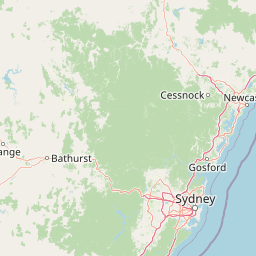
Windsor Downs Nature Reserve lies on the gently undulating terrain of the Cumberland Plain, west of Sydney. The reserve does not rise into dramatic peaks or carved gorges; rather it occupies low, rolling ground at the edge of the Hawkesbury-related plain, with subtle variations driven primarily by changes in soil type rather than major topographic relief.
This variation in substrate shapes the visual character of the reserve. Where clay-rich soils dominate, the land carries open eucalypt forest with ironbarks reaching into the canopy above a grassy understorey. On the sandier soils, the forest gives way to a more open sclerophyll woodland dominated by Eucalyptus sclerophylla, with a different understorey structure and a lighter, more dappled feel. Former grazing paddocks, now released from grazing pressure, support patches of regenerating hakea scrub that add further textural variety to the landscape.
The reserve's setting is also strongly defined by its urban context. Suburban edges meet the woodland margin in several directions, and the surviving vegetation has meaning precisely because it is surrounded by developed land rather than continuous bush. The old meatworks water tower, still standing within the reserve, anchors the scene with a reminder of how thoroughly the original woodland was cleared and how partial its recovery remains.
Windsor Downs Nature Reserve ecosystems, habitats, and plant life
The ecological identity of Windsor Downs Nature Reserve is inseparable from the broader identity of the Cumberland Plain Woodland, the critically endangered ecological community of grassy and shrubby eucalypt woodland that once stretched across the western Sydney basin. The reserve preserves a representative fragment of this community in a region where the vast majority of the original woodland has been cleared for housing, roads, and pasture.
Vegetation within the reserve is highly correlated with soil conditions. Ironbark open forests of Eucalyptus fibrosa and Eucalyptus sideroxylon prefer heavier clay substrates and form the dominant forest type across parts of the reserve. Where soils become sandier, Eucalyptus sclerophylla woodlands take over, creating a structurally distinct habitat. On the former grazing areas that were stripped and compacted during the meatworks era, the vegetation community is now in a more seral, recovering state, dominated by sub-mature hakeas and a thinning canopy of regenerating eucalypts.
Among the reserve's notable ecological contributions is its population of threatened plant species. Dillwynia tenuifolia, Persoonia nutans, Pultenaea parviflora, and Grevillea juniperina all survive here, lending the reserve botanical significance well beyond its small footprint. The combination of intact mature woodland, regenerating areas, and a number of microhabitats gives the reserve considerable ecological complexity for its size and supports a diverse community of dependent animals.
Windsor Downs Nature Reserve wildlife and species highlights
Windsor Downs Nature Reserve supports a surprisingly rich assemblage of native fauna for a small, suburban-edge reserve. Eastern grey kangaroos are a regular and conspicuous presence, often seen grazing in the more open grassy patches. Swamp wallabies use the denser shrubby areas, while arboreal mammals such as sugar gliders, common brushtail possums, and common ringtail possums inhabit the older hollow-bearing trees.
The bird community is one of the reserve's strong points. At least sixty-eight species have been recorded, including familiar woodland birds such as yellow-tailed black cockatoos, sulphur-crested cockatoos, and laughing kookaburras. The reserve holds particular significance for two birds of conservation concern: the endangered regent honeyeater, which is known to reside here, and possibly one of the last populations of red-capped robins persisting within greater Sydney.
Reptiles are also well represented. Goannas patrol the woodland floor and fallen timber, eastern brown snakes and red-bellied black snakes occur in the reserve, and blue-tongued lizards are commonly encountered in more open areas. Together, the mammals, birds, and reptiles reflect the reserve's ability to support a functioning, if small, woodland ecosystem in close proximity to large urban populations.
Windsor Downs Nature Reserve conservation status and protection priorities
Windsor Downs Nature Reserve is managed as a strict nature reserve under IUCN Category Ia by the NSW National Parks and Wildlife Service, a designation that reflects its conservation intent and the level of protection from incompatible uses. Its primary conservation value lies in protecting a surviving example of Cumberland Plain Woodland, a critically endangered ecological community whose original extent across western Sydney has been almost entirely lost to urban expansion.
The reserve is significant for safeguarding populations of threatened species on both sides of the plant and animal divide. It supports threatened flora such as Persoonia nutans and Dillwynia tenuifolia, and provides habitat for the endangered regent honeyeater, one of Australia's most imperilled woodland birds. As such, the reserve acts as a small but important refugium for species that have disappeared from much of the surrounding landscape.
The 2013 bushfire, caused by a windblown power line, illustrates the conservation challenges facing small reserves embedded in urban and peri-urban environments, where external infrastructure and edge effects create ongoing risks. Even so, the reserve stands as a working example of how remnant native vegetation on the Cumberland Plain can be protected, managed, and connected to broader biodiversity outcomes for western Sydney.
Windsor Downs Nature Reserve cultural meaning and human context
Windsor Downs Nature Reserve occupies land with deep and layered cultural connections. The area lies within the traditional country of the Darug people, and the presence of recorded Aboriginal campsites and stone tools within the reserve points to a long history of Aboriginal land use across the Cumberland Plain before European colonisation.
The more recent cultural layer is tied to the Riverstone Meatworks. For well over a century the property operated as part of a large-scale meat processing and pastoral enterprise that shaped the economy and settlement pattern of western Sydney. While the meatworks has long since closed, the surviving structures inside the reserve, including the water tower and concrete water troughs, give the landscape a distinctive industrial pastoral character that overlays its ecological identity. Together these layers make Windsor Downs a place where Aboriginal heritage, early colonial pastoral use, and modern nature conservation intersect in a relatively compact area.
Top sights and standout views in Windsor Downs Nature Reserve
Windsor Downs Nature Reserve is highlighted by its role as one of the few surviving remnants of Cumberland Plain Woodland, an ecological community that is essentially exclusive to the western Sydney region and is now critically endangered. This single defining feature underpins much of the reserve's conservation value and ecological identity.
Beyond its vegetation, the reserve offers a remarkable concentration of biodiversity for its size, including eastern grey kangaroos, a diverse reptile community, and at least sixty-eight recorded bird species. The presence of the endangered regent honeyeater gives the reserve national conservation significance, while reminders of its past as Riverstone Meatworks grazing land, including the old water tower, give it a distinctive cultural character unusual for a small nature reserve.
Best time to visit Windsor Downs Nature Reserve
Windsor Downs Nature Reserve can be visited throughout the year, with different seasons highlighting different aspects of the woodland. Spring is typically the most rewarding period for wildflowers and for hearing the range of woodland birds in full breeding activity. Autumn brings cooler, more comfortable conditions and stable weather for walking the reserve and observing wildlife.
Summer in western Sydney can be very hot, and visitation during the warmest parts of the day is generally less comfortable, though early mornings and cooler evenings can still produce good wildlife sightings. Winter days are usually mild and clear, offering calm conditions for viewing the woodland structure and spotting kangaroos and birds. Visitors should be aware that fire risk can affect access and walking conditions, particularly during hotter, drier periods, after events such as the 2013 bushfire that affected the reserve.