
Why Western Sydney Parklands stands out
Western Sydney Parklands is best known for being one of the largest urban park systems of its kind in the world, combining a continuous green corridor of woodlands, grasslands, and recreational precincts across a densely populated metropolitan region. It is prominent for its role in conserving remnants of the critically endangered Cumberland Plain Woodland, reinforced by large-scale re-vegetation efforts such as the planting of more than 140,000 trees by school students in 2019. The park is also recognised for the way it follows and incorporates major transport corridors, particularly the M7 motorway and M7 cycleway, creating an accessible spine of public open space in western Sydney. The long ridgeline that runs through the park, sweeping vistas over Greater Western Sydney, and a string of distinctive precincts ranging from Bungaribee in the north to the southern reserves add to its character.
Western Sydney Parklands history and protected-area timeline
The landscape that would become Western Sydney Parklands has deep Aboriginal heritage. The area was significant to the Darug people and continues to be recognised as important by the Aboriginal Land Council. Early European visitors included figures such as Edward Abbott and George Johnson, and colonial land use left behind sites such as the Upper Canal System and the Bungarribee Homestead archaeological complex.
The modern park was formally planned in 1968, when planners responded to the growing recreational needs of Western Sydney and designated a long corridor of open space. During the late 1970s, parts of the northern regional park were used for rural residential lots near Horsley Park, a legacy of the area's earlier semi-rural character. The park's modern identity took shape around the turn of the millennium when it provided venues for the Sydney 2000 Olympic Games, supplying important sporting and event infrastructure that continues to be part of the parklands today.
The boundaries of the park were finalised in 2006, and a year later, a continuous walking and cycling track winding through the reserve was completed and opened to the public, transforming the park into a more accessible and unified green corridor. Since then, ecological restoration has become a defining theme, culminating in major community-led efforts such as the 2019 campaign in which school students planted over 140,000 trees to rejuvenate the endangered Cumberland Plain Woodland community.
Western Sydney Parklands landscape and geographic character
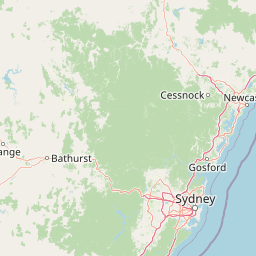
Western Sydney Parklands is shaped around a distinctive elongated footprint that mirrors the alignment of major transport corridors in western Sydney. From north to south, the park follows the western side of the M7 motorway and the M7 cycleway, crossing to the western side near Cecil Hills before terminating in Horningsea Park. This linear layout gives the park a corridor-like character, narrow east to west but unusually long, covering roughly 27 kilometres from Quakers Hill to Leppington.
The most prominent physical feature is a continuous north-south ridgeline that traverses the reserve, offering sweeping panoramic views across Greater Western Sydney. Soils across the park are dominated by Luddenham soil derived from Wianamatta Shale, supporting both remnant and planted vegetation. Wetland pockets, such as those around Bungaribee, contrast with drier ridgeline views from points like Moonrise Lookout and Sugarloaf Ridge.
The parkland also functions as a hydrological crossroads. It contains the headwaters of Eastern Creek, a tributary of the Hawkesbury-Nepean system, and sits along the catchment boundary that separates the Hawkesbury-Nepean, Georges River, and Parramatta River basins. The landscape thus combines scenic ridge lines, seasonal wetlands, open grasslands, and woodland remnants within a connected metropolitan green space.
Western Sydney Parklands ecosystems, habitats, and plant life
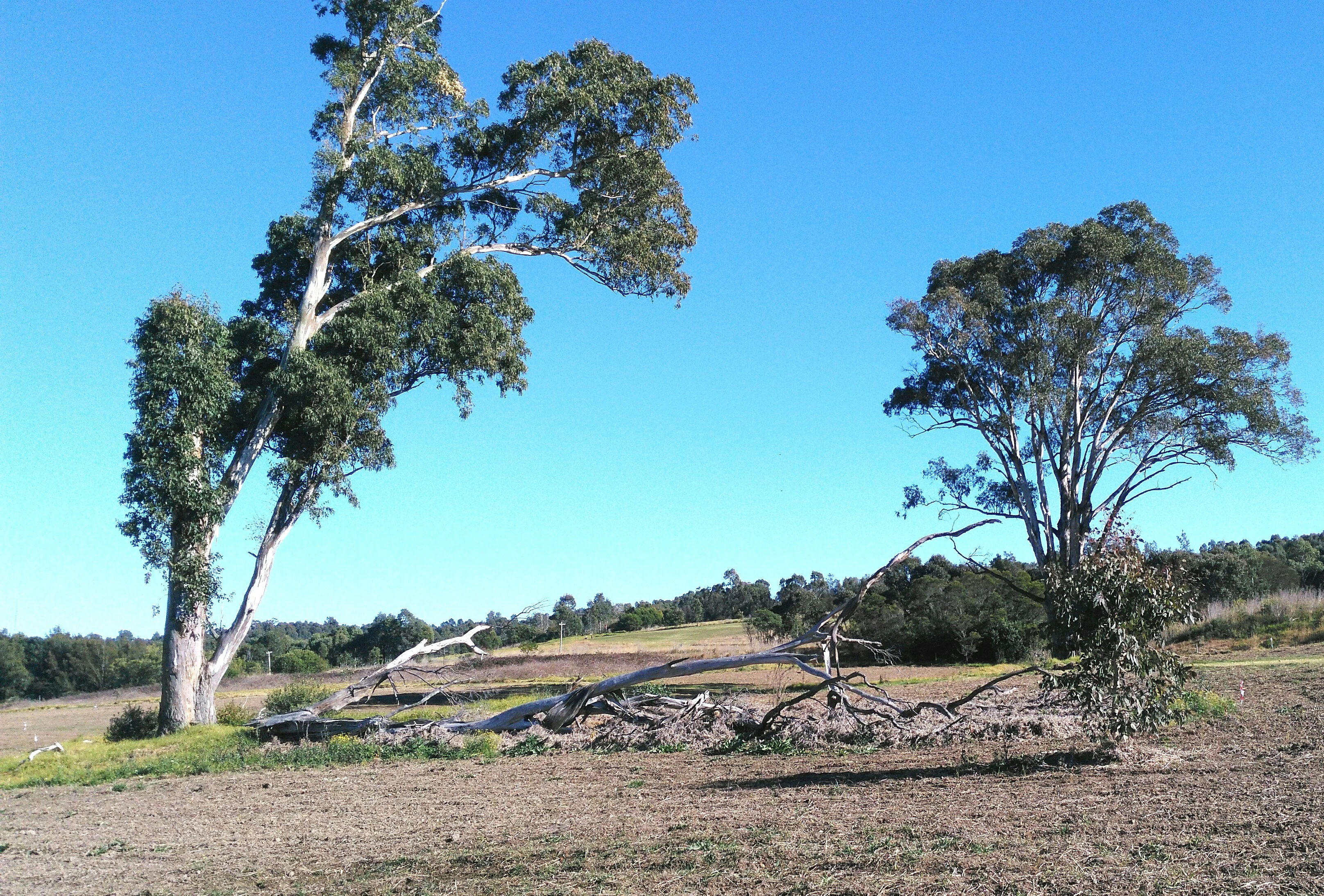
Ecologically, Western Sydney Parklands occupies a precarious but important position, preserving fragments of one of Sydney's most threatened vegetation types while actively rebuilding what has been lost. The park contains roughly 135 hectares of Cumberland Plain Woodland, a critically endangered ecological community that once dominated much of the Sydney region. Around 427 hectares consist of planted re-vegetation and cleared grassland, the result of decades of restoration work supported through programs such as Greening Western Sydney, which has been active since the early 1990s.
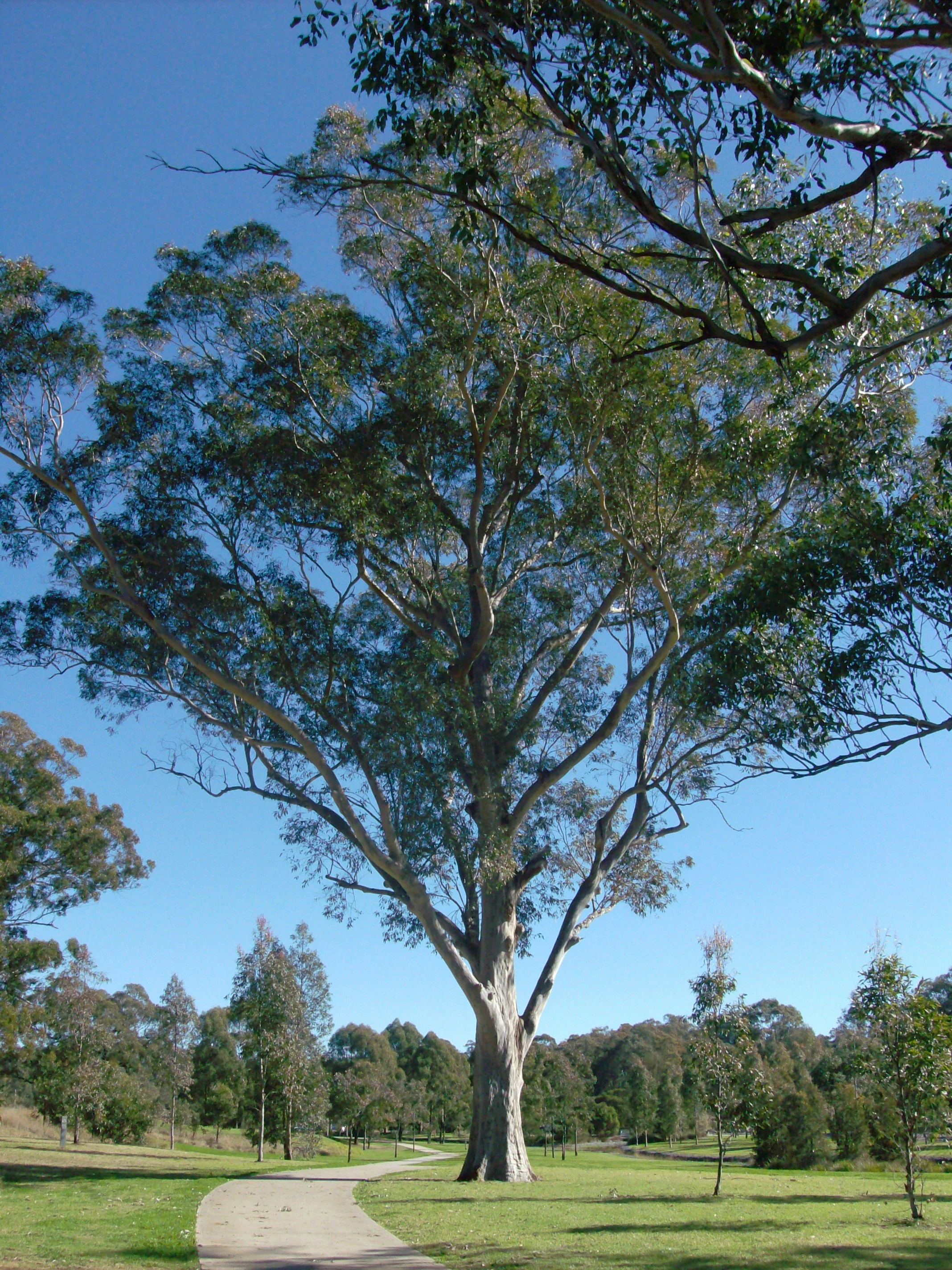
Tree species across the park include forest red gum, Eucalyptus moluccana, Eucalyptus tereticornis, Eucalyptus crebra, Corymbia maculata, stringybark species, and Eucalyptus eugenioides. The shrub and ground layer includes blackthorn (Bursaria spinosa), Themeda triandra, Themeda australis, and Microlaena stipoides, helping maintain a savanna-style landscape in areas such as Bungaribee. Wetland pockets within the park support wildflowers and provide habitat diversity not found in the surrounding suburbs.
The park's vegetation mosaic supports around eighty native vertebrate species, including mammals, birds, reptiles, amphibians, and bats. Although foxes and rabbits are present and not rare, the broader ecological character of Western Sydney Parklands is shaped by its role as habitat, by its long corridors of connected bushland, and by the restoration efforts that continue to expand the extent of native vegetation across the reserve.
Western Sydney Parklands wildlife and species highlights
Western Sydney Parklands hosts a broad cross-section of native fauna, from large mammals to migratory birds and a characteristic range of parrots. The northern sections around Quakers Hill, Glendenning, and Bungarribee are particularly notable for a substantial population of eastern grey kangaroos, and the park also supports a sizeable population of fallow deer. Native frogs, lizards, and bats are common across a range of habitats, and the park's owls and bats include species such as the eastern false pipistrelle, common bent-wing bat, east-coast free-tailed bat, and Rüppell's broad-nosed bat.
Birdlife is one of the most visible elements of the park's fauna. Parrots, including rainbow lorikeets, rosellas, red-rumped parrots, galahs, and cockatoos, are present year round across the park's trees, while migratory species also pass through the reserve. Threatened bird species such as the white-faced heron, little eagle, varied sittella, and turquoise parrot are recorded within the parklands.
The park supports threatened species across several animal groups. Protection is afforded under both state and Commonwealth legislation, and notable records include the snail Meridolum corneovirens, arboreal marsupials such as the brush-tailed phascogale and several Petaurus species, and the grey-headed flying fox. The combination of woodland remnants, wetlands, and grasslands provides year-round habitat as well as stopover resources for migratory birds.
Western Sydney Parklands conservation status and protection priorities
Conservation is central to the identity of Western Sydney Parklands, both in its formal listing and in its on-the-ground programs. The parklands are administered under the National Parks and Wildlife Act 1974, giving them a recognised legal status that supports protection of native flora and fauna, including species listed as threatened under state and Commonwealth legislation. The presence of Cumberland Plain Woodland, a critically endangered Sydney ecological community, gives the park a particularly high conservation profile.
Restoration has been a key theme for decades. Through the Greening Western Sydney Program and ongoing revegetation efforts active since the early 1990s, large areas of former cleared grassland have been converted back to vegetation, with more than 140,000 trees planted by school students alone in 2019 to rejuvenate endangered woodland. The combination of remnant bushland and active planting is intended to rebuild habitat connectivity across the park's long corridor.
The park also serves conservation by buffering remnant habitats from surrounding urban development, by maintaining a north-south ecological corridor that supports wildlife movement, and by conserving catchment values at the headwaters of Eastern Creek and along the Hawkesbury-Nepean, Georges River, and Parramatta River catchments. Together, these features make Western Sydney Parklands an important component of regional biodiversity conservation in western Sydney.
Western Sydney Parklands cultural meaning and human context
Western Sydney Parklands carries a layered cultural history that stretches back well before its formal establishment as a regional park. The land has longstanding significance to the Darug people, and contemporary Aboriginal heritage remains an active dimension of the reserve, with the Aboriginal Land Council continuing to recognise the area as important. Indigenous connections are part of the park's identity alongside its colonial-era history.
European settlement also left deep marks on the landscape. Early explorers and settlers such as Edward Abbott and George Johnson passed through the area, and pastoral and military uses shaped parts of the parklands. Heritage sites still present include the Upper Canal System and the archaeological remains of the Bungarribee Homestead complex, alongside former military and infrastructural places such as market gardens, easements, and water supply canals.
In the modern era, the parklands have acquired a new layer of cultural meaning through their role in the Sydney 2000 Olympic Games, which located major venues on parkland, and through ongoing community engagement, particularly through tree-planting campaigns and recreational use by residents of Blacktown, Fairfield, and Liverpool.
Top sights and standout views in Western Sydney Parklands
Western Sydney Parklands stands out for its sheer scale within a major metropolitan area, linking sixteen precincts and around fifty park areas along a 27-kilometre corridor. The park's mix of Cumberland Plain Woodland remnants, large-scale re-vegetation, and rugged ridgeline scenery makes it an unusually rich urban nature reserve.
Distinctive attractions include the open spaces and wetlands of Bungaribee, the Chinese garden and lake at Nurragingy Reserve, the woodlands and lookouts around Lizard Log and Sugarloaf Ridge, the heritage values of The Rooty Hill and Upper Canal System, and major sporting venues such as Blacktown Olympic Park and the Sydney International Equestrian Centre. Large populations of eastern grey kangaroos, resident parrots, and migratory birdlife reinforce its appeal as a biodiversity-rich green corridor.
Best time to visit Western Sydney Parklands
Western Sydney Parklands is open throughout the year, and its character shifts with the seasons in ways that suit different kinds of visits. Spring is often the most rewarding period for wildflowers, bird activity, and pleasant walking and cycling conditions, while autumn offers cooler temperatures for longer walks along the ridge and through woodland precincts such as Lizard Log and Bungaribee.
Summer in western Sydney can be hot, and visits are generally more comfortable in the cooler parts of the day, when shaded picnic areas, barbecue spots, and the park's waterways and wetlands become particularly attractive. Winter brings crisper views from the park's north-south ridgeline and is a good time for spotting active kangaroos and a wide range of birdlife, including migratory species returning to or passing through the reserve.