Why Bongil Bongil National Park stands out
Bongil Bongil National Park is best known for its significant koala population, representing one of the most substantial colonies of this iconic marsupial in the state of New South Wales. The park also serves as an important sanctuary for migratory birds and supports exceptional avian diversity with over 160 species recorded. The combination of coastal forest habitats, wetland areas, and the presence of these signature species makes the park a notable destination for wildlife observation and nature-based activities in the region.
Bongil Bongil National Park history and protected-area timeline
Bongil Bongil National Park was formally established in 1995, representing the culmination of conservation efforts to protect the significant natural values of the Bongil Bongil area in northern New South Wales. The park was created through the designation of existing forested land and surrounding areas under the national parks legislation of New South Wales, bringing the area under the management authority of the NSW National Parks and Wildlife Service. The establishment of the park reflected recognition of the area's importance as a habitat for wildlife populations, particularly the notable koala colony that inhabits the surrounding forest regions.
Bongil Bongil National Park landscape and geographic character
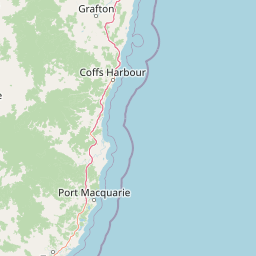
The physical landscape of Bongil Bongil National Park reflects the coastal setting of the park in northern New South Wales, characterized by rolling terrain that transitions from more elevated forested ridges through to lower-lying wetland and heath areas. The park encompasses sections of wet sclerophyll forest dominated by tall eucalyptus species, with the canopy supporting diverse understory vegetation. Coastal heath communities occur in the more exposed sections, while wetland areas provide seasonal habitat diversity. The overall landscape character is one of relatively intact forest ecosystems that have retained much of their pre-European structure and composition.
Bongil Bongil National Park ecosystems, habitats, and plant life
The ecological character of Bongil Bongil National Park is defined by its coastal forest ecosystems and associated habitat diversity. The wet sclerophyll forest communities support a complex structure of canopy, mid-story, and understory layers, providing habitat complexity that supports diverse fauna populations. The presence of wetland areas adds ecological dimension, creating habitat for waterbird species and contributing to the overall biodiversity of the park. The combination of forest types and the connectivity provided by the park's extensive forest cover creates favorable conditions for wildlife populations and supports the park's significance as a biodiversity refuge in the coastal NSW context.
Bongil Bongil National Park wildlife and species highlights
The wildlife of Bongil Bongil National Park is characterized by significant populations of native species, most notably the koala population that represents one of the largest in New South Wales. This iconic marsupial inhabits the eucalyptus forest communities throughout the park and surrounding areas, with the forest providing both food resources and shelter. Beyond koalas, the park supports remarkable avian diversity with approximately 165 bird species recorded, including numerous migratory species that use the area as a seasonal habitat or passage route. The variety of habitats within the park supports both forest-dwelling bird species and those associated with wetland environments.
Bongil Bongil National Park conservation status and protection priorities
The conservation significance of Bongil Bongil National Park is underscored by its protection of one of the largest koala populations in New South Wales, a species that faces considerable conservation pressure across its range. The park's coastal forest ecosystems represent important habitat that is otherwise diminished across much of the NSW coast. The diversity of bird species, including migratory populations, further emphasizes the park's ecological importance as a refuge and pathway for wildlife movement. The IUCN Category II designation reflects the park's recognized value as a representative protected area for coastal forest ecosystems.
Top sights and standout views in Bongil Bongil National Park
The standout qualities of Bongil Bongil National Park center on its exceptional wildlife significance, particularly the substantial koala population that distinguishes it from most other NSW protected areas. The recorded presence of approximately 165 bird species, many of them migratory, adds further weight to the park's ecological credentials. The coastal forest landscape provides a distinctive setting for nature-based recreation and wildlife observation, with the park offering opportunities to experience relatively intact forest ecosystems in a coastal context.
Best time to visit Bongil Bongil National Park
The park can be visited throughout the year, though conditions vary with the seasons. The wetter months from late autumn through winter and into early spring often bring more lush forest conditions, while summer and early autumn typically offer drier and more open visitation conditions. Wildlife viewing opportunities are generally good year-round, though koala activity may be more readily observable during cooler periods when animals are more active during daylight hours.