Why Yarriabini National Park stands out
Yarriabini National Park is best known for its exceptional combination of wet eucalyptus forest and subtropical rainforest that occurs on the Mid North Coast. The park protects significant stands of rose gum (Eucalyptus grandis) and hoop pine (Araucaria cunninghamii) growing in sheltered valleys and gullies. The high rainfall environment supports a rich understory and epiphytic plant communities typical of Australia's coastal mountain forests. The park's name connection to koalas reflects the ecological significance of the area for arboreal marsupials and the broader eucalypt forest ecosystem that supports them.
Yarriabini National Park history and protected-area timeline
Yarriabini National Park was formally established on 1 January 2003, representing the culmination of conservation efforts to protect the forests of the Mid North Coast region. The declaration of this area as a national park came during a period of increased recognition in New South Wales of the ecological value of combining national park protection with sustainable visitor access. The park's creation built upon earlier conservation initiatives in the region that had identified the Mid North Coast forests as requiring formal protection due to their unique blend of temperate and subtropical elements. The name "Yarriabini" carries cultural significance, being derived from local Aboriginal language and reportedly meaning "koala rolling," suggesting the area historically supported significant koala populations that were part of the cultural landscape for Indigenous communities.
Yarriabini National Park landscape and geographic character
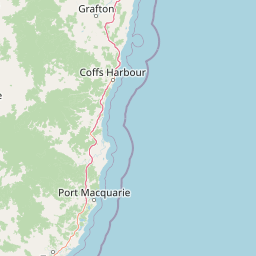
Yarriabini National Park occupies mountainous terrain in the Mid North Coast of New South Wales, with elevations reaching approximately 354 meters above sea level. The landscape is characterized by ridges and valleys that create varied aspect and moisture conditions across the park. The underlying geology and relatively fertile soils support dense vegetation communities that transition from exposed ridge communities of dry sclerophyll eucalyptus forest through to sheltered valley floors supporting tall subtropical rainforest. Streamlines and drainage channels create corridors of moisture-loving vegetation through the landscape. The contrast between the more open eucalyptus-dominated ridges and the densely canopied rainforest valleys represents the park's most distinctive visual characteristic.
Yarriabini National Park ecosystems, habitats, and plant life
The park protects a complex ecological mosaic that transitions between wet sclerophyll eucalyptus forest and subtropical rainforest, a community type characteristic of the Mid North Coast but increasingly rare due to historical clearing. The high rainfall of the region, combined with fertile soils derived from the underlying geology, creates conditions that support exceptional tree growth and diverse understory communities. Rose gum (Eucalyptus grandis) dominates many of the more open forest areas, while hoop pine (Araucaria cunninghamii) occurs in sheltered positions and represents a relict conifer lineage in the Australian flora. The rainforest understory supports ferns, palms, and epiphytic plants characteristic of moist forest environments. The combination of large old-growth trees, standing dead timber, and the transition between forest types creates a structurally complex habitat supporting numerous species.
Yarriabini National Park wildlife and species highlights
The forest communities of Yarriabini National Park support a range of wildlife typical of the Mid North Coast region. The extensive eucalypt forests provide habitat for arboreal marsupials including koalas, which are referenced in the park's very name, as well as various possum and glider species. The mix of forest types creates structural diversity that supports both canopy-dwelling and ground-dwelling fauna. Birdlife includes parrots, cockatoos, and honeyeaters that are characteristic of Australian eucalyptus forests, while the rainforest components support more specialized avian species. The presence of large old trees with hollows provides nesting and shelter resources for many cavity-dependent species.
Yarriabini National Park conservation status and protection priorities
Yarriabini National Park protects significant forest communities in a region that has experienced substantial vegetation clearing for agriculture and development. The park preserves examples of wet eucalyptus forest and subtropical rainforest that were once more widespread across the Mid North Coast. Protection of this area maintains connectivity between coastal and inland habitats and preserves catchment values for the Nambucca River system. The formal national park designation provides regulatory protection against logging, mining, and inappropriate development that would otherwise threaten these forest communities. Conservation values center on the retention of old-growth forest components, the protection of water quality in stream systems, and the preservation of habitat for forest-dependent species.
Yarriabini National Park cultural meaning and human context
The park's name derives from local Aboriginal heritage, with "Yarriabini" reportedly meaning "koala rolling" in the language of the traditional custodians of this landscape. This naming reflects the historical presence of koala populations in the area and suggests the cultural significance of this species to Indigenous communities. The Mid North Coast of New South Wales has a deep and continuous Indigenous heritage, with numerous Aboriginal sites and cultural values associated with the forests, waterways, and mountain landscapes of the region.
Top sights and standout views in Yarriabini National Park
Yarriabini National Park preserves a significant tract of mixed eucalyptus forest and subtropical rainforest on the Mid North Coast. The combination of wet sclerophyll woodland with tall rainforest in valleys represents a distinctive landscape type. Large rose gum and hoop pine specimens grow in sheltered areas, while the park's high rainfall supports rich understory communities. The name connection to koalas reflects the ecological importance of the area for this iconic marsupial. The park's establishment in 2003 formalized protection for forest communities that had long been recognized for their ecological value.
Best time to visit Yarriabini National Park
Yarriabini National Park can be visited throughout the year, with the climate of the Mid North Coast providing relatively mild conditions across seasons. Summer temperatures range from 18°C to 27°C, making this a pleasant time for forest walking, though afternoon storms can occur during the warmer months. Winter temperatures of 11°C to 19°C provide comfortable conditions for hiking, though the forest may be quieter. The high rainfall of the region means that the forest environment is green and lush year-round, with the wetter months typically from late summer through autumn bringing the most consistent precipitation. The park's forest character is attractive in all seasons, with the rainforest components being particularly vibrant following periods of rain.