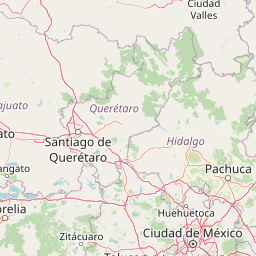
Why Cerro de la Estrella National Park stands out
Cerro de la Estrella is best known for its exceptional archaeological significance as the site of the ancient New Fire ceremony, one of the most important Mesoamerican religious rituals. The hill contains the remains of the Temple of the New Fire, where priests performed the ceremony every 52 years to mark the end of one calendar cycle and the beginning of another, with the last pre-Hispanic ceremony occurring in 1507. The park is also renowned for the annual Passion Play of Iztapalapa, a dramatic reenactment of the Crucifixion that draws thousands of visitors and follows a procession up the mountain to the Museo del Fuego Nuevo. The archaeological site contains ruins spanning from 1500 BCE to 1521, representing multiple pre-Columbian civilizations including Teotihuacan, Toltec, Chichimeca, and Mexica cultures.
Cerro de la Estrella National Park history and protected-area timeline
The history of Cerro de la Estrella spans thousands of years of continuous human habitation and cultural significance. The area has been inhabited since at least the mid Pre-Classic period, through the Spanish conquest and continuing to the present day. The earliest settlements were villages located on the mountain's slopes, with the largest nearby settlement being Culhuacán, founded around 900 CE by the Chichimeca. By the 15th century, the Mexicas had established control over the area. During the pre-Columbian period, the mountain was known as Huizachtecatl or Sacred Mountain, serving as the site of the New Fire ceremony performed once every 52 years to mark the conclusion of a calendar round. The most important archaeological remains in the park relate to this ceremony, with the last New Fire ceremony taking place in 1507. The park was officially established in 1938 by President Lázaro Cárdenas with an original area of 1,100 hectares, representing one of the earliest efforts to preserve green space and cultural heritage within Mexico City. However, the rapid growth of the metropolitan area has dramatically reduced the park's boundaries, with illegal settlements, urban development, and agricultural encroachment eliminating approximately ninety percent of the original protected area. Various protective designations have been applied, including declaration as a Zona Ecológica y Cultural in 1999 and inclusion under federal heritage protection laws in 2007, yet these efforts have proven insufficient to fully halt the degradation of the site.
Cerro de la Estrella National Park landscape and geographic character
The park is centered on Cerro de la Estrella, a volcanic mountain that rises dramatically from the urban landscape of eastern Mexico City. The mountain reaches 2,450 meters above sea level and stands approximately 224 meters above the surrounding city, making it a prominent topographic feature in the flat valley terrain. The mountain is part of the Sierra de Santa Catarina, a small mountain chain in the Valley of Mexico formed through volcanic processes. The terrain includes numerous small caves, with more than 110 caves documented throughout the park area. These caves hold geological significance and have cultural importance, having been used for various purposes over centuries including ceremonial activities and as sources of local legends. The original natural vegetation has been largely eliminated by urban development and historical land use changes, with current tree cover consisting primarily of planted species including Eucalyptus, Pinus patula pine, and white cedar, all results of reforestation efforts. The hilltop provides one of the best panoramic views of Mexico City, with the lookout point featuring benches with pre-Hispanic motifs and telescopes for visitors.
Cerro de la Estrella National Park ecosystems, habitats, and plant life
The ecological character of Cerro de la Estrella National Park has been fundamentally altered by centuries of human activity and more recent urban expansion. The original native wildlife of the area is essentially extinct, with most animals currently found in the park being limited to rodents including squirrels. The vegetation consists almost entirely of planted trees from reforestation efforts, primarily non-native species such as Eucalyptus and planted pines, with some white cedar. The mountain historically served as a recharge area for aquifers in the eastern part of Mexico City, a function that has been compromised by the surrounding urban development and the reduction of permeable surfaces. The park's current ecological value derives primarily from its role as an urban green space within one of the world's largest metropolitan areas, providing some habitat for city-adapted wildlife and offering environmental benefits to the surrounding community despite its compromised condition.
Cerro de la Estrella National Park wildlife and species highlights
The wildlife population at Cerro de la Estrella National Park is severely limited due to the heavily urbanized surroundings and historical loss of natural habitat. The original wildlife that once inhabited the volcanic slopes and surrounding areas has become essentially extinct as the region transformed from a natural landscape to part of the Mexico City metropolitan area. Currently, the most common animals found within the park are rodents, including various species of squirrels that have adapted to the urban environment and the planted tree cover. The park does not support significant populations of larger wildlife or diverse faunal communities, as the surrounding urban density and the park's small size and degraded condition do not provide suitable habitat. The ecological value from a wildlife perspective is minimal compared to the park's cultural and archaeological significance.
Cerro de la Estrella National Park conservation status and protection priorities
Cerro de la Estrella National Park faces severe conservation challenges despite its protected status. The park has lost approximately ninety percent of its original area since establishment in 1938 due to illegal settlements, urban encroachment, agricultural use, and other pressures. The park was declared a Zona Ecológica y Cultural of Mexico City in 1999 and was placed under the Ley Federal sobre Monumentos y Zonas Arqueológicos, Artísticos e Históricos in 2007, granting some legal protection to the archaeological resources. However, these measures have proven insufficient to prevent continued degradation. As of recent counts, approximately 180 families remain within the park proper, and the archaeological sites face threats from encroachment, agricultural use, graffiti, and illegal dumping. The park contains over 200 petroglyphs at risk of destruction, with the Matlolotzin group on the south side of the hill being particularly damaged by graffiti, some having been deliberately erased. More than 110 caves with geological and cultural significance face threats from human activity, sealing, and garbage disposal. Conservation efforts include the construction of boundary walls around particularly sensitive archaeological areas, with the most recent constructed in 2009.
Cerro de la Estrella National Park cultural meaning and human context
Cerro de la Estrella holds extraordinary cultural significance in Mesoamerican and Mexican cultural traditions. The mountain, known as Huizachtecatl or Sacred Mountain in pre-Columbian times, was one of the most important religious sites in ancient central Mexico. It served as the location of the New Fire ceremony, a major Mesoamerican ritual performed every 52 years to renew the cosmic cycle and ensure the continuation of the sun's light. This ceremony involved the extinguishing of all fires in the city, the sacrifice of a captive, and the relighting of the new fire from the heart of a sacrificed victim, with the new fire then distributed to all households. The last pre-Hispanic New Fire ceremony took place in 1507, just years before the Spanish conquest. Archaeological excavations have revealed remains from the Teotihuacan, Toltec, Chichimeca, and Culhua-Mexica cultures, dating from 1500 BCE to 1521. The Temple of the New Fire, the Sanctuary, the Villa Estrellas, and evidence of extensive terracing have been documented, along with numerous caves used for ceremonial purposes. The mountain continues to serve as the scene of Iztapalapa's annual Passion Play, a dramatic reenactment of the Crucifixion that attracts thousands of participants and spectators. The procession follows the main road through the park to the Museo del Fuego Nuevo, with the climax occurring at a location called Calvario that sits atop the base of a Teotihuacan-era pyramid.
Top sights and standout views in Cerro de la Estrella National Park
The most distinctive feature of Cerro de la Estrella National Park is its exceptional archaeological significance, containing the remains of the Temple of the New Fire where one of the most important Mesoamerican religious ceremonies was performed. The park preserves over 200 petroglyphs, more than 110 caves, and architectural remains spanning multiple pre-Columbian civilizations from 1500 BCE to 1521. The annual Passion Play of Iztapalapa, one of the largest and most elaborate in Mexico, takes place within the park and draws thousands of visitors who follow the procession up the mountain to the site of a Teotihuacan-era pyramid base. The summit offers panoramic views of Mexico City, making it a popular destination for both cultural and recreational visitors. The park's location entirely within a major urban center makes it unique among Mexican national parks, representing the intersection of metropolitan life with ancient cultural heritage.
Best time to visit Cerro de la Estrella National Park
Cerro de la Estrella National Park can be visited year-round due to its location within Mexico City and the generally mild climate at the mountain's elevation. The park is most crowded during Holy Week when the annual Passion Play takes place, typically in March or April depending on the liturgical calendar. This period offers a unique opportunity to experience one of Mexico's most significant religious and cultural traditions, though visitors should expect large crowds and possible road closures. For those interested in exploring the archaeological sites and hiking the mountain trails with fewer interruptions, the drier months from November through April generally offer more comfortable conditions. The summer months from June through September coincide with the rainy season, which can make trails muddy and less suitable for hiking but also brings fresher vegetation to the reforested areas. The lookout point at the summit provides views in any season, though clear days in the dry season typically offer better visibility over the metropolitan area.