
Mori Atlas logo
Nature reserveDębno nad Wartą Nature Reserve

Analyzing the protected floodplain ecosystems and faunistic habitat of the Warta river valley.

Dębno nad Wartą Nature Reserve: A Detailed Geographic Atlas of Riparian Forest Landscapes

(Rezerwat przyrody Dębno nad Wartą)

Dębno nad Wartą Nature Reserve functions as a critical faunistic sanctuary within the Greater Poland Voivodeship. This protected area preserves a rare, seasonally flooded riparian woodland featuring mature oak, ash, alder, and elm stands along the Warta river valley. The site provides essential habitat for specialized invertebrates and serves as a key component of the wider Żerkowsko-Czeszewski landscape corridor, offering clear insight into lowland forest conservation and hydrologic geography.

faunistic reservenature reserveriparian forestfloodplain forestoak forestash-alder-elm woodland
A flat, stylized illustration of a mountain landscape featuring a river in the foreground, coniferous trees, and a tall waterfall cascading down high rocky cliffs in the background.

Dębno nad Wartą Nature Reserve

Nature reserve

Park overview

Structured park overview, official facts, and landscape profile for Dębno nad Wartą Nature Reserve

Dębno nad Wartą Nature Reserve park facts, protected area profile, and essential visitor context

Review the core facts for Dębno nad Wartą Nature Reserve, including designation, size, terrain, visitor scale, habitats, and operating context in one park-focused overview.

About Dębno nad Wartą Nature Reserve

Dębno nad Wartą Nature Reserve is a compact faunistic reserve in the Wielkopolska region, created specifically to protect rare and ecologically interesting invertebrates that depend on a particular kind of Central European floodplain forest. The reserve lies in gmina Nowe Miasto nad Wartą, in Średzki County, and sits within the territory of the Żerkowsko-Czeszewski Park Krajobrazowy, a regional landscape park that protects a wider section of the Warta river valley.

The defining feature of the reserve is its habitat: a las łęgowy, a periodically flooded riparian forest that experiences seasonal inundation, typically in spring. This dynamic hydrology supports a tree community dominated by oak, ash, alder, and elm, species adapted to wet soils and seasonal waterlogging. Such floodplain forests once formed extensive corridors along major Polish rivers, though they have become increasingly fragmented across the lowlands of central Europe.

The reserve was legally established on 16 September 1974 by an order of the Minister of Forestry and the Wood Industry, with the founding text published in the Polish Monitor (Monitor Polski). Importantly, the reserve was created in response to the presence of specific rare animals rather than rare plants or geological features, which is why it holds the faunistic classification. Today the area is managed under active conservation (ochrona czynna), meaning that management practices may include deliberate interventions to preserve habitat conditions for the target species.

In geographic terms, the reserve occupies a position in the Kotlina Śremska and Wał Żerkowski mesoregions, two physical-geographical units that together describe the broad valley and morainic terrain flanking the Warta in this part of Wielkopolska. Its relatively small footprint, combined with its embedded location within a larger landscape park, makes the reserve a node within a broader network of protected natural areas along the middle Warta.

Quick facts and research context for Dębno nad Wartą Nature Reserve

Dębno nad Wartą was established in September 1974 by ministerial order and is classified as a faunistic nature reserve, a Polish protected-area designation focused on animal species rather than plant communities or geological features. The reserve is administratively located in the gmina of Nowe Miasto nad Wartą, within Średzki County in the Wielkopolska Voivodeship.

Its area is approximately 21.7 hectares, with the founding legal instrument citing 21.62 hectares. The reserve is managed under active conservation (ochrona czynna), a regime that allows direct interventions to maintain or restore the habitat conditions required by the protected species.

The reserve's territory falls within the Żerkowsko-Czeszewski Park Krajobrazowy, a regional landscape park, placing it within a larger framework of landscape protection in the Warta river basin.

Protection and recognition

Documented terrestrial protection scope, designation framework, and management context

Protection Status and International Recognition for Dębno nad Wartą Nature Reserve

Terrestrial protection status and designation history outline the foundational conservation framework established for Dębno nad Wartą Nature Reserve. Structured records assemble verified management scope and official recognition sources for accurate geographic analysis.

Protection details

Protection scope
Terrestrial
Transboundary protection
No
Park context

Deeper park guide and search-rich context for Dębno nad Wartą Nature Reserve

Dębno nad Wartą Nature Reserve history, landscape, wildlife, and travel context

Explore Dębno nad Wartą Nature Reserve through its history, landscape character, ecosystems, wildlife, conservation priorities, cultural context, and seasonal travel timing in a structured park guide built for atlas discovery and search intent.

Why Dębno nad Wartą Nature Reserve stands out

The reserve is best known for the protection of rare invertebrate species, particularly two notable snails: Ruthenica filograna and the so-called mask snail (Isognomiastoma personatum). These are unusual species in the context of lowland Wielkopolska and give the reserve its character as a faunistic, rather than floristic, site. The protected fauna is tied to a specific habitat type: a periodically flooded riparian forest composed of oak, ash, alder, and elm. The combination of these protected invertebrates and their distinctive floodplain habitat is what truly defines the reserve.
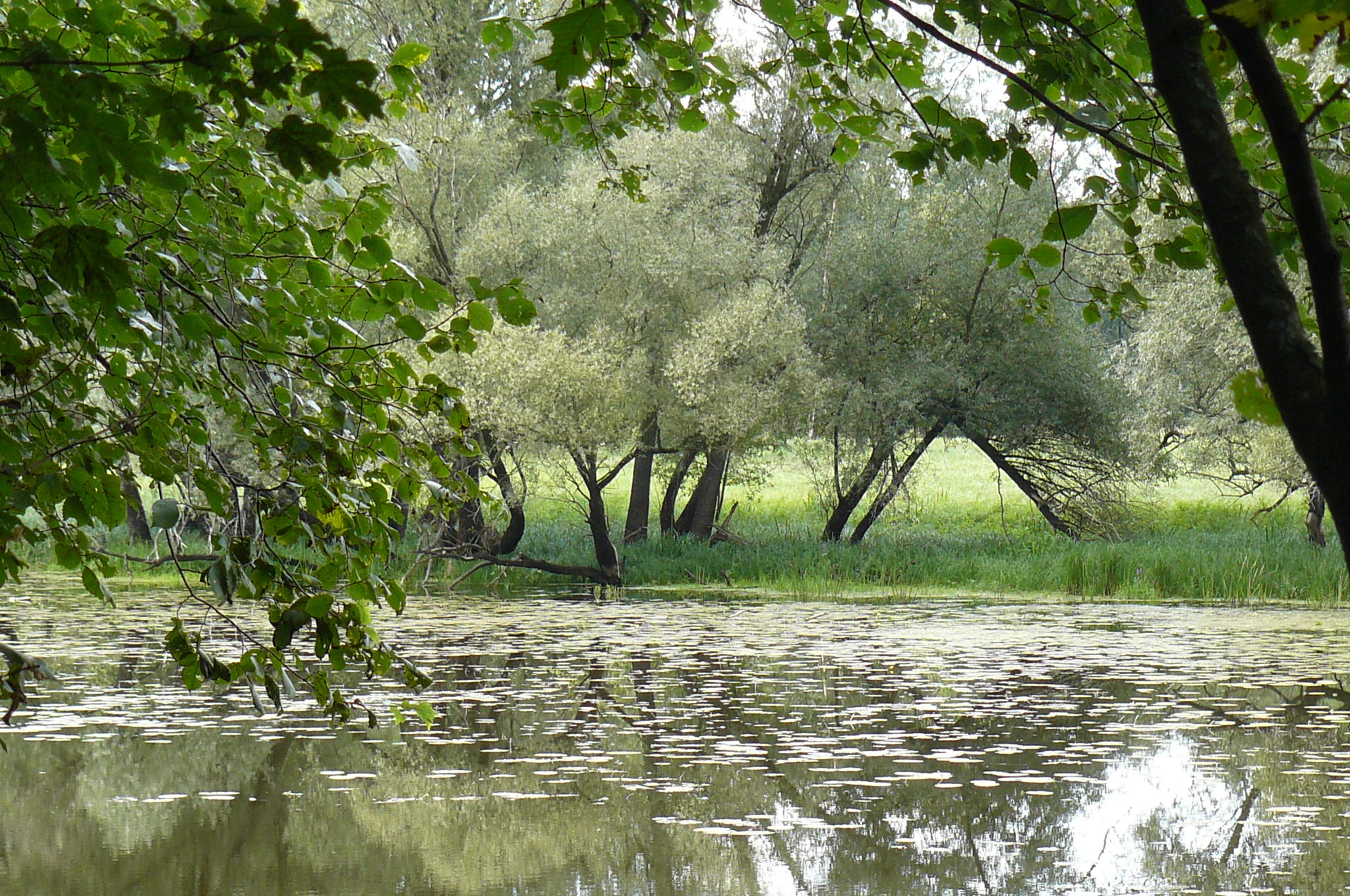
A tranquil scene in a floodplain forest showing a pond covered in water lilies in the foreground, with trees and marshy grass in the background.
A view of the Dębno nad Wartą Nature Reserve, highlighting the floodplain forest and riparian environment.

Dębno nad Wartą Nature Reserve history and protected-area timeline

The reserve was established on 16 September 1974 under a ministerial order issued by the Polish Minister of Forestry and the Wood Industry. The founding reason documented in the legal act was the protection of populations of rare invertebrate animals, with a particular focus on specific snail species whose presence in the lowlands of Wielkopolska is unusual.

From its inception, the reserve was classified as a faunistic reserve, reflecting that its primary conservation rationale was animal-related rather than botanical or geological. Over time, the reserve has been maintained under an active conservation regime, which allows ongoing habitat management rather than a strict hands-off approach.

The reserve's significance has also been reinforced by its position within the broader Żerkowsko-Czeszewski Park Krajobrazowy, a regional landscape park established to protect the wider landscape of the middle Warta. This layered status means that the small reserve is embedded within a much larger protected landscape framework.

Dębno nad Wartą Nature Reserve landscape and geographic character

The landscape of Dębno nad Wartą is shaped by the middle Warta river valley and the associated floodplain hydrology. The reserve occupies territory within two physical-geographical mesoregions: Kotlina Śremska, the lowland basin associated with the Warta near Śrem, and Wał Żerkowski, a morainic ridge feature that gives the surrounding landscape its gently rolling character.

The defining in-reserve landscape is a seasonally flooded riparian forest known as las łęgowy. In spring, the area is periodically inundated by floodwaters from the Warta, an ecological pulse that maintains the wet soil conditions on which the characteristic tree community depends. The forests here are mixed and structurally complex, with oaks, ashes, alders, and elms forming the canopy, and a richer understory shaped by moisture and periodic deposition of silt.

Beyond the reserve itself, the surrounding landscape blends the level, water-influenced floodplain with the slightly elevated terrain of the Wał Żerkowski. Together these create a varied mosaic of wet woodland, meadows, farmland, and minor ridges typical of the middle Warta region.

Dębno nad Wartą Nature Reserve ecosystems, habitats, and plant life

Ecologically, the reserve represents an increasingly rare example of a lowland Central European floodplain forest on the middle Warta, a habitat class that has significantly contracted across much of the region due to river regulation and land conversion. The forest is shaped by regular flooding, which prevents most dry-land species from dominating and instead favors trees and understory species tolerant of seasonal waterlogging.

The tree composition is classic for a Polish las łęgowy: oak (dąb), ash (jesion), alder (olsza), and elm (wiąz). Together they create a structurally diverse canopy and maintain the moist, humus-rich, periodically oxygen-depleted soils that are characteristic of riparian forests.

The broader ecological value of the reserve comes from its connection to the surrounding landscape park, allowing species and ecological processes to extend beyond the small reserve boundary into adjacent riparian and morainic habitats. This connectivity is particularly relevant for invertebrates with limited dispersal but specific microhabitat requirements.

Dębno nad Wartą Nature Reserve wildlife and species highlights

The primary wildlife significance of the reserve lies in its invertebrate fauna. The reserve was specifically created to protect two rare snail species: Ruthenica filograna and Isognomiastoma personatum, the latter commonly referred to in Polish as ślimak maskowiec or mask snail. These species are typically associated with well-preserved, old-growth, moist forest habitats and are considered notable finds in the lowland Polish context.

In addition to these target snails, the reserve also hosts protected populations of certain woodlice species (równonogi) described in the founding documents as mountain-affiliated forms, which is unusual given the reserve's lowland location and is one of the reasons the site received its protected status.

Beyond these documented species, the reserve's permanently moist leaf litter, rotting wood, and shaded microhabitats support a broader community of woodland invertebrates typical of undisturbed or minimally disturbed floodplain forests.

Dębno nad Wartą Nature Reserve conservation status and protection priorities

The core conservation rationale for Dębno nad Wartą is the safeguarding of rare invertebrate species whose persistence depends on specific habitat conditions found in mature, seasonally flooded riparian forest. The reserve's faunistic designation and active conservation regime both reflect an intent to maintain, and where necessary actively manage, those habitat conditions.

The reserve's placement within the Żerkowsko-Czeszewski Park Krajobrazowy is also a significant conservation factor. This regional landscape park extends protection to a much larger surrounding area, maintaining ecological corridors, hydrological dynamics, and landscape-level processes that benefit the species inside the smaller reserve.

At a broader level, the reserve contributes to the conservation of Central European floodplain forests, a habitat type that has become highly fragmented across much of the lowlands. Even at just over 21 hectares, the site represents a surviving fragment of an ecosystem that once extended broadly along the Warta.

Top sights and standout views in Dębno nad Wartą Nature Reserve

The strongest points of distinction for Dębno nad Wartą are its unusual faunistic focus, its protected snail species Ruthenica filograna and Isognomiastoma personatum, and its setting within a classic periodically flooded oak-ash-alder-elm forest along the middle Warta. Its small footprint sits within the much larger Żerkowsko-Czeszewski Park Krajobrazowy, giving it both focused and landscape-level protection.

The reserve is also notable as an example of active conservation management, with targeted practices applied to maintain habitat quality for its protected invertebrate species rather than a strict hands-off approach.

Best time to visit Dębno nad Wartą Nature Reserve

The reserve's character as a seasonally flooded riparian forest suggests that late spring and summer visits offer the most accessible ground conditions, when the typical spring flooding has receded and the foliage of oak, ash, alder, and elm is fully developed. Late summer can capture the mature green character of the floodplain forest before autumn color sets in.

For visitors interested in the invertebrate fauna the reserve protects, warm and humid periods of late spring through early autumn are generally the most biologically expressive times in such woodland habitats. Because the reserve is a faunistic, conservation-focused site, visits should be planned with an awareness of its protected status and the modest scale of the area.
Monthly climate preview

Long-term representative temperature and precipitation averages recorded at the coordinate point

Dębno nad Wartą Nature Reserve Climate Normals and Annual Weather Rhythm

Representative coordinate records show average monthly temperatures ranging from sub-zero winter minimums to warm summer maximums alongside steady year-round precipitation rates. Opening the complete monthly dataset provides full temperature extremes and precipitation normals across the entire twelve-month period.
Annual mean9 °C
-2 °C20 °C
Jan-2°
Feb-1°
Mar
Apr
May14°
Jun18°
Jul20°
Aug20°
Sep15°
Oct
Nov
Dec-1°
Warmest month
July

20.4 °C

Coolest month
January

-2.3 °C

Wettest month
July

2.5 mm/day

Driest month
April

1.1 mm/day

Park location guide

Geography guide, regional context, and park location map for Dębno nad Wartą Nature Reserve

Dębno nad Wartą Nature Reserve park geography, regions, and map view in Poland

Understand where Dębno nad Wartą Nature Reserve sits in Poland through a broader geographic reading of the surrounding landscape, nearby location context, and its mapped position within the national park landscape.

How Dębno nad Wartą Nature Reserve fits into Poland

Poland, officially the Republic of Poland, is a Central European country spanning from the Baltic Sea in the north to the Carpathian Mountains in the south. It borders Germany, Czech Republic, Slovakia, Ukraine, Belarus, Lithuania, and Kaliningrad Oblast. The country has a temperate climate, diverse landscapes, and is known for its rich history, cultural heritage, and strong economic position within the EU.

Wider geography shaping Dębno nad Wartą Nature Reserve in Poland

Poland occupies 312,696 km2 in Central Europe, extending from the Baltic Sea coast in the north to the Sudetes and Carpathian Mountains in the south. It borders Germany to the west, Czech Republic and Slovakia to the south, Ukraine and Belarus to the east, and Lithuania and Kaliningrad Oblast to the northeast. The landscape includes lowland plains, uplands, and mountain ranges.

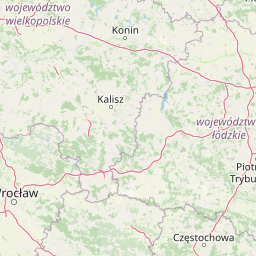
Map view of Dębno nad Wartą Nature Reserve

Use this park location map to pinpoint Dębno nad Wartą Nature Reserve in Poland, understand its exact geographic position, and read its mapped placement within the surrounding landscape more clearly.

Pigeon | © OpenStreetMap contributors

Location context for Dębno nad Wartą Nature Reserve

Greater Poland Voivodeship

Visual reference for floodplain forest habitats and protected river valley terrain

Dębno nad Wartą Nature Reserve Photos and Landscape Scenery

Explore detailed photographic records capturing the seasonal wetlands, oak-ash-alder canopy, and river valley terrain of Dębno nad Wartą Nature Reserve. Visual documentation provides essential context for understanding the protected floodplain forest habitats and lowland ecology of central Poland.

A tranquil scene in a floodplain forest showing a pond covered in water lilies in the foreground, with trees and marshy grass in the background.

Park atlas

Compare surrounding floodplain reserves, regional woodlands, and river valley habitats.

Explore Protected Areas and Parks Near Dębno nad Wartą Nature Reserve

Browse other protected areas and lowland reserves situated across the surrounding Warta river valley and Wielkopolska region. Comparing adjacent floodplain forests and riparian habitats provides deeper geographical context for regional conservation landscapes.
Protected landscapeGreater Poland Voivodeship
About 5.3 km away#1 closest

Northeast

Żerkowsko-Czeszewski Park Krajobrazowy Protected Landscape: Map and Geographic Overview

Glacial river valleys and moraine hills in Greater Poland

The Żerkowsko-Czeszewski Park Krajobrazowy protects a diverse range of lowland terrains, from the broad Warta River floodplain to the elevated moraine ridges known locally as the Swiss Żerków. This protected area serves as a vital corridor for riparian forests and avian habitats, framed by historic cultural sites across the Greater Poland Voivodeship landscape. Access detailed geographic insights into the riverine networks, forest reserves, and moraine formations that define this notable Polish protected area.

Area
157.95 km²
Established
1994
Relief
Upland
Climate
Temperate
Nature reservePoland
About 8.8 km away#2 closest

North

Rezerwat przyrody Dwunastak: Protected Forest Reserve and Landscape Map

Ecological mapping in the Wielkopolska region of Poland.

Located in the Warta river corridor, Rezerwat przyrody Dwunastak protects a rare mosaic of riparian and oak-hornbeam forests. This small but significant nature reserve provides a critical study site for lowland woodland habitat connectivity and regional conservation efforts within the broader Żerkowo-Czeszewski Landscape Park framework.

Established
1959
A horizontal watercolor painting depicting a wide river flowing through a lush landscape with distant rolling hills and a soft pink sky.
Nature reserveWielkopolska Voivodeship
About 16 km away#3 closest

West

Ostoja Rogalińska: Protected Nature Reserve and Glacial Terrain in Wielkopolska Voivodeship

Mapped riparian corridors, moraine ridges, and bird habitats.

Ostoja Rogalińska offers a detailed look at lowland glacial morphology, featuring twelve mapped lakes, wandering inland dunes, and the extensive Warta River floodplain. This protected area within Wielkopolska Voivodeship preserves ancient pedunculate oaks alongside diverse wetland and forest ecosystems, providing a clear geographic view of one of the region's most important Natura 2000 bird sanctuaries.

Area
217.63 km²
Established
2007
Relief
Lowland
Climate
Temperate
Watercolor painting of a calm pond with green trees on the banks, reeds in the foreground, and distant rolling hills.
Nature reservePoland
About 34 km away#4 closest

West

Rezerwat przyrody Miranowo: Protected Peatland Ecosystem and Botanical Nature Reserve

A preserved wetland landscape in the Polish lake country

Located near the shores of Lake Dolskie Wielkie, Rezerwat przyrody Miranowo represents a significant protected area focused on the conservation of rare calcareous peatland habitats. The reserve sustains a dense collection of over 230 vascular plant species, offering a unique opportunity to study relict vegetation in a managed wetland environment within Poland.

Area
0.099 km²
Established
1972
Relief
Lowland
Climate
Temperate
Nature reserveGreater Poland Voivodeship
About 35 km away#5 closest

North

Rezerwat przyrody Modrzew Polski w Noskowie: Protected Landscape and Regional Atlas

Floristic nature reserve in Greater Poland Voivodeship

Rezerwat przyrody Modrzew Polski w Noskowie stands as a landmark for botanical conservation in central Europe. The reserve protects a population of Polish larch within the lowland pine forests of the Wrzesnia Plain, providing a critical example of regional ecological protection efforts that have expanded significantly since the mid-twentieth century.

Area
0.01 km²
Established
1954
Relief
Lowland
Scope
Terrestrial
A soft, abstract watercolor painting showing rolling green hills, distant mountains, and a field under a white sky.
Protected areaGreater Poland Voivodeship
About 39 km away#6 closest

North

Ostoja koło Promna Protected Area: Geography, Lakes, and Forest Habitat Map

A detailed look at the postglacial lowland landscape of Wielkopolska

Ostoja koło Promna serves as a primary example of protected lowland hydrology and broadleaf woodland in the Greater Poland Voivodeship. Integrating three distinct nature reserves, the site preserves essential aquatic and forest-interior habitats for rare amphibians and waterbirds. This overview provides a structured geographic analysis of the terrain and ecological boundaries forming this significant protected zone.

Area
13.99 km²
Established
2011
Relief
Lowland
Scope
Terrestrial
National parkWielkopolska Voivodeship
About 45 km away#7 closest

Northwest

Wielkopolski Park Narodowy: Protected Glacial Landscapes and Regional Geography in Poland

Post-glacial moraine systems and lake basins

Wielkopolski Park Narodowy captures a dense collection of post-glacial landforms, from rolling moraine uplands to clear kettle lakes and esker ridges. This protected area offers a deep look into the geomorphological history of the Wielkopolska region through its varied forest habitats and preserved terrain.

Area
75.84 km²
Established
1957
Visitors
1.2M annual
Relief
Lowland
A watercolor painting showing a soft, bright, and airy landscape with a lush forest, grassy meadow, and a winding river against a light, pale sky.
Nature reserveGreater Poland Voivodeship
About 47 km away#8 closest

South

Miejski Bór Nature Reserve: Mapped Protected Landscapes in the Greater Poland Voivodeship

A detailed look at lowland forest geography and botanical conservation boundaries

Miejski Bór Nature Reserve represents an essential fragment of the Wysoczyzna Kaliska, protecting a distinctive pine and broadleaf woodland mosaic. This site is valued for its protected understory plant populations and ancient burial mounds, grounding its ecological importance within the regional forest matrix of the Greater Poland Voivodeship.

Area
0.244 km²
Established
1987
Relief
Lowland
Scope
Terrestrial

Common questions about visiting, size, designation, and location context for Dębno nad Wartą Nature Reserve

Dębno nad Wartą Nature Reserve FAQs for park facts, access, geography, and protected area context

Find quick answers about Dębno nad Wartą Nature Reserve, including protected-area facts, park geography, trail and visitor context, and how the park fits into its surrounding country and regional landscape.
MoriAtlas Explorer

Continue Your Protected Areas Search Across the Global Atlas

Deepen your exploration by continuing the structured search for national parks and protected areas worldwide. Utilize the comprehensive filtering capabilities to compare different conservation landscapes and refine your understanding of global park geography. Discover more about the distribution and characteristics of protected natural areas.

Global natural geography