
Mori Atlas logo
National parkEl Rey National Park

Explore El Rey National Park's geographic boundaries and natural setting within Salta Province.

El Rey National Park: Mapped Protected Area and Regional Landscape Context

(Parque Nacional El Rey)

El Rey National Park stands as a key protected landscape within the atlas of Argentina's natural areas, specifically situated in the geographic context of Salta Province. This detail page offers a focused exploration of El Rey National Park, highlighting its mapped protected boundaries and its role within the broader regional geography. Users can investigate the park's specific terrain and landscape features, understanding its place through a structured, map-driven lens.

National ParksYungas ForestsCloud ForestsSubtropical MountainsArgentinaNorthwest Argentina

El Rey National Park

National park

Park overview

Structured park overview, official facts, and landscape profile for El Rey National Park

El Rey National Park park facts, protected area profile, and essential visitor context
Review the core facts for El Rey National Park, including designation, size, terrain, visitor scale, habitats, and operating context in one park-focused overview.

About El Rey National Park

El Rey National Park represents one of Argentina's most significant protected areas for preserving the Southern Andean Yungas, a biogeographic region that extends along the eastern slopes of the Andes from Bolivia into northwestern Argentina. Established to protect a representative sample of this distinctive ecoregion, the park safeguards not only the forest ecosystems themselves but also the transition environments where Yungas vegetation mingles with adjacent habitats, creating ecological boundaries of particular scientific and conservation interest. The park's location in the Argentine Northwest places it within a region of exceptional cultural and scenic significance, where the mountain landscapes have shaped both ecological evolution and human settlement patterns for millennia.

The terrain within the park is characterized by the dramatic topographical complexity typical of Yungas landscapes, with steep-sided valleys, ridges, and watercourses descending from higher elevations. This rugged topography creates a mosaic of microclimates and habitat conditions that support the remarkable biodiversity found within the protected area. The forest cover varies from dense, humid cloud forests at higher elevations to more open woodland and transitional communities at lower elevations, with each zone hosting distinctive assemblages of plant and animal species adapted to local conditions.

Quick facts and research context for El Rey National Park

El Rey National Park lies in the Anta Department of Salta Province, Argentina, protecting a representative portion of the Southern Andean Yungas ecoregion. The park covers 441.62 square kilometers across an elevation range from 750 to 2,000 meters above sea level. The warm subtropical climate receives 500 to 700 millimeters of annual rainfall, supporting five distinct vegetation zones. The park is home to the tapir (anta), South America's largest mammal reaching weights up to 300 kilograms, along with anteaters, peccaries, and diverse freshwater fish species. Archaeological sites document the long history of indigenous occupation by the region's earliest farming communities.

Park context

Deeper park guide and search-rich context for El Rey National Park

El Rey National Park history, landscape, wildlife, and travel context
Explore El Rey National Park through its history, landscape character, ecosystems, wildlife, conservation priorities, cultural context, and seasonal travel timing in a structured park guide built for atlas discovery and search intent.

Why El Rey National Park stands out

El Rey National Park is best known for protecting the Southern Andean Yungas, a globally significant biodiversity hotspot that spans the subtropical mountain forests of northwestern Argentina. The park preserves a complete elevational gradient from foothill forests to cloud forest zones, showcasing five distinct vegetation levels that transition from tropical to more temperate conditions. Its most iconic resident is the tapir, or anta, the largest terrestrial mammal in South America, which inhabits the forest understory and feeds on aquatic vegetation. The park also protects transition environments that connect the Yungas with adjacent ecosystems, creating a corridor of ecological continuity through a region where biodiversity is concentrated along the Andes.
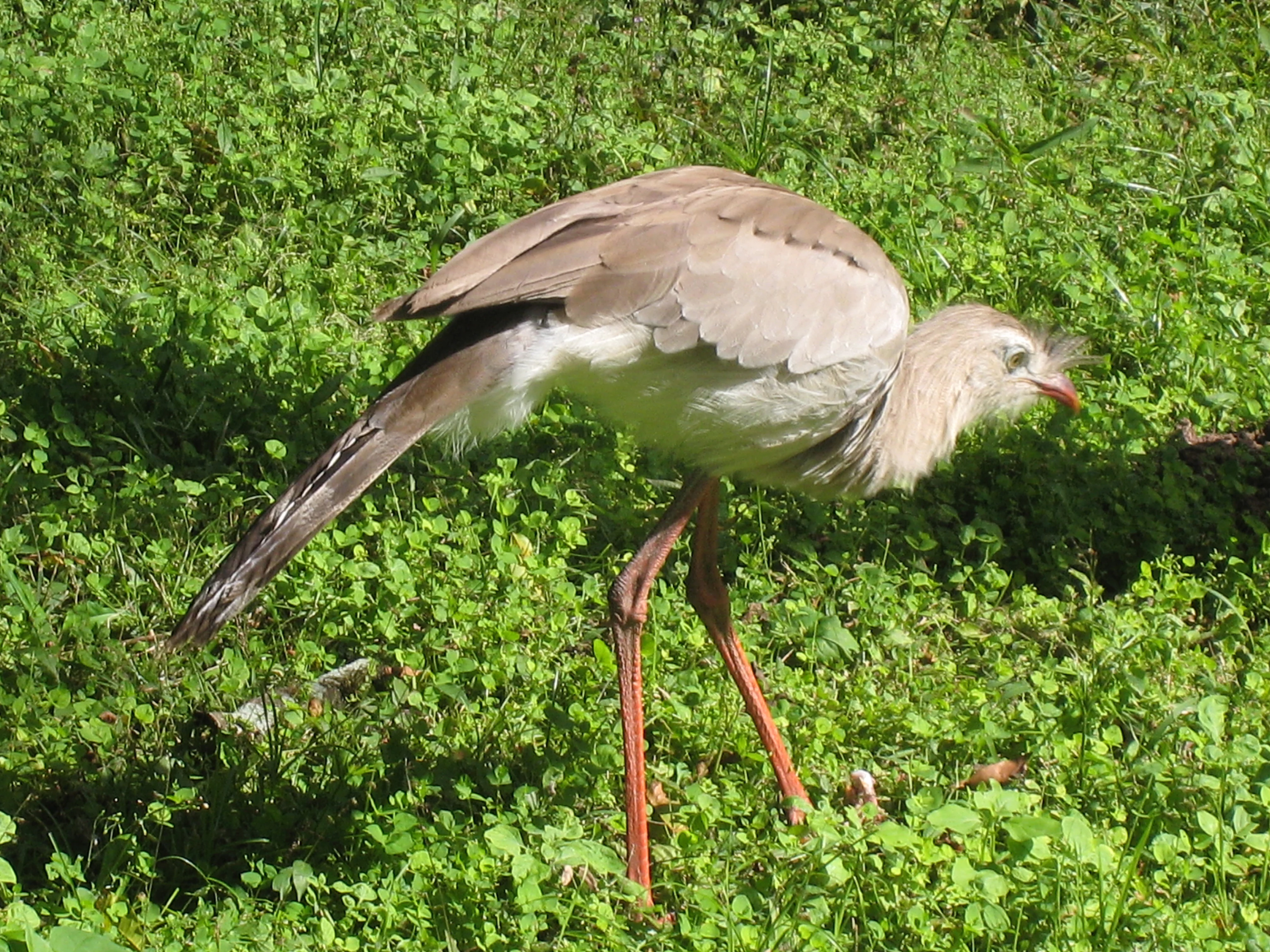
A bird with long red legs, brown and white plumage, and a red beak walking through green vegetation
Crested caracara walking through vegetation at El Rey National Park

El Rey National Park history and protected-area timeline

El Rey National Park was established as part of Argentina's national parks system to preserve the ecological integrity of the Southern Andean Yungas region. The creation of the park reflected growing recognition during the mid-to-late twentieth century of the need to protect the unique biodiversity found in the Yungas ecosystems, which were under pressure from agricultural expansion and logging. The park's establishment also acknowledged the cultural significance of the region, recognizing that the indigenous communities who historically inhabited these lands had developed sustainable relationships with the environment over generations.

The park's name and identity are deeply connected to the local cultural landscape, reflecting the historical presence of indigenous groups who were the oldest inhabitants of the Yungas region. These farming communities maintained agricultural systems adapted to the mountain environment, and their archaeological traces remain within the park boundaries, providing evidence of the long human history in this landscape.

El Rey National Park landscape and geographic character

The physical landscape of El Rey National Park is defined by the dramatic topography of the Argentine Yungas, where the eastern slopes of the Andes give way to rugged mountainous terrain dissected by numerous watercourses. The park's elevation range from 750 to 2,000 meters creates a dramatic vertical landscape that transitions from subtropical foothill environments through increasingly humid and cloud-shrouded forest zones. Steep ridges and valleys characterize the terrain, with rivers, brooks, and lakes distributed throughout the park, providing aquatic habitats that contrast with the surrounding forest.

The visual character of the landscape combines the deep greens of humid forest cover with the lighter greens of more open woodland areas, creating a varied tapestry of vegetation across the slopes. Water features including streams and small lakes are prominent elements in the landscape, their presence supporting both the forest ecosystem and the wildlife that depends on aquatic resources. The interplay of topography, water, and vegetation creates scenic diversity that is characteristic of the Yungas region.

El Rey National Park ecosystems, habitats, and plant life

The ecological character of El Rey National Park is defined by its position within the Southern Andean Yungas, a biodiversity-rich ecoregion that represents the southernmost extent of the Yungas forest ecosystem. The park's five distinct vegetation levels reflect the changing environmental conditions across its elevation range, from the lower slopes where more thermophilic species dominate through the cloud forest zones where atmospheric moisture is continuously high. Each level supports characteristic plant communities, with species composition shifting to reflect temperature gradients, humidity levels, and structural characteristics of the forest.

The warm climate and annual rainfall of 500 to 700 millimeters provide the moisture necessary to sustain the Yungas' characteristic forest types, where epiphytes, lianas, and dense understory vegetation characterize the humid zones. The transition environments protected within the park are particularly significant, as they represent the ecological boundaries where Yungas vegetation interacts with adjacent ecosystems, creating areas of high species turnover and ecological interest. These transition zones also serve as movement corridors for wildlife species that require access to multiple habitat types.

El Rey National Park wildlife and species highlights

El Rey National Park supports a diverse fauna that reflects the ecological richness of the Yungas ecoregion. The park is home to several notable mammal species, most prominently the tapir (anta), South America's largest native mammal, which can weigh up to 300 kilograms and inhabits the forest understory and riparian areas where it feeds on aquatic plants. The park also protects populations of anteaters and peccaries, representing the diversity of medium and large mammals that occupy the Yungas forest ecosystem.

The aquatic environments within the park, including rivers, brooks, and lakes, support fish populations that represent an important component of the park's biodiversity. These water bodies also attract the tapir and other species that depend on aquatic resources, creating ecological relationships between the terrestrial and aquatic components of the ecosystem. The birdlife of the park includes species such as Cariama cristata, which has been documented within the protected area and represents the diverse avifauna that inhabits the Yungas forests and forest edges.

El Rey National Park conservation status and protection priorities

El Rey National Park plays a critical role in the conservation of the Southern Andean Yungas, an ecoregion that faces ongoing pressures from agricultural conversion, logging, and infrastructure development throughout its range. By protecting a representative sample of this ecosystem, the park contributes to the preservation of biodiversity patterns that are concentrated along the Andean slopes and represent globally significant concentrations of species endemism. The park's protection of transition environments adds further conservation value, as these ecological boundaries often host species assemblages that depend on the combination of conditions found where different habitat types meet.

The establishment and management of the park as part of Argentina's national parks system reflects the national commitment to preserving the country's natural heritage, with the protected area managed by the Administración de Parques Nacionales. The park's designation as IUCN Category II confirms its status as a national park meeting international standards for protected area management and ecological representation.

El Rey National Park cultural meaning and human context

The cultural landscape of El Rey National Park carries the imprint of indigenous communities who inhabited the Yungas region long before the establishment of protected area status. These farmer groups represent the oldest inhabitants of the Yungas, having developed agricultural systems and settlement patterns adapted to the mountain environment over many generations. The archaeological sites found within the park provide physical evidence of this long human presence, documenting the historical relationships between indigenous peoples and the Yungas landscape.

The cultural context of the park adds dimension to its conservation significance, acknowledging that the Yungas region has been shaped by both natural ecological processes and human land use over extended time periods. This recognition of indigenous cultural heritage adds another layer of value to the protected area, complementing its ecological significance with historical and cultural dimensions that reflect the deep connections between local communities and their environment.

Top sights and standout views in El Rey National Park

El Rey National Park protects one of the most representative samples of the Southern Andean Yungas in Argentina, preserving complete elevational gradients that showcase the transition from foothill forest to cloud forest environments. The park provides crucial habitat for the tapir, South America's largest mammal, a species that serves as an emblematic representative of Yungas fauna. The five distinct vegetation levels within the park demonstrate the ecological complexity of the Yungas, where species assemblages shift across elevation to create a vertically stratified forest ecosystem. The presence of archaeological sites documenting indigenous occupation adds cultural depth to the park's natural values.

Best time to visit El Rey National Park

The park can be visited throughout the year, though the warm climate and seasonal rainfall patterns influence the visitor experience. The months with more consistent rainfall create the humid conditions that sustain the cloud forest character, while the forest remains green and active throughout the year in this subtropical environment. Visitors interested in wildlife observation may find the dry season months offer easier access to water sources where animals congregate, though the Yungas' year-round moisture supports consistent wildlife activity across seasons.

Park location guide

Geography guide, regional context, and park location map for El Rey National Park

El Rey National Park park geography, regions, and map view in Argentina
Understand where El Rey National Park sits in Argentina through a broader geographic reading of the surrounding landscape, nearby location context, and its mapped position within the national park landscape.

How El Rey National Park fits into Argentina

Argentina is a federal republic located in the southern cone of South America, bordering Chile, Bolivia, Paraguay, Brazil, Uruguay, and the Atlantic Ocean. With an area of 2,780,085 km², it is the second-largest country in South America and the eighth-largest globally. The capital and largest city is Buenos Aires, and the official language is Spanish. The country claims sovereignty over the Falkland Islands, South Georgia and the South Sandwich Islands, and a portion of Antarctica.

Wider geography shaping El Rey National Park in Argentina

Argentina occupies the southern portion of South America, sharing the Southern Cone region with Chile to the west. The country borders Bolivia and Paraguay to the north, Brazil to the northeast, Uruguay and the South Atlantic Ocean to the east, and the Drake Passage to the south. The Andes mountain range runs along the western border, while the Pampas plains dominate the central region. Argentina also claims territories in Antarctica.

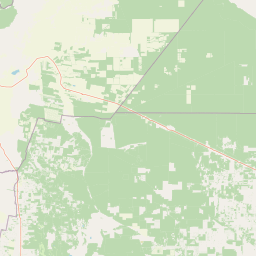
Map view of El Rey National Park

Use this park location map to pinpoint El Rey National Park in Argentina, understand its exact geographic position, and read its mapped placement within the surrounding landscape more clearly.

Pigeon | © OpenStreetMap contributors

Location context for El Rey National Park

Salta Province

Explore the Diverse Cloud Forests, Rugged Terrain, and Habitats of this Argentine Protected Area

El Rey National Park Photos: Visualizing Argentina's Southern Andean Yungas Landscapes
Browse imagery from El Rey National Park to visually understand the unique terrain, humid cloud forests, and diverse subtropical landscapes of Argentina's Southern Andean Yungas ecoregion. These photographs provide essential visual context for appreciating the park's distinct vegetation levels and critical wildlife habitats within this important protected area.

A bird with long red legs, brown and white plumage, and a red beak walking through green vegetation

Park atlas

Compare the regional geography of protected areas, map adjacent cloud forest landscapes, and explore other national parks in Northwest Argentina.

Discover Other National Parks and Protected Areas Near El Rey National Park, Argentina
Browse other national parks and protected areas in the Southern Andean Yungas, tracing conservation landscapes and mapped terrain throughout Northwest Argentina. This regional context allows for geographic comparison, revealing how different protected areas preserve varied ecosystems and mountain environments beyond El Rey National Park.
National parkSalta Province

Los Cardones National Park: National Park Protected Landscape in Salta Province

Explore the mapped geography and protected area boundaries.

Los Cardones National Park represents a distinct protected landscape within Salta Province, Argentina. This page provides an atlas-driven view of its status as a national park, focusing on its geographic setting and mapped boundaries. It is designed for users seeking structured information about the park's protected-area identity and its regional landscape context, offering a foundation for broader geographic exploration.

Area
650 km²
Established
1996
IUCN
II
Relief
Mixed relief
National parkArgentina

Baritú National Park National Park: Mapped Protected Landscapes in Argentina's Geography

Understand the natural terrain and geographic setting of this Argentinian park.

Baritú National Park represents a distinct national park entity within Argentina, crucial for understanding the country's protected landscapes and regional geography. This page provides specific atlas-level detail on its mapped boundaries and the surrounding natural terrain. Explore Baritú National Park as a key geographic feature contributing to the broader understanding of conservation areas across South America, grounded in factual, map-oriented discovery.

Area
720 km²
Established
1974
IUCN
II
Relief
Mountain
National parkTucumán Province

Aconquija National Park: Southern Andean Yungas Protected Landscape in Tucumán Province

Explore its montane forest and mapped geographic context.

Aconquija National Park is a significant federal protected area located in Tucumán Province, Argentina. This national park is dedicated to conserving the diverse Southern Andean Yungas montane forest ecosystem, characterized by a dramatic elevational gradient. Its landscapes transition from cloud forest to high alpine terrain, offering a unique opportunity to study and appreciate a well-preserved montane environment within a critical geographic region. Discover the mapped extent and ecological importance of this protected area.

Area
700 km²
Established
1995
IUCN
II
Relief
Mountain
National parkSantiago del Estero Province

Copo National Park: A Vital Dry Chaco Protected Landscape in Argentina

Explore its mapped boundaries and endemic forest ecosystems.

Copo National Park represents a significant conservation effort within Santiago del Estero Province, protecting a representative segment of the Dry Chaco biome. This national park preserves the iconic quebracho scrubland, a habitat that has been drastically reduced province-wide, serving as a critical refuge for endangered species like the jaguar and maned wolf. The park's landscape features warm climate conditions and characteristic forest formations dominated by the Santiago red quebracho, offering a unique opportunity to study and appreciate a vital, yet vulnerable, regional ecosystem. Its protected status underscores its importance for understanding Argentine protected areas and landscape ecology.

Area
1,181.18 km²
Established
2000
IUCN
II
Relief
Lowland
National parkArgentina

El Impenetrable National Park: A Protected National Park within Argentina's Geography

Explore its mapped boundaries and regional landscape context.

Delve into El Impenetrable National Park, a designated national park situated in Argentina. This entry provides critical geographic context, detailing its mapped protected area boundaries and its role within the national landscape. Understand its unique regional setting and explore its significance as a protected natural space for atlas-based discovery.

Area
1,289 km²
Established
2014
Relief
Lowland
Climate
Subtropical
Protected areaGran Chaco Province

Aguaragüe National Park and Integrated Management Natural Area: Bolivia's Easternmost Sub-Andean Protected Landscape

Explore its mapped mountain geography and ecological diversity.

Aguaragüe National Park and Integrated Management Natural Area is a crucial protected area in Bolivia's Gran Chaco Province, defined by the Serranía del Aguaragüe mountain range. This landscape offers a unique opportunity to explore a geographic transition zone where Southern Andean Yungas montane forests converge with Dry Chaco ecosystems. The park's protected boundaries encompass a rugged mountain backbone rising from the lowlands, representing a vital segment of Bolivia's Sub-Andean geography and protected natural areas.

Area
1,083.07 km²
Established
2000
IUCN
II
Relief
Mountain
National parkAntofagasta Region

Llullaillaco National Park: Mapped Volcanic Terrain and Protected Andean Landscape

Explore the high-altitude desert ecosystem and national park boundaries.

Llullaillaco National Park is a significant protected area in the Antofagasta Region, characterized by its striking volcanic landscape and high-altitude desert environment. The park's geography includes the towering Llullaillaco volcano, ancient ravines, and expansive semi-desert plains, forming a unique segment of the Central Andean dry puna ecoregion. Discover the mapped terrain and protected area context of this remarkable Chilean national park, offering insights into its arid-adapted biodiversity and geological significance.

Area
2,687 km²
IUCN
II
Relief
Mountain
Climate
Arid
National parkAtacama Region

Nevado Tres Cruces National Park: National Park in Atacama Region's Mapped Geography

Explore protected landscapes and regional park context.

Nevado Tres Cruces National Park is a significant protected national park situated within the Atacama Region of Chile. This entry provides essential geographic context, detailing the park's mapped boundaries and its contribution to the region's conservation landscape. Understand its place within the broader atlas of protected areas, focusing on the natural terrain and the distinct geography that characterize this important national park.

Area
591 km²
IUCN
II
Relief
Mountain
Climate
Alpine

Common questions about visiting, size, designation, and location context for El Rey National Park

El Rey National Park FAQs for park facts, access, geography, and protected area context
Find quick answers about El Rey National Park, including protected-area facts, park geography, trail and visitor context, and how the park fits into its surrounding country and regional landscape.
MoriAtlas Explorer

Continue Your Protected Areas Search Across the Global Atlas

Deepen your exploration by continuing the structured search for national parks and protected areas worldwide. Utilize the comprehensive filtering capabilities to compare different conservation landscapes and refine your understanding of global park geography. Discover more about the distribution and characteristics of protected natural areas.

Global natural geography