Why Garigal National Park stands out
Garigal National Park is best known for its extensive dry sclerophyll forest ecosystem, which supports a diverse array of native wildlife including koalas, wallabies, bandicoots, and numerous bird species. The park preserves significant Aboriginal heritage, with over 100 documented archaeological sites featuring rock engravings, cave art, and stone arrangements. Its network of over 35 trails totaling 120 kilometres makes it a popular destination for bushwalking and mountain biking enthusiasts on Sydney's north shore. The park's location adjacent to Middle Harbour and its tributaries provides scenic waterways and vegetated riparian corridors within easy reach of a major metropolitan population.
Garigal National Park history and protected-area timeline
Garigal National Park was formally established on 19 April 1991, representing a significant addition to New South Wales's protected area network within the Sydney region. The creation of the park reflected growing recognition of the need to preserve remnant bushland on Sydney's north shore as urban development expanded through the latter decades of the twentieth century. The park's name honors the Garigal or Carigal people, the indigenous inhabitants who occupied this landscape for thousands of years before European settlement. Archaeological evidence of Aboriginal occupation spans more than 100 documented sites within the park boundaries, demonstrating continuous or periodic use of the area over considerable time. The subsequent management of the park by the NSW National Parks and Wildlife Service has involved ongoing efforts to protect both natural values and cultural heritage while providing sustainable recreational opportunities for the community.
Garigal National Park landscape and geographic character
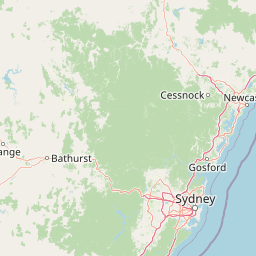
The landscape of Garigal National Park features undulating terrain typical of the Sydney basin, with elevations varying across the park's 2,202-hectare extent. The park encompasses the drainage basin of Middle Harbour Creek and its tributary network, creating a landscape shaped by water flow paths and the underlying sandstone geology common to the Sydney region. Ridgelines along the park's boundaries define watershed divides, while valleys provide drainage corridors leading toward Middle Harbour. The park's western sections border residential suburbs including Killarney Heights, Forestville, Frenchs Forest, and Davidson, while eastern areas extend toward Narrabeen Lakes. The Middle Harbour inlet forms a natural southern boundary, with the waterway providing scenic values and water-based recreation access. Vegetation cover consists of dry sclerophyll forest characterized by eucalypt species, which dominates the hillslopes and valley floors throughout the park.
Garigal National Park ecosystems, habitats, and plant life
Garigal National Park supports a dry sclerophyll forest ecosystem, the most widespread forest type in eastern Australia and well-adapted to the region's climate of wet winters and hot, dry summers. This vegetation community features eucalyptus trees as the dominant canopy species, with a diverse understory of shrubs, grasses, and flowering plants that have evolved with fire as a regular ecological process. The forest structure provides habitat complexity across multiple layers, from the canopy through to the forest floor, supporting varied ecological niches. The park's waterways, including Middle Harbour Creek and its tributaries, add riparian habitats to the landscape, providing more mesic environments where ferns and moisture-loving plants persist. The combination of forest and aquatic habitats creates a mosaic of ecological conditions that supports biodiversity despite the park's location within a metropolitan area.
Garigal National Park wildlife and species highlights
The fauna of Garigal National Park reflects the dry sclerophyll forest environment with a range of native mammals, birds, and reptiles inhabiting the area. Notable mammals include koalas, which maintain populations in the eucalypt forests, as well as wallabies and bandicoots that move through the understory and forest edges. Birdlife is diverse, with numerous species adapted to sclerophyll forest environments present throughout the park. Reptiles including various snake species inhabit the park, utilizing ground cover, rock outcrops, and fallen timber for shelter. The introduction of pest species including rabbits and foxes presents ongoing challenges for wildlife management, as these introduced animals impact native fauna through competition and predation. The park's value as wildlife habitat is enhanced by its connectivity to adjacent conservation areas, allowing animal movement through a network of protected lands within the Sydney region.
Garigal National Park conservation status and protection priorities
Garigal National Park contributes to conservation outcomes in the Sydney basin by preserving representative examples of dry sclerophyll forest ecosystem within a region where extensive clearing has occurred for urban development. The park protects watershed values through its coverage of Middle Harbour Creek and Narrabeen Lakes catchments, with vegetation serving to filter runoff and maintain water quality in downstream waterways. Protection of Aboriginal heritage sites represents another conservation dimension, preserving cultural values alongside ecological ones. The park's management by NSW National Parks and Wildlife Service involves fire management strategies appropriate for sclerophyll ecosystems, invasive species control, and maintenance of visitor facilities that allow enjoyment of the area while minimizing environmental impact. As part of a network that includes adjacent reserves such as Ku-ring-gai Chase National Park and Sydney Harbour National Park, Garigal contributes to landscape-scale conservation across the northern Sydney region.
Garigal National Park cultural meaning and human context
The Garigal people, also spelled Carigal or Caregal, were the indigenous inhabitants of the land now occupied by Garigal National Park prior to European settlement. The park contains over 100 recorded Aboriginal sites, demonstrating the long and continuing connection between indigenous peoples and this landscape. Archaeological evidence includes rock shelters with potential artistic significance, rock engravings carved into sandstone exposures, middens indicating past resource use, grinding grooves carved into rock surfaces for processing plant materials, and a possible stone arrangement. These sites represent tangible evidence of Aboriginal presence and activity spanning potentially thousands of years. The preservation of these cultural values within a national park context reflects contemporary recognition of indigenous heritage as an integral component of landscape significance, complementing the ecological and recreational values that the protected area provides.
Top sights and standout views in Garigal National Park
Garigal National Park offers over 120 kilometres of walking and mountain biking trails through dry sclerophyll forest on Sydney's north shore. The park's Aboriginal heritage sites, including rock engravings and shelter art, provide cultural insight into the region's indigenous history. The Cascades area between Belrose and St Ives represents a popular trail network within the park. Scenic views across Middle Harbour are accessible from several points within the park. The park connects to a larger network of conservation reserves including Ku-ring-gai Chase and Sydney Harbour national parks.
Best time to visit Garigal National Park
Garigal National Park can be visited year-round given its location within the Sydney metropolitan area and the generally mild climate of New South Wales. Spring and autumn typically offer comfortable conditions for bushwalking, with moderate temperatures and reduced risk of extreme heat. Summer months can bring hot conditions, particularly January and February, making early morning or late afternoon visits more comfortable. Winter generally provides cooler, drier conditions suitable for walking, though rainfall is more common during the winter months. The park's multiple access points and trail options mean that conditions can vary across different sections, and visitors should check current conditions before heading out.