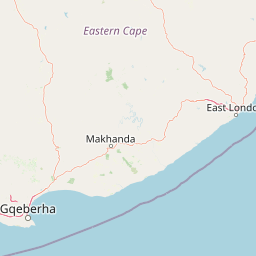
Why Great Fish River Nature Reserve stands out
Great Fish River Nature Reserve is best known for its dramatic river-valley scenery, with sharp cliffs dropping down to the Great Fish River and broken ridges separating the reserve's various basins. It also stands out as a consolidated reserve, built from three older protected areas joined into a single management unit connected by a circular route. The dominance of Great Fish subtropical thicket vegetation gives the reserve a distinctive ecological character typical of the region's valley bushveld.
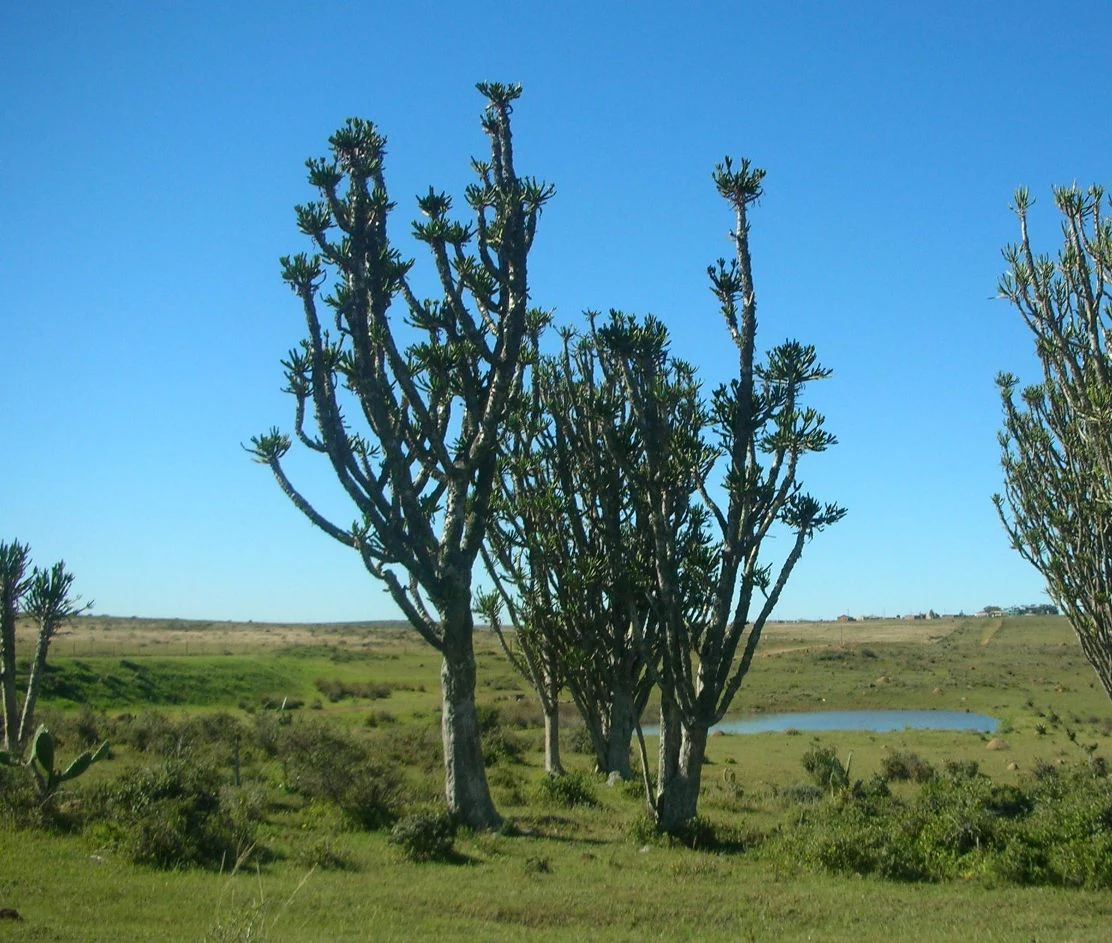
Great Fish River Nature Reserve history and protected-area timeline
The Great Fish River Nature Reserve was officially established in 1994 through the consolidation of three previously separate reserves managed within the Eastern Cape: Andries Vosloo Kudu Reserve, Double Drift Nature Reserve, and Sam Knott Nature Reserve. Each of these predecessor reserves had its own identity and history as a standalone protected area.
Bringing them together under a single management framework marked a shift toward larger, more unified conservation units in the region. The merger was designed to improve habitat continuity along the Great Fish River valley and to streamline management under Eastern Cape Parks, the governing body responsible for the reserve today.
The circular route linking the three component reserves reflects this consolidated approach, replacing the older model of isolated, smaller reserves with a more integrated landscape.
Great Fish River Nature Reserve landscape and geographic character
The landscape of Great Fish River Nature Reserve is shaped primarily by the Great Fish River and its valley system. Elevation across the property ranges from roughly 95 meters to over 560 meters above sea level, producing a distinctly broken topography. Steep cliffs drop down from elevated terrain toward the river, and the basins on either side are separated by fragmented ridges rather than smooth, continuous slopes.
These deep river valleys and cliffs create a visually dramatic environment, with views over the watercourse and a strong sense of enclosure within the smaller kloofs and side valleys. The dissected character of the terrain means that the reserve feels like a series of connected but distinct landscape compartments, each with its own slope aspect, soil condition, and vegetation pattern.
Such varied relief, combined with the presence of the river, has a strong influence on the rest of the reserve's ecology, contributing to the dense thicket cover and habitat diversity that characterize the protected area.
Great Fish River Nature Reserve ecosystems, habitats, and plant life
The defining ecological feature of Great Fish River Nature Reserve is its broad cover of Great Fish subtropical thicket. This vegetation type is a dense, evergreen, and largely closed shrubland dominated by woody species adapted to the warm, semi-arid valley climate of the Eastern Cape. It forms the backbone of the reserve's natural character, blanketing much of the lower and middle elevation zones.
The reserve's broken topography, with cliffs, ridges, and basins, supports variation in this thicket pattern. Steeper, rockier slopes, deeper valleys near the river, and higher ridges each carry subtly different vegetation expressions, while the river corridor itself introduces a moister, more linear habitat alongside the dense bushland.
By combining three older reserves, the greater reserve also creates more continuous habitat along the Great Fish River valley, reducing fragmentation that existed when these areas were managed separately. This continuity is ecologically meaningful for species that depend on large, connected tracts of thicket.
Great Fish River Nature Reserve conservation status and protection priorities
Great Fish River Nature Reserve represents an important example of reserve consolidation in the Eastern Cape, with three historic protected areas joined into a single 45,000-hectare system under the management of Eastern Cape Parks. By unifying Andries Vosloo Kudu Reserve, Double Drift Nature Reserve, and Sam Knott Nature Reserve, the reserve increases the effective size and connectivity of habitat along the Great Fish River valley.
The dominance of Great Fish subtropical thicket, a regionally significant vegetation type, gives the reserve particular conservation value. Protecting large, unbroken stands of this thicket is central to the reserve's role, as fragmented or degraded thicket loses much of its ecological function. The river corridor that runs through the property adds a further conservation dimension, linking habitats and supporting ecological processes along the Great Fish River.
Top sights and standout views in Great Fish River Nature Reserve
Three former reserves merged into a single large protected area linked by a circular route, and a striking river-valley landscape where sharp cliffs and fragmented ridges frame the Great Fish River. The reserve's extensive cover of Great Fish subtropical thicket gives it a distinctive ecological identity closely tied to the Eastern Cape's valley systems. Its proximity to Grahamstown and its scale within the regional network under Eastern Cape Parks make it a notable component of conservation in the province.
Best time to visit Great Fish River Nature Reserve
The Great Fish River valley climate of the Eastern Cape generally rewards visits in the milder, drier months, when cooler temperatures and clearer conditions make the reserve's river valleys, cliffs, and thicket more comfortable to explore. During warmer, wetter periods, the dense subtropical thicket can become particularly lush and visually impressive, though thicker vegetation may obscure views and make walking conditions more demanding. Seasonal variation in rainfall, temperature, and vegetation cover shapes both the scenery and the practical character of any visit to the reserve.