Mori Atlas logo
National parkHawaiʻi Volcanoes National Park

Discover the mapped boundaries and volcanic terrain of this significant national park.

Hawaiʻi Volcanoes National Park: Protected Landscape and Geographic Atlas in the USA

Hawaiʻi Volcanoes National Park represents a key protected landscape within the United States of America, offering a unique window into volcanic geography and natural terrain. This atlas-focused destination allows for detailed exploration of its mapped boundaries, providing essential geographic context for understanding its place in the natural world. Examine the distinct characteristics of this national park and its surrounding landscapes for comprehensive geographic discovery.

Active VolcanoWorld Heritage SiteShield VolcanoEndemic SpeciesLava TubesBiosphere Reserve

Hawaiʻi Volcanoes National Park

National park

Park overview

Structured park overview, official facts, and landscape profile for Hawaiʻi Volcanoes National Park

Hawaiʻi Volcanoes National Park park facts, protected area profile, and essential visitor context
Review the core facts for Hawaiʻi Volcanoes National Park, including designation, size, terrain, visitor scale, habitats, and operating context in one park-focused overview.

About Hawaiʻi Volcanoes National Park

Hawaiʻi Volcanoes National Park stands as one of the most significant geological and ecological protected areas in the world, offering a window into the volcanic processes that created the Hawaiian archipelago. The park encompasses a remarkable range of environments, from lush tropical rainforests at middle elevations to the arid Kaʻū Desert on the leeward slopes, and up to the summit of Mauna Loa, the most massive active volcano on Earth. The continuous volcanic activity at Kīlauea has shaped and reshaped the landscape repeatedly, creating new land while burying old. Visitors travel from around the world to witness active lava flows, explore lava tubes like the Thurston Lava Tube (Nāhuku), and experience the raw power of nature in motion. The park's significance extends beyond geology to include profound cultural importance, as Kīlauea and its caldera Halemaʻumaʻu have been considered the sacred home of the volcano goddess Pele in Hawaiian tradition for centuries. The park also serves as a living laboratory for scientists studying volcanism, plate tectonics, ecological succession, and the evolution of endemic species in isolated island environments.

Quick facts and research context for Hawaiʻi Volcanoes National Park

The park spans 354,461 acres on the island of Hawaiʻi's southeastern flank, protecting both Kīlauea and Mauna Loa volcanoes. It was established as Hawaii National Park in 1916 and became the eleventh national park in the United States, the first in a territory. The park was designated an International Biosphere Reserve in 1980 and a World Heritage Site in 1987. Approximately half of the park, totaling 130,790 acres, was designated as the Hawaii Volcanoes Wilderness in 1978, providing opportunities for solitude and primitive recreation. The park receives approximately 1.4 million visitors annually and is managed by the National Park Service.

Park context

Deeper park guide and search-rich context for Hawaiʻi Volcanoes National Park

Hawaiʻi Volcanoes National Park history, landscape, wildlife, and travel context
Explore Hawaiʻi Volcanoes National Park through its history, landscape character, ecosystems, wildlife, conservation priorities, cultural context, and seasonal travel timing in a structured park guide built for atlas discovery and search intent.

Why Hawaiʻi Volcanoes National Park stands out

Hawaiʻi Volcanoes National Park is best known for its two remarkable volcanoes: Kīlauea, which has been continuously erupting for decades and ranks among the world's most active volcanoes, and Mauna Loa, Earth's largest active volcano. The park is renowned for its dramatic volcanic landscapes featuring lava tubes, calderas, pit craters, and vast lava fields in various stages of vegetation. The ongoing volcanic activity at Kīlauea's Halemaʻumaʻu crater provides visitors with rare opportunities to witness active eruption dynamics. The park also preserves exceptional endemic Hawaiian ecosystems, including rainforests, desert environments, and alpine zones, housing species found nowhere else on the planet.

Hawaiʻi Volcanoes National Park history and protected-area timeline

The establishment of Hawaiʻi Volcanoes National Park represents over a decade of advocacy by influential figures who recognized the region's extraordinary scientific and scenic value. Lorrin A. Thurston, grandson of missionary Asa Thurston and owner of The Honolulu Advertiser, became a driving force behind the park's creation after investing in the Volcano House hotel from 1891 to 1904. William R. Castle first proposed the idea in 1903, and Thurston published editorials supporting the concept while cultivating endorsements from conservation leaders including John Muir and former President Theodore Roosevelt. After several legislative attempts, delegate Jonah Kūhiō Kalanianaʻole successfully guided the legislation through Congress, and President Woodrow Wilson signed House Resolution 9525 on August 1, 1916, creating Hawaii National Park as the eleventh national park in the United States and the first in a territory. The original park encompassed both Kīlauea and Haleakalā volcanoes before being split in 1961, with this portion renamed Hawaiʻi Volcanoes National Park. In 2003, the park underwent its largest expansion in Hawaiian history when 115,788 acres of former Kahuku Ranch were added, increasing the park's size by 56 percent. The park faced significant challenges in 2018 when explosive eruptions at Halemaʻumaʻu forced closures and destroyed infrastructure including the Jaggar Museum, which was ultimately demolished in 2024. Most recently, the park expanded again in 2022 with the addition of Pōhue Bay, transferring 16,451 acres of culturally and ecologically significant coastal land from The Trust for Public Land.

Hawaiʻi Volcanoes National Park landscape and geographic character

The park's landscape presents an extraordinary diversity of volcanic terrain across a dramatic elevation gradient from sea level to 13,679 feet. At the heart of the park lies Kīlauea's summit caldera and the active Halemaʻumaʻu crater, which has been the site of continuous volcanic activity and serves as the primary visual focus for most visitors. The Crater Rim Drive circumnavigates the caldera, providing access to multiple viewpoints and trailheads. Beyond the summit, the Chain of Craters Road descends toward the coast, passing through a series of volcanic vents and pit craters before reaching dramatic lava cliffs where flows have met the ocean. The landscape features remarkable examples of volcanic geology including pāhoehoe lava flows with their smooth, ropy surfaces and ʻaʻā flows with their rough, jagged terrain, demonstrating the different eruption styles and lava types. The Thurston Lava Tube (Nāhuku) offers a walkable cave formed by an ancient lava river, while the Kaʻū Desert presents an unexpected arid environment created by rain shadow effects. In the wilderness areas, Mokuaweoweo caldera atop Mauna Loa provides access to one of the most remote volcanic summits in the world.

Hawaiʻi Volcanoes National Park ecosystems, habitats, and plant life

The park protects remarkably diverse ecosystems that have evolved in isolation over millions of years, resulting in extraordinarily high levels of endemism. The park spans multiple ecological zones, from coastal strand vegetation through diverse forest types to subalpine environments near Mauna Loa's summit. The rainforests at middle elevations receive over 100 inches of annual precipitation and support dense vegetation including ferns, mosses, and native trees like ʻōhiʻa and koa. The Kaʻū Desert, despite its name, represents a unique ecosystem adapted to extreme aridity, with specialized plants and arthropods surviving in this harsh volcanic environment. The park's designation as an International Biosphere Reserve in 1980 reflects its global significance for preserving endemic Hawaiian species and ecosystems. New lava flows are colonized by pioneer species beginning the process of primary succession, creating living laboratories where ecological recovery can be observed over timescales measured in decades to centuries.

Hawaiʻi Volcanoes National Park wildlife and species highlights

The park supports remarkable wildlife diversity, particularly in its forest environments where endemic bird species thrive despite the challenges of introduced predators and habitat change. Native Hawaiian honeycreepers, many of which are endangered, represent an extraordinary adaptive radiation of bird species that evolved from a single ancestral finch-like colonizer. The ʻapapane, ʻiʻiwi, and ʻakikiki are among the notable forest bird species found within the park. The park's coastal areas, particularly the recently added Pōhue Bay, provide critical habitat for endangered species including the Hawaiian hawksbill turtle (honuʻea) and Hawaiian monk seal. Anchialine ponds in the coastal areas host endemic opaeʻula (Hawaiian red shrimp), while native arthropods including happyface spiders and diverse moth species occupy specialized ecological niches. The marine environment where lava meets the ocean creates productive habitat supporting fish, invertebrates, and seabirds including the great frigatebird (ʻiwa), white-tailed tropic bird (koaʻe kea), and Pacific golden plover (kōlea).

Hawaiʻi Volcanoes National Park conservation status and protection priorities

Hawaiʻi Volcanoes National Park plays a critical role in the global effort to preserve endemic Hawaiian ecosystems, which represent some of the most threatened biological communities on Earth. The park's International Biosphere Reserve designation and World Heritage Site status recognize its outstanding universal value in protecting both geological processes and ecological systems. The Hawaii Volcanoes Wilderness designation in 1978 provided the highest level of protection to over 130,000 acres of primitive landscape. Conservation challenges include managing invasive species that threaten native plants and animals, protecting critical habitat for endangered species like the Hawaiian monk seal and hawksbill turtle, and maintaining ecological integrity in the face of ongoing volcanic disturbance. The 2022 expansion to include Pōhue Bay added crucial coastal habitat while protecting significant Hawaiian cultural sites including the largest recorded abrader quarry in Hawaii, petroglyphs, and portions of the ancient Ala Kahakai National Historic Trail.

Hawaiʻi Volcanoes National Park cultural meaning and human context

The park holds profound cultural significance for Native Hawaiians, as Kīlauea and its caldera Halemaʻumaʻu have been considered the sacred home of the volcano goddess Pele (Pelehonuamea) since long before European contact. Hawaiian tradition holds that Pele dwells in the crater, and visitors have historically brought offerings to the caldera as part of religious practice. The 1790 eruption that left footprints preserved in volcanic ash serves as both a geological and historical landmark, documenting a tragic event in Hawaiian history. The park contains numerous sites of traditional Hawaiian significance including fishing shrines, burial sites, and sections of ancient coastal trail systems. The Volcano Art Center, housed in the historic Volcano House building from 1877, serves as a venue for interpreting both natural and cultural history while hosting Native Hawaiian artists and cultural practitioners. The 2003 competition to find a more culturally authentic depiction of Pele for display in the visitor center reflected the park's ongoing commitment to honoring Hawaiian cultural perspectives.

Top sights and standout views in Hawaiʻi Volcanoes National Park

The park's most compelling highlights include witnessing active volcanic activity at Kīlauea's summit crater Halemaʻumaʻu, exploring the Thurston Lava Tube (Nāhuku) walkable cave, and traversing the Chain of Craters Road through a landscape shaped by repeated eruptions. The Kahuku District, added in 2003, offers access to the park's newest lands including the Pōhue Bay coastal area with its cultural sites and marine resources. The Jaggar Museum provided spectacular views of the active crater before its closure in 2018, and the Thomas A. Jaggar Museum remains historically significant as a window into the scientific study of volcanoes. Hiking opportunities range from the demanding summit climb of Mauna Loa to the accessible Kīlauea Iki trail through a volcanic crater, while the Crater Rim Trail provides accessible exploration of the summit area. The park's status as a World Heritage Site and International Biosphere Reserve underscores its global significance for both science and conservation.

Best time to visit Hawaiʻi Volcanoes National Park

The park can be visited year-round, though conditions vary significantly across its elevation range and between windward and leeward sections. The summer months through early fall typically offer more stable weather conditions, with reduced rainfall in the park's southern and southwestern areas. Winter months often bring increased precipitation, particularly in the park's windward sections and at higher elevations, which can create hazardous conditions on some trails. The summit area of Kīlauea generally remains cooler than the coast, with temperatures ranging from the 50s to 70s Fahrenheit depending on elevation and season. Visitors should be aware that volcanic activity is unpredictable, and conditions can change rapidly; checking current park status before visiting is essential. The park's high elevation areas may experience fog, rain, and reduced visibility at any time of year, while coastal areas tend to be warmer and drier. The best viewing of active eruption phenomena often occurs during evening hours when glow from lava is more visible against the dark sky.
Park location guide

Geography guide, regional context, and park location map for Hawaiʻi Volcanoes National Park

Hawaiʻi Volcanoes National Park park geography, regions, and map view in United States of America
Understand where Hawaiʻi Volcanoes National Park sits in United States of America through a broader geographic reading of the surrounding landscape, nearby location context, and its mapped position within the national park landscape.

How Hawaiʻi Volcanoes National Park fits into United States of America

The United States of America is a federal presidential republic and one of the world's largest countries by area and population. It consists of 50 states across a vast territory spanning multiple time zones, with its capital in Washington, D.C. and largest city in New York City. The nation has a diverse economy, influential political system, and significant cultural and military presence globally.

Wider geography shaping Hawaiʻi Volcanoes National Park in United States of America

The United States occupies a vast territory in North America, bordered by Canada to the north and Mexico to the south. The 48 contiguous states stretch from the Atlantic to the Pacific Ocean, while Alaska occupies the northwestern region and Hawaii is an archipelago in the Pacific. The country encompasses diverse terrain including the Rocky Mountains, Appalachian Mountains, Great Plains, and extensive river systems.

Map view of Hawaiʻi Volcanoes National Park

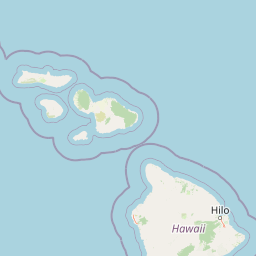
Use this park location map to pinpoint Hawaiʻi Volcanoes National Park in United States of America, understand its exact geographic position, and read its mapped placement within the surrounding landscape more clearly.

Pigeon | © OpenStreetMap contributors

Location context for Hawaiʻi Volcanoes National Park

HawaiiHawaii County
Park atlas

Trace the diverse protected landscapes and volcanic geography across the broader Hawaiian region.

Discover National Parks and Protected Areas Adjacent to Hawaiʻi Volcanoes National Park
Explore a curated list of national parks and other protected areas found throughout the Hawaiian archipelago, extending your discovery from Hawaiʻi Volcanoes National Park into its diverse regional context. Compare unique volcanic landscapes, rare endemic ecosystems, and significant conservation efforts that define the broader protected geography of the Hawaiian Islands.
National parkMaui County

Haleakalā National Park: Exploring its Protected Landscape and Maui County Geography

Understand the park's mapped boundaries and regional terrain context.

Haleakalā National Park represents a vital protected landscape, offering unique insights into the geography of Maui County. This entry provides a foundation for understanding the park's specific identity as a national park and its role within the broader regional context. Explore its protected-area characteristics and the mapped natural terrain that defines its landscape, making it a key destination for geographic exploration.

Area
134.62 km²
Established
1961
IUCN
II
Visitors
1.1M annual
National parkCalifornia

Pinnacles National Park: California National Park Geographic Discovery and Map Context

Explore unique protected landscape and regional terrain.

Delve into the protected landscape of Pinnacles National Park, a significant natural area within California. This page offers an atlas-centered view of its unique geological formations and mapped terrain, providing essential context for understanding its geographic identity. Explore the park's specific landscape characteristics and its relation to the broader regional geography and protected areas.

Area
107.67 km²
Established
2013
IUCN
II
Visitors
275K annual
National parkCalifornia

Redwood National and State Parks: Protected Landscape Geography and Mapped Boundaries

Explore California's protected area atlas.

Gain a structured understanding of Redwood National and State Parks as a protected national park within the geographic context of California. This dedicated page focuses on its mapped boundaries and protected landscape identity, offering critical atlas-level insights for regional geography exploration and conservation land context. Discover how this protected area fits into the larger mapped terrain.

Area
562.88 km²
Established
1968
IUCN
V
Visitors
458.4K annual
National parkCalifornia

Channel Islands National Park: A Protected Landscape within California's Geography

Explore its unique mapped terrain and protected area context.

Channel Islands National Park stands as a key protected area, providing critical insight into California's unique geographic features and natural landscapes. This entry focuses on the park's identity as a protected entity, detailing its mapped boundaries and the surrounding regional geography. It offers an atlas-level view, essential for understanding the park's contribution to the broader landscape context of the United States and its conservation importance.

Area
1,009.94 km²
Established
1980
IUCN
II
Visitors
323.2K annual
National parkCalifornia

Lassen Volcanic National Park: Protected Landscape Identity and Geographic Context

Discover the mapped boundaries and natural terrain of this California national park.

Gain a structured understanding of Lassen Volcanic National Park as a protected landscape. This detail page provides essential geographic context, focusing on the park's mapped boundaries and its specific terrain characteristics within California. It is designed for users seeking detailed information about the park's protected status and its placement within the broader atlas of natural areas, emphasizing its unique geographic identity and conservation significance.

Area
430.8 km²
Established
1916
IUCN
II
Visitors
504.8K annual
Watercolor painting showing mountains, a winding river, and green forests in the foreground and background
National parkCalifornia

Yosemite National Park: Protected Landscape Identity and Geographic Atlas Context

Mapped boundaries and regional setting for a key California national park.

Delve into the protected landscape identity of Yosemite National Park, examining its specific geographic features and its place within the broader atlas of California's natural areas. This entry provides detailed context on its mapped boundaries, regional positioning, and significance as a protected natural site, essential for understanding its landscape and conservation geography.

Area
3,070 km²
Established
1890
IUCN
II
Visitors
3.9M annual
National parkCalifornia

Sequoia National Park National Park: Geographic Identity and Protected Landscape Atlas

Explore mapped boundaries and the terrain of this California protected area.

Gain a structured understanding of Sequoia National Park as a protected landscape, focusing on its mapped geographic boundaries and its context within California. This entry provides foundational data for exploring the park's natural terrain and its role in a broader atlas of conservation lands, ideal for users seeking detailed geographic information.

Area
1,635.19 km²
Established
1890
IUCN
II
Visitors
1.2M annual
National parkCalifornia

Kings Canyon National Park National Park: California Protected Landscape & Geography Atlas

Mapped park boundaries and regional natural context.

Kings Canyon National Park stands as a key protected national park within California, offering a specific focus for geographic understanding and atlas-based exploration. This page details the park's mapped boundaries and its integration into the broader regional geography of California. For users interested in the distribution of protected lands and the mapping of natural landscapes, Kings Canyon National Park provides a crucial point of study within the comprehensive park atlas.

Area
1,869.25 km²
Established
1890
IUCN
II
Visitors
641K annual

Common questions about visiting, size, designation, and location context for Hawaiʻi Volcanoes National Park

Hawaiʻi Volcanoes National Park FAQs for park facts, access, geography, and protected area context
Find quick answers about Hawaiʻi Volcanoes National Park, including protected-area facts, park geography, trail and visitor context, and how the park fits into its surrounding country and regional landscape.
MoriAtlas Explorer

Continue Your Protected Areas Search Across the Global Atlas

Deepen your exploration by continuing the structured search for national parks and protected areas worldwide. Utilize the comprehensive filtering capabilities to compare different conservation landscapes and refine your understanding of global park geography. Discover more about the distribution and characteristics of protected natural areas.

Global natural geography