Why Ibex Reserve Protected Area stands out
The reserve is best known for its mission to protect the Nubian Ibex, a species that has become increasingly rare across its traditional desert habitat in the Arabian Peninsula. The dramatic setting of the Tuwaiq escarpment, with its steep-walled wadis and rocky terrain, provides ideal conditions for ibex and creates a visually striking landscape that distinguishes this protected area from other Saudi Arabian deserts. The reserve also serves as a planned reintroduction site for gazelles, contributing to broader wildlife recovery efforts in the region.
Ibex Reserve Protected Area history and protected-area timeline
The Ibex Reserve was founded in 1988 as part of Saudi Arabia's developing network of protected areas designed to conserve the kingdom's unique desert wildlife and ecosystems. Its establishment reflected growing recognition of the threats facing the Nubian Ibex population across the Arabian Peninsula, where traditional hunting practices and expanding human activity had reduced numbers significantly. The reserve was designated under IUCN Management Category II, indicating a national park-type protected area focused on ecosystem conservation while also allowing for sustainable recreational and educational use. The choice of the Tuwaiq escarpment as the reserve's location recognized that this particular landscape, with its steep-walled wadis and rocky terrain, provides optimal habitat for ibex populations and represents a relatively intact desert environment.
Ibex Reserve Protected Area landscape and geographic character
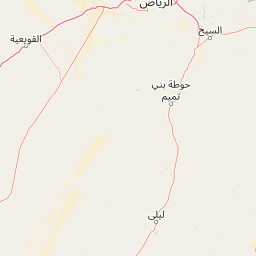
The reserve is situated within the Tuwaiq escarpment, a prominent geological feature that runs through central Saudi Arabia and creates a distinctive landscape of stepped terrain, deep wadis, and exposed rock faces. The terrain consists of steep-walled valleys carved into the escarpment, providing shelter and foraging areas for ibex and other wildlife. Between the wadis, the landscape opens into typical desert plains with sparse vegetation, reflecting the arid conditions that prevail across much of the Arabian Peninsula. The combination of vertical rock faces, rocky slopes, and valley bottoms creates a heterogeneous habitat that supports different plant communities and wildlife species across relatively short distances.
Ibex Reserve Protected Area ecosystems, habitats, and plant life
The ecological character of the reserve reflects the harsh but biologically diverse conditions of Arabian desert environments. The flora survey documented approximately 265 plant species across 49 families, with Poaceae (grasses) being the most represented family, followed by Asteraceae, Cruciferae, and Leguminosae. This plant diversity supports the broader desert ecosystem, providing forage for herbivores and habitat for invertebrate species. The wadi systems within the reserve play a critical ecological role, concentrating moisture and supporting more lush vegetation than the surrounding desert plains, creating linear oases that sustain wildlife throughout the year.
Ibex Reserve Protected Area wildlife and species highlights
The Nubian Ibex serves as the flagship species of the reserve, a distinctive desert antelope adapted to navigating rocky terrain and surviving in arid conditions. Beyond ibex, the reserve supports a community of desert vertebrates including rock hyrax, various wild cat species, mongoose, and eagles. These species occupy different ecological niches within the reserve, from the rock-dwelling hyrax that inhabits cliff faces to the raptors that soar above the wadis. The reserve also functions as a planned reintroduction site for gazelles, contributing to the recovery of these culturally and ecologically significant antelopes in the region.
Ibex Reserve Protected Area conservation status and protection priorities
The reserve addresses critical conservation needs in the Arabian Peninsula, where desert wildlife faces multiple threats including hunting pressure, habitat loss from development, and declining water availability. The protection of Nubian Ibex populations is particularly significant, as this species has experienced substantial range reduction across its historic distribution. By providing a protected area with suitable habitat and active management, the reserve supports population persistence and potential growth. The designation as an IUCN Category II protected area places it within the framework of national parks and nature reserves that emphasize ecosystem conservation, ensuring that the desert landscape and its resident species receive formal legal protection.
Top sights and standout views in Ibex Reserve Protected Area
The Ibex Reserve stands as a demonstration of Saudi Arabia's commitment to desert conservation, offering protection to one of the Arabian Peninsula's most iconic wildlife species within a dramatic escarpment landscape. The steep-walled wadis of the Tuwaiq region provide both visual appeal and essential habitat for ibex, creating conditions that support viable populations of this distinctive antelope. The reserve's role as a planned reintroduction site for gazelles expands its conservation significance beyond a single species, contributing to broader wildlife recovery initiatives across the kingdom's desert regions.
Best time to visit Ibex Reserve Protected Area
Visiting the reserve is best during the cooler months from approximately October through March, when temperatures in the central Saudi Arabian desert are more comfortable for outdoor exploration. Summer months can bring extreme heat that limits activity and makes wildlife viewing more challenging. Early morning and late afternoon hours offer the best opportunities for observing wildlife, as many species are more active during these cooler periods. The landscape throughout the year maintains its dramatic character, though the appearance of vegetation and the presence of migratory bird species may vary with seasonal conditions.