Mori Atlas logo
National parkJasper National Park

Discover the mapped boundaries and natural terrain of this expansive protected area.

Jasper National Park: Alberta's Protected National Park Landscape and Geography

Jasper National Park stands as a significant protected national park within Alberta, Canada, offering a vast expanse of natural landscape to explore. This page provides detailed geographic context, focusing on the park's mapped boundaries and its integral role within the regional geography of Western Canada. Understand the terrain and the protected area's place in a broader atlas of natural landscapes.

UNESCO World Heritage SiteGlaciersIcefieldsMountain ParksDark-Sky PreserveCanadian Rockies

Jasper National Park

National park

Park overview

Structured park overview, official facts, and landscape profile for Jasper National Park

Jasper National Park park facts, protected area profile, and essential visitor context
Review the core facts for Jasper National Park, including designation, size, terrain, visitor scale, habitats, and operating context in one park-focused overview.

About Jasper National Park

Jasper National Park represents one of Canada's most significant protected wilderness areas, encompassing a remarkable diversity of landscapes within the eastern slopes of the Canadian Rockies. The park's territory has been inhabited since time immemorial by Nakoda, Cree, Secwépemc, and Dane-zaa peoples, whose presence in the region dates back to at least 8000 BCE based on archaeological evidence found at Jasper Lake. The modern park takes its name from Jasper Haws, a Maryland-born fur trader who commanded the North West Company's trading post in the area starting in 1817, known as Jasper House. This fur trading post served as a vital waypoint for brigades crossing Athabasca Pass, connecting the Hudson Bay with the Pacific Northwest via the York Factory Express route. The park was established in 1907 through an order in council carving the territory from the Rocky Mountain Forest Reserve, with the initial boundary encompassing approximately 12,950 square kilometers. Following a period of boundary adjustments in the early 20th century, the park reached its current configuration of approximately 10,878 square kilometers with the National Parks Act of 1930, which also prohibited resource extraction within park boundaries. Today, Jasper operates under a dual mandate of wilderness preservation and visitor enjoyment, managed by Parks Canada for the benefit of Canadians and visitors from around the world.

Quick facts and research context for Jasper National Park

Jasper National Park is located in Alberta, Canada, north of Banff National Park and west of Edmonton. The park covers approximately 10,878 square kilometers, making it the largest national park in Alberta. It was established in 1907 as Jasper Forest Park and became Jasper National Park in 1930. The park contains the glaciated toe of the Columbia Icefield, the longest natural lake in the Canadian Rockies at Maligne Lake, and the deep karst canyon of Maligne Canyon. In 2011, Jasper became Canada's second dark-sky preserve, offering exceptional stargazing conditions. The park is governed by Parks Canada and receives approximately 2.4 million visitors annually.

Park context

Deeper park guide and search-rich context for Jasper National Park

Jasper National Park history, landscape, wildlife, and travel context
Explore Jasper National Park through its history, landscape character, ecosystems, wildlife, conservation priorities, cultural context, and seasonal travel timing in a structured park guide built for atlas discovery and search intent.

Why Jasper National Park stands out

Jasper National Park is best known for the Columbia Icefield and Athabasca Glacier, one of the most accessible glaciers in the world where visitors can walk up to the ice or take guided tours onto the glacier in specialized vehicles. The park also features Maligne Lake, the longest natural lake in the Canadian Rockies, accessible via the scenic Maligne Lake Road. The Icefields Parkway (Highway 93), stretching 230 kilometers between Jasper and Lake Louise, is considered one of the most spectacular drives in North America, with numerous viewpoints, waterfalls, and access to glacial features. The park's dark-sky preserve designation in 2011 makes it a premier destination for astronomy enthusiasts, while the historic Jasper Park Lodge and the Jasper Skytram provide additional visitor experiences.

Jasper National Park history and protected-area timeline

The territory now within Jasper National Park has a rich human history spanning thousands of years. Indigenous peoples including the Nakoda, Cree, Secwépemc, and Dane-zaa have inhabited this region since time immemorial, with evidence of human presence dating to between 8000 and 7000 BCE at Jasper Lake. These First Nations peoples followed cyclical patterns of land use responding to climatic variations and ungulate population numbers, particularly elk, moose, mule deer, and caribou. Starting in the 1790s, Haudenosaunee and Nipissing hunters and trappers moved into the region, many employed by the North West Company. The fur trade era saw David Thompson's brigade cross Athabasca Pass in January 1811, and by the early 19th century, hundreds of Haudenosaunee and Anishinaabe people lived in the region. Jasper House, established around 1817 and named after fur trader Jasper Haws, became a key trading post and waypoint for brigades traveling over Yellowhead Pass. The post was relocated around 1829 and continued trading with local Indigenous groups until closing in 1874. The site was designated a National Historic Site in 1924. Jasper Forest Park was officially established on September 14, 1907, and experienced several boundary adjustments in its early years before achieving its current size in 1930. The park also saw internment camps during World War I and World War II, where internees worked on road construction projects including the Maligne Lake road.

Jasper National Park landscape and geographic character

Jasper National Park showcases the dramatic geomorphology of the Canadian Rocky Mountains, with landscape features shaped by glacial processes over millions of years. The park contains the extensive Columbia Icefield, one of the largest ice fields in North America, which feeds multiple glaciers including the Athabasca Glacier that reaches within a few kilometers of the Icefields Parkway. The park's hydrology is dominated by the Athabasca River, which originates in the park's southernmost point and drains a vast portion of the protected area through tributaries including the Maligne River, Snake Indian River, Rocky River, and Miette River. The northern park area drains separately via the Smoky River, while the southeast drains through the Brazeau River into the Saskatchewan River system. Notable landscape features include Maligne Canyon, a deep karst limestone gorge with waterfalls and potholes reaching 55 meters depth, and Medicine Lake, a losing stream that drains primarily through sinkholes. The terrain ranges from valley bottoms at the town of Jasper to towering mountain peaks exceeding 3,000 meters, with diverse habitats including montane forests, subalpine meadows, and alpine tundra. The landscape features prominent volcanic and sedimentary formations, with quartzite and limestone creating distinctive rock exposures throughout the park.

Jasper National Park ecosystems, habitats, and plant life

Jasper National Park supports remarkably diverse ecosystems spanning multiple ecological zones from valley bottoms to alpine heights. The park's forests are dominated by coniferous species including lodgepole pine, white spruce, and Engelmann spruce, with deciduous species such as aspen and poplar occurring in riparian zones and lower elevations. The montane forest zone, which surrounds the town of Jasper and extends up valleys, provides critical habitat for wildlife and contains the most accessible trail networks. Higher elevations feature subalpine forests transitioning to alpine meadows and tundra, with Krummholz formation trees marking the tree line. The park contains significant wetlands, including the Maligne Lake and Medicine Lake system where underground drainage creates unique hydrological conditions. The Columbia Icefield represents a critical freshwater reservoir, feeding glaciers and streams that sustain downstream ecosystems. Notably, the park has been affected by mountain pine beetle infestations since 1999, with approximately 93,000 hectares of forest infested by 2017, prompting Parks Canada to implement management plans including prescribed burns and removal of infected trees.

Jasper National Park wildlife and species highlights

Jasper National Park is home to at least 50 mammal species, making it one of the most biodiverse protected areas in the Canadian Rockies. Large mammals include both plains bison and mountain elk, moose, mule deer, white-tailed deer, and occasional caribou in higher elevations. Predators include gray wolves, coyotes, and the iconic grizzly bear, which can be spotted in areas such as the Pyramid Bench and along highway corridors. Black bears are also present throughout the park. The park supports significant populations of mountain goats and bighorn sheep, particularly in rocky alpine areas. Smaller mammals include beavers, pikas, marmots, and numerous bat species. Birdlife is abundant, with species including the common raven, Clark's nutcracker, and various raptors such as golden eagles and red-tailed hawks. The aquatic environments support populations of rainbow trout, brook trout, and lake trout in lakes and rivers throughout the park. The park's designation as a wilderness area with over 97% zoned as backcountry ensures that substantial habitat remains relatively undisturbed for wildlife.

Jasper National Park conservation status and protection priorities

Jasper National Park plays a critical role in conservation within the Canadian Rockies ecosystem. As part of the UNESCO World Heritage Site of the Canadian Rocky Mountain Parks, the park protects outstanding examples of Earth's geological and biological history. The 1984 World Heritage designation recognized the park's contribution to preserving rugged mountain peaks, ice fields, glaciers, alpine meadows, lakes, waterfalls, extensive karst cave systems, thermal springs, and deeply incised canyons. The park's conservation mandate, established in the National Parks Act of 1930, dedicates the area to the people of Canada for their benefit, education, and enjoyment while maintaining it unimpaired for future generations. Management challenges include the mountain pine beetle epidemic affecting forest health, with Parks Canada's Mountain Pine Beetle Management Plan since 2016 including prescribed fires and tree removal to reduce fire risk and prevent spread to provincial lands. The dark-sky preserve designation in 2011 demonstrates conservation beyond biological values, protecting the nighttime environment for astronomical viewing and reducing light pollution impacts on both human visitors and wildlife.

Jasper National Park cultural meaning and human context

The cultural landscape of Jasper National Park reflects thousands of years of human presence and interaction with the land. Prior to European contact, Indigenous peoples including the Nakoda, Cree, Secwépemc, and Dane-zaa maintained deep connections to the territory, with the land serving as a homeland, hunting ground, and travel corridor. The park's name derives from Jasper Haws, a fur trader who commanded Jasper House from 1817, and this naming reflects the fur trade era that shaped European contact with the region. The park also contains evidence of the difficult history of internment, with camps established during both World Wars where prisoners, including Japanese Canadians and conscientious objectors, worked on road construction projects. The historic Jasper House site, located near the present-day town, is commemorated as a National Historic Site. The Métis community that existed within the park prior to its establishment was displaced in 1909 when six families were declared squatters and paid compensation before being ordered to leave. This complex heritage adds layers of cultural meaning to the landscape beyond its ecological significance.

Top sights and standout views in Jasper National Park

Jasper National Park offers extraordinary highlights including the Columbia Icefield and Athabasca Glacier, where visitors can walk to the glacier's edge or take guided ice explorer tours onto the ice itself. Maligne Lake, the longest natural lake in the Canadian Rockies, features the iconic Spirit Island, a tied island accessible by boat tours. Maligne Canyon presents a dramatic karst landscape with waterfalls, potholes, and caves accessible via a trail with four bridges spanning the gorge. The Icefields Parkway (Highway 93) provides 230 kilometers of scenic driving between Jasper and Lake Louise, considered one of North America's most spectacular road journeys. The park's dark-sky preserve status offers exceptional stargazing opportunities, while the Jasper Skytram provides aerial access to Whistlers Peak. Mount Edith Cavell features the Angel Glacier and famous wildflower meadows, and Miette Hot Springs offers natural thermal soaking. The historic Jasper Park Lodge, established in 1921, provides resort accommodations on the shores of Lac Beauvert.

Best time to visit Jasper National Park

Jasper National Park offers distinct seasonal experiences throughout the year. Summer months (June through August) provide the warmest temperatures and fullest access to all park attractions, including hiking, wildlife viewing, and scenic drives along the Icefields Parkway and Maligne Lake Road. The peak visitor season coincides with July and August when average temperatures reach 20°C and all roads and facilities are fully operational. Fall (September through October) offers fewer crowds, fall foliage colors, and excellent wildlife viewing as elk and deer enter mating season. Winter (December through March) transforms the park for cross-country skiing, snowshoeing, and alpine skiing at Marmot Basin, with temperatures averaging around -6°C to -10°C. Spring (April through May) sees gradual snowmelt and emerging wildflowers, though some high-elevation roads and facilities remain closed. The dark-sky preserve conditions are optimal from October through March when nights are longest and clearest. Visitors seeking to avoid peak crowds may find the shoulder seasons of May, September, and October offer excellent conditions with fewer visitors.
Park location guide

Geography guide, regional context, and park location map for Jasper National Park

Jasper National Park park geography, regions, and map view in Canada
Understand where Jasper National Park sits in Canada through a broader geographic reading of the surrounding landscape, nearby location context, and its mapped position within the national park landscape.

How Jasper National Park fits into Canada

Canada is a federal parliamentary constitutional monarchy spanning North America from the Atlantic to the Pacific and Arctic Oceans. With a population of over 41 million, it is officially bilingual in English and French at the federal level. The country gained independence from the United Kingdom through a gradual process culminating in 1982.

Wider geography shaping Jasper National Park in Canada

Canada occupies the northern portion of North America, sharing its longest international border with the United States. The country extends from the Atlantic Ocean to the Pacific Ocean and northward into the Arctic Ocean, giving it the longest coastline of any nation.

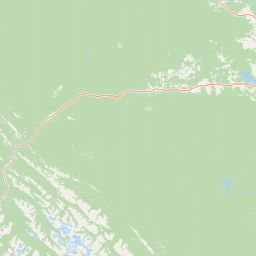
Map view of Jasper National Park

Use this park location map to pinpoint Jasper National Park in Canada, understand its exact geographic position, and read its mapped placement within the surrounding landscape more clearly.

Pigeon | © OpenStreetMap contributors

Location context for Jasper National Park

Alberta
Park atlas

Trace the rugged mountain landscapes and conservation zones surrounding Jasper National Park within the broader Canadian Rockies.

Explore More National Parks and Protected Landscapes Near Jasper National Park
After exploring the glacial systems and alpine terrain of Jasper National Park, expand your discovery to include other significant protected areas. Trace the interconnected network of national parks and conservation landscapes within the Canadian Rockies, understanding their distinct geographical features and conservation value.
National parkColumbia-Shuswap Regional District

Glacier National Park: A National Park within Canada's Protected Landscape Atlas

Explore its mapped boundaries and regional geography.

Glacier National Park represents a significant protected area entity within the broader Canadian geography. This page offers an atlas-oriented perspective on its identity as a national park, focusing on its mapped geographic spread and role as a conservation landscape. Users can explore the park's place within the Columbia-Shuswap Regional District and understand its distinct contribution to the national protected area framework.

Area
1,349 km²
Established
1886
IUCN
II
Visitors
4M annual
National parkBritish Columbia

Mount Revelstoke National Park: Explore Protected Landscape Geography and Mapped Boundaries

British Columbia's National Park Atlas Entry

Delve into the protected landscape of Mount Revelstoke National Park, a critical national park located in British Columbia. This entry provides a detailed look at its mapped geographic extent and protected area identity, offering valuable context for regional atlas exploration. Understand the park's distinct contribution to the mapped natural landscapes of Canada.

Area
260 km²
Established
1914
IUCN
II
Visitors
775.2K annual
National parkCanada

Banff National Park: Exploring Canada's Iconic National Park Protected Landscape and Geography

Mapped park boundaries and regional geographic context for Banff National Park.

Gain a structured understanding of Banff National Park as a key protected area within Canada. This resource details its identity as a national park, providing insights into its geographic setting and mapped landscape. It serves as a vital point for atlas-based discovery, helping to contextualize Banff National Park's significance within Canada's protected lands and natural terrain.

Area
6,641 km²
Established
1885
IUCN
II
Visitors
4.1M annual
National parkBritish Columbia

Kootenay National Park: National Park Protected Landscape and Geographic Context

Explore Kootenay National Park's mapped terrain and regional geography.

Kootenay National Park is a protected national park located in British Columbia, Canada. This dedicated detail page provides an atlas-style exploration of its geographic identity, focusing on its mapped boundaries and the surrounding natural terrain. Understand how Kootenay National Park fits into the larger regional geography, offering rich context for protected landscape discovery and analysis.

Area
1,406 km²
Established
1920
IUCN
II
Visitors
574.1K annual
National parkAlberta

Elk Island National Park: National Park Protected Landscape and Alberta Geography

Discover the mapped terrain and protected boundaries.

Elk Island National Park, a designated national park in Alberta, Canada, offers a distinct protected landscape for geographic exploration. This detail page focuses on its mapped boundaries, regional setting within Western Canada, and the specific natural terrain that constitutes its protected area. Users can gain a structured understanding of Elk Island National Park's role as a conserved natural entity, ideal for atlas-based discovery and geographic context.

Area
194 km²
Established
1913
IUCN
II
Visitors
401.9K annual
National parkAlberta

Waterton Lakes National Park: Alberta's Protected Landscape and Geographic Atlas

Explore mapped boundaries and regional terrain context.

Waterton Lakes National Park represents a vital protected area situated within the province of Alberta. This atlas view focuses on its mapped boundaries and the characteristic natural terrain, providing essential geographic context for understanding its significance. Discover its role as a national park and its placement within the regional geography of Western Canada, ideal for users seeking structured data on protected lands and landscape features.

Area
505 km²
Established
1895
IUCN
II
Visitors
475.8K annual
National parkWashington

North Cascades National Park: US National Park Protected Landscape and Geographic Context

Explore mapped boundaries and regional Washington geography.

Gain insight into North Cascades National Park, a vital US National Park located in Washington. This entry focuses on its protected land status, mapped geographic extent, and its role within the regional atlas. Users seeking to understand the park's landscape character, natural terrain, and its specific location in Washington will find this an essential point for detailed park geography exploration and protected area discovery.

Area
2,042.26 km²
Established
1968
IUCN
II
Visitors
16.5K annual
National parkMontana

Glacier National Park: A Montana National Park with Distinct Protected Landscape Geography

Explore its mapped boundaries and regional natural terrain.

Glacier National Park represents a significant national park entity within Montana, providing a unique lens for understanding protected landscapes and regional geography. As a key component of the US protected areas network, it offers valuable insights into mapped park boundaries and the surrounding natural terrain. This page serves as a gateway to exploring the specific geographic context and landscape identity of Glacier National Park.

Area
4,100.77 km²
Established
1910
IUCN
II
Visitors
2.9M annual

Common questions about visiting, size, designation, and location context for Jasper National Park

Jasper National Park FAQs for park facts, access, geography, and protected area context
Find quick answers about Jasper National Park, including protected-area facts, park geography, trail and visitor context, and how the park fits into its surrounding country and regional landscape.
MoriAtlas Explorer

Continue Your Protected Areas Search Across the Global Atlas

Deepen your exploration by continuing the structured search for national parks and protected areas worldwide. Utilize the comprehensive filtering capabilities to compare different conservation landscapes and refine your understanding of global park geography. Discover more about the distribution and characteristics of protected natural areas.

Global natural geography