
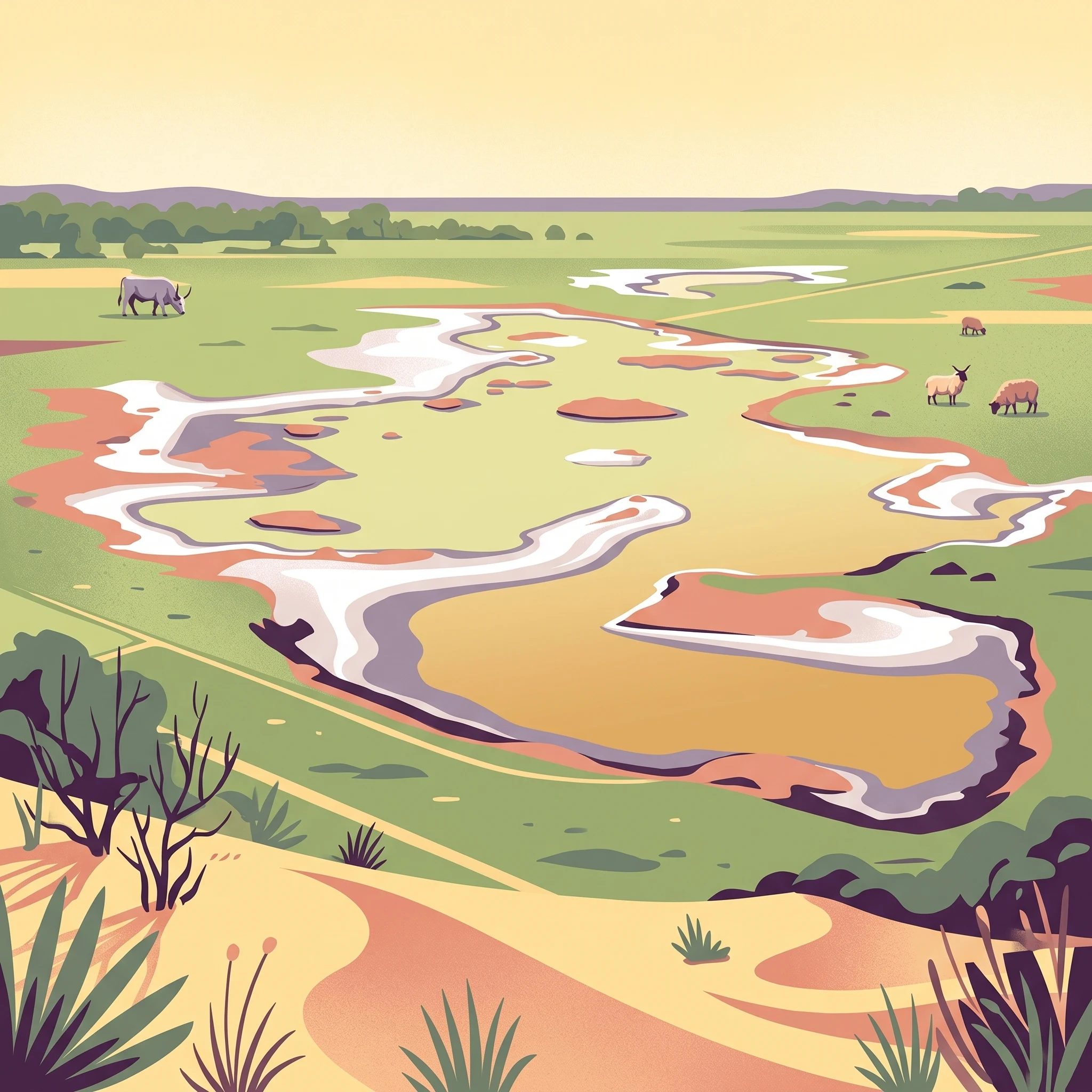
Trip Timing
When to Visit Kiskunság National Park: Timing and Trade-offs
Determining the best time to visit Kiskunság National Park requires a careful balance between the desire for temperate outdoor exploration and the specific ecological rhythms of the Great Hungarian Plain. While there is no single date that satisfies every traveler, the most rewarding experiences typically occur during the shoulder seasons of April to May and September to October. During these months, the puszta landscape is at its most accessible, offering a reprieve from the extreme heat of midsummer and the stark, freezing conditions that define the winter months in this region.
Balancing Weather and Wildlife
Your decision should be primarily influenced by the interaction between the region's sharp temperature fluctuations and the park's status as a critical migratory corridor. The spring and autumn windows provide the most comfortable daily temperatures, allowing for long periods of hiking or cycling across the varied terrain of the seven distinct park units. During these periods, the risk of heat exhaustion is minimal, and the park’s alkaline lakes and marshlands reach a peak of activity as tens of thousands of migratory birds use the area as a vital stopover. Choosing to visit outside these windows involves significant trade-offs. Summer, while offering long daylight hours, often brings intense heat, with mean maximum temperatures exceeding 35 degrees Celsius in July and August. This heat can restrict the duration of comfortable outdoor activities, particularly in the open, unshaded grassland environments that characterize much of the protected area.
Seasonal Constraints and Environmental Sensitivity
Beyond simple temperature considerations, the landscape itself is highly sensitive to the seasonal cycle. The unique moving sand dunes at Fülöpháza and the diverse wetland habitats of Lake Kolon are dynamic environments that shift in character throughout the year. Humidity levels and wind patterns also play a subtle but critical role in shaping the visitor experience. While the shoulder seasons are generally mild, the transition into the colder months brings a rapid drop in average minimum temperatures, often falling below zero by November. This creates a functional divide in the planning year, where the focus shifts from active observation and trail exploration to the appreciation of the quiet, expansive nature of the dormant puszta. Readers planning a visit must account for these environmental variations, as the park’s specific habitats are less welcoming during the height of the summer sun or the peak of the winter chill. By focusing your travel during the moderate transitional periods, you gain the best access to the park's primary ecological highlights while avoiding the most severe climate constraints of the Great Hungarian Plain.
Seasonal Planning
Best Months to Visit Kiskunság National Park at a Glance
Spring and Autumn: The Peak Windows for Exploration
The most rewarding periods for visitors to the park occur during the shoulder seasons, specifically April through May and September through October. These windows offer the best balance between moderate ambient temperatures and high biological activity. During spring, the thawing landscape and rising temperatures create ideal conditions for viewing migratory waterbirds that congregate around the alkaline lakes. Early spring days see average highs climbing into the low twenties, allowing for comfortable trekking across the open grasslands without the intense heat that defines the summer months.
Autumn provides a similar, though cooling, alternative. As September transitions into October, temperatures moderate from summer peaks, and the park takes on a quieter, golden appearance. This period is particularly suited to travellers who prioritize landscape photography and peaceful observation of the puszta, as the humidity levels drop and wind patterns become more stable compared to the transition into the deeper cold of winter.
Summer Timing and Thermal Trade-offs
Visiting between June and August presents a distinct set of environmental conditions that require careful consideration. This period experiences the highest mean temperatures, with daily maximums frequently exceeding 33 degrees Celsius. While these months offer the longest daylight hours of the year, providing ample time for extended exploration, the intensity of the midday heat can be taxing for activities exposed to the sun. Travellers choosing these months should plan their outings for the early morning or late afternoon to align with cooler intervals. The trade-off is higher solar exposure and a more arid landscape, which impacts the presence of certain wildlife compared to the water-rich spring migration period.
Navigating the Winter Transition
From November through March, the park enters a phase dominated by lower daylight availability and significantly cooler to cold temperatures. While January and December offer the lowest mean temperatures and increased humidity, this period is generally less suited for visitors seeking the classic puszta experience of wide-open, vibrant grasslands. Instead, the winter months are defined by dormancy and the potential for frost, as average minimums drop well below freezing. Travellers arriving during this window should focus on the cultural aspects of the region or specialized winter birdwatching, keeping in mind that the landscape is significantly more muted and outdoor activity is constrained by the short daylight hours of approximately 8 to 9 hours per day.
Annual Climate Patterns
Understanding the Monthly Weather and Climate of Kiskunság National Park
The Rhythm of the Puszta Climate
Kiskunság National Park sits within the Great Hungarian Plain, a landscape defined by an extreme continental climate that influences every aspect of the visitor experience. These climate patterns are not forecasts, but rather long-term normals (1991 to 2020) that illustrate the significant environmental shifts occurring throughout the calendar year. Understanding these averages helps explain why the puszta, with its open plains and alkaline wetlands, feels drastically different in the heat of July compared to the damp, crisp days of late autumn.
Temperature Extremes and Seasonal Transitions
The park experiences a wide temperature range that dictates the viability of outdoor exploration. During the winter months of December and January, mean temperatures hover near freezing, with average minimums regularly dropping below -10 degrees Celsius. These cold periods are characterized by high humidity, often exceeding 90 percent, which can make the air feel significantly sharper than thermometer readings suggest.
As spring arrives, the transition is rapid. By April, average daily highs climb to nearly 25 degrees Celsius, signaling the end of the frost-prone period. This warming trend accelerates through May and June, culminating in the peak summer heat of July and August. During these mid-summer months, average maximums frequently exceed 35 degrees Celsius. Because the landscape is largely exposed, there is minimal shade to mitigate this intense solar exposure, a factor critical for those planning to traverse the sand dunes or open grasslands during the middle of the day.
Rainfall Patterns and Humidity Shifts
Precipitation in the Great Hungarian Plain is generally moderate, yet it follows a pattern that favors the drier shoulder seasons over the mid-summer period. The driest conditions are typically found in the transition months of January and March, where daily precipitation averages remain low. Conversely, the summer months bring increased moisture, with June seeing the highest average precipitation values at roughly 2.28 millimeters per day. This moisture, combined with high summer temperatures, can lead to humid conditions that impact the feeling of the environment during long walks.
Autumn provides a gradual drying and cooling phase. By October, the relative humidity settles back into the 70 percent range, and temperatures retreat to more moderate levels, offering a relief from the summer intensity. This period remains generally drier than the summer months, making it a reliable window for those seeking to avoid the peak heat and the accompanying mid-summer atmospheric pressure.
Daylight Availability and Wind Influence
The amount of daylight is perhaps the most predictable variable for trip planning. Visitors benefit from a significant expansion of daylight hours from January, at 8.8 hours, to a peak in June, which offers over 15.6 hours of light. This extended window in June and July provides immense flexibility for extended outdoor observation, though it must be balanced against the heat-driven necessity of limiting activity to the cooler morning and evening hours.
Wind is a consistent feature of the puszta, influenced by its flat, unobstructed geography. Wind speeds remain relatively stable throughout the year, usually ranging between 3 and 4 meters per second. While these speeds may seem modest in numerical terms, the lack of windbreaks across the vast, open plains means that even a light breeze is felt intensely. This constant movement of air can be beneficial during the heat of summer, but it also increases the wind chill effect during the colder months, a vital consideration for those visiting outside of the peak summer window.
Seasonal Characteristics
Understanding Annual Weather Phases and Seasonal Transitions in Kiskunság National Park
Defining the Puszta Weather Cycles
Kiskunság National Park does not follow a standard four-season progression. Instead, the park operates on a binary rhythm of extreme continental variations, defined largely by the interaction between the open puszta landscape and the intensity of the sun. The most useful way to conceptualize the annual climate is through three distinct phases: the revitalizing transitional period of spring, the intense heat of the summer drought phase, and the cooling, often moisture-heavy, autumn and winter decline.
The Spring Awakening and Transitional Growth
From late March through May, the park experiences its most dynamic ecological phase. Following the persistent cold of winter, temperatures climb rapidly, with mean daily temperatures moving from mid-single digits into the high teens. This is the period of greatest unpredictability. While the average maximum temperatures suggest mild conditions, the proximity to freezing lows during March and early April necessitates flexible planning. This transition is marked by a shift from the low-light, high-humidity dormancy of February to the increasing daylight hours of May, which extend to over 14 hours. The vegetation responds quickly, and bird migration makes this the most active time for wildlife observation. Visitors notice a sharp decline in relative humidity during these months, dropping from the damp 85 percent seen in late winter to around 66 percent by May, which aids in the rapid drying of the puszta trails.
The Summer Heat and Arid Intensity
By June, the park enters a stable, high-heat phase that persists through August. This period is defined by its consistency rather than its variety. Mean temperatures stabilize above 20 degrees Celsius, and average maximums often exceed 33 degrees. Unlike the volatility of spring, summer is characterized by intense, direct sunlight and an open landscape that offers little shade. Relative humidity hits its annual low in August at roughly 55 percent, contributing to a dry, parched environment that affects the alkaline lakes, often causing them to recede and concentrate the avian populations along the remaining water edges. This is the period of maximum daylight, which peaks in June at over 15 hours, providing the longest daily window for exploration but also the highest exposure to peak-day heat.
The Cooling Decline and Winter Stagnation
From September through February, the park undergoes a long, gradual descent into winter stillness. September acts as a brief buffer, retaining some warmth but introducing the shorter, darker days of autumn. By November, the landscape reflects the onset of a significant shift toward the cold, high-humidity, and low-wind environment of deep winter. December and January are the quietest months, defined by mean temperatures hovering around or below zero and extreme relative humidity, often exceeding 90 percent. Unlike the dry heat of summer, the winter phase is damp and penetrating, making the wide-open spaces of the puszta feel more exposed. This season is not a period of sudden change but one of sustained dormant conditions where the landscape remains largely static until the arrival of the next spring warming cycle.
Seasonal Experiences
What Visiting Kiskunság National Park Is Like Throughout the Year
Connecting Seasonal Rhythms to Puszta Exploration
Visiting this landscape requires an understanding of how the Great Hungarian Plain transforms across the year. The park, characterized by its open grasslands and unique wetland systems, presents distinct conditions that directly influence how visitors interact with the terrain. During the spring months, as temperatures rise toward the seasonal mean of 11 to 16 degrees Celsius, the puszta awakens with vibrant activity. This is the period when the ecological cycle of the alkaline lakes and marshes is most visible, making it an appropriate window for those interested in the park's status as a key stopover for migratory bird species. The moderate conditions during these months facilitate extended walks along the numerous study trails, where the ground remains firmer before the intense heat of the summer months sets in.
Navigating the Summer Heat for Wildlife and Landscapes
The peak summer period, spanning from June through August, brings mean temperatures often exceeding 21 degrees Celsius and maximums that can climb significantly higher. This shift fundamentally alters the experience of the open grasslands. For those focused on the geological phenomena, such as the moving sand dunes near Fülöpháza, the high-sun season offers long daylight hours, sometimes exceeding 15 hours. However, the lack of canopy cover across the puszta means that physical exertion during the midday heat requires careful consideration. The summer landscape is often defined by its dry, expansive quality, which provides a stark, high-contrast perspective of the region that differs significantly from the lush, water-rich environment found in the spring.
Autumn Transitions and Pastoral Heritage
As the region moves into September and October, the climate softens, and the park’s focus shifts again. This period is often associated with the observation of traditional livestock, including the Hungarian Grey cattle and Racka sheep that define the region's pastoral heritage. The cooling temperatures, with means settling back toward the 11 to 17 degrees Celsius range, allow for more comfortable exploration of the various territorial units. While the bird migration patterns in autumn provide a different focus than the spring nesting season, the receding water levels in some of the park's wetland areas can create different vantage points for observing birdlife near the alkaline lakes.
Winter Dormancy and Site Accessibility
During the winter months, the park enters a phase of relative dormancy. With average minimums frequently dipping well below zero and daylight limited to fewer than 9 hours, the visitor experience changes to one of quiet observation. This is not the time for extensive trekking through the more remote marshland trails, as the cold and humidity often impact the accessibility of certain low-lying paths. Instead, the focus shifts to the visitor centers, such as the facility in Kecskemét, which provide necessary context for the park's ecological history when outdoor conditions make long-duration exposure impractical. Understanding these shifts helps ensure that your visit aligns with the seasonal reality of the Great Hungarian Plain rather than an idealized image of an open-access summer park.
Travel Priorities
When to Visit Kiskunság National Park for Hiking and Birdwatching
Navigating the Puszta for Foot Travel
For those prioritizing hiking through the open puszta, the most suitable windows are late spring, specifically April and May, or early autumn during September. These months strike a necessary balance between accessible daytime temperatures and the physical demand of walking across exposed, flat terrain. In mid-summer, average maximum temperatures frequently climb toward the mid-30s Celsius, which can turn even moderate study trails into demanding treks due to the lack of shade in the grassland ecosystems. By choosing April or May, you benefit from mean temperatures ranging from 11 degrees to 17 degrees Celsius, which allows for longer periods of activity without the risk of heat exhaustion. The trade-off is the potential for variable spring weather, as precipitation normals increase slightly compared to the winter months, requiring preparation for intermittent rain showers that can turn soil paths on the puszta into soft or muddy terrain.
Targeting Migration Windows for Birding
Birdwatching enthusiasts should tailor their visit to the specific pulses of migration rather than solely seeking the most temperate weather. While spring offers the benefit of blooming flora and active nesting behavior, autumn provides a distinct ecological spectacle as migratory waterbirds congregate at the chain of alkaline lakes. September remains an effective period for spotting species, as the temperature begins to moderate from the summer highs, with mean temperatures settling near 17 degrees Celsius. The primary compromise for autumn birdwatchers is the reduction in daylight hours; by late October, daylight decreases to approximately 10.5 hours compared to the 14-plus hours available in May. Planning for an autumn trip requires a tighter schedule, as observation towers and study trails are best utilized in the early morning or late afternoon when light is sufficient and avian activity is at its peak.
Managing Exposure and Daylight for Extended Field Days
Travellers who prioritize maximum daylight for exploring diverse park units should consider the window from late May through June. This period offers the highest volume of daily sunlight, often exceeding 15 hours, providing the greatest flexibility for moving between disjoint territorial units like the sand dunes near Fülöpháza and the wetlands near Izsák. The trade-off is unavoidable exposure to the annual peak of heat and humidity, as July and August normals show mean temperatures consistently exceeding 23 degrees Celsius and humidity levels that can feel heavy in the still, flat landscape. If you choose this period for the sake of extended daylight, you must adopt a biphasic rhythm to your day, utilizing the cooler morning hours for active hiking and reserving midday for indoor research or visiting climate-controlled visitor centers. This avoids the highest temperatures of the afternoon when the open, sun-baked landscape offers little shelter from the intense mid-year sun.
Visitor Access
Seasonal Access and Practical Planning for Kiskunság National Park
Navigating the dispersed units of Kiskunság National Park requires intentional planning, as the park is not a single enclosed territory but a collection of seven distinct units scattered across the Danube-Tisza Interfluve. Because these areas are interspersed with private land, agricultural zones, and public roads, there is no single entry gate or fence. Access to the puszta, alkaline lakes, and sand dune systems relies on a network of public roads and marked hiking trails, all of which remain subject to local weather conditions and seasonal maintenance. Always check the official Kiskunság National Park website or contact the directorate in Kecskemét to confirm that specific study trails or observation points are open before you begin your journey. The park directorate maintains visitor information that is subject to periodic updates, meaning information found in travel guides or older online maps may not reflect current path closures or changes in access rules. While the puszta appears as an open landscape, entry to protected core zones is often restricted to marked paths or guided tours to safeguard fragile ecosystems. Please note that parking locations, such as those near the Felsö-Kiskunsági puszta or the Réce educational trail, are provided as starting points for exploration, but you should verify their current availability and status via the park authority. Public transport to reach the more remote units is limited and rarely frequent, making private vehicle transport the most reliable way to navigate between the different territorial units. If you plan to rely on local buses or trains, verify current schedules with Hungarian transport operators as these do not necessarily align with park visitation needs. There are no permits required for general hiking on marked trails, but if your visit involves professional research, group photography, or specific events, you must contact the park administration in advance to determine if a permit is required. Since the park covers various landscapes from shifting sand dunes to wetland habitats, conditions can change rapidly following heavy rainfall or during periods of extreme drought. Even when the weather seems stable, dirt roads and access tracks can become difficult to traverse if the underlying ground is saturated. Always prioritize safety by checking local alerts and verifying the status of trailheads on the official park website before finalizing your itinerary for any given day.
Safety and Preparation
Seasonal Weather Hazards and Packing for Kiskunság National Park
Managing Thermal Extremes in the Puszta
The open landscape of Kiskunság National Park creates a climate where temperatures can shift significantly between seasons and even across a single day. During the peak summer months, daytime maximums often exceed 35 degrees Celsius. Because the puszta lacks significant tree cover or shade in many of its seven units, there is little natural protection from direct solar radiation. Preparing for these conditions requires a focus on personal thermal regulation. Rather than relying on rigid rules, visitors should plan to shift their most strenuous activities to the early morning hours or late afternoon when solar intensity is lower. If you are visiting during the shoulder seasons of spring or autumn, prepare for rapid cooling after sunset as average minimums frequently drop near or below freezing, particularly in October and March. Carrying extra layers is essential, as the lack of vertical topography allows winds to move freely across the plains, significantly increasing the sensation of cold even on otherwise sunny days.
Preparing for Variable Field Conditions
Navigation and safety in this national park are heavily influenced by the nature of the terrain. The landscape features diverse habitats, including moving sand dunes and alkaline wetlands, which react differently to weather patterns. During periods of higher precipitation, paths in the marshy or floodplain areas may become saturated or muddy, potentially complicating movement. Conversely, the Fülöpháza sand dunes are highly exposed to wind, which can lead to shifting ground conditions and increased dust. Because the park is composed of dispersed territorial units, you cannot rely on a single set of preparations for every location. Always check specific route conditions on the official park website before departure. There are no site-wide facilities for medical or emergency assistance, so you must carry sufficient supplies for the duration of your trip based on your personal needs and the duration of your planned exposure.
Monitoring Alerts and Daily Forecasts
Long-term climate data provides a general baseline, but it does not account for the localized, short-term weather events that impact the Great Hungarian Plain. High-wind events or sudden atmospheric shifts can occur regardless of the season. Before entering any of the park units, consult local weather services for the most current forecasts specific to the Bács-Kiskun region. If the park directorate issues specific alerts or temporary trail restrictions, these supersede all general seasonal planning advice. Being prepared means remaining flexible enough to adjust your itinerary if conditions on the ground do not align with the broad seasonal expectations.
Trip Planning
Deciding on Your Visit Timing for Kiskunság National Park
Deciding when to visit Kiskunság National Park ultimately depends on your tolerance for the extreme thermal shifts inherent to this lowland continental landscape. The park does not offer a single ideal window that satisfies every visitor, as the best experience is defined by a deliberate trade-off between comfortable temperatures and the specific ecological rhythms of the puszta. If your primary goal is to observe the spring migration or to explore the alkaline lake systems without the intensity of summer heat, the months of April and May are highly suitable. These periods provide moderate daylight hours and temperatures that facilitate longer sessions of outdoor activity. Conversely, choosing the autumn months of September and October allows for stable, cooling weather that remains pleasant for extended hikes across the grasslands.
For those who prioritize longer daylight hours to maximize their time in the field, the summer months offer the most extensive window of visibility. However, this choice necessitates a physical trade-off. You must be prepared to manage high heat and the lack of shade typical of the open puszta, often by scheduling activities for the early morning or late evening. If you prefer to avoid both the heat of mid-summer and the biting cold of mid-winter, the shoulder seasons provide the most reliable conditions for diverse activities. The winter period, while providing a stark, quiet atmosphere, limits daylight and increases the risk of cold-related discomfort, making it suitable only for those specifically seeking to study the dormant landscapes of the Great Hungarian Plain.
Your final decision should be guided by your individual priorities regarding temperature, wildlife visibility, and comfort. Because climate normals from 1991 to 2020 provide only a baseline expectation, they should never be treated as a guarantee for your specific travel dates. Local conditions in the Danube-Tisza Interfluve are volatile and subject to sudden change. Before you finalize your travel plans, ensure you verify current weather forecasts, check the official website of the Kiskunság National Park Directorate for any active trail alerts or access restrictions, and confirm the status of visitor centers. By aligning your chosen window with these practical, site-specific realities, you can plan an experience that matches your expectations for exploring this unique UNESCO biosphere reserve.