

Mori Atlas logo
Park guides

Focused insights for navigating the puszta, alkaline lake systems, and protected habitats.

Official Guide Collection for Kiskunság National Park on the Great Hungarian Plain

Discover the available guides for Kiskunság National Park, providing essential information on seasonal patterns for exploring the vast puszta and shifting sand dunes. These resources support understanding the ecological characteristics of the Danube, Tisza Interfluve, and the unique wetland habitats that define this protected Hungarian landscape.

Stylized illustration of a waterfall in a mountainous landscape with a river flowing through a valley surrounded by forests of different tree types under a sky with a sun and clouds

Hungary's puszta and wetlands biosphere reserve on the Great Hungarian Plain

Kiskunság National Park

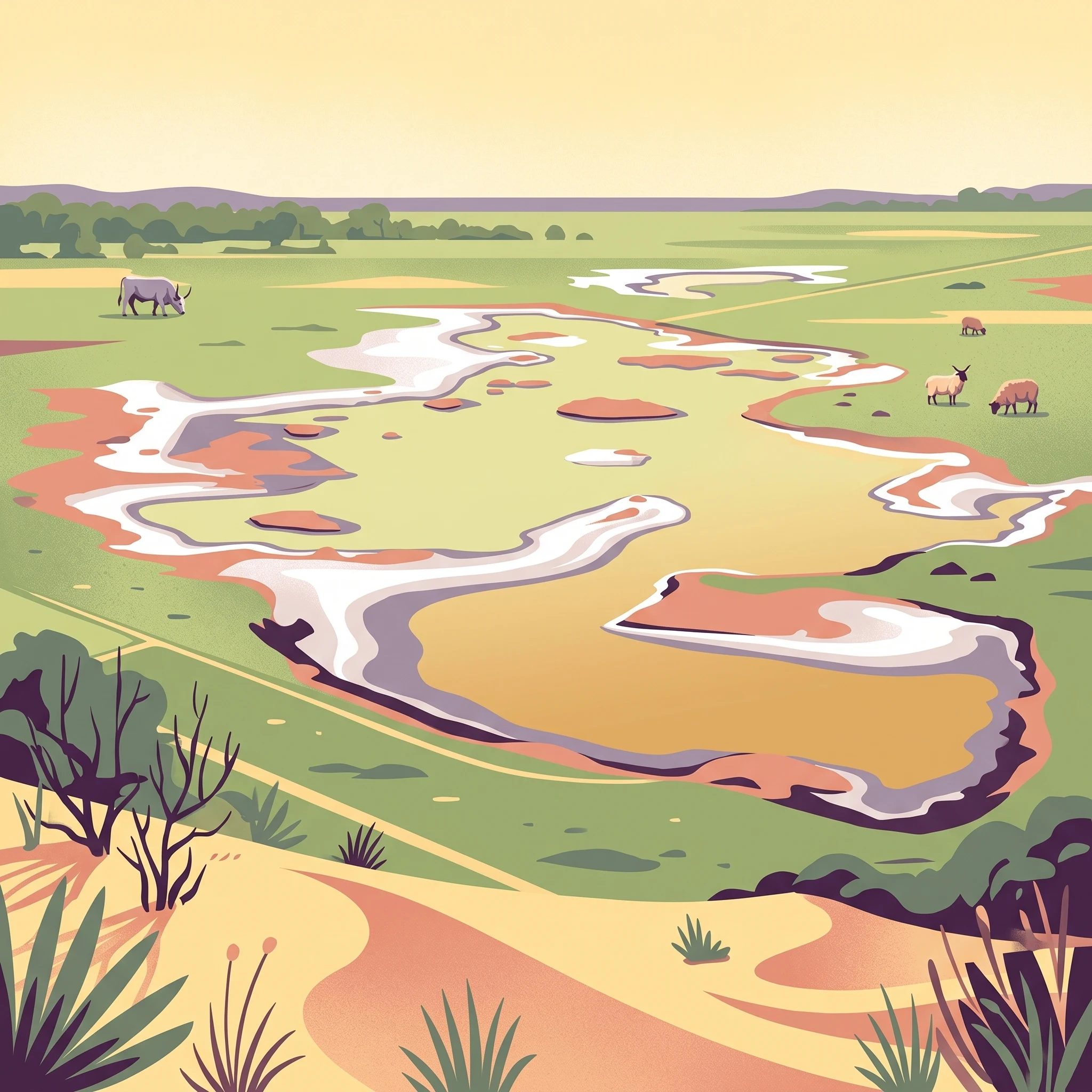
Kiskunság National Park stands as a testament to the harmonious coexistence between human communities and the natural environment on Hungary's Great Hungarian Plain. Established in 1975 as the country's second national park, the protected area encompasses approximately 530 square kilometers distributed across seven separate territorial units in the Little Cumania region. The park's landscape reflects the geological and ecological diversity of the Danube–Tisza Interfluve, a vast lowland corridor between the Danube and Tisza rivers. Unlike mountainous or forested protected areas common elsewhere in Europe, Kiskunság preserves a largely flat, open terrain characterized by alkaline grasslands, scattered lakes, sand dune systems, and marshland complexes. The park's significance was recognized internationally when UNESCO designated approximately two-thirds of its territory as a biosphere reserve in 1979, acknowledging both its ecological importance and its role in maintaining traditional land-use practices. The wetlands within the park fall under the Ramsar Convention, providing legal protection to some of Central Europe's most productive waterbird habitats. The park visitor center, known as the House of Nature, is located in Kecskemét, the largest city in Bács-Kiskun county.

Location
Hungary
Park type
National park
Established
1975
Area
530 km²
Kiskunság National Park Protected Landscape
1 guide

Compare available reference resources for planning timing and seasonal visits.

Kiskunság National Park Published Guide Collection and Seasonal Insights

Published guides for Kiskunság National Park deliver focused coverage on specific planning questions and seasonal timing. Reference materials provide detailed seasonal insights for timing visits around spring and autumn migration periods across the open puszta.
MoriAtlas Explorer

Continue Exploring the Mapped Geography of Kiskunság National Park

Delve deeper into the protected landscapes and unique terrain of Kiskunság National Park. Understanding its scattered territorial units and distinct ecological features provides valuable insight into the regional geography of the Great Hungarian Plain. Continue your atlas exploration to discover the mapped context of this significant Hungarian national park and its diverse habitats.