

Mori Atlas logo
National parkMain Range National Park

Discover the mapped boundaries and regional geographic context of this national park.

Main Range National Park: Queensland's Protected Landscape and Geographic Atlas

Main Range National Park stands as a key protected area within Queensland, Australia, offering critical insights into the region's natural landscapes. This page provides detailed geographic information and mapped park boundaries, enabling a comprehensive understanding of its protected landscape identity. Explore the atlas-style data to appreciate the park's placement within Queensland's diverse geography and natural terrain.

rainforest protected areavolcanic mountainsWorld Heritage siteSouth East QueenslandGondwana RainforestsScenic Rim

Main Range National Park

National park

Park overview

Structured park overview, official facts, and landscape profile for Main Range National Park

Main Range National Park park facts, protected area profile, and essential visitor context
Review the core facts for Main Range National Park, including designation, size, terrain, visitor scale, habitats, and operating context in one park-focused overview.

About Main Range National Park

Main Range National Park occupies a significant position in Queensland is protected area network as the guardian of the largest remaining subtropical rainforest in South East Queensland. The park extends from Kangaroo Mountain near Frazerview south to Wilsons Peak on the New South Wales border, encompassing a spectacular semicircle of peaks that form the visual backdrop for the Scenic Rim region. The mountains rose from ancient volcanic activity between 25 and 22 million years ago, with multiple basalt dykes creating horizontal lava flows that now form not only the Main Range but also the Little Liverpool Range and Mistake Range. These volcanic origins produced the rugged terrain of steep forested slopes, exposed rocky peaks, and deep valleys that characterise the park today. The park provides crucial habitat for numerous threatened species and forms part of a larger network of World Heritage-listed rainforest reserves that represent fragments of the ancient supercontinent Gondwana. Visitors can access the park through several key locations including Cunninghams Gap, Spicers Gap, and Queen Mary Falls, where walking tracks, camping areas, and picnic facilities provide opportunities to experience this mountainous landscape.

Quick facts and research context for Main Range National Park

Main Range National Park covers 301.7 square kilometres and was established in 1965, though surrounding areas received protection as early as 1909. The park is governed by the Queensland Parks and Wildlife Service and forms part of the Scenic Rim Important Bird Area identified by BirdLife International. The geological foundation consists of ancient shield volcano formations dating to 25 to 22 million years ago during the Tertiary period, with basalt and trachyte lava flows creating the distinctive mountain terrain. The park contains several notable peaks including Mount Cordeaux, Mount Mitchell, Spicers Peak, and Bare Rock.

Park context

Deeper park guide and search-rich context for Main Range National Park

Main Range National Park history, landscape, wildlife, and travel context
Explore Main Range National Park through its history, landscape character, ecosystems, wildlife, conservation priorities, cultural context, and seasonal travel timing in a structured park guide built for atlas discovery and search intent.

Why Main Range National Park stands out

Main Range National Park is best known for protecting the most extensive subtropical rainforest remaining in South East Queensland and for its dramatic volcanic mountain landscape within the Gondwana Rainforests of Australia World Heritage Site. The park encompasses over 40 peaks above 1,000 metres and contains the region is highest mountain, Mount Superbus. It is also recognized for the heritage-listed Spicers Gap Road, a sophisticated example of 19th-century engineering that once carried supplies between the Darling Downs and the coast.

Main Range National Park history and protected-area timeline

The Main Range region has a rich human history spanning Indigenous occupation and European settlement. Spicers Gap is believed to have served as a traditional pathway for Indigenous Australians travelling between the inland plains and the coast long before European arrival. In 1828, the botanist Allan Cunningham officially discovered the route through the mountains now known as Cunninghams Gap, though the gap had been visible from Brisbane for centuries. Stockman Henry Alphen discovered Spicers Gap in 1847, and the Spicers Gap Road constructed through this pass became the best remaining example of sophisticated 19th-century engineering in Queensland, used to transport supplies to and from the Darling Downs. George Elphinstone Dalrymple settled in the Goomburra Valley in 1840, after which Dalrymple Creek was named. By 1847, the new road through Spicers Gap was opening previously remote areas for settlers. The area surrounding Cunninghams Gap was declared a national park in 1909. In 1994, the UNESCO World Heritage Committee extended the Central Eastern Rainforest Reserves to include the Goomburra Forest Reserve within Main Range National Park. In 2007, the Gondwana Rainforests of Australia were added to the Australian National Heritage List.

Main Range National Park landscape and geographic character

The Main Range presents a dramatic landscape of volcanic origin characterised by steep-sided mountains, exposed rocky peaks, and deeply forested slopes. The ancient shield volcano that formed the range erupted through numerous basalt dykes rather than from a central peak, creating horizontal lava flows that now comprise the bulk of the mountains. The terrain rises sharply from the surrounding valleys, with more than 40 peaks exceeding 1,000 metres scattered across the park. Notable summits include Mount Superbus at 1,375 metres (South East Queensland is highest peak), Mount Mitchell at 1,168 metres, Spicers Peak, Mount Cordeaux, and the distinctive granite formation of Bare Rock. The landscape transitions from moist rainforest in the valleys and lower slopes to montane heath and exposed rock at higher elevations. Lookouts throughout the park offer sweeping views across the Scenic Rim and out toward the Great Dividing Range.

Main Range National Park ecosystems, habitats, and plant life

The park protects the most significant remaining area of subtropical rainforest in South East Queensland, a habitat type that has been extensively cleared throughout the region. The steep slopes of the range largely escaped historical land clearing, preserving them as critical wildlife refuges. The predominant vegetation types include subtropical rainforest in the moister valleys and lower slopes, transitioning to dry sclerophyll forest on ridges and exposed positions. Montane heath occurs at higher elevations. These diverse habitats form part of the Gondwana Rainforests of Australia World Heritage Site, representing remnants of the ancient forests that covered much of the supercontinent before continental drift scattered them across what is now South America, Africa, and other landmasses.

Main Range National Park wildlife and species highlights

Main Range National Park provides crucial habitat for several threatened species, making it significant for conservation. The park is home to three bird species listed as threatened: the eastern bristlebird, Coxen's fig parrot, and black-breasted buttonquail. The vulnerable red goshawk may also be seen hunting in the park is skies. The Goomburra section of the park supports important populations of endangered species including the giant barred frog, Fleay's barred frog, spotted-tailed quoll (also known as the tiger quoll), and the Hastings River mouse. These species rely on the intact forest habitats that the park protects, with the steep forested slopes serving as refuges in a region where lowland habitats have been extensively modified for agriculture and development.

Main Range National Park conservation status and protection priorities

The park is a core component of the Gondwana Rainforests of Australia World Heritage Site, recognised internationally for outstanding universal value representing Earth is geological history and biological evolution. The World Heritage listing encompasses reserves that contain almost all of is remaining subtropical rainforest, of which Main Range protects the largest area in South East Queensland. The park is also part of the Scenic Rim Important Bird Area identified by BirdLife International because of its significance for threatened bird species. The protection of these forests is critical given the extensive clearing that has occurred throughout the region, with the steep terrain of the Main Range providing refuges for species that have been lost from surrounding lowland areas. The extension of World Heritage protection to include the Goomburra Forest Reserve in 1994 strengthened the conservation framework for the park.

Main Range National Park cultural meaning and human context

The Main Range holds significance for the Traditional Custodians of the land, with Spicers Gap believed to have served as a traditional pathway for Indigenous Australians travelling between the inland plains and the coast. This historic route predates European settlement by thousands of years and represents the long connection between Aboriginal peoples and the mountain landscape. European exploration and settlement began in the 1820s, with Allan Cunningham is 1828 discovery of Cunninghams Gap opening the mountainous barrier to travel between Brisbane and the fertile Darling Downs region. The subsequent construction of Spicers Gap Road in the 1840s represents a significant engineering achievement and is now heritage-listed as a reminder of Queensland is colonial transportation history.

Top sights and standout views in Main Range National Park

The Main Range offers exceptional mountain scenery with more than 40 peaks exceeding 1,000 metres providing dramatic vistas across South East Queensland. The ancient volcanic landscape creates distinctive terrain including bare rock summits, forested slopes, and deep valleys. Walking tracks at locations such as Spicers Gap, Cunninghams Gap, and Queen Mary Falls allow visitors to explore the park is natural beauty. The park protects the largest area of subtropical rainforest in the region and provides habitat for numerous threatened species. As part of the Gondwana Rainforests World Heritage Site, the park represents a globally significant conservation area.

Best time to visit Main Range National Park

The cooler months from May through September generally offer more comfortable conditions for exploring the Main Range, with milder temperatures making hiking and outdoor activities more pleasant. Summer months can bring hot and humid conditions along with increased rainfall, which while contributing to the rainforest is lush character, may make extended walks more challenging. The park can be visited throughout the year, with each season offering different experiences of the mountain landscape.
Park location guide

Geography guide, regional context, and park location map for Main Range National Park

Main Range National Park park geography, regions, and map view in Australia
Understand where Main Range National Park sits in Australia through a broader geographic reading of the surrounding landscape, nearby location context, and its mapped position within the national park landscape.

How Main Range National Park fits into Australia

Australia is a constitutional monarchy and federal parliamentary democracy comprising six states and ten territories. With a population of nearly 28 million, it is one of the world's most urbanised countries, with most people concentrated on the eastern seaboard. The country has a high Human Development Index and is known for its cultural diversity, ancient Aboriginal heritage, and unique wildlife.

Wider geography shaping Main Range National Park in Australia

Australia occupies the entire Australian continent, the island of Tasmania, and numerous smaller islands. It is the world's flattest and driest inhabited continent, featuring vast deserts in the interior (the Outback), tropical rainforests along the eastern coast, and a coastline bordering the Indian and Pacific Oceans.

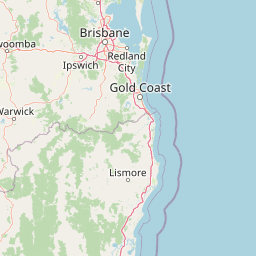
Map view of Main Range National Park

Use this park location map to pinpoint Main Range National Park in Australia, understand its exact geographic position, and read its mapped placement within the surrounding landscape more clearly.

Pigeon | © OpenStreetMap contributors

Location context for Main Range National Park

Queensland
Park atlas

Trace the protected landscape spread across South East Queensland, comparing volcanic mountains and ancient Gondwana rainforests.

Explore National Parks and Protected Areas Near Main Range National Park
Browse national parks and protected areas geographically adjacent to Main Range National Park, extending exploration across similar subtropical rainforests and volcanic mountain landscapes. Compare regional protected areas, mapped terrain features, and conservation values to understand the wider geographic context of the Gondwana Rainforests World Heritage Site.
National parkQueensland

Moogerah Peaks National Park: Protected Volcanic Peaks and Natural Terrain in Queensland

Explore mapped boundaries and regional landscape context.

Moogerah Peaks National Park represents a vital protected area in South East Queensland, safeguarding striking volcanic mountains and their unique ecosystems. This national park showcases dramatic cliff faces and distinct geological formations, offering a valuable snapshot of the region's natural heritage and landscape character. Understanding its protected status and geographic setting within Queensland enhances exploration of Australia's diverse natural environments.

Area
9.27 km²
Established
1982
IUCN
II
Relief
Mountain
National parkNew South Wales

Koreelah National Park: Protected Landscape with Dramatic Gorges and Wildlife

Explore the mapped terrain and regional geography of this New South Wales national park.

Koreelah National Park is a protected national park located in northern New South Wales, Australia, celebrated for its rugged topography and significant natural features. The park's landscape is defined by spectacular gorges, sheer cliffs, and impressive waterfall systems, creating a remote wilderness experience. It serves as a vital protected area, offering refuge to diverse wildlife, including platypus and koalas, and is recognized for its importance within the Scenic Rim Important Bird Area. Discover its mapped boundaries and unique geographic context for a deeper understanding of Australian protected lands.

Area
53 km²
Established
1999
IUCN
II
Relief
Upland
National parkNew South Wales

Mount Clunie National Park: Protected Mountain Landscape and Gondwana Rainforest Geography

Explore its mapped boundaries and regional significance.

Mount Clunie National Park is a protected national park in New South Wales, Australia, characterized by its mountainous terrain and its status as part of the Gondwana Rainforests of Australia World Heritage Site. Situated in the Scenic Rim region, the park's elevated position and ancient ecosystems offer unique insights into Australia's natural heritage. Understanding its geographic context and protected landscape identity provides essential context for regional atlas exploration.

Area
14.26 km²
Established
1999
IUCN
II
Relief
Mixed relief
National parkQueensland

Mount Barney National Park: Queensland National Park with Mapped Natural Terrain

Explore protected landscapes and regional geography.

Mount Barney National Park represents a significant protected area within the Queensland region, offering valuable insights into Australia's natural landscapes. This national park context allows for detailed exploration of its mapped boundaries and surrounding geography. Understanding its place within the broader atlas of protected lands provides a foundation for appreciating the distinct natural terrain and conservation context it offers for dedicated geographic discovery.

Area
130 km²
Established
1947
IUCN
II
Relief
Mountain
National parkNew South Wales

Mount Nothofagus National Park: Explore New South Wales Protected Landscape Geography

Mapped protected area boundaries and regional context.

Delve into the geographic specifics of Mount Nothofagus National Park, a protected national park situated in New South Wales, Australia. This resource focuses on its mapped landscape, showcasing its protected area status and its integral position within the regional geography. Understand the park's extent and its contribution to the atlas of Australian natural landscapes through detailed geographic information.

Area
21.8 km²
Established
1999
IUCN
II
Relief
Mountain
National parkNorthern Rivers

Tooloom National Park: National Park Exploration and Geographic Mapping

Mapped protected area and regional landscape context.

Tooloom National Park offers a focused area for protected landscape discovery within Australia's Northern Rivers region. This entry provides essential details on its designation as a national park, its geographic setting, and its mapped outlines, enabling detailed atlas-style exploration. Understand how Tooloom National Park contributes to the regional conservation geography and its specific mapped terrain for dedicated study.

Area
43.8 km²
Established
1995
IUCN
II
Climate
Subtropical
National parkQueensland

Gatton National Park: A Queensland Protected Landscape for Atlas Exploration

Mapped geographic identity and protected area context.

Gatton National Park offers a distinct entry point for exploring Australia's protected lands through a geographic lens. As a designated national park within Queensland, its mapped boundaries and regional setting are crucial for understanding the broader atlas of Australian natural landscapes. This page facilitates discovery of the park's specific geographic character and its role within the country's protected area network, providing essential context for natural landscape exploration.

Area
4.26 km²
Relief
Lowland
Climate
Subtropical
Access
Moderate access
Watercolor painting showing a landscape with hills, forest, and river
National parkNew South Wales

Toonumbar National Park: Australia's Gondwanan Rainforest Heritage and Volcanic Geography

Explore the mapped protected landscape and ancient ecosystems of this New South Wales national park.

Toonumbar National Park represents a significant component of the Gondwana Rainforests of Australia World Heritage Site, offering a profound look into ancient forest ecosystems. Its landscape is sculpted by ancient volcanic activity, creating dramatic peaks and fertile terrain that supports remarkable biodiversity. This protected area in New South Wales provides critical habitat for numerous threatened species within its extensive subtropical and temperate rainforests, making it a key destination for understanding Australia's natural heritage and geographic context.

Area
149.1 km²
Established
1995
IUCN
II
Relief
Mountain

Common questions about visiting, size, designation, and location context for Main Range National Park

Main Range National Park FAQs for park facts, access, geography, and protected area context
Find quick answers about Main Range National Park, including protected-area facts, park geography, trail and visitor context, and how the park fits into its surrounding country and regional landscape.
MoriAtlas Explorer

Continue Your Protected Areas Search Across the Global Atlas

Deepen your exploration by continuing the structured search for national parks and protected areas worldwide. Utilize the comprehensive filtering capabilities to compare different conservation landscapes and refine your understanding of global park geography. Discover more about the distribution and characteristics of protected natural areas.

Global natural geography