Mori Atlas logo
National parkMalindi Marine National Park

Discover the mapped boundaries and regional geography of this national park on Kenya's coast.

Malindi Marine National Park: Kenya's Protected Marine Landscape for Atlas Exploration

Malindi Marine National Park represents a significant protected marine area within Kenya, offering a unique landscape for geographic discovery. As a national park, its boundaries are mapped, contributing to the understanding of coastal conservation and regional natural features. This page serves as an atlas-style entry point to explore the park's environmental context, its place within Kenya's diverse geography, and the value of its protected status for landscape exploration.

Marine Protected AreaCoral ReefsSea TurtlesDolphinsIndian OceanEast Africa
Illustration of a coastal landscape with cliffs, waterfall, and sunset

Malindi Marine National Park

National park

Park overview

Structured park overview, official facts, and landscape profile for Malindi Marine National Park

Malindi Marine National Park park facts, protected area profile, and essential visitor context
Review the core facts for Malindi Marine National Park, including designation, size, terrain, visitor scale, habitats, and operating context in one park-focused overview.

About Malindi Marine National Park

Malindi Marine National Park represents an important chapter in African marine conservation history as the continent's oldest marine protected area. Established to preserve the rich marine ecosystems along Kenya's Indian Ocean coast, the park encompasses a section of tropical ocean waters near the coastal town of Malindi. The protected area is characterized by its coral reef systems, which form the backbone of the marine ecosystem and provide habitat, feeding grounds, and breeding areas for numerous marine species. The park's waters support populations of tropical fish that move among the reef structures, while larger predators such as barracuda patrol the open waters. Sea turtles, including green turtles and hawksbill turtles, use the park's waters and beaches as feeding and resting areas, contributing to the region's importance as a marine turtle habitat. Dolphins are also commonly observed in the park's waters, with several species making appearances throughout the year. The management of the park falls under the Kenya Wildlife Service, which implements conservation protocols and monitoring programs to maintain the ecological integrity of the marine environment. The park's designation as part of the larger Malindi Marine National Reserve creates a layered conservation approach that extends protection beyond the core protected zone.

Quick facts and research context for Malindi Marine National Park

Malindi Marine National Park sits along the Indian Ocean coastline near the town of Malindi in Kenya, approximately 118 kilometers north of Mombasa. The park is recognized as Africa's oldest marine protected area and is managed by the Kenya Wildlife Service. The marine environment features coral reef formations, tropical fish communities, and serves as a habitat for sea turtles and dolphins. The park operates within a broader conservation framework that includes the Malindi Marine National Reserve, which also encompasses the neighboring Watamu Marine National Park.

Park context

Deeper park guide and search-rich context for Malindi Marine National Park

Malindi Marine National Park history, landscape, wildlife, and travel context
Explore Malindi Marine National Park through its history, landscape character, ecosystems, wildlife, conservation priorities, cultural context, and seasonal travel timing in a structured park guide built for atlas discovery and search intent.

Why Malindi Marine National Park stands out

Malindi Marine National Park is best known for its coral reef ecosystems and the diversity of marine life that inhabits its waters. The park's coral formations support tropical fish populations, while its open waters provide habitat for barracuda, sea turtles, and dolphins. As the oldest marine park in Africa, it holds historical significance in the development of marine conservation practices on the continent. The park's proximity to the coastal town of Malindi makes it accessible for both scientific study and recreational activities related to marine exploration.
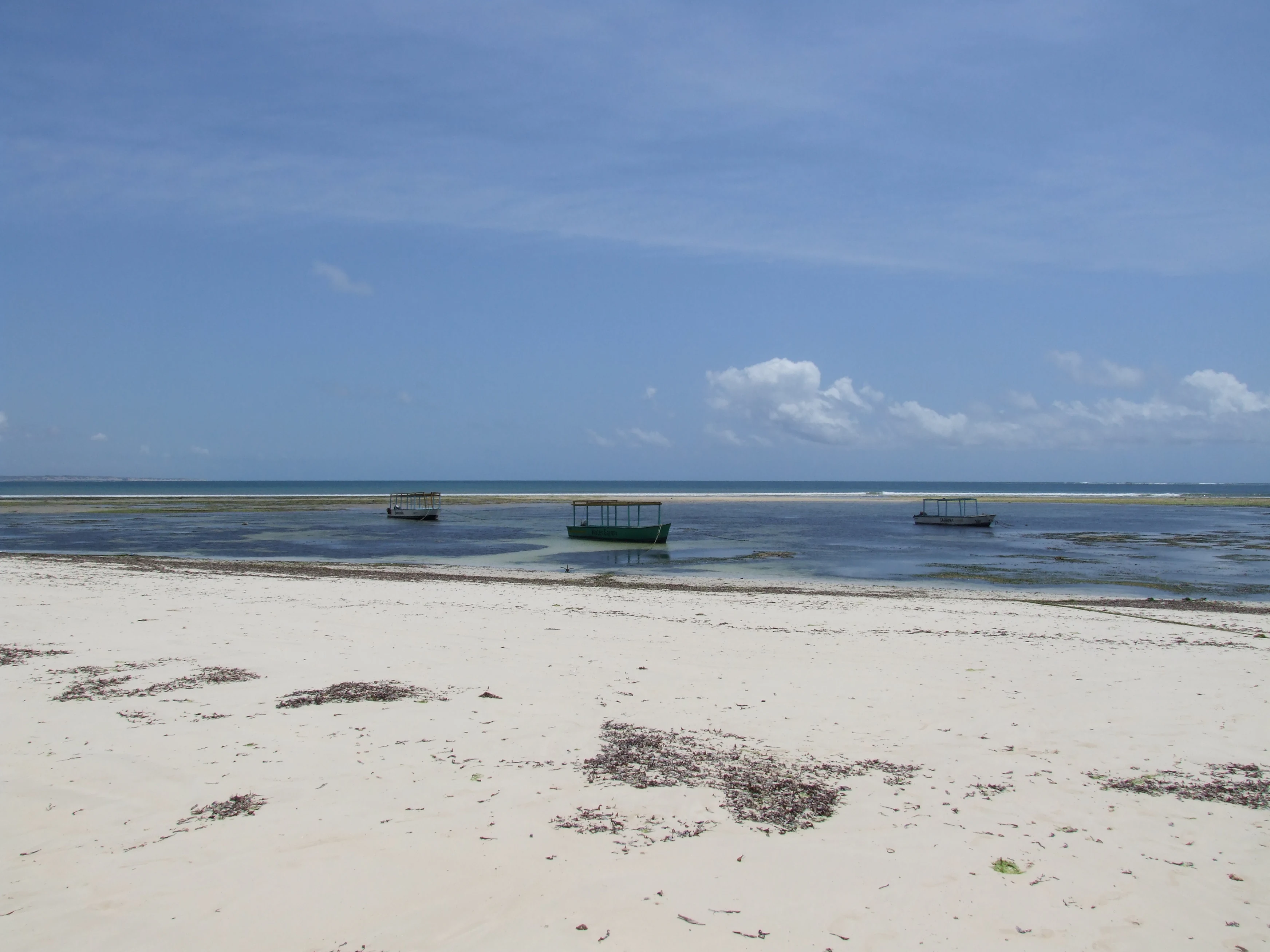
Sandy beach with seaweed patches, calm ocean waters, and three small floating structures under a clear blue sky
Sandy beach with scattered seaweed and floating platforms in the Indian Ocean at Malindi Marine National Park

Malindi Marine National Park history and protected-area timeline

Malindi Marine National Park holds the distinction of being the first marine protected area established in Africa, representing an early recognition of the need to conserve tropical marine ecosystems along the continent's coastlines. The creation of the park reflected growing awareness during the mid-to-late twentieth century of the vulnerability of coral reef systems to human activities and environmental pressures. Since its establishment, the park has been managed by the Kenya Wildlife Service, the national agency responsible for protected area management across Kenya. The park's development contributed to the broader expansion of Kenya's marine conservation network, which later included the establishment of Watamu Marine National Park and the overarching Malindi Marine National Reserve framework. These coordinated protected areas work together to provide comprehensive coverage of the region's marine habitats and ecological processes.

Malindi Marine National Park landscape and geographic character

The landscape of Malindi Marine National Park is fundamentally aquatic, characterized by the clear tropical waters of the Indian Ocean that span from the shoreline outward to the reef systems. The park's underwater terrain features coral reef formations that rise from the ocean floor, creating complex three-dimensional structures that support diverse marine communities. These reef systems include both fringing reefs near the shore and deeper reef formations further offshore. The water clarity in the park allows for excellent visibility for underwater observation and diving activities, with underwater visibility often extending many meters. The marine environment transitions from shallow sandy bottom areas near the coast to deeper waters beyond the reef zones. The coastline near Malindi provides access points to the park and features the characteristic palm-fringed beaches typical of Kenya's tropical coast. The overall setting combines the aquatic marine environment with the terrestrial coastal strip, creating a seamlessly integrated coastal marine landscape.

Malindi Marine National Park ecosystems, habitats, and plant life

The marine nature of the park centers on coral reef ecosystems that represent some of the most biodiverse marine environments on Earth. The reef formations in Malindi Marine National Park support intricate ecological communities where corals, fish, invertebrates, and algae interact in complex food webs. Coral species diversity provides the structural foundation for the ecosystem, while the fish communities that depend on the reefs range from small reef-dwelling species to larger predatory fish. The park's position along the East African coast places it within a tropical marine biogeographic zone characterized by high species turnover and unique combinations of Indian Ocean species. Water temperature regimes support tropical marine life throughout the year, with the warm waters of the Indian Ocean maintaining conditions suitable for coral growth and reef maintenance. The marine environment also includes seagrass beds and sandy substrates that provide additional habitat types beyond the reef zones.

Malindi Marine National Park wildlife and species highlights

The wildlife of Malindi Marine National Park is dominated by marine species that inhabit the tropical ocean waters and coral reef environments. Coral reefs serve as the primary habitat for diverse assemblages of tropical fish, with numerous species represented including damselfish, butterflyfish, angelfish, and wrasses among many others. Larger predatory fish such as barracuda are notable inhabitants of the open water areas beyond the reefs, where they hunt in the clear waters and contribute to the predator guild within the ecosystem. Sea turtles are significant wildlife inhabitants, with both green turtles and hawksbill turtles known to occur in the park's waters. These marine reptiles feed on seagrass and algae in shallow areas and rest at the surface, making them visible to observers in the water. Several dolphin species frequent the park's waters, with common sightings including bottlenose dolphins and Indo-Pacific humpback dolphins. The combination of reef fish, pelagic predators, turtles, and dolphins creates a diverse marine wildlife community that represents the ecological richness of the Indian Ocean along the Kenyan coast.

Malindi Marine National Park conservation status and protection priorities

Malindi Marine National Park represents a foundational element in Kenya's marine conservation network and holds significance as the oldest marine protected area in Africa. The park's establishment created a precedent for marine protection in the region and demonstrated the feasibility of managing marine ecosystems as national parks. The coral reef systems within the park face ongoing conservation challenges typical of tropical marine environments, including pressure from coastal development, fishing activities, and climate-related impacts on coral health. Management by the Kenya Wildlife Service includes monitoring programs to track reef condition, marine wildlife populations, and water quality indicators. The park's inclusion within the broader Malindi Marine National Reserve extends conservation protection beyond the core park boundaries, creating a buffer zone that helps reduce edge effects and provides additional habitat for migratory and wide-ranging species. The conservation framework recognizes the importance of maintaining connectivity between marine protected areas along the coast to support ecological processes and species movements.

Malindi Marine National Park cultural meaning and human context

The cultural context of Malindi Marine National Park is tied to the coastal town of Malindi, which has historically served as a significant center of maritime activity and trade along the East African coast. The area's cultural heritage includes influences from Indian Ocean trading networks that connected coastal communities across the region for centuries. Local fishing communities have traditional relationships with the marine environment, engaging in artisanal fishing in waters that now fall within the protected area framework. The park's location makes it accessible to visitors arriving through Malindi town, creating economic connections between park management, tourism operations, and local community livelihoods. The relationship between traditional fishing practices and marine conservation represents an ongoing area of dialogue in the management of Kenya's marine protected areas.

Top sights and standout views in Malindi Marine National Park

The highlights of Malindi Marine National Park center on its status as Africa's oldest marine park, its well-developed coral reef systems, and the diversity of marine species observable within its waters. The park offers opportunities to encounter sea turtles and dolphins in their natural marine habitat, while the coral reefs provide the foundation for colorful tropical fish communities. The historical significance of the park in African marine conservation adds an educational dimension to visits, allowing visitors to appreciate the pioneering role this protected area played in the continent's environmental protection history. The clear tropical waters provide favorable conditions for snorkeling and underwater observation, making the marine life accessible to visitors with varying levels of underwater experience.

Best time to visit Malindi Marine National Park

The best time to visit Malindi Marine National Park is influenced by Kenya's tropical coastal climate, which experiences distinct wet and dry seasons. The dry seasons, typically from December through March and June through October, generally offer more favorable conditions for marine activities with lower rainfall and calmer sea conditions. During these periods, water visibility tends to be better, enhancing the underwater viewing experience among coral reefs and marine life. The long rains from April into May can bring increased turbidity to coastal waters, while the short rains from November into December may also affect conditions. Water temperatures remain warm throughout the year given the tropical location, supporting comfortable swimming and snorkeling in all seasons. Visitors interested in turtle sightings should note that turtle activity occurs throughout the year, with different species potentially more visible at different times.
Park location guide

Geography guide, regional context, and park location map for Malindi Marine National Park

Malindi Marine National Park park geography, regions, and map view in Kenya
Understand where Malindi Marine National Park sits in Kenya through a broader geographic reading of the surrounding landscape, nearby location context, and its mapped position within the national park landscape.

How Malindi Marine National Park fits into Kenya

Kenya is a presidential republic in East Africa and the seventh-most populous country on the continent. Its capital is Nairobi, and it borders five countries and the Indian Ocean. The country features significant geographic diversity including Mount Kenya, the Rift Valley, and coastal regions.

Wider geography shaping Malindi Marine National Park in Kenya

Kenya is located in East Africa, bordering South Sudan to the northwest, Ethiopia to the north, Somalia to the east, Tanzania to the southwest, and Uganda and Lake Victoria to the west. The southeastern border meets the Indian Ocean. The geography includes the Rift Valley highlands with Mount Kenya, coastal plains, and northern arid regions.

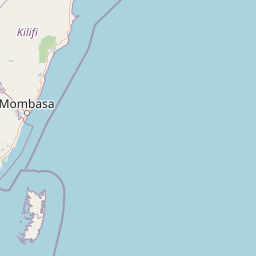
Map view of Malindi Marine National Park

Use this park location map to pinpoint Malindi Marine National Park in Kenya, understand its exact geographic position, and read its mapped placement within the surrounding landscape more clearly.

Pigeon | © OpenStreetMap contributors

Explore the Diverse Marine Habitats, Coral Reef Formations, and Coastal Scenery of this Pioneering East African Conservation Zone

Malindi Marine National Park Photos: Visualizing Kenya's Oldest Marine Protected Area Landscapes and Underwater Scenery
Browse compelling imagery showcasing the vibrant coral reefs, clear tropical waters, and diverse marine life found within Malindi Marine National Park. These photographs provide essential visual context for understanding the park's underwater terrain, critical habitats, and overall protected-area environment, highlighting its significance as East Africa's oldest marine park.

Sandy beach with seaweed patches, calm ocean waters, and three small floating structures under a clear blue sky

Exposed coral reef and tidal pools on sandy beach at low tide in Malindi Marine National Park

Park atlas

Explore the diverse marine and coastal protected landscapes across the East African region for comparison.

Discover Other National Parks and Protected Areas Near Malindi Marine National Park
Continue your park discovery beyond Malindi Marine National Park by browsing other marine and coastal protected areas throughout the East African region. This curated geographic overview enables comparison of diverse park landscapes, offering insight into regional conservation efforts and connected ecological zones.
Marine protected areaKenya

Watamu Marine National Park: Coastal Protected Marine Landscape in Kenya

Explore mapped boundaries and regional geography.

Watamu Marine National Park represents a crucial marine protected area situated on Kenya's coastline, contributing significantly to the country's conservation landscape. This designation underscores its role in preserving coastal and underwater geography, making it a key entity for atlas exploration of protected marine environments. Understanding its specific geographic scope and mapped protected boundaries is essential for comprehending Kenya's broader environmental atlas.

Established
1968
Relief
Lowland
Climate
Tropical
Access
Moderate access
National parkCoast Province

Arabuko Sokoke National Park: National Park Atlas and Geographic Identity in Coast Province

Mapped protected area within Kenya's coastal region.

Arabuko Sokoke National Park is identified as a protected national park situated within the historical Coast Province of Kenya. This entry offers a focused examination of its protected landscape and geographic significance, contributing to a structured atlas of protected areas. Users can explore the park's mapped boundaries and its positioning within the regional geography, providing essential context for understanding this natural landscape.

Area
6 km²
Established
1990
IUCN
II
Relief
Lowland
National parkKenya

Tsavo East National Park: Kenya's Protected Natural Landscape for Geographic Exploration

Explore mapped boundaries and regional park geography.

Tsavo East National Park in Kenya offers a rich entry point for understanding protected landscapes and regional geography. As a designated national park, its mapped boundaries and natural terrain provide essential context for geographic exploration within East Africa. This page serves as a focused discovery point for the park's specific environmental attributes and its role in the broader atlas of protected areas.

Area
13,747 km²
Established
1948
IUCN
II
Relief
Lowland
Watercolor illustration of a hilly landscape with green and pink hues, showing trees, distant hills, and a light sky
National parkKenya

Kisite-Mpunguti Marine National Park: Kenya's Coastal Protected Marine Landscape

Mapped coral reefs and diverse marine ecosystems.

As Kenya's foremost marine national park, Kisite-Mpunguti Marine National Park presents an unparalleled opportunity to explore a thriving underwater world. Its protected boundaries encompass remarkable coral formations and a rich tapestry of marine species, including diverse fish populations, sea turtles, and dolphins. This park is a cornerstone of coastal conservation, offering valuable insights into marine geography and ecosystem health for those seeking detailed landscape context.

Area
39 km²
Established
1973
IUCN
II
Relief
Lowland
National parkTanzania

Mkomazi National Park: Tanzania's Vast Protected Savanna Landscape and Wildlife Geography

Explore its mapped terrain and conservation significance within East Africa.

Mkomazi National Park is a critical protected landscape in Tanzania, spanning over 3,200 square kilometers of classic East African semi-arid savanna woodland. This national park offers a unique atlas-style view into conservation success, particularly for its black rhinoceros sanctuary and African wild dog programs. Its landscape is characterized by rolling terrain and Acacia-Commiphora vegetation, forming a vital transboundary conservation area with Kenya that supports significant wildlife migration corridors and provides a distinct geographic context within the broader regional atlas.

Area
3,234 km²
Established
2006
IUCN
II
Visitors
1.6K annual
National parkTaita-Taveta County

Tsavo West National Park: Kenya's Protected National Park and Regional Geography

Explore mapped boundaries and natural landscapes in Taita-Taveta County.

Tsavo West National Park offers a focused exploration of protected landscape and regional geography within Kenya. Discover the mapped extent of this national park, understanding its role as a conservation area in Taita-Taveta County. This entry provides key geographic context and atlas-style information, highlighting the natural terrain and protected boundaries for detailed discovery.

Area
9,065 km²
Established
1948
IUCN
II
Relief
Mixed relief
National parkLower Juba

Lag Badana National Park National Park: Mapped Geography and Protected Landscape Context

Explore the distinct geographic identity of this protected national park.

Lag Badana National Park is a designated national park within the Lower Juba region, offering a focused look at protected landscapes and regional geography. This entry provides an atlas-oriented perspective on the park's mapped boundaries and its significance as a conservation area. Understand its place within the broader geographic context of Somalia through its defined park lands.

Area
3,340 km²
IUCN
II
Climate
Tropical
Scope
Mixed
National parkKilimanjaro Region

Kilimanjaro National Park: Protected Landscape Geography and Atlas Exploration

Explore its mapped boundaries and regional context.

Delve into Kilimanjaro National Park, a protected national park situated in the Kilimanjaro Region. This detail page offers an atlas-driven view of the park's geographic scope, focusing on its mapped boundaries and the surrounding natural landscape. Understand the unique terrain and regional context that make this protected area a significant feature within Tanzania's geography.

Area
1,688 km²
Established
1973
IUCN
II
Visitors
52K annual

Common questions about visiting, size, designation, and location context for Malindi Marine National Park

Malindi Marine National Park FAQs for park facts, access, geography, and protected area context
Find quick answers about Malindi Marine National Park, including protected-area facts, park geography, trail and visitor context, and how the park fits into its surrounding country and regional landscape.
MoriAtlas Explorer

Continue Your Protected Areas Search Across the Global Atlas

Deepen your exploration by continuing the structured search for national parks and protected areas worldwide. Utilize the comprehensive filtering capabilities to compare different conservation landscapes and refine your understanding of global park geography. Discover more about the distribution and characteristics of protected natural areas.

Global natural geography