Why Mallanganee National Park stands out
Mallanganee National Park is best known for its ancient Gondwana Rainforest heritage and its strict nature reserve protection status. The park features prominent hoop pine forests, a species that represents one of Australia's oldest conifer lineages. Its inclusion in the Gondwana Rainforests of Australia World Heritage Site places it among a collection of protected areas that contain some of the last remaining remnants of the forests that covered much of Australia during the Jurassic period. The park's IUCN Category Ia status reflects its primary purpose of preserving unmodified natural ecosystems.
Mallanganee National Park history and protected-area timeline
Mallanganee National Park was established on 1 January 1999, making it one of the more recent additions to New South Wales's protected area network. Its creation reflected growing recognition of the ecological importance of the remaining rainforest fragments in the Northern Rivers region and the need to integrate these areas into the broader Gondwana Rainforests World Heritage property. The park's designation as IUCN Category Ia, indicating a strict nature reserve, represents the highest level of protection within the IUCN protected area classification system, prioritizing ecosystem preservation and scientific research over recreation and tourism.
The park's inclusion in the Gondwana Rainforests of Australia World Heritage Site predates its formal establishment as a national park, as the World Heritage inscription was made in 1986. The park was subsequently added to the Australian National Heritage List in 2007, providing additional legislative recognition of its national significance. Management responsibility rests with the NSW National Parks and Wildlife Service, which administers the park according to the conservation priorities established for strict nature reserves.
Mallanganee National Park landscape and geographic character
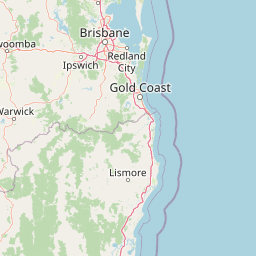
The terrain of Mallanganee National Park consists of undulating hills and valleys characteristic of the Northern Rivers region, with an average elevation of approximately 260 metres. The landscape supports a complex mosaic of vegetation communities, with subtropical rainforest occupying the valley floors and sheltered slopes where moisture conditions are most favorable. The characteristic hoop pine, a towering conifer species distinctive to Australian rainforests, emerges prominently above the surrounding canopy, giving the landscape its characteristic visual identity.
The underlying geology and soils of the area contribute to the distinct ecological character of the park, supporting rainforest communities that are adapted to the subtropical climate of northeastern New South Wales. Watercourses dissect the terrain, providing habitat for specialized riparian species and contributing to the overall biodiversity of the park. The combination of elevation, aspect, and moisture availability creates ecological gradients across the park that support different vegetation types and species assemblages.
Mallanganee National Park ecosystems, habitats, and plant life
The nature of Mallanganee National Park is fundamentally shaped by its Gondwanan heritage, representing forest ecosystems with origins stretching back to the Mesozoic era. The park protects subtropical rainforest communities that contain species with ancient evolutionary lineages, some dating back tens of millions of years to when Australia was part of the southern supercontinent Gondwana. The Gondwana Rainforests of Australia property protects these communities as a World Heritage Site precisely because they represent globally significant evolutionary heritage.
The dominant vegetation community within the park is subtropical rainforest, characterized by tall trees, dense canopy, and diverse understory layers. Hoop pine (Araucaria cunninghamii) is a particularly notable component of the forest, being one of Australia's few native conifer species and a relic from ancient plant groups that dominated during the dinosaur era. The moist, sheltered conditions of the valleys support ferns, epiphytes, and climbing plants that characterize healthy rainforest ecosystems. These communities provide habitat for numerous species and represent some of Australia's most botanically diverse environments.
Mallanganee National Park conservation status and protection priorities
Mallanganee National Park contributes to conservation of the Gondwana Rainforests of Australia, one of Australia's most significant World Heritage properties and the first Australian property to be inscribed on the World Heritage List. The property protects outstanding examples of ancient rainforest ecosystems that represent key stages of Earth's evolutionary history, including the separation of Gondwana and the development of modern Australian flora. The Focal Peak Group, to which Mallanganee belongs, represents the southernmost extent of these rainforests in New South Wales.
The strict nature reserve status (IUCN Category Ia) reflects the park's primary conservation function, emphasizing protection of natural processes with minimal infrastructure or visitor impact. This designation places the park among the most strictly protected areas in Australia's national park system, recognizing that some locations require absolute protection to preserve their ecological integrity. The park serves as a reference site for scientific research and long-term ecological monitoring, contributing to understanding of how Gondwana-derived ecosystems function and respond to environmental change.
Mallanganee National Park cultural meaning and human context
The Mallanganee area lies within the traditional lands of Aboriginal peoples, though specific cultural associations with the park area are not detailed in the available source material. The Northern Rivers region of New South Wales contains numerous Aboriginal heritage sites and continues to hold cultural significance for local Indigenous communities. The rainforest environments of this region have been utilized by Aboriginal peoples for thousands of years, providing resources, shelter, and cultural connections.
European settlement of the Northern Rivers region began in the nineteenth century, with clearing for agriculture and logging altering much of the original forest cover. The establishment of Mallanganee National Park in 1999 represented recognition that protection was needed for the remaining forest remnants, many of which had survived on steeper terrain or in areas less accessible for agriculture. The park exists as a remnant of the extensive forests that once covered this landscape before European colonization.
Top sights and standout views in Mallanganee National Park
The Gondwana Rainforest connection represents the defining highlight of Mallanganee National Park, linking this small protected area to a globally significant World Heritage property. The ancient hoop pines rising above the rainforest canopy provide a distinctive visual signature and connect visitors to geological deep time. The strict nature reserve status ensures that the ecosystem remains in as natural a condition as possible, offering insight into how these ancient forests function without significant human modification. The park contributes to a network of protected areas that together preserve the Gondwanan heritage of Australian rainforests.
Best time to visit Mallanganee National Park
The subtropical climate of the Northern Rivers region influences visiting conditions at Mallanganee National Park, with warmer temperatures and higher rainfall typical of the summer months. The cooler winter period from May to September generally offers more comfortable conditions for exploring the park, with reduced rainfall and milder temperatures making outdoor activity more pleasant. However, as a strict nature reserve with limited visitor infrastructure and access, the park is managed primarily for conservation rather than tourism, and visitors should check current access arrangements with the NSW National Parks and Wildlife Service before planning a visit.