Mori Atlas logo
Nature reserveRezerwat przyrody Miedzno

Mapping the peat-filled glacial valley, flow-through lake systems, and alder swamp forests.

Rezerwat przyrody Miedzno: A Protected Wetland Landscape in the Bory Tucholskie Region of Poland

Rezerwat przyrody Miedzno is an 88-hectare faunal reserve located within the Wdecki Landscape Park of northern Poland. This protected area preserves a rare post-glacial landscape characterized by a narrow, peat-filled channel and Lake Miedzno, which is fed by the Sobińska Struga river. The reserve serves as a critical sanctuary for breeding waterbirds and marsh birds, featuring a distinct mosaic of reedbeds, sedge stands, and swamp forest that contrasts sharply with the surrounding woodland matrix of the Bory Tucholskie region.

ornithological reservewetland sanctuarywaterbirdsmarsh birdspeatlandglacial valley
A flat vector illustration showing a calm lake with lily pads, surrounded by green pine trees and large purple cliffs under a pink sky.

Rezerwat przyrody Miedzno

Nature reserve

Park overview

Structured park overview, official facts, and landscape profile for Miedzno Nature Reserve

Miedzno Nature Reserve park facts, protected area profile, and essential visitor context

Review the core facts for Miedzno Nature Reserve, including designation, size, terrain, visitor scale, habitats, and operating context in one park-focused overview.

About Miedzno Nature Reserve

Miedzno Nature Reserve (Rezerwat przyrody Miedzno) is a faunal reserve of ornithological character situated within the Wdecki Park Krajobrazowy, or Wda Landscape Park, in the Kuyavian-Pomeranian Voivodeship of northern Poland. Established in 1968, the reserve covers roughly 88 hectares and is dedicated to safeguarding breeding sites and foraging habitats for waterbirds and marsh birds in an area where extensive forests, peatlands, and post-glacial lakes form the regional backdrop of the Bory Tucholskie.

The reserve's hydrology is shaped by the Sobińska Struga (also called Sobina), a small river that carries the waters of Lake Miedzno through a peat-filled glacial channel running north to south. The channel, varying in width from several dozen to several hundred meters, hosts the open water of the lake, surrounding peatlands, and riparian vegetation, while the broader territorial setting is dominated by the forest complex of the Wda Landscape Park. This combination of flowing water, open lake surface, and adjacent wet woodland creates a layered habitat structure that supports a wide range of bird species and wetland plant communities.

In ecological terms, Miedzno functions as a refuge within an otherwise forested landscape, holding congregations of waterbirds that would otherwise lack secure breeding habitat in the region. The presence of rare raptors, including the white-tailed eagle, underscores the area's importance for top predators dependent on healthy wetland ecosystems. Botanically, the reserve is recognized for its diverse marsh vegetation, including large sedge stands, reedbeds, and broader cattail communities bordering the lake and river. Together with its rare plant populations, the reserve represents a significant node of biodiversity within the broader protected landscape of the Wda region.

Quick facts and research context for Miedzno Nature Reserve

Miedzno Nature Reserve is a Polish faunal reserve of subtype 'birds,' established on 4 November 1968 by order of the Minister of Forestry and the Wood Industry. It occupies about 88.52 hectares in the Wda Landscape Park, in the forest district of Orli Dwór within the Osie forestry division. The reserve is centered on the flow-through Lake Miedzno and the Sobińska Struga river that runs through a peat-filled glacial channel. It is administered under active protection (ochrona czynna) and is recognized as one of the more important breeding and foraging sites for waterbirds and marsh birds in the Bory Tucholskie region.

Protection and recognition

Documented terrestrial protection scope and administrative designation details

Rezerwat przyrody Miedzno Protection Status and Conservation Recognition

Rezerwat przyrody Miedzno maintains a defined terrestrial protection scope within its regional landscape. Structured records detail the verified designation framework and associated conservation status.

Protection details

Protection scope
Terrestrial
Transboundary protection
No
Park context

Deeper park guide and search-rich context for Miedzno Nature Reserve

Miedzno Nature Reserve history, landscape, wildlife, and travel context

Explore Miedzno Nature Reserve through its history, landscape character, ecosystems, wildlife, conservation priorities, cultural context, and seasonal travel timing in a structured park guide built for atlas discovery and search intent.

Why Miedzno Nature Reserve stands out

Miedzno is best known as a breeding sanctuary for waterbirds and marsh birds, particularly cranes, swans, ducks, and black storks, along with rare raptors such as the white-tailed eagle. The reserve is equally valued botanically for its reedbeds, sedge communities, alder swamp forest, and rare plants such as giant horsetail, early marsh orchid, bogbean, and the only currently known population of one-flowered wintergreen in north-western Poland.
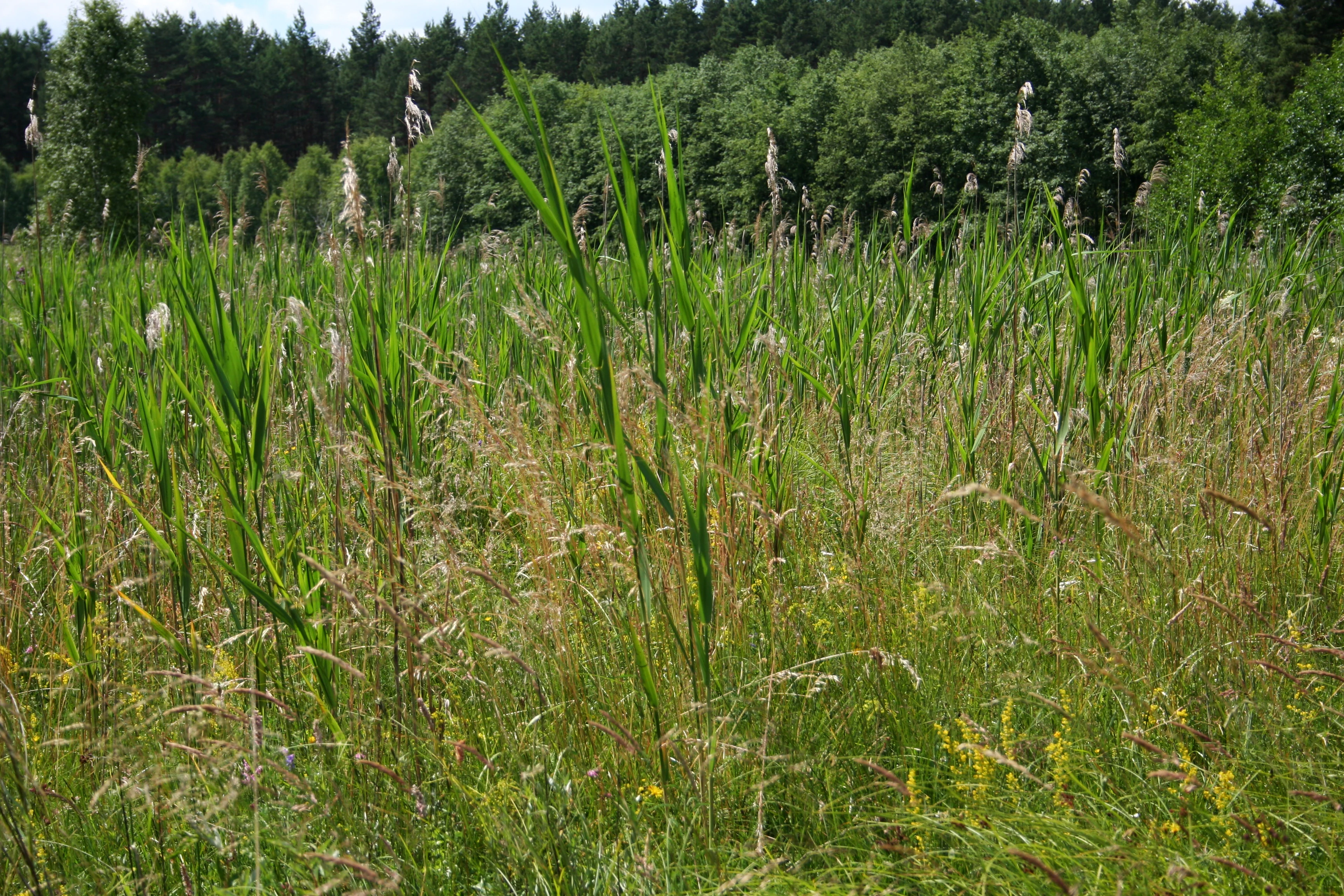
A field of tall green reeds and grasses with a dense line of green trees in the background.
Tall reeds and grasses growing along the northeastern shore of the Miedzno nature reserve, with a dense forest in the background.

Miedzno Nature Reserve history and protected-area timeline

The Miedzno Nature Reserve was created on 4 November 1968 by order of the Polish Minister of Forestry and the Wood Industry, as recorded in the official journal M.P. of 1968, No. 49, item 340. Its designation responded to the need to protect the rich breeding and feeding habitats of waterbirds and marsh birds found along the Sobińska Struga and its associated peatland channel.

From its inception, the reserve was intended to conserve both the species composition and the numerical strength of the local waterbird and marsh bird populations, recognizing that these habitats were vulnerable to drainage, forestry activity, and other land-use changes affecting the broader Bory Tucholskie region. The original founding act described an area of 86.01 hectares; the present-day reserve covers approximately 88.52 hectares, indicating modest boundary refinement over time.

In 2010, a small but scientifically important botanical discovery was made within the reserve: a population of one-flowered wintergreen (Monotropa uniflora) was documented, representing the only currently known occurrence of this species in north-western Poland. The find demonstrated that the reserve continues to harbor rare elements beyond its primary ornithological focus. Today, the reserve is administered under active protection, reflecting an ongoing commitment to managing habitats for the breeding birds and sensitive plant species that define its conservation value.

Miedzno Nature Reserve landscape and geographic character

The landscape of Miedzno Nature Reserve is shaped by a peat-filled glacial channel that runs north to south through the surrounding forest complex. At its center lies Lake Miedzno, a flow-through lake whose water levels fluctuate over time, drained and supplied by the small Sobińska Struga (Sobiną) river. The channel itself varies in width from several dozen meters to several hundred meters, accommodating open water, marshy basins, and transitional wetland fringes.

Around this linear wetland core lies a buffer of swamp and bog forest belonging to the currant alder swamp association, dominated by black alder with an admixture of downy birch. The reserve is embedded in the larger forest territory of the Bory Tucholskie mesoregion, where post-glacial terrain, sandy soils, and long-established woodland form the broader environmental setting. The result is a sharply contrasting landscape pattern: a narrow, water-rich corridor cutting through an otherwise forested matrix.

The terrain is low-lying and flat in character, typical of former glacial lake and river valley systems in northern Poland. There are no significant elevations or rock formations; instead, the visual identity of the reserve comes from its open water surface, fringing reedbeds and sedge stands, and the still, dark alder forest that closes in along the wetland edges. This combination produces a quiet, sheltered environment that visually separates the reserve from the more uniform production forests surrounding it.

Miedzno Nature Reserve ecosystems, habitats, and plant life

Ecologically, the reserve is defined by a sequence of wetland habitats arranged along the Sobińska Struga channel. The open water of Lake Miedzno is bordered by extensive reed and cattail communities, while the surrounding peatland hosts large stands of beaked sedge, with reedbeds forming linear bands along the margins of the protected area. Together these habitats create a mosaic of marsh vegetation that supports a particularly rich community of breeding and foraging waterbirds.

The woodland component of the reserve belongs to the currant alder swamp association (ols porzeczkowy), characterized by black alder with a notable admixture of downy birch. This wet forest forms a continuous ring around the open wetland habitats, linking the central mire system with the larger forest complex of the Wda Landscape Park. The transition zones between open water, sedge marsh, reedbed, cattail thicket, and alder swamp are particularly important for species that depend on multiple habitat types during the breeding season.

Because the reserve is managed under active conservation, interventions are made to maintain the open character of the wetland habitats and prevent overgrowth by woody vegetation. This management approach helps preserve the dynamic balance between aquatic, marsh, and forest communities that gives Miedzno its ecological value. The combination of glacial lake basin, peat-filled channel, and adjacent alder swamp forest makes the reserve an unusually complete example of a lowland river-valley wetland system in this part of Poland.

Miedzno Nature Reserve wildlife and species highlights

Miedzno is recognized primarily for its breeding waterbird and marsh bird communities, which form the core of its faunal importance. Among the species present are cranes, swans, and various ducks, as well as black storks, which depend on the secluded forest-fringed wetland for nesting. The reserve also supports rare raptors, including the white-tailed eagle, whose presence indicates the presence of a healthy prey base and intact habitat structure.

Additional protected and noteworthy bird species recorded in the reserve include the solitary sandpiper, common reed bunting, river warbler, hobby, and osprey. The combination of open water, marshy peatland, surrounding alder forest, and structural diversity of vegetation makes the site capable of supporting species with very different ecological requirements, from reedbed-nesting passerines to large fish-eating raptors and wading birds.

The wildlife value of the reserve extends beyond its ornithological character. The wetland habitats sustain a rich invertebrate and fish community within the Sobińska Struga, which in turn supports the bird populations dependent on the site. The reserve's quiet, peat-channel setting, buffered from surrounding forestry activity, provides a degree of security for breeding birds that is increasingly rare in intensively managed lowland landscapes of northern Poland.

Miedzno Nature Reserve conservation status and protection priorities

The reserve was established specifically to conserve breeding sites and feeding grounds of waterbird and marsh bird populations, with emphasis on maintaining both species richness and population densities. Its designation as a faunal reserve of ornithological subtype reflects a deliberate focus on avian conservation, complemented by the broader habitat protection that comes with restricting damaging activities in the wetland and surrounding forest.

Miedzno is administered under active protection, a management approach that includes ongoing interventions to maintain the open wetland character of the site and prevent ecological succession toward closed forest. This active stance is particularly important in a peat-filled channel system, where natural encroachment by alder and birch could otherwise progressively reduce the open habitat available to breeding birds.

The discovery of a population of one-flowered wintergreen in 2010, representing the only currently known occurrence of the species in north-western Poland, added a botanical dimension to the reserve's conservation significance. While this population is small, its discovery highlights the reserve's role as a refuge for rare elements beyond its primary ornithological focus. As a component of the Wda Landscape Park, Miedzno also contributes to a larger network of protected sites that together sustain ecological processes across the Bory Tucholskie region.

Miedzno Nature Reserve cultural meaning and human context

The reserve lies within a region historically shaped by forestry, peatland management, and small-scale rural settlement. The Wda Landscape Park, within which Miedzno is embedded, represents a broader regional effort to maintain the cultural and natural landscape of the Bory Tucholskie, a forested area long associated with traditional woodland livelihoods and quiet, dispersed villages. The reserve itself, however, is primarily valued for its natural rather than cultural significance.

Top sights and standout views in Miedzno Nature Reserve

Miedzno Nature Reserve stands out for its intact peat-filled glacial valley, its flow-through Lake Miedzno, and its unusually rich breeding bird community within a forested landscape. The combination of open water, large sedge stands, reedbeds, cattail fringes, and black alder swamp forest gives the site a layered ecological structure that few similar-sized reserves in the region can match. Its recognition as habitat for white-tailed eagles, black storks, and a unique population of one-flowered wintergreen adds distinctive weight to its conservation profile.

Best time to visit Miedzno Nature Reserve

The reserve is most rewarding to visit during the late spring and early summer breeding season, when waterbird activity along the lake edges, reedbeds, and sedge marshes is at its peak. Cranes, warblers, and raptors are most visible during this window, while wetland vegetation, including reed and sedge stands, is at its fullest development. Winter visits can also be rewarding for observing waterfowl concentrations on the lake, though access conditions and weather in the Bory Tucholskie forest region can be more demanding outside the milder months.
Monthly climate preview

Long-term representative monthly averages for temperature and precipitation patterns

Rezerwat przyrody Miedzno Climate Normals and Annual Temperature Rhythm

Representative baseline coordinates record monthly mean temperatures ranging from negative values in winter months to nineteen degrees in midsummer alongside stable precipitation rates. Consulting the complete twelve-month profile provides detailed average minimums and maximums across the entire annual cycle.
Annual mean8 °C
-3 °C19 °C
Jan-3°
Feb-2°
Mar
Apr
May13°
Jun17°
Jul19°
Aug19°
Sep14°
Oct
Nov
Dec-1°
Warmest month
July

19.4 °C

Coolest month
January

-3 °C

Wettest month
July

2.6 mm/day

Driest month
April

1.2 mm/day

Park location guide

Geography guide, regional context, and park location map for Miedzno Nature Reserve

Miedzno Nature Reserve park geography, regions, and map view in Poland

Understand where Miedzno Nature Reserve sits in Poland through a broader geographic reading of the surrounding landscape, nearby location context, and its mapped position within the national park landscape.

How Miedzno Nature Reserve fits into Poland

Poland, officially the Republic of Poland, is a Central European country spanning from the Baltic Sea in the north to the Carpathian Mountains in the south. It borders Germany, Czech Republic, Slovakia, Ukraine, Belarus, Lithuania, and Kaliningrad Oblast. The country has a temperate climate, diverse landscapes, and is known for its rich history, cultural heritage, and strong economic position within the EU.

Wider geography shaping Miedzno Nature Reserve in Poland

Poland occupies 312,696 km2 in Central Europe, extending from the Baltic Sea coast in the north to the Sudetes and Carpathian Mountains in the south. It borders Germany to the west, Czech Republic and Slovakia to the south, Ukraine and Belarus to the east, and Lithuania and Kaliningrad Oblast to the northeast. The landscape includes lowland plains, uplands, and mountain ranges.

Map view of Miedzno Nature Reserve

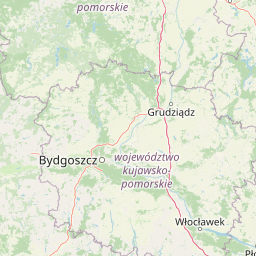
Use this park location map to pinpoint Miedzno Nature Reserve in Poland, understand its exact geographic position, and read its mapped placement within the surrounding landscape more clearly.

Pigeon | © OpenStreetMap contributors

Visual exploration of Lake Miedzno, glacial channels, and swamp forest habitats

Rezerwat przyrody Miedzno Photos: Landscapes, Wetlands, and Scenery

Visual records capture the distinctive terrain of Rezerwat przyrody Miedzno, featuring open water, reedbeds, and dark alder swamp forests. Photographic documentation reveals the natural character of the protected glacial valley and its resident bird sanctuary.

A field of tall green reeds and grasses with a dense line of green trees in the background.

Wide landscape photograph of a lake surrounded by dense green forest, with a grassy meadow and young trees in the foreground and patches of aquatic vegetation on the water surface.

Park atlas

Compare nearby wetland reserves and forest landscapes across northern Poland

Other Parks Near Rezerwat przyrody Miedzno and Surrounding Protected Areas

Browse protected areas and wetland habitats situated close to Rezerwat przyrody Miedzno. This regional comparison reveals connected post glacial terrain and forest ecosystems across the surrounding territory.
A minimalist watercolor painting showing a calm lake or wetland surrounded by soft green trees and gentle hills under a light sky.
Protected areaKuyavian-Pomeranian Voivodeship
Mapped location lies within the park boundary#1 closest

South

Sandr Wdy Protected Area: Glacial Geography and Wetland Habitats in Northern Poland

An essential reference area for Bory Tucholskie forest ecology.

Sandr Wdy is a distinctive Natura 2000 protected area shaped by post-glacial processes. The landscape features a flat outwash plain punctuated by lake basins, river valleys, and diverse mire systems. With multiple strict nature reserves integrated into its boundaries, the site provides a comprehensive view of how hydrological and soil conditions influence habitat distribution within the broader forest landscape of Poland.

Area
63.21 km²
Established
2011
Relief
Lowland
Climate
Temperate
Protected landscapeKuyavian-Pomeranian Voivodeship
Mapped location lies within the park boundary#2 closest

West

Wdecki Park Krajobrazowy: Protected Landscape Atlas and Regional Geography

Forest and river basin terrain in Poland

Examine the geographic foundation of Wdecki Park Krajobrazowy, a protected landscape characterized by the Wda River drainage, glacial erratics, and extensive pine forests. The area supports a rich variety of wetland flora, mires, and managed reservoirs such as the Żur, making it a significant conservation landmark within the wider Bory Tucholskie region of northern Poland.

Area
191.77 km²
Established
1993
Relief
Lowland
Climate
Temperate
A watercolor painting showing a soft, atmospheric landscape with a winding body of water, green treelines, and patches of pinkish bog vegetation against a pale, warm sky.
Nature reserveKuyavian-Pomeranian Voivodeship
About 2.9 km away#3 closest

Northwest

Dury Nature Reserve: Protected Wetland and Peatland Geography in Kuyavian-Pomeranian Voivodeship

Strictly protected dystrophic lake and bog habitats

Dury Nature Reserve is a specialized botanical and hydrological site in the Tuchola Forest. It preserves a distinct mosaic of four dystrophic lakes surrounded by peat bogs. The reserve is a core component of local wetland conservation, protecting rare bog species and maintaining the integrity of northern Polish forest ecosystems.

Area
0.13 km²
Established
1975
Relief
Lowland
Climate
Temperate
Nature reserveKuyavian-Pomeranian Voivodeship
About 6.5 km away#4 closest

North

Rezerwat przyrody Jezioro Łyse: Protected Peatland and Bog Lake Geography in Poland

Wetland ecosystems of the Tuchola Forest region

Rezerwat przyrody Jezioro Łyse represents a preserved 20.55 hectare peatland basin in the Kuyavian-Pomeranian Voivodeship. This nature reserve highlights the intersection of open water, bog pine forests, and sphagnum-dominated peatlands, providing a critical study of lowland wetland terrain and protected plant communities in northern Poland.

Area
0.206 km²
Established
2006
Relief
Lowland
Climate
Temperate
A horizontal watercolor illustration showing a calm lake surrounded by greenery and distant rolling hills, with reeds in the foreground.
Nature reserveKuyavian-Pomeranian Voivodeship
About 10 km away#5 closest

West

Rezerwat przyrody Jezioro Piaseczno: Nature Reserve and Regional Landscape Geography

Protected post-glacial lake habitats within the Bory Tucholskie region.

Located in the Kuyavian-Pomeranian Voivodeship, this nature reserve protects a rare, high-purity glacial lake and its dense woodland surroundings. The area offers a detailed view of post-glacial landscape formation, featuring a complex mix of mires, alder-ash riparian forests, and dry coniferous stands that define the natural character of the Polish northern lake district.

Area
1.59 km²
Established
2001
Relief
Lowland
Climate
Temperate
Nature reservePomeranian Voivodeship
About 11 km away#6 closest

Northeast

Rezerwat przyrody Jezioro Udzierz Nature Reserve Geographic and Ecological Overview

Wetland habitat mosaic in the Pomeranian Voivodeship

Rezerwat przyrody Jezioro Udzierz protects a compact yet biodiverse wetland mosaic centered on Lake Udzierz. Located in the heart of the Bory Tucholskie forest, the reserve integrates open water, reedbeds, peatlands, and wet meadows into a single, cohesive ecological unit. This detailed view examines the reserve's protected status, landscape composition, and its vital role as a refuge for bird species within the wider geography of northern Poland.

Area
2.299 km²
Established
2000
Relief
Lowland
Climate
Temperate
Protected landscapeKuyavian-Pomeranian Voivodeship
About 21 km away#7 closest

West

Tuchola Landscape Park: Mapped Protected Area and Riverine Geography in Poland

Pine-covered outwash plains and the meandering Brda River corridor

Covering a significant portion of northern Poland, Tuchola Landscape Park protects a distinctive postglacial landscape of sandy plains and dense pine forests. The park geography is anchored by the Brda River, which flows through a series of rapids and breakthroughs before reaching deep into the surrounding pine-clad outwash plain. Detailed map data provides insight into the park's eight nature reserves, which preserve critical wetland, bog, and riverine habitats.

Area
369.83 km²
Established
1985
Relief
Lowland
Climate
Temperate
Watercolor painting of a wide, soft-focus river valley landscape with gentle hills, green vegetation, and a winding waterway.
Protected landscapeKuyavian-Pomeranian Voivodeship
About 24 km away#8 closest

South

Chełmiński Park Krajobrazowy: Geographic Overview of Protected Lands in Kuyavian-Pomeranian

Glacial moraine terrain and Vistula valley protected landscapes

Chełmiński Park Krajobrazowy preserves a compact, high-contrast landscape where glacial moraine hills meet the active river corridors of the Lower Vistula. The area is defined by its five distinct nature reserves that safeguard unique slope habitats, island-like floodplain forests, and post-glacial lake basins, offering an essential reference for studying the geomorphology of the Polish lowlands.

Area
223.36 km²
Established
1998
Scope
Terrestrial
Water
Major water bodies

Common questions about visiting, size, designation, and location context for Miedzno Nature Reserve

Miedzno Nature Reserve FAQs for park facts, access, geography, and protected area context

Find quick answers about Miedzno Nature Reserve, including protected-area facts, park geography, trail and visitor context, and how the park fits into its surrounding country and regional landscape.
MoriAtlas Explorer

Continue Your Protected Areas Search Across the Global Atlas

Deepen your exploration by continuing the structured search for national parks and protected areas worldwide. Utilize the comprehensive filtering capabilities to compare different conservation landscapes and refine your understanding of global park geography. Discover more about the distribution and characteristics of protected natural areas.

Global natural geography