
Mori Atlas logo
National parkParc national du Mont Parnasse

Tracing the karst geology, subalpine ecosystems, and cultural geography of a sacred mountain range.

Parc national du Mont Parnasse: A Limestone Massif and Protected Alpine Landscape in Central Greece

(Parnassus National Park)

Parc national du Mont Parnasse protects a significant limestone massif in the Central Greece region, rising sharply above the sanctuary of Delphi. This national park landscape features a complex interaction between rugged karst topography, deep fissures, and dense fir forests that span across diverse Mediterranean mountain elevations. Understanding the terrain requires looking at the interplay between the ancient geological history of the massif and the modern conservation efforts that preserve these high altitude ecosystems.

alpine landscapeslimestone massifkarst geologysubalpine fir forestsmountain wildlifeMediterranean mountain ecosystems
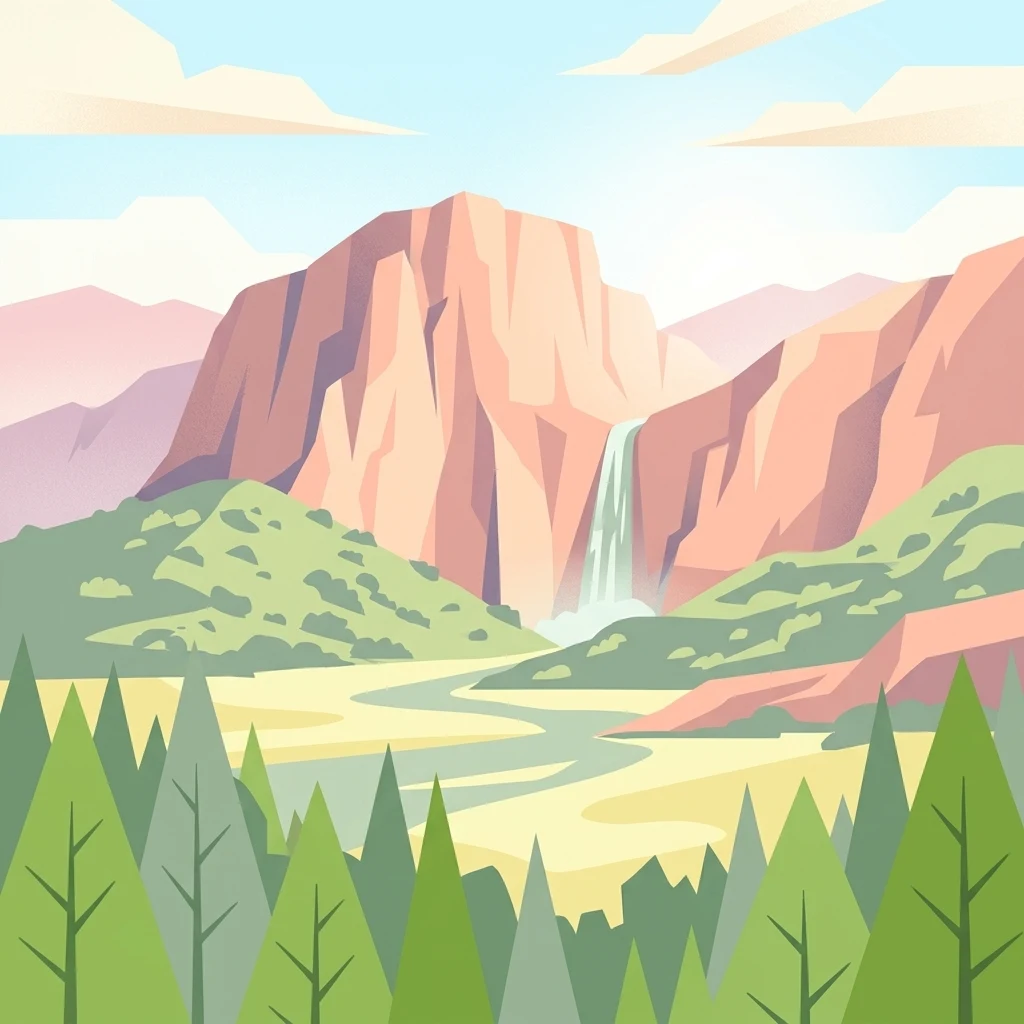
A flat-style digital illustration showing a dramatic mountain landscape with a vertical waterfall, a winding river, and a foreground of coniferous trees.

Parc national du Mont Parnasse

National park

Park overview

Structured park overview, official facts, and landscape profile for Mount Parnassus National Park

Mount Parnassus National Park park facts, protected area profile, and essential visitor context

Review the core facts for Mount Parnassus National Park, including designation, size, terrain, visitor scale, habitats, and operating context in one park-focused overview.

About Mount Parnassus National Park

Mount Parnassus National Park surrounds one of the most symbolically loaded mountains in Greece. Rising in central Greece above the town of Arachova and the ancient site of Delphi, the limestone massif has been central to Greek imagination for more than two millennia. Its present protected status as one of the ten national parks of Greece formalizes a long-standing recognition that the mountain holds outstanding geological, ecological, and cultural value.

The mountain's defining physical character is its limestone geology. As part of the Hellenides range system, Parnassus is shaped by intense karstification, producing deep crevices, sinkholes, dramatic rock faces, and an irregular, fractured terrain. These structural features were created over millions of years, and on the slopes they give way to fir forests, subalpine scrub, exposed alpine zones, and seasonal meadows. The contrast between dark forests and pale rock formations is one of the most recognizable visual signatures of the massif.

Ecologically, Mount Parnassus supports a wide vertical gradient, from foothills influenced by Mediterranean climate to genuinely alpine environments near the summit. Higher elevations retain snow for much of the year and create harsh conditions that shape the local flora. The park's combination of altitude, geology, and Mediterranean setting provides habitat for mountain-adapted plants, raptors, and other species typical of Greek mountain ecosystems. The protected area also buffers the ancient cultural landscape of Delphi, helping preserve both the natural backdrop and the integrity of one of Greece's most important archaeological sites.

The relationship between the park and modern development is also part of its identity. Bauxite mining from the late 1930s onward produced significant visible scars on parts of the massif, and the later growth of the Parnassos Ski Resort added further pressure. The establishment and maintenance of the national park is therefore not just a measure of conservation pride: it is also part of a continuing effort to balance mineral extraction, winter sports development, and ecological protection on a mountain that holds deep meaning for Greek identity.

Quick facts and research context for Mount Parnassus National Park

Mount Parnassus National Park is centered on a prominent limestone massif in the Central Greece region of mainland Greece, administratively within the Phthiotis regional unit. Its summit area reaches well above 2,000 meters, placing the higher zones in a true alpine environment with karst features, exposed rock, and seasonal snow cover. The park is one of the ten official national parks of Greece and part of the wider network of Hellenic protected natural areas.

The massif is closely tied to the ancient sanctuary of Delphi on its southern slopes, with Mount Parnassus historically serving as the mythological home of Apollo and the Muses. Today the mountain is also home to Parnassos Ski Resort, the largest winter sports complex in Greece, accessible from Athens roughly 180 kilometers to the south. The park therefore combines high ecological value, strong cultural symbolism, and an active recreational role.

Protection and recognition

Terrestrial conservation framework and documented protected-area status details

Parc national du Mont Parnasse Protection Status and Official Designation Records

Parc national du Mont Parnasse maintains a documented terrestrial protection scope within the global conservation framework. Official records compile available management parameters, designation history, and international recognition data.

Protection details

Protection scope
Terrestrial
Transboundary protection
No
Park context

Deeper park guide and search-rich context for Mount Parnassus National Park

Mount Parnassus National Park history, landscape, wildlife, and travel context

Explore Mount Parnassus National Park through its history, landscape character, ecosystems, wildlife, conservation priorities, cultural context, and seasonal travel timing in a structured park guide built for atlas discovery and search intent.

Why Mount Parnassus National Park stands out

Mount Parnassus is best known as a privileged natural landscape that connects Greek mythology with tangible alpine geography. Its slopes cradle the sanctuary of Delphi, and in ancient religious tradition it was shared by Apollo and the nine Muses, who were said to dwell there alongside neighboring Mount Helicon. Geographically, the massif is defined by its limestone character, deep karst formations, fir-dominated subalpine forests, and panoramic views toward the Gulf of Corinth. Equally central to its modern identity is the Parnassos Ski Resort, which makes the mountain the most important downhill skiing destination in Greece. This combination of sacred mountain, alpine nature reserve, and winter sports hub gives Mount Parnassus a layered identity that is unusual among Greek protected areas: it is at once a cultural symbol, an ecological refuge, and an accessible outdoor recreation zone.
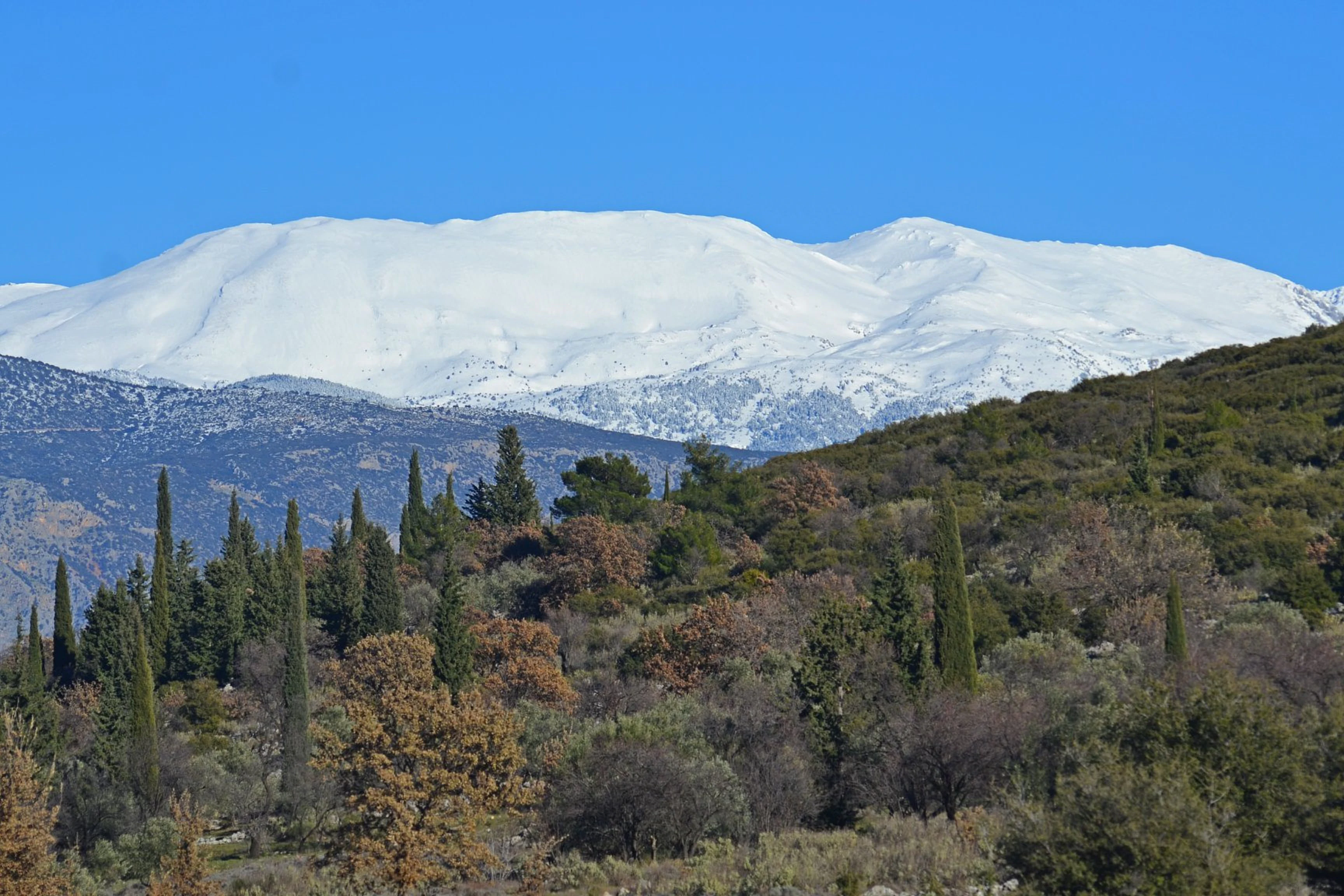
A mountain range with snowy peaks set against a clear blue sky, viewed over a foreground of green and brown trees.
The snow capped peaks of Mount Parnassus rising above a forested hillside.

Mount Parnassus National Park history and protected-area timeline

Mount Parnassus is far older as a cultural landmark than as a protected area. In ancient Greek religion, the mountain was revered as a sacred space. Before the rise of the Apollonian sanctuary at Delphi, the peak was associated with the worship of Gaia as the divine personification of the Earth, and only later was it consecrated to Apollo. According to mythological tradition, the mountain also served as one of the two principal residences of the nine Muses, alongside Mount Helicon. Local myths further tied its name to a hero, Parnassos, said to be a son of Poseidon and the nymph Cleodora, who was credited with founding the first human settlement near the mountain and with originating the practice of reading the future in the flight of birds.

Outside of mythology, the written naming history is older still. The mountain's name is thought to be pre-Hellenic, and Hittite archives record a comparable Anatolian toponym, Parnašša. This name appears to derive from the Hittite and Luwian word parna, meaning house or dwelling, suggesting that the mountain's identity as a sacred residence is reflected even in its earliest linguistic roots.

In the modern era, the massif was reshaped by two large-scale human interventions. Starting in the late 1930s, the limestone slopes of Parnassus were intensively mined for bauxite, the raw material for aluminum production, producing lasting environmental damage across parts of the mountain. From the 1970s onward, the development of ski infrastructure, beginning with the first lifts at the Phtérólakka site in 1976, transformed the upper reaches of the mountain into Greece's main winter sports destination. The two interconnected ski centers of Kellária and Phtérólakka, along with the smaller area of Hiérodóvrachos, today form the largest ski resort in the country.

Recognition of Mount Parnassus as a national park came as part of a broader effort to protect Greek landscapes of exceptional natural value, placing the massif among the ten official national parks of Greece. The protected status reflects the mountain's biodiversity, geological interest, and the importance of the surrounding ecosystem for the long-term integrity of nearby cultural landmarks, including Delphi.

Mount Parnassus National Park landscape and geographic character

The landscape of Mount Parnassus National Park is dominated by a steep, deeply fractured limestone massif rising above the Central Greek countryside. The mountain reaches well above 2,000 meters at its upper elevations, and its pale karstic slopes stand in striking contrast to the darker fir forests that cling to the mid-altitude terrain. This interplay of bare stone, coniferous woodland, and open alpine zones gives the massif a layered visual character that changes visibly across relatively short distances.

Karst processes have been central in shaping the mountain's surface. Water moving through soluble limestone has opened fissures, produced sinkholes, and carved intricate patterns into the bedrock, leaving dry valleys, exposed pavements, and unusual rock formations. On the flanks of Parnassus, this karst terrain gradually transitions into denser vegetation at lower elevations, where fir and other Mediterranean mountain tree species take hold.

From the upper slopes, the views extend across central Greece toward the Gulf of Corinth, placing the mountain between rugged inland ranges and the sea. The combination of vertical relief, geological drama, and distant water horizons gives the summit landscapes a panoramic, open quality, while the deeper valleys and gorges feel enclosed and forested. Together these features make Mount Parnassus a textbook example of a Greek mountain landscape where geology, altitude, and Mediterranean climate interact visibly across the terrain.
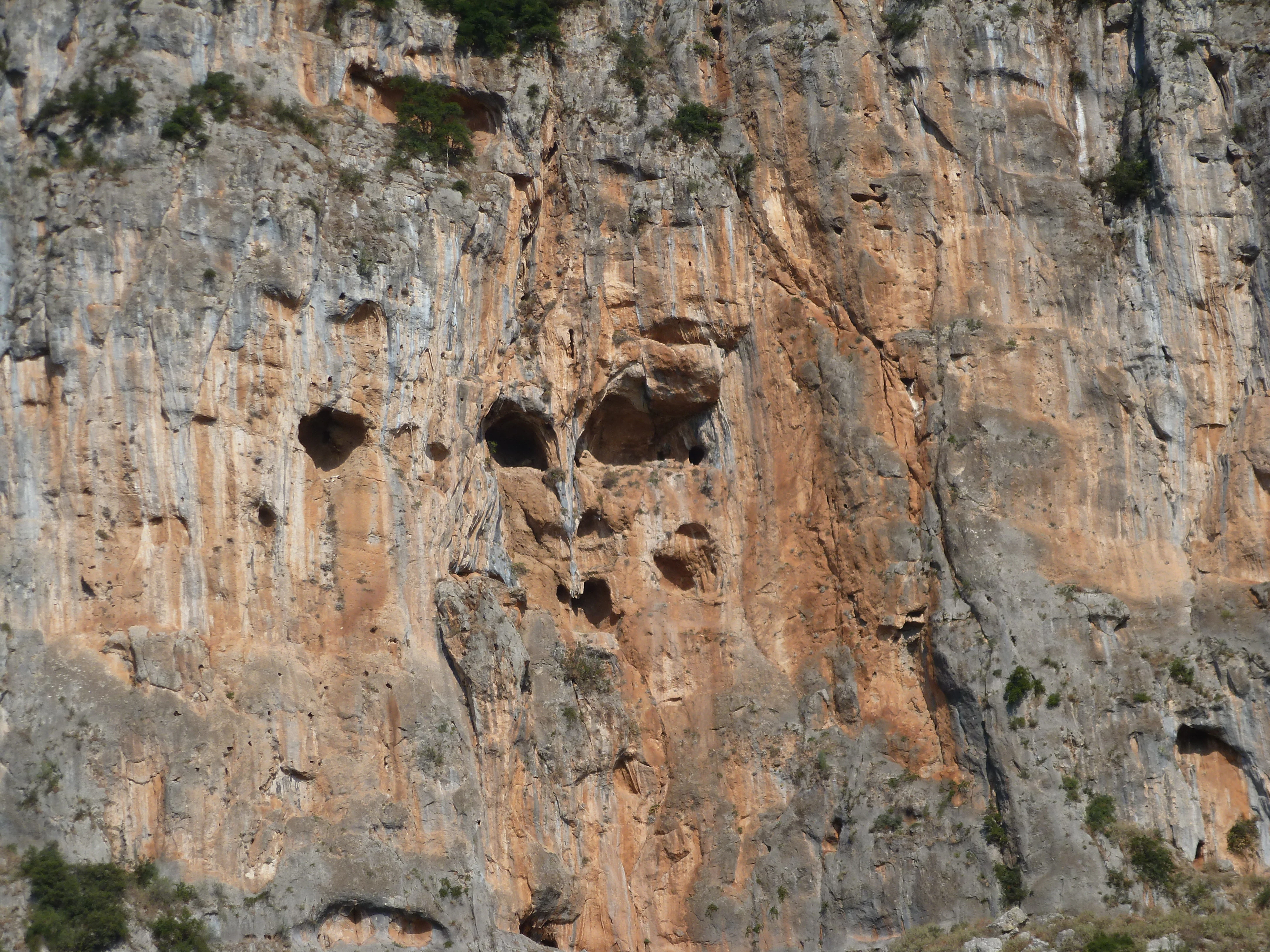
A close-up view of a massive, textured limestone cliff face showing vertical cracks and small natural cave openings.
The sheer limestone cliffs of the Velitsa Gorge on Mount Parnassus.

Mount Parnassus National Park ecosystems, habitats, and plant life

Ecologically, Mount Parnassus is shaped by a strong elevation gradient that compresses several climatic zones into a relatively small area. At the base, Mediterranean influence is still felt, with drier, sun-exposed slopes and shrubby vegetation typical of mainland Greece. As altitude increases, this gives way to montane and subalpine forest belts, dominated by fir that forms some of the most recognizable darker bands on the mountain's flanks. Above the tree line, the vegetation opens into alpine scrub and rocky terrain adapted to cold, wind, and prolonged snow cover.

The park's karst geology influences the ecology more than its appearance might suggest. The porous limestone limits surface water and creates dry conditions in many places, which in turn shapes which plant communities can establish themselves. This produces a mosaic of microhabitats where forest patches, rocky outcrops, and alpine meadows can exist close to one another, supporting a broader diversity of plant life than more uniform terrain would.

Fauna on the mountain reflects the alternating forest and open habitats. Raptors and other birds of prey make use of the cliff faces and the wide thermal currents along the slopes, while forest species occupy the fir woodlands at mid-elevations. Mammals and other wildlife typical of Greek mountain ecosystems are present in the area, taking advantage of the relative remoteness and elevation of the protected zones. Mount Parnassus National Park therefore serves as an important refuge for species that depend on continuous tracts of mountain habitat in a country where lower-elevation land has been heavily altered by human activity.
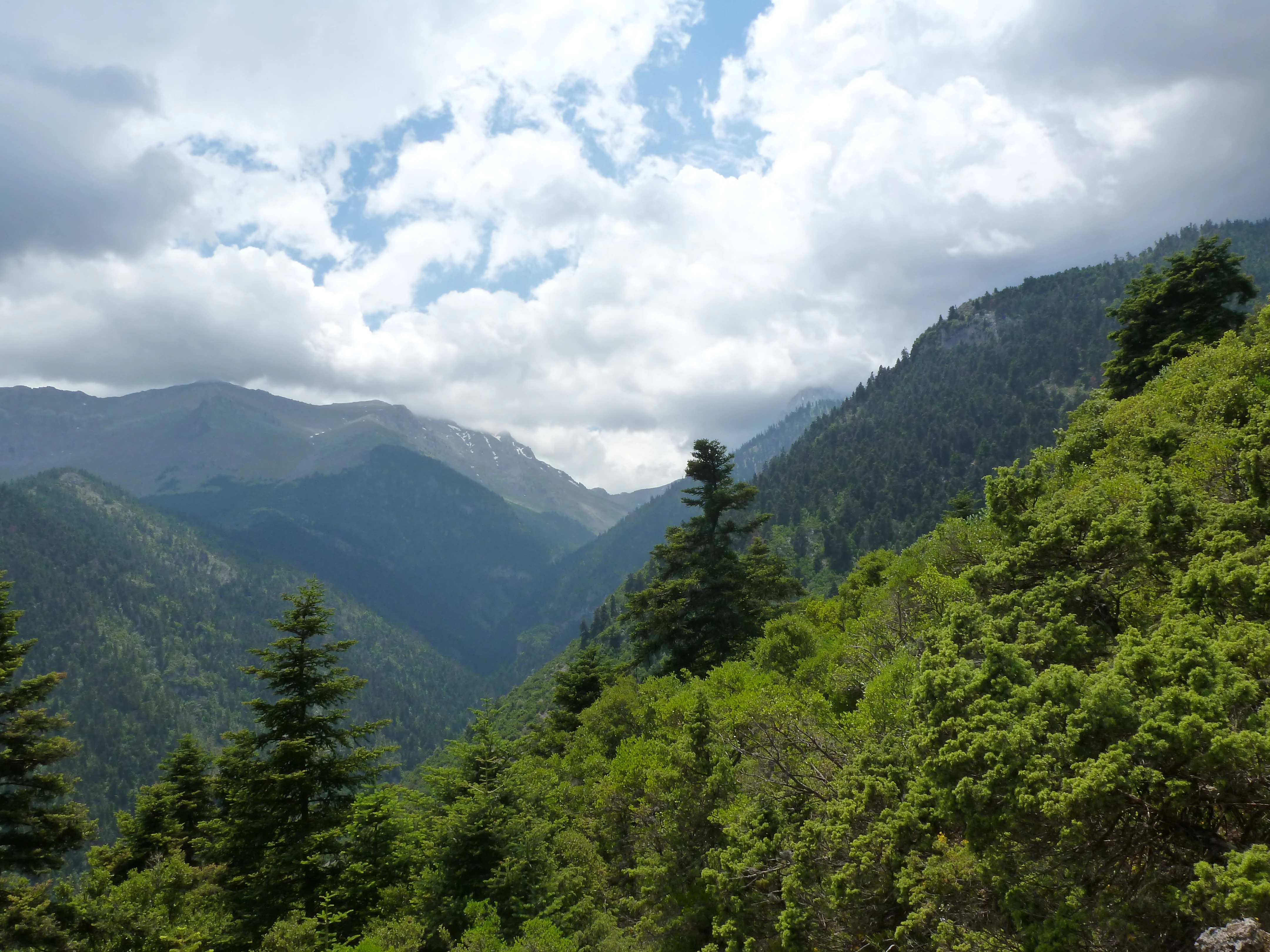
A wide, mountainous landscape view featuring a deep forested gorge with rocky slopes, evergreen and deciduous trees, and a cloudy sky.
A view into the Velitsa Gorge within Parnassos National Park.

Mount Parnassus National Park wildlife and species highlights

Mount Parnassus supports a wildlife community that is characteristic of Greek mountain ecosystems, organized around the shift from Mediterranean foothills to alpine peaks. Forests of fir and other mountain conifers at mid-elevations shelter woodland species, while the open rocky slopes, cliffs, and alpine zones higher up create habitat for birds of prey, mountain specialists, and other groups that depend on elevation and open terrain.

The cliff and rocky habitats are particularly important for raptors and other cliff-nesting birds, which use the karstic limestone faces for nesting and hunting. The contrast between forested and open habitats across the massif supports a mix of forest, edge, and alpine species, contributing to the overall diversity of Greek mountain fauna within a relatively compact area.

Although the wildlife profile is less publicly documented than the mountain's mythological and skiing identity, the protected status of the park ensures that the habitats supporting these species remain connected. This matters because, in central Greece, much of the lower-elevation land has been altered by agriculture, settlement, and infrastructure, leaving the higher zones of Mount Parnassus as one of the more continuous mountain habitats in the region.
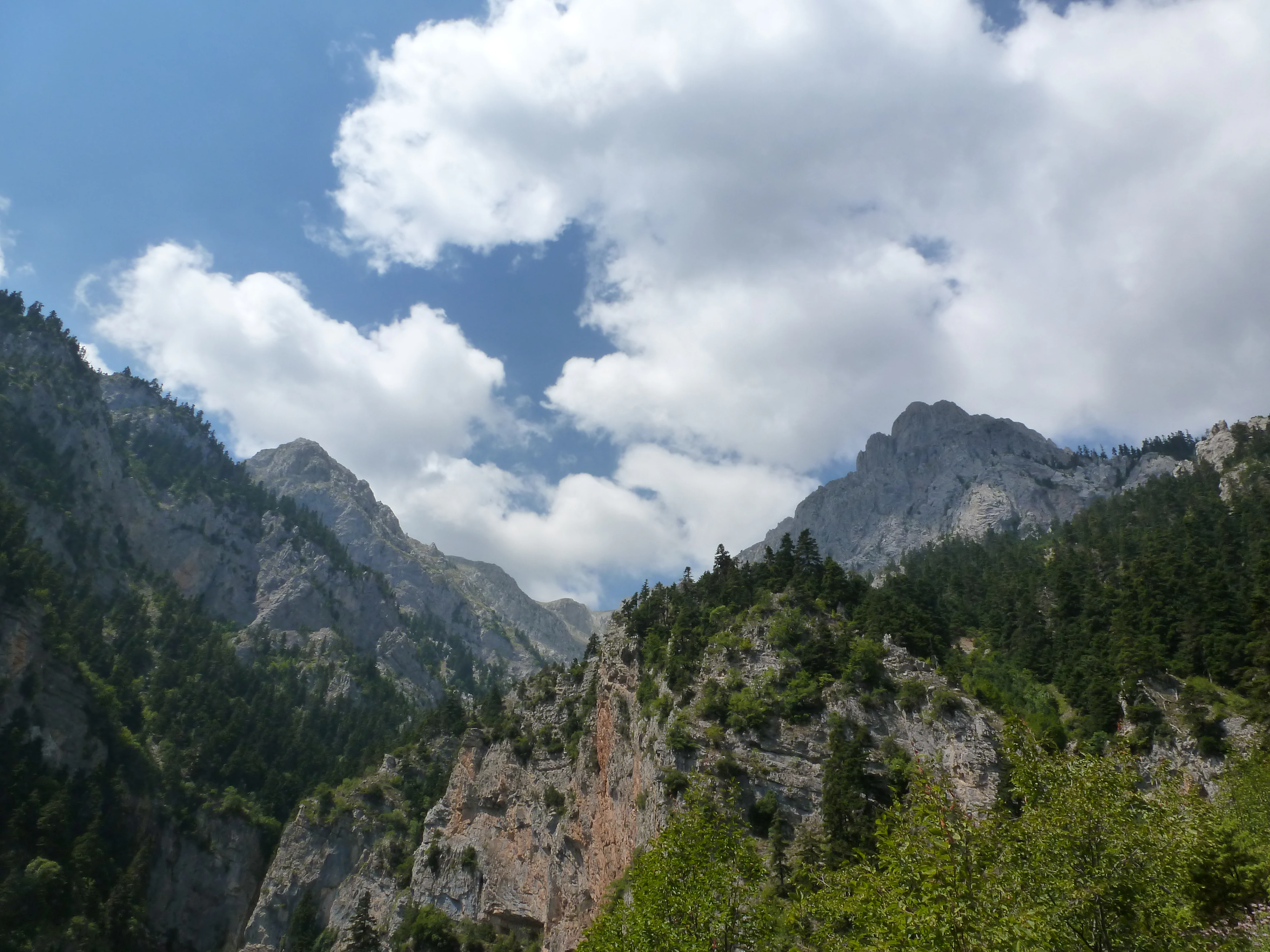
A wide view of a deep mountain gorge with steep, rocky cliffs covered in patches of forest, under a sky with white cumulus clouds.
The rugged terrain of the Velitsa Gorge within Mount Parnassus.

Mount Parnassus National Park conservation status and protection priorities

The conservation significance of Mount Parnassus lies in its role as a refuge for Greek mountain ecosystems within an otherwise heavily modified central Greek landscape. By protecting an extensive vertical gradient from Mediterranean foothills to alpine zones, the park preserves the continuity of habitats that would otherwise be fragmented by roads, settlements, mining operations, and ski infrastructure. This continuity is important for species that need to move across elevations in response to season, climate, or disturbance.

The park also represents an effort to address the legacy of industrial pressure on the mountain. Bauxite mining from the late 1930s onward left lasting scars across the limestone slopes, altering both the visual landscape and the ecological fabric of the massif. National park status provides a framework that limits further degradation and prioritizes the long-term health of the mountain's ecosystems over short-term economic extraction.

Beyond biodiversity, the protected area has an indirect but important role in safeguarding the setting of the ancient site of Delphi on its southern flank. The mountain's natural backdrop is part of the cultural value of the sanctuary and the broader Delphi landscape. Protecting the surrounding ecosystems therefore serves both an ecological and a cultural heritage purpose, reflecting the integrated approach that has shaped Greek national park policy in similar sites.

Mount Parnassus National Park cultural meaning and human context

Few mountains in Greece carry a cultural weight comparable to Mount Parnassus. In ancient religion, the mountain was sacred, shared in turn by Gaia and Apollo, and it served as one of the two mythological homes of the nine Muses. The association with poetry, music, and artistic inspiration has endured for centuries and continues to shape how the mountain is understood outside Greece as well. The 19th-century French Parnassian literary movement, led by Théophile Gautier and committed to the doctrine of art for art's sake, deliberately drew its name from this mountain.

Locally, Mount Parnassus is inseparable from the identity of Arachova and Delphi. Arachova is a traditional mountain town perched on the slopes below the massif and is closely associated with Parnassian pastoral culture, textiles, and winter tourism tied to the ski resort. Delphi, on the other hand, gives the mountain its archaeological and religious depth. The Sanctuary of Delphi, with the oracle of Apollo, lies on the southern flank of the massif, and ancient sources describe Parnassus itself as the sacred territory on which the sanctuary was established. The Antre Corycien, a cave sanctuary associated with the Muses and the god Pan, is also found on the slopes of the mountain.

The cultural reach of the mountain extends into European imagination more broadly. The Parisian district of Montparnasse takes its name from a small artificial hill of rubble that Latin Quarter students humorously nicknamed Mount Parnassus in the 17th and early 18th centuries. While this is a playful reference rather than a geographic one, it shows how deeply the original Greek mountain had entered European intellectual culture by the early modern period.
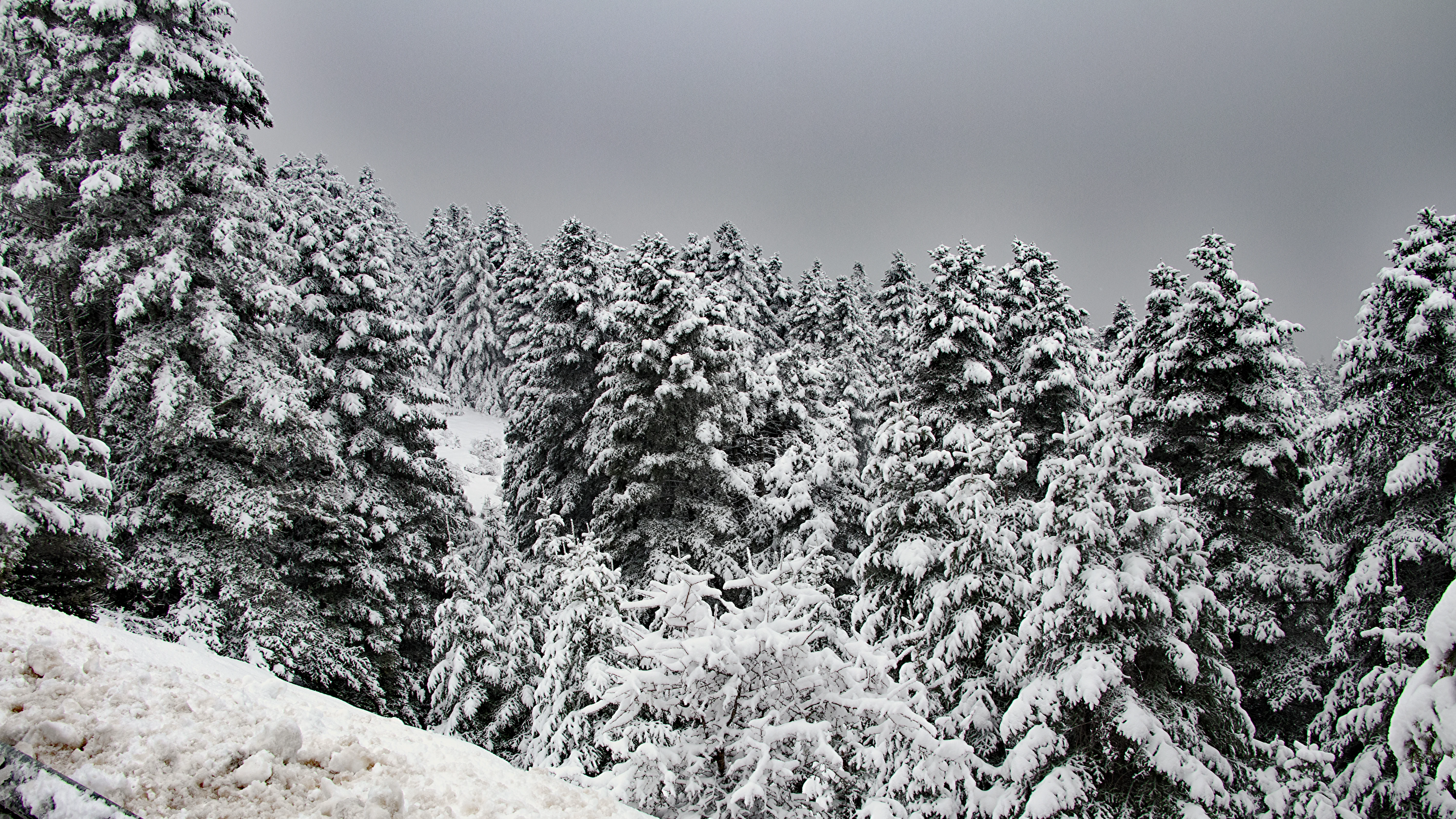
A dense forest of evergreen trees heavily covered in snow under a grey, overcast sky.
A snow-covered forest landscape on Mount Parnassos during winter.

Top sights and standout views in Mount Parnassus National Park

Mount Parnassus National Park's standout features combine geological drama, mythological resonance, and active recreational use. The limestone karst terrain with its fractures, sinkholes, and pale cliffs is one of the most distinctive geological signatures of any Greek national park. The altitude range of the massif produces a clear ecological layering, from Mediterranean foothills up through fir forests to genuine alpine zones.

The mountain's relationship with Delphi and the broader mythological tradition is itself a defining highlight, giving the protected landscape an unusually rich cultural depth. At the same time, the Parnassos Ski Resort makes the same slopes accessible as Greece's largest winter sports area. The fact that sacred mountain, natural reserve, and ski hub coexist on a single massif makes Mount Parnassus one of the most layered protected landscapes in the country.
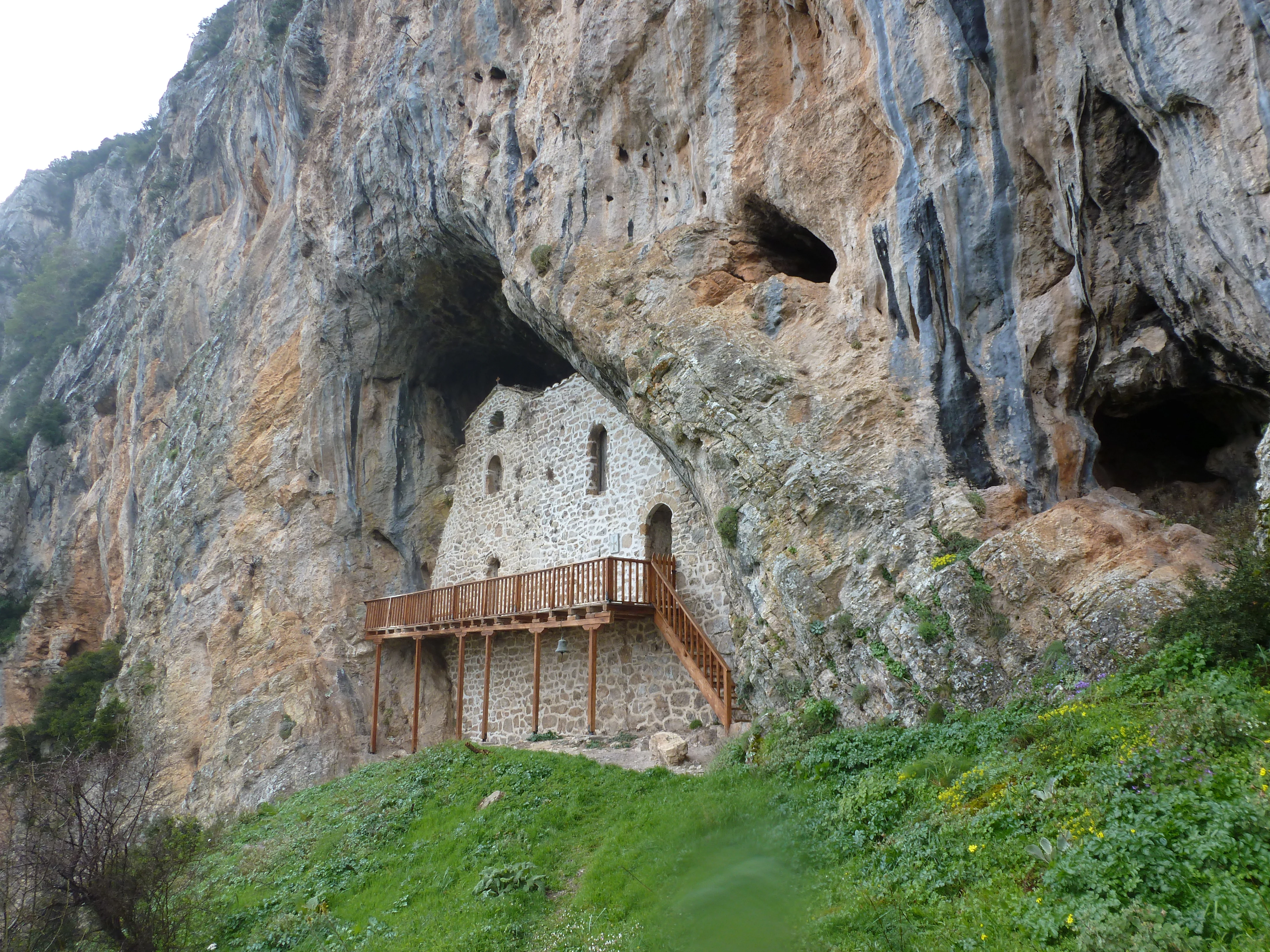
A small stone building constructed into a large natural cave opening in a cliff face, with a wooden balcony and stairs, surrounded by grassy slopes.
A stone structure built into a rock shelter on Mount Parnassus.

Best time to visit Mount Parnassus National Park

Mount Parnassus is a year-round destination, but its character changes significantly between seasons. In winter, the upper massif is dominated by snow, and the slopes around Kellária, Phtérólakka, and Hiérodóvrachos host Greece's largest ski resort. Visitors during this period can expect a high-altitude winter environment that is otherwise rare in the country.

In late spring and summer, the snowline retreats and the alpine meadows, fir forests, and karst slopes become accessible for hiking and sightseeing. Temperatures are milder in this period, and the views toward the Gulf of Corinth and across central Greece are at their clearest. Autumn offers quieter conditions and changing vegetation color in the mid-elevation forests. The ski season typically drives the busiest visitor periods, while the warmer months are better suited to exploring the broader natural and cultural setting, including Delphi and the surrounding villages.
Monthly climate preview

Long-term representative temperature and precipitation patterns across the year

Parc national du Mont Parnasse Climate Normals and Annual Weather Rhythm

Historical measurements from 1991 to 2000 trace the recorded temperature progression and monthly precipitation rates across representative terrain in Parc national du Mont Parnasse. Examining the complete twelve-month dataset reveals broader meteorological shifts and long-term climate normals for the protected landscape.
Annual mean15 °C
6 °C26 °C
Jan
Feb
Mar
Apr13°
May18°
Jun23°
Jul26°
Aug26°
Sep21°
Oct17°
Nov12°
Dec
Warmest month
July

26.1 °C

Coolest month
January

5.9 °C

Wettest month
November

2.6 mm/day

Driest month
July

0.6 mm/day

Park location guide

Geography guide, regional context, and park location map for Mount Parnassus National Park

Mount Parnassus National Park park geography, regions, and map view in Greece

Understand where Mount Parnassus National Park sits in Greece through a broader geographic reading of the surrounding landscape, nearby location context, and its mapped position within the national park landscape.

How Mount Parnassus National Park fits into Greece

Greece, officially the Hellenic Republic, is a country in Southeast Europe occupying the southern Balkans. It borders Albania, North Macedonia, Bulgaria, and Turkey, with coastlines on the Aegean, Ionian, and Mediterranean seas. The country has over 10 million people and is renowned for its ancient Greek heritage, philosophy, democracy, and the Olympic Games.

Wider geography shaping Mount Parnassus National Park in Greece

Greece occupies the southern tip of the Balkan peninsula in Southeast Europe. It shares land borders with Albania to the northwest, North Macedonia and Bulgaria to the north, and Turkey to the east. The Aegean Sea lies to the east of the mainland, the Ionian Sea to the west, and the Sea of Crete and Mediterranean Sea to the south. The country spans thousands of islands across nine traditional geographic regions and has the longest coastline in the Mediterranean basin.

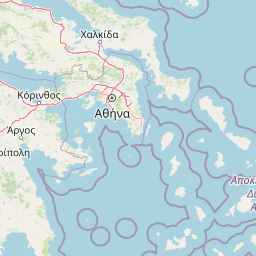
Map view of Mount Parnassus National Park

Use this park location map to pinpoint Mount Parnassus National Park in Greece, understand its exact geographic position, and read its mapped placement within the surrounding landscape more clearly.

Pigeon | © OpenStreetMap contributors

Visual reference for alpine terrain, limestone karst formations, and subalpine fir forests

Parc national du Mont Parnasse Photos and Mapped Landscape Scenery

Visual documentation captures the rugged limestone massifs, deep karstic fissures, and dense fir forests defining the protected mountain environment. Examining authentic field photography reveals the dramatic altitudinal gradients and expansive terrain variations across the protected landscape.

A mountain range with snowy peaks set against a clear blue sky, viewed over a foreground of green and brown trees.

A wide, eye-level landscape view of the rocky, grey summits of Mount Parnassus rising above rolling, green forested slopes under a clear blue sky.

A close-up view of a massive, textured limestone cliff face showing vertical cracks and small natural cave openings.

A wide, mountainous landscape view featuring a deep forested gorge with rocky slopes, evergreen and deciduous trees, and a cloudy sky.

A wide view of a deep mountain gorge with steep, rocky cliffs covered in patches of forest, under a sky with white cumulus clouds.

A small mountain stream flows over rocky terrain into a turquoise-colored pool, surrounded by rugged cliffs and evergreen trees.

A dense forest of evergreen trees heavily covered in snow under a grey, overcast sky.

A small stone building constructed into a large natural cave opening in a cliff face, with a wooden balcony and stairs, surrounded by grassy slopes.

A wide landscape view of the snow-covered peaks of Mount Parnassus rising above a dense, dark green evergreen forest under a clear blue sky.

A wide view of the dark, forest-covered slopes of Mount Parnassus topped with snow against a cloudy sky, with the roof of a building partially visible in the lower right.

A wide view of a grassy plateau with small stone buildings of the Kalivia settlement, backed by the snow-capped peak of Mount Parnassus under a blue sky.

A historical watercolor painting depicting a mountain range in the background, with a small village and people walking along a dirt path in the foreground.

A wide, eye-level shot of the snow-capped Parnassos mountains rising behind a flat, rural landscape with a paved road leading toward them under a clear blue sky.

A wide, eye-level landscape view of the mountainous terrain of Mount Parnassos under a clear, bright blue sky.

A wide view of the rocky, light-colored limestone slopes of Mount Parnassus above a forested and scrub-covered mountainside under a clear blue sky.

A close-up shot of three dark-capped mushrooms growing among green grass and small limestone rocks.

Park atlas

Compare limestone massifs, alpine terrain, and neighboring mountain reserves

Parks Near Parc National du Mont Parnasse and Regional Protected Areas

Visitors exploring Parc national du Mont Parnasse can continue browsing other national parks and protected landscapes across the surrounding region. Comparing adjacent mountain terrain provides deeper geographic context on Mediterranean ecosystems and regional topography.
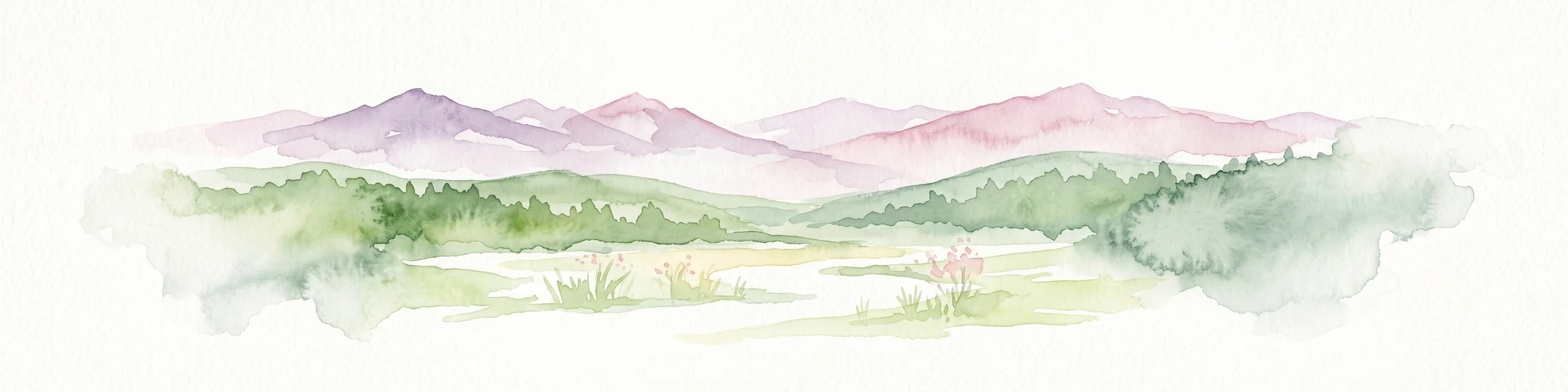
A horizontal watercolor painting showing a soft mountain landscape with green forests and a central light-colored area under a pale sky.
National parkGreece
About 104 km away#1 closest

East

Parc national du Parnès: Geographic Overview of the Attica Peninsula's Protected Massif

Explore the karst gorges, high-altitude fir forests, and protected red deer habitats

Parc national du Parnès dominates the northern skyline of Attica with a complex limestone massif featuring deep ravines like the Keladonas gorge. This atlas entry provides geographic insights into the park's summit network, karst features, and its critical role in Mediterranean forest resilience. Understand the rugged terrain and natural boundaries that define this essential protected area within Greece.

Area
38.16 km²
Established
1961
Relief
Mountain
Climate
Mediterranean
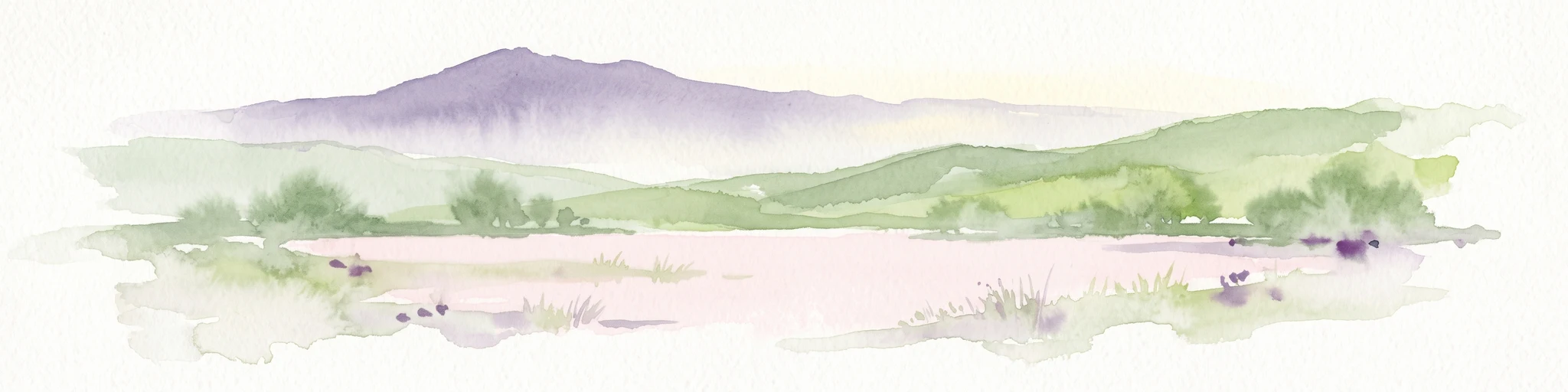
A watercolor painting showing a soft, atmospheric landscape with a pink-toned lagoon in the foreground, green hills in the midground, and a hazy purple mountain in the background.
National parkGrèce-Occidentale
About 111 km away#2 closest

West

Parc national de Missolonghi-Etolikó: Coastal Lagoons and Limestone Geography

Protected wetlands and river delta landscapes in Western Greece

Tracing the interface of the Acheloos and Evinos river deltas with the Ionian Sea, this national park protects a mosaic of saltpans, reedbeds, and mountain massifs. Its mapped boundaries encompass the historic Missolonghi lagoon, the vertical limestone cliffs of Mount Varasova, and rare riverine woodlands, providing a detailed look at one of the most vital wetland complexes in the Mediterranean.

Area
360.73 km²
Established
2006
IUCN
VI
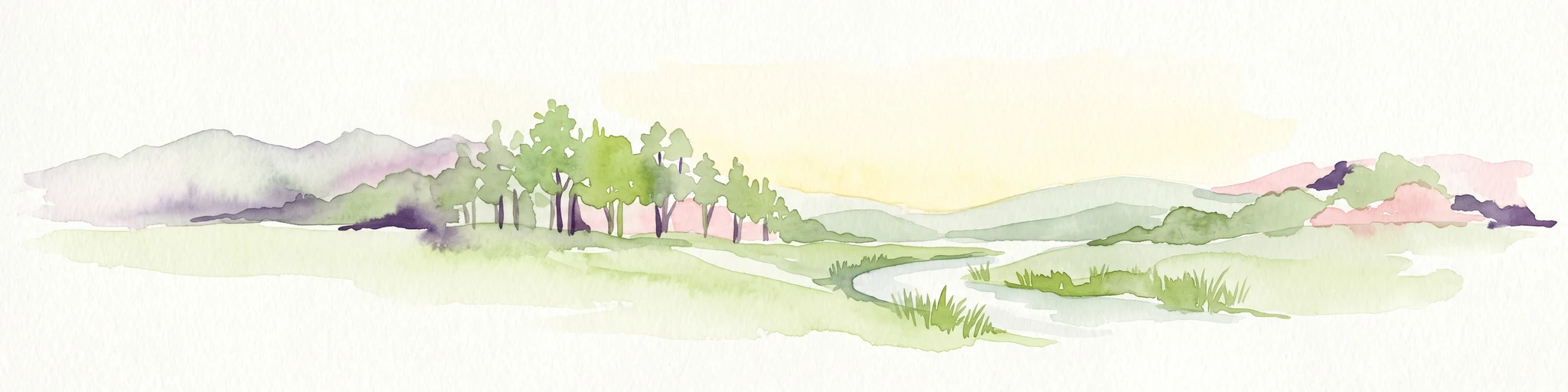
A watercolor painting showing a wide view of the Foloi plateau with rolling hills, a small grove of deciduous trees, and a winding stream, set against a pale background.
Protected areaElis
About 115 km away#3 closest

Southwest

Foloi Oak Forest Protected Area and Plateau Landscape in Elis, Greece

Deciduous mountain woodland and regional plateau geography

Examine the geographic profile of the Foloi Oak Forest, a rare seed-regenerated deciduous woodland spread across an elevated plateau in the Elis region. This protected landscape forms an essential ecological boundary in the western Peloponnese, featuring a dense canopy of Hungarian oak and deep gorges that define the surrounding mountain terrain and local drainage systems.

Area
42 km²
Relief
Upland
Climate
Mediterranean
Access
Moderate access
Watercolor illustration of a coastal landscape with hills, trees, and a body of water
Marine protected areaGreece
About 119 km away#4 closest

Northeast

National Marine Park of Alonnisos Northern Sporades: Protected Marine Landscape and Aegean Geography

Explore Greece's largest marine protected area and its vital ecosystems.

Investigate the National Marine Park of Alonnisos Northern Sporades, an extensive marine protected area situated in the northern Aegean Sea. This protected landscape is internationally significant for its role in conserving the Mediterranean monk seal and for its healthy Posidonia oceanica seagrass meadows. Understanding this park's geographic scope and its protected marine terrain offers crucial insights into Mediterranean island ecosystems and conservation efforts within the region.

Area
2,260 km²
Established
1992
IUCN
II
Relief
Mixed relief
Protected areaAetolia-Acarnania
About 128 km away#5 closest

West

Lake Amvrakia Protected Area: Atlas of a Tectonic Freshwater Basin in Aetolia-Acarnania

Mapped geography of a unique karstic semipolje in western Greece.

Lake Amvrakia is a distinct tectonic basin located in western Greece. This protected area represents a complex karstic landscape formed in Mesozoic limestone, supporting diverse birdlife and endemic species. The geography reveals a stark contrast between agricultural eastern shores and the preserved riparian zones of the west, marking it as a significant case of human-environment interaction in the region.

Area
13.6 km²
Relief
Lowland
Climate
Mediterranean
Access
Access unknown
National parkGreece
About 158 km away#6 closest

Southeast

Sounio National Park: Protected Coastal Geography and Mediterranean Terrain in Greece

A rugged maritime landscape on the Attica headland

Sounio National Park occupies the dramatic southernmost tip of the Attica peninsula in Greece. The protected area features vertical limestone cliffs, scrub-covered coastal hills, and a strategic headland overlooking the Aegean. This atlas entry provides a detailed look at the park boundaries, surrounding maritime geography, and the unique integration of classical heritage sites within an exposed Mediterranean conservation zone.

Area
0.75 km²
Established
1974
Relief
Upland
Climate
Mediterranean
National parkGreece
About 168 km away#7 closest

Northwest

Parc national de Tzoumérka-Achelóos-Ágrafa-Météores National Park: Geography and Landscape Atlas

Central Greece Pindus mountain protected wilderness zone

An extensive protected landscape bridging Thessaly and Epirus, this national park showcases the ecological and geological diversity of the central Pindus Mountains. Analyze the geographic layout of the Athamanian ranges, the Acheloos river corridor, and the unique conglomerate formations at Meteora through a detailed protected-area lens.

Area
3,379.94 km²
Established
2009
IUCN
VI
Relief
Mountain
Watercolor painting of a mountain range, pine trees, and a small stream in the foreground against a light, misty background.
National parkThessaly
About 174 km away#8 closest

North

Olympus National Park: Protected Mountain Landscapes and Geographic Mapping of Northern Greece

High mountain terrain, forest zones, and protected boundaries

Olympus National Park preserves the towering summit of Mount Olympus and its surrounding canyons. This record highlights the park's geologic structure, its diverse vegetation zones ranging from Bosnian pine to alpine grasslands, and its status as a cornerstone of the natural geography spanning the borders of Thessaly and Central Macedonia.

Area
39.88 km²
Established
1938
IUCN
II
Visitors
180K annual

Common questions about visiting, size, designation, and location context for Mount Parnassus National Park

Mount Parnassus National Park FAQs for park facts, access, geography, and protected area context

Find quick answers about Mount Parnassus National Park, including protected-area facts, park geography, trail and visitor context, and how the park fits into its surrounding country and regional landscape.
MoriAtlas Explorer

Continue Your Protected Areas Search Across the Global Atlas

Deepen your exploration by continuing the structured search for national parks and protected areas worldwide. Utilize the comprehensive filtering capabilities to compare different conservation landscapes and refine your understanding of global park geography. Discover more about the distribution and characteristics of protected natural areas.

Global natural geography