
Mori Atlas logo
National parkMoriah Harbour Cay National Park

Uncover the mapped geography and protected land characteristics of this important Bahamian national park.

Moriah Harbour Cay National Park: Protected Landscape Identity and Geographic Context in Exuma

Moriah Harbour Cay National Park represents a significant protected landscape within the Exuma region, offering a unique atlas perspective on Bahamian natural areas. This page delves into the park's specific geographic features and its role as a protected territory. Understand its mapped boundaries and how it contributes to the regional landscape context. Discover Moriah Harbour Cay National Park through a lens of structured geographic data and cartographic exploration.

Bahamas national parksExumaMangrove ecosystemsCaribbean protected areasCoastal parksBird nesting sites

Moriah Harbour Cay National Park

National park

Park overview

Structured park overview, official facts, and landscape profile for Moriah Harbour Cay National Park

Moriah Harbour Cay National Park park facts, protected area profile, and essential visitor context
Review the core facts for Moriah Harbour Cay National Park, including designation, size, terrain, visitor scale, habitats, and operating context in one park-focused overview.

About Moriah Harbour Cay National Park

Moriah Harbour Cay National Park represents an important protected area within the Bahamas' system of national parks and preserves. Located in the Exuma district, the park was established in 2002 and later expanded in 2015 to its current extent of 16,800 acres. The reserve is managed by the Bahamas National Trust, the primary organization responsible for conservation of Bahamian natural areas. The park encompasses a mix of coastal environments including mangrove forests, tidal flats, and beach areas centered around Moriah Harbour Cay. These ecosystems work together to form a interconnected habitat that supports both nesting birds and juvenile marine species. The mangroves in particular function as critical nursery areas for numerous fish and shellfish species, creating a productive marine environment within the park's boundaries.

Quick facts and research context for Moriah Harbour Cay National Park

Moriah Harbour Cay National Park is situated on Moriah Harbour Cay in the Exuma district of the Bahamas. The park was established in 2002 and covers 16,800 acres (68 square kilometers) following an expansion in 2015. It is managed by the Bahamas National Trust, which oversees protected areas throughout the Bahamian archipelago. The park encompasses both land and marine environments, with mangrove ecosystems playing a central ecological role.

Park context

Deeper park guide and search-rich context for Moriah Harbour Cay National Park

Moriah Harbour Cay National Park history, landscape, wildlife, and travel context
Explore Moriah Harbour Cay National Park through its history, landscape character, ecosystems, wildlife, conservation priorities, cultural context, and seasonal travel timing in a structured park guide built for atlas discovery and search intent.

Why Moriah Harbour Cay National Park stands out

Moriah Harbour Cay National Park is best known for its extensive mangrove systems that serve as productive nursery habitats for various marine species. The park provides important nesting sites for several bird species including gull-billed terns, least terns, nighthawks, oystercatchers, and plovers. A resident pair of ospreys also nests within the park boundaries. The combination of coastal mangroves, sandy shoreline, and tidal zones creates a diverse habitat that supports both terrestrial and marine wildlife.

Moriah Harbour Cay National Park history and protected-area timeline

Moriah Harbour Cay National Park was established in 2002 as a protected area within the Bahamas' national park system. In 2015, the park underwent a significant expansion that increased its total area to 16,800 acres (68 square kilometers). This expansion reflected the growing recognition of the park's ecological importance, particularly its mangrove systems and the wildlife they support. The Bahamas National Trust has governed the park since its establishment, maintaining the protected status of this coastal area within the Exuma district.

Moriah Harbour Cay National Park landscape and geographic character

The landscape of Moriah Harbour Cay National Park is characterized by coastal and marine environments typical of the Bahamas' out islands. The terrain includes sandy beaches, tidal flats, and the distinctive mangrove forests that fringe much of the shoreline in this region. The park encompasses both the terrestrial landmass of Moriah Harbour Cay and surrounding marine waters, creating a unified coastal protected area. The gentle topography of the cays and low-lying coastal areas defines the physical character of the landscape, with vegetation adapted to the saline and periodically flooded conditions of the mangrove zones.

Moriah Harbour Cay National Park ecosystems, habitats, and plant life

The nature of Moriah Harbour Cay National Park centers on its mangrove-dominated coastal ecosystems. The park's mangroves provide critical ecological functions, filtering coastal waters and offering protected nursery areas for juvenile marine organisms. The vegetation on the cay itself includes buttonwood, bay cedar, palmetto palms, and sea oats, representing typical Caribbean coastal plant communities. These plant communities support the bird species that nest within the park while the mangrove waters below sustain diverse marine life.

Moriah Harbour Cay National Park wildlife and species highlights

The wildlife of Moriah Harbour Cay National Park includes both avian and marine species that rely on the park's diverse habitats. Bird species nesting within the park include gull-billed terns, least terns, nighthawks, oystercatchers, and plovers. A resident pair of ospreys also inhabits the park, using the coastal environment for hunting and nesting. The park's mangrove systems serve as nurseries for numerous marine species including crabs, crawfish, conch, mangrove snappers, yellowtails, and groupers. This combination of bird nesting sites and marine nursery habitat makes the park ecologically significant for multiple wildlife groups.

Moriah Harbour Cay National Park conservation status and protection priorities

Moriah Harbour Cay National Park plays an important role in the conservation framework of the Bahamas. The park protects mangrove ecosystems that provide critical services including coastal protection, water filtration, and marine habitat provision. The designation of this area as a national park ensures the preservation of nesting sites for several bird species and maintains nursery habitat for commercially and ecologically important marine species. The Bahamas National Trust manages the park as part of a broader network of protected areas aimed at conserving the biodiversity of the Bahamian archipelago.

Moriah Harbour Cay National Park cultural meaning and human context

Moriah Harbour Cay National Park is located within the Exuma district, an area with a long history of human settlement and maritime activity in the Bahamas. The park's name references Moriah Harbour, indicating the historical significance of this coastal area to local communities. While the Wikipedia source does not provide extensive detail on cultural history, the protected area exists within a context of traditional fishing and maritime use that continues in surrounding areas of Exuma.

Top sights and standout views in Moriah Harbour Cay National Park

The highlights of Moriah Harbour Cay National Park include its extensive mangrove systems that support diverse marine life, its role as a nesting ground for multiple bird species including terns, oystercatchers, and ospreys, and its protected marine waters that serve as nurseries for fish and shellfish species. The park's expansion in 2015 demonstrates its conservation significance within the Bahamas' protected areas network.

Best time to visit Moriah Harbour Cay National Park

The best time to visit Moriah Harbour Cay National Park would generally align with the Bahamian dry season, which typically runs from late autumn through spring. This period offers more predictable weather conditions for exploring the outdoor environments of the park. However, specific seasonal guidance is not provided in the available source material, and visitors should consult current local information for planning purposes.
Park location guide

Geography guide, regional context, and park location map for Moriah Harbour Cay National Park

Moriah Harbour Cay National Park park geography, regions, and map view in Bahamas
Understand where Moriah Harbour Cay National Park sits in Bahamas through a broader geographic reading of the surrounding landscape, nearby location context, and its mapped position within the national park landscape.

How Moriah Harbour Cay National Park fits into Bahamas

The Bahamas is an island nation in the Atlantic Ocean, forming part of the Lucayan Archipelago. It consists of more than 3,000 islands, cays and islets located north of Cuba, northwest of Hispaniola, and southeast of Florida. The country gained independence from Britain in 1973 and operates as a constitutional monarchy under King Charles III, with Nassau as its capital and largest city.

Wider geography shaping Moriah Harbour Cay National Park in Bahamas

The Bahamas occupies the Lucayan Archipelago in the Atlantic Ocean. The island chain is positioned north of Cuba, northwest of Hispaniola (shared by the Dominican Republic and Haiti), southeast of the US state of Florida, and east of the Florida Keys. The territory spans over 3,000 islands, cays and islets, with the total land area being 13,943 km². The Royal Bahamas Defence Force claims approximately 470,000 km² of surrounding ocean space.

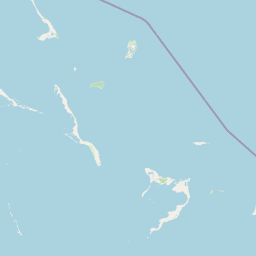
Map view of Moriah Harbour Cay National Park

Use this park location map to pinpoint Moriah Harbour Cay National Park in Bahamas, understand its exact geographic position, and read its mapped placement within the surrounding landscape more clearly.

Pigeon | © OpenStreetMap contributors

Location context for Moriah Harbour Cay National Park

Exuma
Park atlas

Explore more national parks, protected landscapes, and marine reserves across the Exuma Cays, tracing broader Bahamian geography.

Discover Nearby National Parks and Protected Areas Beyond Moriah Harbour Cay National Park
Continue your exploration by browsing a curated list of national parks and protected areas near Moriah Harbour Cay National Park, encompassing coastal ecosystems and marine environments across the Exuma district. This contextual view helps compare diverse protected landscapes and understand the regional spread of conservation efforts throughout the Bahamian archipelago.
National parkBahamas

Conception Island National Park: Bahamas Protected Landscape Atlas

Explore protected area boundaries and geographic context.

Conception Island National Park represents a key protected landscape within the Bahamas, offering a focused point for atlas exploration of island geography. Understand the mapped boundaries and the unique environmental context of this national park. As part of the wider Lucayan Archipelago, its protected status contributes to the regional conservation narrative and geographic understanding of the Atlantic Islands.

Area
121.41 km²
Established
1964
Relief
Lowland
Climate
Tropical
National parkBahamas

Exuma Cays Land and Sea Park National Park: Mapped Protected Landscape in the Bahamas

Explore its geographic identity and atlas context.

This page provides detailed map-based information on Exuma Cays Land and Sea Park, a significant national park located in the Bahamas. Discover its protected area boundaries, explore its unique geographic setting within the archipelago, and understand its role as a key natural landscape. The content is geared towards atlas exploration, offering a factual overview of the park's spatial and regional importance without any visitor logistics or operational details.

Area
455.84 km²
Established
1959
Relief
Lowland
Climate
Tropical
National parkBahamas

Bonefish Pond National Park: Essential Bahamas Coastal Wetland & Marine Nursery

Mapped protected area, mangrove ecosystem, and habitat for key marine species.

Bonefish Pond National Park, a protected national park on New Providence island in The Bahamas, is essential for its role as a thriving marine nursery. The park's landscape features extensive red mangrove forests, tidal channels, and shallow lagoons crucial for juvenile bonefish, crawfish, and conch. This area highlights effective wetland restoration and conservation, offering valuable insights into Caribbean coastal protected landscapes and their geographic importance.

Area
5 km²
Established
2002
IUCN
II
Relief
Lowland
National parkBahamas

West Side National Park National Park: Extensive Protected Landscape in the Bahamas

Mapped marine and mangrove ecosystems, plus pine forest terrain

Delve into the geographical identity of West Side National Park, a protected national park in the Bahamas renowned for its vast scale and diverse ecosystems. This landscape features significant Caribbean pine forests transitioning into extensive, intact mangrove systems along its coastlines, integrating directly with vital marine habitats. As one of the largest protected areas in the Caribbean, its ecological representation from land to sea offers a unique atlas perspective on Bahamian natural heritage and conservation.

Area
6,070 km²
Established
2002
IUCN
II
Relief
Mixed relief
National parkAndros

Crab Replenishment Reserve National Park: Explore Andros Protected Landscape Boundaries

Mapped geography and regional park context

Investigate Crab Replenishment Reserve National Park, a significant protected landscape located in the Andros region. This page provides detailed atlas-style information, focusing on the park's mapped boundaries and its specific geographic setting. Understand how this national park contributes to the regional protected area network and its overall landscape identity for atlas-driven exploration.

Area
16 km²
Established
2002
IUCN
II
Relief
Lowland
National parkBahamas

Primeval Forest National Park: A Protected Landscape within the Bahamas Archipelago

Explore mapped boundaries and regional geography in the Lucayan Archipelago.

Primeval Forest National Park serves as a key protected area within the Bahamas, offering a focused view of island geography and conservation landscapes. This national park is a critical element for understanding the archipelago's natural terrain and mapped protected lands. Its presence provides valuable geographic context, allowing for detailed exploration of its boundaries and its place within the broader Bahamian atlas.

Established
2002
Relief
Mixed relief
Climate
Tropical
Access
Easy access
National parkAndros

Blue Holes National Park: A National Park for Detailed Geographic and Landscape Exploration

Explore mapped boundaries and regional terrain context.

Delve into the specifics of Blue Holes National Park, a designated national park offering rich opportunities for geographic discovery. This entry provides structured information focused on its protected landscape identity, mapped outlines, and its contribution to the regional geography of Andros, Bahamas. Understand the park's unique setting through detailed map context and atlas-driven insights.

Area
162 km²
Established
2002
IUCN
II
Relief
Mixed relief
National parkBahamas

North and South Marine Parks National Park: Geographic Atlas and Protected Landscape in the Bahamas

Mapping Bahamian protected marine geography and its national park boundaries.

Delve into the atlas-view of North and South Marine Parks, a key national park in the Bahamas. This page details the park's specific geographic features and its protected landscape identity within the island nation. Understand its placement and significance as a protected marine area contributing to the regional geography.

Area
20 km²
Established
2002
IUCN
II
Climate
Tropical

Common questions about visiting, size, designation, and location context for Moriah Harbour Cay National Park

Moriah Harbour Cay National Park FAQs for park facts, access, geography, and protected area context
Find quick answers about Moriah Harbour Cay National Park, including protected-area facts, park geography, trail and visitor context, and how the park fits into its surrounding country and regional landscape.
MoriAtlas Explorer

Continue Your Protected Areas Search Across the Global Atlas

Deepen your exploration by continuing the structured search for national parks and protected areas worldwide. Utilize the comprehensive filtering capabilities to compare different conservation landscapes and refine your understanding of global park geography. Discover more about the distribution and characteristics of protected natural areas.

Global natural geography
Moriah Harbour Cay National Park: Protected Area Atlas & Map Context | MoriAtlas