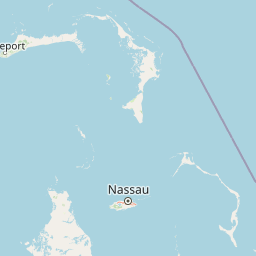
Why Crab Replenishment Reserve stands out
The Crab Replenishment Reserve is specifically recognized for its role in protecting land crab populations and their natural habitats. Land crabs are a distinctive component of Bahamian ecology, and this reserve was created with the explicit purpose of ensuring sustainable populations of these crustaceans. The park represents a targeted conservation approach, focusing on a single ecologically important species rather than broader biodiversity protection.
Crab Replenishment Reserve history and protected-area timeline
The Crab Replenishment Reserve was established in 2002 as a national park under the management of the Bahamas National Trust, the primary conservation organization responsible for managing protected areas throughout the Bahamas. The creation of this reserve reflected a conservation priority focused on land crabs, which have traditionally been a significant part of the Bahamian natural environment. The establishment of the park in 2002 placed it among the more recently designated protected areas in the Bahamas National Park system, which has grown progressively since the first parks were created in the 1950s and 1960s.
Crab Replenishment Reserve landscape and geographic character
Andros Island features a distinctive landscape characterized by vast mangrove swamps, pine forests, and complex coastal ecosystems. The terrain is generally low-lying, with extensive wetlands and tidal areas that create important ecological interfaces between terrestrial and marine environments. The island's western coastline faces the Tongue of the Ocean, a deep oceanic trench that contributes to the ecological diversity of the region. Within this setting, the Crab Replenishment Reserve encompasses habitats that support land crab populations, typically including forested areas and transitional zones between inland and coastal environments.
Crab Replenishment Reserve ecosystems, habitats, and plant life
The reserve protects habitats that are essential for land crab survival and reproduction. Land crabs in the Bahamas occupy ecological niches that bridge terrestrial and coastal environments, and their populations depend on protected areas that provide suitable conditions. The broader Andros environment includes pine rockland habitats, wetlands, and coastal mangroves that together form a complex ecological system. While the Wikipedia source specifically mentions land crabs as the focal species, the reserve's habitats likely support additional species associated with the island's diverse ecosystems.
Crab Replenishment Reserve wildlife and species highlights
The park is specifically noted for providing habitat for land crabs, which are a notable component of Bahamian fauna. Land crabs are crustaceans that have adapted to terrestrial life in tropical island environments, and they play roles in nutrient cycling and soil aeration within their ecosystems. The reserve's protected status helps ensure that these populations can maintain healthy numbers without the pressures that might otherwise threaten their survival.
Crab Replenishment Reserve conservation status and protection priorities
The Crab Replenishment Reserve represents a species-focused conservation approach within the Bahamas' protected area network. By establishing a dedicated reserve for land crab protection, the Bahamas National Trust acknowledged the ecological importance of these crustaceans and the need for targeted habitat preservation. The park contributes to the broader conservation framework that includes multiple national parks and marine protected areas throughout the Bahamas archipelago, working together to preserve the nation's natural diversity.
Crab Replenishment Reserve cultural meaning and human context
The reserve exists within the context of Andros Island, which has a long human history intertwined with the natural environment. The Bahamas National Trust, as the managing authority, operates within a national framework that recognizes the importance of balancing environmental protection with sustainable use of natural resources. The reserve's name reflects a particular focus on resource replenishment, suggesting historical concerns about land crab populations and their sustainability.
Top sights and standout views in Crab Replenishment Reserve
The Crab Replenishment Reserve stands out as a specifically designated protected area focused on land crab conservation on Andros, the largest island in the Bahamas. Established in 2002, it represents a targeted approach to protecting a species of particular ecological significance to the Bahamas. The reserve is part of the Bahamas National Trust's portfolio of protected areas and contributes to the nation's overall conservation objectives.
Best time to visit Crab Replenishment Reserve
The Bahamas experiences a subtropical climate with warm temperatures year-round. The most comfortable period for outdoor exploration typically occurs during the cooler winter months from November through April, when temperatures are milder and humidity is reduced. The summer months from May through October tend to be warmer and wetter, with increased humidity and the possibility of tropical storms. Visitors interested in observing land crabs and exploring the reserve's habitats should consider the seasonal patterns that affect both weather conditions and wildlife activity levels.