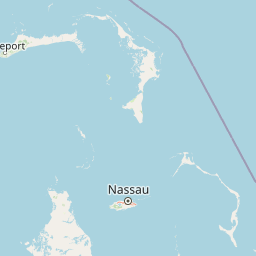
Why Abaco National Park stands out
Abaco National Park is best known for its extensive Caribbean pine forests and its role as a critical habitat for the Bahama parrot, an endemic species found only in the Bahamas. The park supports exceptional bird diversity, protecting species such as the Bahama swallow, Bahama yellowthroat, Bahama mockingbird, loggerhead kingbird, olive-capped warbler, West Indian woodpecker, and white-crowned pigeon. The pine forest ecosystem within the park represents one of the most intact and significant in the Caribbean region, providing crucial refuge for species that depend on this increasingly rare habitat type.
Abaco National Park history and protected-area timeline
Abaco National Park was established on May 9, 1994, representing a milestone in the Bahamas' conservation history. The creation of the park came in response to growing concerns about the protection of the Caribbean pine forests that once covered much of Great Abaco Island. These forests had experienced significant reduction due to timber extraction and agricultural expansion in preceding decades. The Bahamas National Trust, founded in 1969 as the nation's primary conservation body, worked with government partners to secure protection for the remaining pine forest areas. The establishment of the park also reflected the recognition that Abaco harbored unique biodiversity, particularly among bird species, that required dedicated protection. Since its creation, the park has served as a living laboratory for studying Caribbean pine forest ecology and the conservation needs of endemic bird populations.
Abaco National Park landscape and geographic character
The landscape of Abaco National Park is dominated by Caribbean pine forest, with the Caribbean pine (Pinus caribaea) forming the primary tree species across much of the protected area. The terrain consists of gently rolling hills and flatland that characterize South Abaco's interior, with elevation generally remaining modest throughout the park. The pine forest gives way in places to more open scrubland and wetland areas, particularly in lower-lying sections where water collects during wet periods. The park's location on the eastern side of Great Abaco places it relatively close to the Atlantic coastline, though the primary forest habitat occupies the interior elevations. The combination of pine forest, open woodland, and transitional areas creates a varied landscape that supports diverse ecological communities.
Abaco National Park ecosystems, habitats, and plant life
The nature of Abaco National Park centers on its Caribbean pine forest ecosystem, which represents one of the most important forest types in the Bahamas. The approximately 5,000 acres of pine forest within the park provide critical habitat for species adapted to this relatively dry forest environment. The ecosystem supports a distinctive community of plants and animals that have evolved in isolation on the Bahamas archipelago. Beyond the pine forests, the park includes areas of scrubland and seasonal wetlands that add ecological diversity to the protected area. The forest ecosystem exists in a Caribbean context where pine forests are relatively rare, making the protected area in Abaco particularly significant for regional biodiversity conservation. The park's location within the Bahamas also places it within a broader island chain that supports significant numbers of migratory bird species passing between North and South America.
Abaco National Park wildlife and species highlights
The wildlife of Abaco National Park is highlighted by its exceptional bird fauna, with several species found nowhere else in the world. The Bahama parrot, a subspecies of the Cuban parrot, makes its home in the park's pine forests and represents one of the most recognizable endemic birds in the Bahamas. Additional endemic or near-endemic species include the Bahama swallow, Bahama yellowthroat, and Bahama mockingbird, all of which rely on the park's forest habitats. Other notable bird species found in the park include the loggerhead kingbird, olive-capped warbler, West Indian woodpecker, and white-crowned pigeon. The pine forest environment supports a bird community that differs substantially from the more commonly encountered birdlife of tropical Caribbean lowland forests, reflecting the unique ecological character of the Bahamas' pine habitats. While the Wikipedia source focuses primarily on avian wildlife, the park's forest and wetland habitats also support various reptile, mammal, and invertebrate species typical of the Bahamas.
Abaco National Park conservation status and protection priorities
Abaco National Park plays a vital role in conserving Caribbean pine forest ecosystems that have been significantly reduced across their historical range in the Bahamas. The park protects one of the largest remaining intact areas of this forest type, safeguarding habitat for species that depend on it. The protection of the Bahama parrot population is particularly significant, as this species faces ongoing threats from habitat loss and fragmentation throughout its limited range. The park's management by the Bahamas National Trust provides ongoing conservation oversight and supports monitoring programs for key species. The establishment of the protected area also reflects the broader conservation framework of the Bahamas, which recognizes the importance of protecting endemic biodiversity on the island archipelago. As climate change and development pressures continue to affect Caribbean islands, protected areas like Abaco National Park become increasingly important for maintaining ecological resilience.
Abaco National Park cultural meaning and human context
Abaco National Park exists within the context of the Abaco Islands, which have a long human history intertwined with the marine environments of the Bahamas. The island of Abaco has been inhabited since the time of the Lucayan people, the indigenous inhabitants of the Bahamas before European contact. More recently, Abaco developed as a center of boat building and maritime activity, with communities like Marsh Harbour serving as important ports. The establishment of the national park reflected a growing awareness among Bahamians of the importance of preserving natural heritage alongside the cultural and economic traditions of the islands. The park's pine forests have also been part of the historical landscape used by local communities, though protection status now limits extractive uses within the park boundaries.
Top sights and standout views in Abaco National Park
The highlights of Abaco National Park include its extensive Caribbean pine forest, which is one of the most significant remaining examples of this ecosystem in the Bahamas. The park provides critical habitat for the Bahama parrot, one of only two parrot species native to the Bahamas. The diversity of endemic and near-endemic bird species, including the Bahama swallow, Bahama mockingbird, and West Indian woodpecker, makes the park a significant destination for bird conservation and observation. The protected area serves as a living example of successful conservation in the Caribbean, demonstrating how dedicated protection can preserve unique ecosystems and the species that depend on them.
Best time to visit Abaco National Park
The best time to visit Abaco National Park aligns with the cooler, drier months typically experienced in the Bahamas from November through April. During this period, temperatures are more comfortable for outdoor exploration and wildlife activity is generally higher as migratory birds are present. The dry season reduces issues with mosquitoes and other insects that can be more prevalent during the summer months. Late winter and early spring often represent optimal conditions for bird watching, as both resident species are active and migratory species may be passing through. The summer months bring warmer temperatures and increased rainfall, which can make outdoor activities more challenging but may offer different ecological experiences.