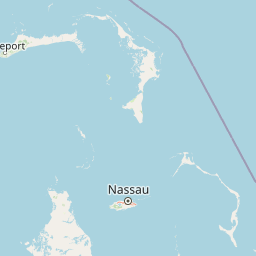
Why Black Sound Cay National Reserve stands out
Black Sound Cay National Reserve is best known for its dense mangrove forest that serves as a natural nursery for marine species including groupers, crawfish, and conch. The reserve provides important habitat for resident bird species such as the white-cheeked pintail and West Indian whistling duck, while also serving as a crucial stopover and wintering area for migratory songbirds including painted bunting, indigo bunting, American redstart, black-and-white warbler, and magnolia warbler. The compact size of the reserve combined with its ecological richness makes it a notable example of how island mangrove systems support disproportionate biodiversity value.
Black Sound Cay National Reserve history and protected-area timeline
Black Sound Cay National Reserve was established on November 1, 1988, as part of the Bahamas National Trust's expanding network of protected areas across the archipelago. The creation of this reserve reflected a growing recognition within the Bahamas of the ecological importance of mangrove systems, which had historically been viewed as swampland to be drained or developed. The Bahamas National Trust, as the governing body for the reserve, has maintained the protected status of this area while working to balance conservation with sustainable use of natural resources throughout the Bahamas. The establishment of the reserve also contributed to the broader Caribbean effort to protect critical coastal habitats, as mangrove forests across the region face pressures from coastal development, tourism infrastructure, and climate change impacts.
Black Sound Cay National Reserve landscape and geographic character
The landscape of Black Sound Cay National Reserve is defined by its mangrove forest ecosystem occupying a coastal fringe on Green Turtle Cay. The terrain is low-lying and flat, characteristic of the Bahamian island environment, with the mangrove area transitioning between terrestrial and marine zones. The red mangroves dominate the water's edge with their distinctive prop roots creating a lattice-like structure that extends into the tidal waters. Behind these, white and black mangroves form a denser canopy, while buttonwood occupies higher ground at the forest's inland edge. The water channels and pools within the mangrove system create a labyrinthine environment that fluctuates with tidal cycles, with the rooted areas providing stable substrates for marine organisms while the open water areas serve as feeding and nursery zones.
Black Sound Cay National Reserve ecosystems, habitats, and plant life
The nature of Black Sound Cay National Reserve centers on a functional mangrove ecosystem that exemplifies the ecological productivity of tropical coastal habitats. The three main mangrove species present—red, white, and black—each occupy different zones within the tidal gradient, creating a vertically stratified community. Red mangroves thrive in the wettest areas closest to the water, their aerial roots providing structure and oxygen exchange. White mangroves typically occupy the middle zone, while black mangroves are often found in areas with less frequent tidal inundation. Buttonwood completes the plant community in the driest areas. This mangrove forest supports a detritus-based food chain that forms the foundation of coastal productivity in the Bahamas, with fallen leaves and organic matter fueling microbial communities that in turn support fish, crustaceans, and other marine organisms.
Black Sound Cay National Reserve wildlife and species highlights
The wildlife value of Black Sound Cay National Reserve extends across both marine and terrestrial realms. Within the sheltered mangrove waters, juvenile groupers, crawfish, and conch find refuge among the root systems, benefiting from the protection from predators and the rich food resources that the mangrove ecosystem provides. The canopy and forest floor support bird populations both resident and migratory. Resident species include the white-cheeked pintail, a dabbling duck adapted to Caribbean wetlands, and the West Indian whistling duck, a largely nocturnal species that roosts in the mangrove vegetation. The reserve also attracts numerous migratory songbirds during their wintering season, including the painted bunting, known for the male's brilliant coloration, the indigo bunting, and several warbler species including American redstart, black-and-white warbler, and magnolia warbler. These migratory species rely on the mangrove habitat for rest and refueling during their journeys between North America and their tropical wintering grounds.
Black Sound Cay National Reserve conservation status and protection priorities
Black Sound Cay National Reserve represents a small but significant contribution to the Bahamas' protected area network, with its IUCN Category Ia designation indicating strict nature reserve status that limits human activities to non-destructive research and observation. The conservation value of this reserve is disproportionately high relative to its size, as mangrove ecosystems rank among the most biologically productive habitats on Earth. Protecting this area ensures that the ecological functions of the mangrove system—including carbon sequestration, coastal protection, water quality maintenance, and biodiversity support—continue to operate. The reserve also contributes to the wider Caribbean goal of maintaining connected coastal habitats that support migratory species and sustain marine food webs. As climate change intensifies pressures on island ecosystems, protected areas like this one provide resilience by maintaining functional natural systems.
Black Sound Cay National Reserve cultural meaning and human context
Black Sound Cay National Reserve is situated on Green Turtle Cay, an island with historical connections to the name 'turtle' reflecting the presence of sea turtles in surrounding waters. The Bahamas has a long maritime history tied to the sea, and the traditional use of marine resources including fishing has shaped the relationship between local communities and the coastal environment. The reserve's protection of mangrove nursery areas supports the continued health of fish and shellfish populations that local fishing communities depend upon, creating a direct link between conservation and sustainable livelihoods. The Bahamas National Trust's management approach reflects both international conservation standards and local awareness of how protected areas integrate with community life on the islands.
Top sights and standout views in Black Sound Cay National Reserve
The highlights of Black Sound Cay National Reserve include its role as a bird habitat of international significance, particularly for migratory songbirds traversing the Caribbean flyway. The dense mangrove forest supports a remarkable diversity of bird species in a very small area, making it an excellent example of the high biodiversity value that intact mangrove systems provide. The marine nursery function of the reserve supports commercially important species including groupers and conch, linking the protected area to the broader marine economy of the Abaco region. The strict nature reserve designation ensures that the ecosystem remains relatively undisturbed, allowing natural ecological processes to continue with minimal human intervention.
Best time to visit Black Sound Cay National Reserve
The best time to observe wildlife at Black Sound Cay National Reserve depends on the target species and visitor interests. Migratory birds are most present during the fall and winter months, roughly from September through April, when species like painted bunting, indigo bunting, and various warblers can be found in the mangrove habitat. The wet season in the Bahamas runs from May through October, coinciding with warmer temperatures and higher humidity but also offering the greenest mangrove foliage. Resident bird species such as the white-cheeked pintail and West Indian whistling duck can be observed year-round, though they may be more active during cooler parts of the day. The compact size of the reserve allows for thorough exploration regardless of season, though visitors should be prepared for typical tropical conditions including sun exposure and occasional rain.