Why Prince Edward Island National Park stands out
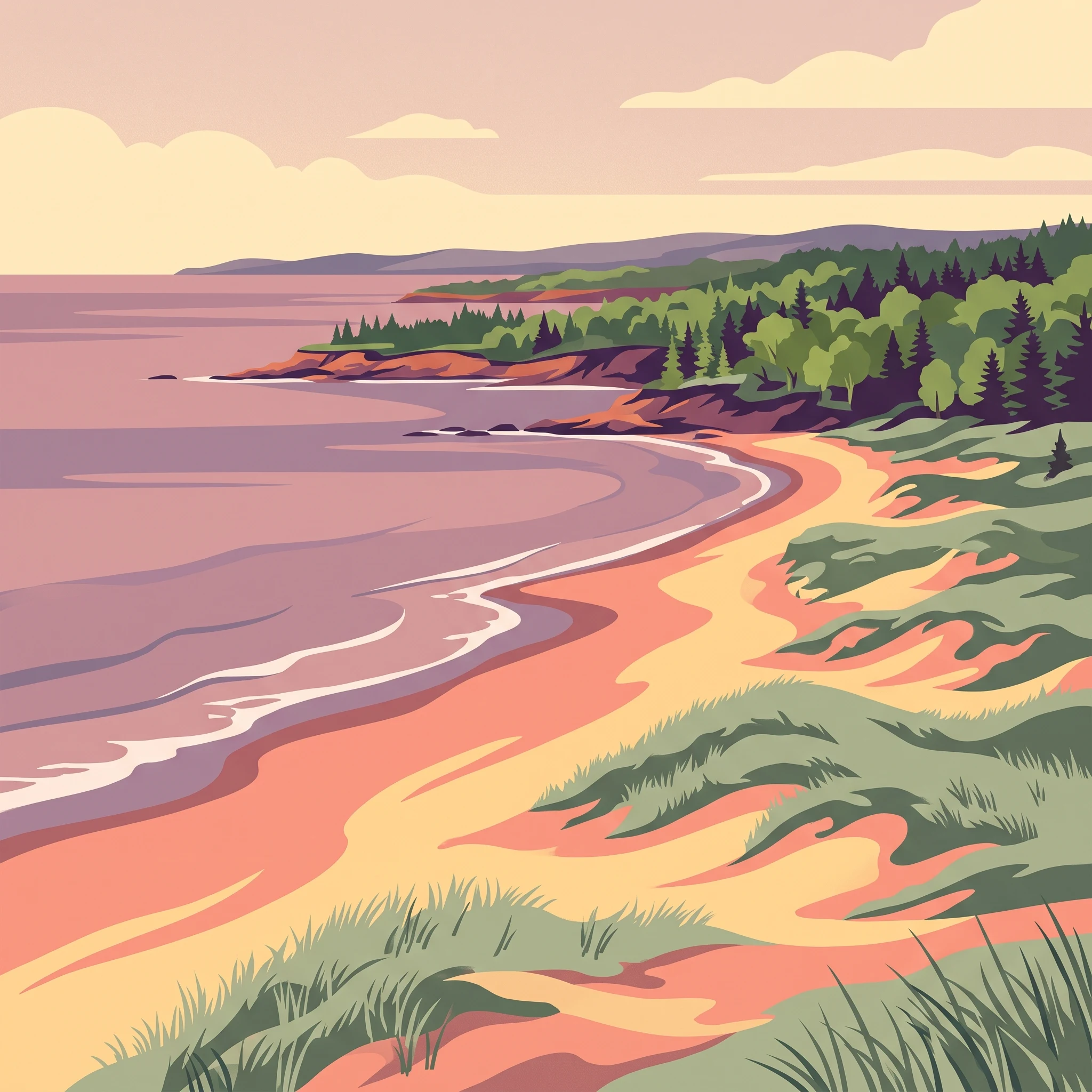
Prince Edward Island National Park is best known for its iconic red sand beaches that stretch along the island's north coast, and for the dramatic sand dune systems that shape much of the shoreline. The park is also famous for protecting critical nesting habitat for the endangered piping plover, a shorebird that relies on the park's protected beaches for breeding. Culturally, the park is distinguished by its stewardship of Green Gables Heritage Place, the former farm that served as the childhood inspiration for L.M. Montgomery's Anne of Green Gables literature, which has made this corner of Prince Edward Island a destination for literary pilgrims from around the world.
Prince Edward Island National Park history and protected-area timeline
Prince Edward Island National Park was established in 1937 as part of Canada's growing national park system during the mid-20th century expansion of protected areas across the country. The initial park designation focused on protecting the significant beach and dune resources along the island's north shore, recognizing both their natural importance and their value to the province's identity and economy. In 1998, the park underwent a significant expansion when an extensive sand dune system at Greenwich was transferred from the provincial government to Parks Canada, adding substantially to the protected coastal habitat within the park's boundaries. The park includes two cultural heritage properties of note: Green Gables, a 19th-century farm that was the childhood home and inspiration for Lucy Maud Montgomery's Anne of Green Gables novels, and Dalvay-by-the-Sea, a Victorian-era mansion that now operates as a national park inn. In 1999, the Canadian Nature Federation identified Prince Edward Island National Park as the most endangered park in the Canadian national park system, primarily due to the intensive human use of its beaches and the ongoing challenge of coastal erosion from winter storms.
Prince Edward Island National Park landscape and geographic character
The landscape of Prince Edward Island National Park is defined by its coastal setting along the Gulf of St. Lawrence, where the interaction of wind, tides, and island geology has created a distinctive terrain of sand beaches, extensive dune systems, and tidal wetlands. The park's red sand beaches are perhaps its most recognizable feature, their characteristic colour deriving from the iron-rich soils that wash down from the island's interior and accumulate along the shoreline. Behind the beaches, sand dunes rise in varying heights, some stabilized by vegetation and others still active and shifting with the wind. The dune systems, particularly at Cavendish and Greenwich, represent some of the most significant coastal sand formations in Atlantic Canada. Between the dune ridges, freshwater wetlands and saltmarshes create ecologically rich zones where freshwater seeps meet tidal influences, supporting specialized plant and animal communities. The overall terrain is gentle and low-lying, reflecting the island's bedrock geology and its position as part of the larger Gulf of St. Lawrence coastal plain.
Prince Edward Island National Park ecosystems, habitats, and plant life
The nature of Prince Edward Island National Park is characterized by a complex mosaic of coastal habitats that support significant biodiversity despite the park's relatively small size. The sand dune systems represent a rare and sensitive habitat type in Atlantic Canada, hosting specialized plant species adapted to the harsh conditions of shifting sands, salt spray, and limited freshwater availability. The freshwater wetlands and saltmarshes within the park provide important ecological functions, serving as buffers between the terrestrial and marine environments while offering habitat for waterfowl, shorebirds, and amphibious species. The beaches themselves, while heavily used by visitors during summer months, also serve as critical nesting habitat for the endangered piping plover, a small shorebird that has become a symbol of the park's conservation challenges. The park's designation as a Canadian Important Bird Area reflects the significance of these coastal habitats for bird populations, both as nesting areas and as stopover points during migration along the Atlantic flyway.
Prince Edward Island National Park wildlife and species highlights
The wildlife of Prince Edward Island National Park reflects its position as a coastal ecosystem where marine, wetland, and terrestrial environments intersect. The park supports populations of common mammals including coyotes, red foxes, raccoons, North American beavers, American minks, and weasels, which inhabit the woodland edges, wetland areas, and open grasslands throughout the park. The birdlife is particularly diverse, with the park's wetlands and coastal areas providing habitat for numerous species including various herons, ducks, owls, cranes, plovers, grouses, jays, falcons, geese, hawks, sandpipers, and eagles. The endangered piping plover holds special significance, as the park's beaches provide essential nesting habitat for this species, which has faced significant population declines across its breeding range in eastern North America. Conservation efforts to protect piping plover nesting areas often involve temporary beach closures during the breeding season, creating a visible demonstration of the park's commitment to balancing visitor access with species protection.
Prince Edward Island National Park conservation status and protection priorities
Prince Edward Island National Park faces significant conservation challenges that have earned it the distinction of being identified as Canada's most endangered national park. The primary threats stem from the intensive human use of the park's beaches during the summer season, which places significant pressure on sensitive dune habitats and wildlife nesting areas, and from the ongoing process of coastal erosion driven by winter storms and sea-level changes. The protection of piping plover nesting habitat represents a particular conservation priority, requiring ongoing monitoring, public education, and seasonal access restrictions to ensure successful breeding. The park's management must balance the dual mandates of protecting natural heritage while providing meaningful visitor experiences, a challenge compounded by the popularity of the island's beaches and the cultural attractions at Green Gables. The 1998 addition of the Greenwich sand dune system strengthened the park's conservation base by bringing additional sensitive coastal habitat under federal protection, providing more space for natural processes to operate and reducing the pressure on existing park lands.
Prince Edward Island National Park cultural meaning and human context
Prince Edward Island National Park contains meaningful cultural heritage that connects the natural landscape to the province's literary and agricultural history. The Green Gables Heritage Place within the park preserves the farmstead that was home to Lucy Maud Montgomery during her childhood and that served as the setting and inspiration for her internationally beloved Anne of Green Gables novels. This connection has made the park a destination for literary pilgrims and fans of the Anne series, adding a cultural dimension to the park experience that extends beyond typical natural heritage interpretation. The Dalvay-by-the-Sea property, a Victorian-era mansion now operated as a park inn, represents another layer of the park's cultural landscape, reflecting the grand summer cottage tradition that emerged among Prince Edward Island's wealthy families in the late 19th century. These cultural elements are woven into a landscape that also retains evidence of the island's agricultural heritage, with farmland and pastoral scenes forming the backdrop to the coastal dunes and beaches that make the park distinctive.
Top sights and standout views in Prince Edward Island National Park
The highlights of Prince Edward Island National Park begin with its distinctive red sand beaches, which offer a visual and experiential signature unlike any other Canadian national park. The extensive sand dune systems at Cavendish and Greenwich provide dramatic coastal scenery and habitat for specialized plant communities. The park's role in protecting endangered piping plover nesting habitat demonstrates its conservation significance and offers visitors the opportunity to observe rare wildlife in a protected setting. The Green Gables Heritage Place provides a unique cultural dimension, connecting visitors to the literary heritage that has shaped Prince Edward Island's identity and global recognition. The Victorian charm of Dalvay-by-the-Sea adds another layer to the park's appeal, offering overnight accommodation in a historic setting. The park's linear configuration allows visitors to experience a variety of coastal environments, from wide sandy beaches to sheltered tidal marshes, within a single visit.
Best time to visit Prince Edward Island National Park
The best time to visit Prince Edward Island National Park depends on what visitors hope to experience. The summer months of July and August offer the warmest temperatures and full access to beach facilities, making this the most popular time for swimming and beach recreation, though visitors should be aware that the park's most famous beaches can become quite crowded during these peak weeks. The shoulder seasons of late spring and early fall offer a quieter experience with fewer visitors and the opportunity to observe migratory birds passing through the park's wetland habitats. Late spring and early fall also bring the breeding and nesting seasons for many bird species, including the endangered piping plover, when temporary closures may be in place to protect sensitive areas. Winter visits offer a dramatically different experience of the park, with stark dune landscapes and the power of winter storms visible along the coastline, though most visitor services are reduced during the off-season.