Why Réserve naturelle régionale des prairies humides de la ferme du Moulin Fontaine stands out
The reserve is recognized for the protection of wet meadows (prairies humides) in a region of France where such habitats have become increasingly scarce due to agricultural intensification. Its designation focuses on preserving the natural and ecological value of humid grassland habitats that support specialized flora and fauna adapted to moist soil conditions. Its location on the grounds of an old farm property (ferme du Moulin Fontaine) gives the reserve a distinctive rural character, linking farmland heritage with the conservation of semi-natural meadow ecosystems. Together with other small reserves in the former Picardie, it represents a piece of the regional mosaic of habitat protection in northern France.
Réserve naturelle régionale des prairies humides de la ferme du Moulin Fontaine history and protected-area timeline
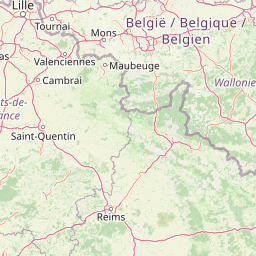
The lands on which the reserve now sits have a long history of rural and agricultural use, associated with the Moulin Fontaine farm property in the commune of Any-Martin-Rieux in the Thiérache area of Aisne.
The modern conservation history of the site began with its formal classification as a regional nature reserve. The Réserve naturelle régionale des prairies humides de la ferme du Moulin Fontaine was created on 20 June 2014 by a deliberation of the Conseil régional, the regional council with authority over regional nature reserves in France. The designation took in 38.06 hectares centered on the farm's wet meadows and was registered as reserve number 278 in the national system of réserves naturelles régionales.
Since its creation, the reserve has been managed by the Conservatoire d'espaces naturels de Picardie, the regional natural area conservancy that oversees a portfolio of similar sites across the former Picardie region. The conservancy's involvement reflects the standard regional approach in France, in which small protected areas are placed under the stewardship of specialized bodies with expertise in habitat management and ecological monitoring.
The available source material does not detail earlier milestones, pre-designation ownership changes, or specific habitat restoration work undertaken at the site. The historical narrative therefore rests primarily on the formal act of protection in 2014 and the institutional framework that has surrounded it since.
Réserve naturelle régionale des prairies humides de la ferme du Moulin Fontaine landscape and geographic character
The reserve occupies a modest 38-hectare footprint within the gently rolling countryside of the Thiérache, an area in the eastern part of the Aisne département known for its bocage landscapes, small woodlands, and traditional mixed farming. Its terrain is shaped less by dramatic relief than by subtle hydrological features, with low-lying ground retaining enough moisture to sustain meadow vegetation throughout much of the year.
The defining landscape characteristic of the reserve is its network of wet meadows, open grassy areas where persistent soil saturation supports humidity-loving plant communities. These meadows are typically bordered by hedgerows, woodland edges, and small watercourses typical of the Thiérache bocage, creating a textured rural mosaic rather than a single uniform habitat. The presence of the Moulin Fontaine farm, after which the reserve is named, links the protected area to a broader setting of working farmland and historic rural structures.
Because the reserve is small in absolute terms, its landscape value lies less in scale than in the integrity of the habitat pattern it secures. The surrounding countryside remains agricultural, and the reserve functions as a preserved pocket within a wider matrix of cultivated fields and pastures.
Réserve naturelle régionale des prairies humides de la ferme du Moulin Fontaine ecosystems, habitats, and plant life
The ecological identity of the reserve centers on humid meadows, one of the most threatened habitat types in the agricultural landscapes of northern France. Wet grasslands of this kind depend on consistent soil moisture, traditional low-intensity management, and the absence of intensive drainage or fertilization. By formally protecting an entire farm property, the designation ensures that the hydrological and land-use conditions that maintain these meadows can be preserved over the long term.
Such habitats typically harbor distinctive botanical communities, including moisture-adapted grasses, sedges, and flowering plants that would be outcompeted or eliminated under drier, more intensively managed conditions. Beyond their botanical interest, wet meadows provide important resources for animals that depend on damp open ground, including invertebrates such as butterflies, dragonflies, and grasshoppers, as well as breeding and feeding habitat for amphibians and a range of bird species associated with open, moist environments.
Within the broader Hauts-de-France region, the reserve contributes to a regional network of small protected sites that collectively safeguard examples of semi-natural habitats otherwise vulnerable to agricultural change. The available source material notes the importance of biodiversity and landscape value at the site but does not provide a detailed species inventory.
Réserve naturelle régionale des prairies humides de la ferme du Moulin Fontaine wildlife and species highlights
As a wet meadow reserve, the Moulin Fontaine site provides habitat characteristics that benefit groups of animals often associated with damp, open environments. Invertebrates, including butterflies, dragonflies, damselflies, and various grassland insects, are typically among the most visible components of such sites, supported by the diverse herbaceous vegetation of humid grasslands.
Amphibians can thrive where standing or slow-moving water persists through the breeding season, and the reserve's moist meadow environment offers suitable conditions for species typical of the northern French countryside. Open, wet habitats are also attractive to a range of birds that feed in grassy terrain, including waders and passerines that use both wet and dry ground within mosaic farmland.
The source material does not include a specific species list, so this section is constructed around the general wildlife profile expected of protected wet meadows in the Aisne countryside. Any particular claim about individual flagship species at this site would go beyond what the available sources support.
Réserve naturelle régionale des prairies humides de la ferme du Moulin Fontaine conservation status and protection priorities
From a conservation perspective, the reserve serves as a small but meaningful example of regional protection for a habitat type under significant pressure in northern France. Wet meadows have declined across much of the country because of agricultural intensification, drainage, and land conversion, and securing an entire farm property as a regional nature reserve is a direct response to that trend.
The site's classification as a réserve naturelle régionale under French regional authority, and its correspondence to IUCN Category IV, situates it within established international and national frameworks for habitat and species management. The fact that the reserve is administered by the Conservatoire d'espaces naturels de Picardie embeds it in a coordinated regional strategy of conservation action across the former Picardie region, linking it with other small sites managed under similar approaches.
In addition to preserving habitat, the reserve offers a base for ecological monitoring, public awareness, and educational work connected to humid meadow conservation. The available sources do not document specific restoration projects or species recovery programs at the site, so this section is grounded in the conservation rationale inherent in its designation and management structure.
Réserve naturelle régionale des prairies humides de la ferme du Moulin Fontaine cultural meaning and human context
The reserve takes its name from the Moulin Fontaine farm, a piece of rural heritage in the Thiérache area of Aisne. The Thiérache is known for its distinctive bocage countryside, dotted with historic farms, small churches, and a long tradition of mixed agriculture and dairy farming. By converting the farm property into a protected natural area, the designation preserves not only ecological value but also a segment of this rural cultural landscape.
Local land use around Any-Martin-Rieux remains predominantly agricultural, and the reserve sits within a setting where farming, small woodlands, and small villages have coexisted for generations. The choice of a working farm as the anchor for conservation reflects an effort to integrate habitat protection with the region's traditional land-use rhythms rather than imposing a strict separation between nature and cultural heritage.
The source material does not detail specific traditions, historical events, or community practices directly tied to the Moulin Fontaine site, so this section focuses on the broader regional context rather than site-specific cultural narrative.
Top sights and standout views in Réserve naturelle régionale des prairies humides de la ferme du Moulin Fontaine
A focused regional nature reserve dedicated to preserving wet meadows, a habitat type increasingly rare in intensively farmed northern France. The site combines ecological protection with the cultural setting of a historic farm property in the Thiérache countryside, illustrating how small protected areas can anchor conservation within traditional rural landscapes.
Its compact size of around 38 hectares reflects the precision of French regional nature reserve designation, where modest but well-managed parcels play a disproportionate role in securing habitats and connecting fragmented ecological networks. Managed by a specialized regional conservancy, the reserve stands as a quiet but representative example of habitat-scale conservation in Hauts-de-France.
Best time to visit Réserve naturelle régionale des prairies humides de la ferme du Moulin Fontaine
The reserve lies in a temperate northern French climate where seasonal variation shapes both the natural rhythms of wet meadows and the quality of any visit. Late spring and early summer typically mark the period when humid grassland vegetation is at its most diverse, with flowering plants and active invertebrates making the meadows particularly rich in character.
Midsummer offers the most visually expressive conditions in open grasslands, with tall herbaceous growth and active insect life, though visitors should be aware that wet meadows can also be at their wettest underfoot during periods of high rainfall. Early autumn tends to bring a quieter, more reflective atmosphere to such sites, with golden tones across the grasses and increased bird activity as migration seasons approach.
The available source material does not include formal opening arrangements, visitor infrastructure, or guided visit schedules, so seasonal guidance here is limited to the broad ecological character of the site. Any specific access details would need to be confirmed through the managing conservancy.