Mori Atlas logo
Nature reserveRéserve naturelle régionale du val et coteau de Saint-Rémy

Mapping the ecological mosaic of valley meadows and calcareous coteau slopes along the Yvette river.

Réserve naturelle régionale du val et coteau de Saint-Rémy: A Protected Landscape in Île-de-France

The Réserve naturelle régionale du val et coteau de Saint-Rémy preserves a significant gradient of moisture and exposure across eighty-three hectares in the Yvelines department. This regional nature reserve protects a fragmented mosaic of damp meadows and sun-drenched dry grassland slopes, providing a critical refuge for biodiversity within the urbanized landscape of Île-de-France. Explore the five distinct parcels that safeguard this essential riverine terrain.

regional nature reserveÎle-de-FranceYvelinesvalley habitatcalcareous slopescoteau

Réserve naturelle régionale du val et coteau de Saint-Rémy

Nature reserve

Park overview

Structured park overview, official facts, and landscape profile for Réserve naturelle régionale du val et coteau de Saint-Rémy

Réserve naturelle régionale du val et coteau de Saint-Rémy park facts, protected area profile, and essential visitor context

Review the core facts for Réserve naturelle régionale du val et coteau de Saint-Rémy, including designation, size, terrain, visitor scale, habitats, and operating context in one park-focused overview.

About Réserve naturelle régionale du val et coteau de Saint-Rémy

The Réserve naturelle régionale du val et coteau de Saint-Rémy is a regional nature reserve in north-central France, occupying a sliver of valley and slope landscape on the southern edge of the Paris metropolitan area. Although the reserve covers only about 83 hectares, its position within the Île-de-France region, one of the most densely populated parts of France, gives it a particular conservation value. The Yvelines department, and the commune of Saint-Rémy-lès-Chevreuse in particular, lie in a transitional zone where suburban Paris gives way to more rural countryside, threaded by the Yvette river and its small valley tributaries.

The reserve is structured across five separate spatial entities, most of them found on the right bank of the Yvette. This fragmented configuration reflects the way in which agricultural fields, meadows, slopes, and riverside fringes have survived in disconnected pockets around the commune. Together, these parcels preserve a diverse sequence of calcareous coteaux, valley-bottom meadows, and transitional habitats that are otherwise rare in the region. By protecting multiple small pieces rather than a single contiguous block, the reserve aims to maintain ecological continuity and to buffer sensitive species against the pressures of surrounding land use.

Because the reserve is administered at the municipal level, its management is rooted in local governance, and its identity is closely tied to Saint-Rémy-lès-Chevreuse and the broader Chevreuse valley landscape. Its inclusion in France's national network of regional nature reserves links it to a wider policy framework that encourages the conservation of regionally representative habitats, even where the surface area available is limited. The reserve sits within the broader cultural and natural landscape of the Chevreuse valley, an area long valued for its rural scenery, river corridors, and proximity to greater Paris.

Quick facts and research context for Réserve naturelle régionale du val et coteau de Saint-Rémy

The Réserve naturelle régionale du val et coteau de Saint-Rémy is a French regional nature reserve (réserve naturelle régionale) located in the Île-de-France region, within the Yvelines department and the commune of Saint-Rémy-lès-Chevreuse. It was formally created on 27 November 2008 and covers about 82.8 hectares distributed across five separate land parcels, most of which lie on the right bank of the Yvette river. The reserve is classified as IUCN Category IV and is managed by the municipality of Saint-Rémy-lès-Chevreuse. Its registered reference identifier is RNR190.

Protection and recognition

Documented protection records, management parameters, and conservation registry sources

Protection Status and International Recognition for Réserve naturelle régionale du val et coteau de Saint-Rémy

Examine the recorded protection status and official database references associated with Réserve naturelle régionale du val et coteau de Saint-Rémy. Structured registry data outlines the administrative framework and conservation metrics linked to this protected landscape.

Protection details

WDPA ID
555514370
Park context

Deeper park guide and search-rich context for Réserve naturelle régionale du val et coteau de Saint-Rémy

Réserve naturelle régionale du val et coteau de Saint-Rémy history, landscape, wildlife, and travel context

Explore Réserve naturelle régionale du val et coteau de Saint-Rémy through its history, landscape character, ecosystems, wildlife, conservation priorities, cultural context, and seasonal travel timing in a structured park guide built for atlas discovery and search intent.

Why Réserve naturelle régionale du val et coteau de Saint-Rémy stands out

The reserve is best known for protecting a fragmented mosaic of valley and coteau habitats along the Yvette river within the heavily urbanized Île-de-France region. Notable elements include damp meadowland, calcareous slopes, and habitat mosaics that sustain around twenty remarkable plant species, such as the hard shield fern (Polystichum aculeatum) and the bee orchid (Ophrys apifera), and more than forty animal species that include snipe, scarlet moths, praying mantises, and golden-ringed dragonflies. Its ecological significance comes less from raw size than from its role as a relatively intact refuge of semi-natural landscape in a metropolitan region, where intensive agriculture and suburban development have reduced most comparable valley habitats. The reserve's multiple separate entities together preserve a sequence of exposures and moisture conditions, giving it an ecopaysager value that exceeds what its modest area might suggest.

Réserve naturelle régionale du val et coteau de Saint-Rémy history and protected-area timeline

The Réserve naturelle régionale du val et coteau de Saint-Rémy was officially created by a regional deliberation on 27 November 2008, establishing its protected status under France's regional nature reserve framework. Its creation reflects a strategy of safeguarding fragments of valley and coteau landscape in the Île-de-France region at a time when suburban growth and agricultural intensification continued to erode such habitats around the Paris metropolitan periphery.

Before its formal classification, the lands that now make up the reserve formed part of the traditional rural mosaic of Saint-Rémy-lès-Chevreuse, shaped by centuries of low-intensity farming and valley land use. The reserve's formal designation legally consolidated the protection of five distinct sites that had retained much of their semi-natural character within an otherwise heavily developed regional context.

From its creation onward, the reserve has been administered directly by the commune of Saint-Rémy-lès-Chevreuse, a structure that places management decisions close to local stakeholders. Its history is thus one of regional policy initiative combined with local municipal stewardship, within the broader French model of regional nature reserves.

Réserve naturelle régionale du val et coteau de Saint-Rémy landscape and geographic character

The landscape of the reserve centers on the small valley of the Yvette river and its adjoining coteaux, the gentle calcareous slopes that flank the valley in this part of the Yvelines. Most of the protected parcels are on the right bank of the Yvette, where valley-bottom meadows blend into drier, sun-exposed slopes further uphill. The five separate entities making up the reserve capture this gradient in microcosm, each fragment preserving a slightly different combination of moisture, exposure, and slope.

The coteau slopes carry characteristic dry-grassland and scrub vegetation, while the lower valley margins include wetter meadows and areas where the water table is closer to the surface. The alternation between these drier upper slopes and the moister valley floor creates the ecopaysager mosaic that gives the reserve much of its value. Even though the area is small, the contrast between sheltered lowland soils, open middle slopes, and exposed higher coteaux means that short walks within or near the parcels can pass through several visually distinct landscape types.

The broader setting in the Chevreuse valley, with its wooded ridges, river meanders, and historic villages, frames the reserve within a wider rural landscape that has long been valued for its scenery. Within this setting, the reserve functions as a protective envelope around some of the most ecologically meaningful reaches of that wider landscape.

Réserve naturelle régionale du val et coteau de Saint-Rémy ecosystems, habitats, and plant life

The reserve protects a heterogeneous patchwork of habitats concentrated along the Yvette valley and its adjacent coteaux. The valley-bottom portions support meadows and damp ground influenced by the river, while the slopes above provide calcareous grassland and transition zones where scrub and woodland edge elements meet open ground. This juxtaposition of drier and moister habitats within a small footprint is the core of the site's ecological interest.

The flora includes roughly twenty notable species, among them the hard shield fern (Polystichum aculeatum) and the bee orchid (Ophrys apifera), both indicators of the kind of semi-natural, lightly pressured habitats the reserve is designed to conserve. The presence of orchids in particular reflects the suitability of the coteau slopes for specialist calcareous flora that struggles in more intensively farmed landscapes.

Ecological value also stems from the reserve's position within the broader Chevreuse valley ecological network. Although its five parcels are not contiguous, they act together as stepping stones of habitat in a region where intact natural land cover is fragmented. The reserve's habitats serve as refuges and breeding grounds not only for woodland and meadow species but also for wetland-linked fauna along the Yvette corridor.

Réserve naturelle régionale du val et coteau de Saint-Rémy wildlife and species highlights

The reserve supports more than forty recorded animal species spread across several taxonomic groups, ranging from wetland birds and meadow insects to reptiles and dragonflies. The common snipe (Bécassine des marais) is among the most distinctive bird species recorded here, reflecting the importance of wet meadow habitats within the reserve.

Insect life is relatively diverse for such a small area, including the scarlet tiger moth (Écaille rouge) and the praying mantis (Mante religieuse), both of which are charismatic representatives of warm, grassy habitats with structural variety. The presence of the golden-ringed dragonfly (Cordulegaster boltonii) further confirms the quality of the river and stream corridors along the Yvette, as this species depends on clean, flowing water.

Together, these faunal records indicate that the reserve functions as a small but meaningful refuge for species that depend on the combination of meadow, river, and coteau habitats typical of the Chevreuse valley, even within the heavily developed surroundings of greater Paris.

Réserve naturelle régionale du val et coteau de Saint-Rémy conservation status and protection priorities

The reserve's principal conservation role is to maintain a representative fragment of valley and coteau habitat in the densely populated Île-de-France region, where such landscapes are increasingly scarce. Classified as an IUCN Category IV protected area, it focuses on managing habitats and species rather than on strict wilderness preservation, reflecting both its small size and its embedded position within a working rural and peri-urban landscape.

By bringing together five distinct parcels under a single protective designation, the reserve consolidates protection for habitats that together sustain notable species of flora and fauna. Its small footprint is offset by its role within the larger network of French regional nature reserves, which collectively aim to preserve representative ecological features of each region. The reserve's location along the Yvette river corridor also gives it potential as a component of ecological connectivity within the Chevreuse valley.

Direct municipal administration by Saint-Rémy-lès-Chevreuse ensures that conservation decisions are integrated with local land use planning, an arrangement well suited to a small reserve whose ecological integrity depends strongly on the management of surrounding land.

Réserve naturelle régionale du val et coteau de Saint-Rémy cultural meaning and human context

The reserve's cultural context is closely bound to the Chevreuse valley, a region long shaped by small-scale agriculture, river-based heritage, and proximity to Paris. The commune of Saint-Rémy-lès-Chevreuse, which administers the reserve, lies in a landscape where villages, fields, and forested slopes have remained intertwined for centuries, even as suburban development has pressed in from the north.

The reserve's protection reflects a regional recognition that surviving rural mosaics of valley and coteau hold value not only for biodiversity but also for the cultural identity of the Île-de-France periphery. Local stewardship, organized through the municipality, ties the reserve's ecological role to that longer human story of land use in the Yvette valley.

Top sights and standout views in Réserve naturelle régionale du val et coteau de Saint-Rémy

A compact 83-hectare reserve of valley and coteau habitat in the Île-de-France region, classified as a regional nature reserve in 2008. Administrated by the commune of Saint-Rémy-lès-Chevreuse, it gathers five separate parcels on the right bank of the Yvette river. Notable species include the hard shield fern, the bee orchid, the common snipe, the scarlet tiger moth, the praying mantis, and the golden-ringed dragonfly, indicating a healthy ecological mosaic of meadow, river, and calcareous slopes.

Best time to visit Réserve naturelle régionale du val et coteau de Saint-Rémy

The reserve, like much of the Chevreuse valley, is most attractive in late spring and early summer, when coteau grasses and orchids such as Ophrys apifera are in flower and when meadow insects and dragonflies are most active along the Yvette. Autumn can also offer quieter conditions and a more rural atmosphere, while visits in the cooler months emphasize the structural contrast between bare slopes and the persistent green of valley vegetation. As a small, locally managed site, it is best approached as a pleasant outing within the broader rural landscape around Saint-Rémy-lès-Chevreuse rather than as a destination with elaborate visitor programming.
Monthly climate preview

Long-term temperature and monthly precipitation patterns across representative terrain

Réserve naturelle régionale du val et coteau de Saint-Rémy Climate Normals

Representative coordinate measurements reveal a measured annual temperature rhythm alongside consistent monthly precipitation rates across the protected valley terrain. Detailed multi-year climate normals provide comprehensive context for examining long-term meteorological trends month by month.
Annual mean11 °C
3 °C19 °C
Jan
Feb
Mar
Apr10°
May14°
Jun17°
Jul19°
Aug19°
Sep15°
Oct11°
Nov
Dec
Warmest month
July

19.2 °C

Coolest month
January

3.1 °C

Wettest month
December

2.1 mm/day

Driest month
March

1.5 mm/day

Park location guide

Geography guide, regional context, and park location map for Réserve naturelle régionale du val et coteau de Saint-Rémy

Réserve naturelle régionale du val et coteau de Saint-Rémy park geography, regions, and map view in France

Understand where Réserve naturelle régionale du val et coteau de Saint-Rémy sits in France through a broader geographic reading of the surrounding landscape, nearby location context, and its mapped position within the national park landscape.

How Réserve naturelle régionale du val et coteau de Saint-Rémy fits into France

France is a unitary semi-presidential republic and one of the world's largest economies. It borders Belgium, Luxembourg, Germany, Switzerland, Italy, Monaco, Andorra, and Spain, with a maritime border to the United Kingdom. The country is known for its cultural influence, art, cuisine, and political history spanning centuries.

Wider geography shaping Réserve naturelle régionale du val et coteau de Saint-Rémy in France

France is located in Western Europe. Metropolitan France extends from the Rhine to the Atlantic Ocean and from the Mediterranean Sea to the English Channel and North Sea. The country borders Belgium, Luxembourg, Germany, Switzerland, Italy, Monaco, Andorra, Spain, and has a maritime border with the United Kingdom.

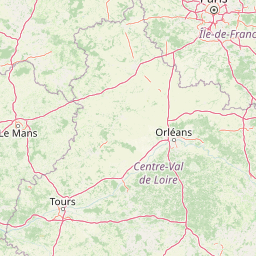
Map view of Réserve naturelle régionale du val et coteau de Saint-Rémy

Use this park location map to pinpoint Réserve naturelle régionale du val et coteau de Saint-Rémy in France, understand its exact geographic position, and read its mapped placement within the surrounding landscape more clearly.

Pigeon | © OpenStreetMap contributors

Location context for Réserve naturelle régionale du val et coteau de Saint-Rémy

Île-de-France
Park atlas

Compare surrounding valley habitats and protected landscapes across the Yvelines region

Parks Near Réserve Naturelle Régionale Du Val Et Coteau De Saint Rémy

Browsing other protected areas near Réserve naturelle régionale du val et coteau de Saint-Rémy reveals similar valley floors and calcareous slopes across the Yvelines department. Comparing adjacent reserves expands geographical context for peri-urban conservation landscapes throughout Île-de-France.
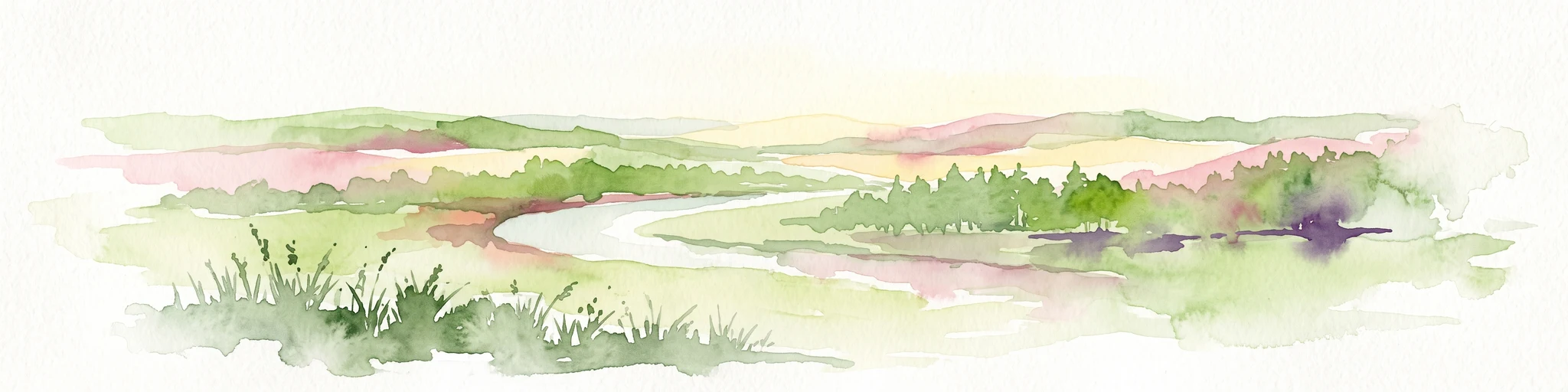
Watercolor painting of a gentle, winding river or pond flowing through a green meadow with soft, rolling hills in the background under a pale sky.
Nature reserveÎle-de-France
About 10 km away#1 closest

Southwest

Réserve naturelle régionale des étangs de Bonnelles: Regional Nature Reserve Geography

Wetland ecosystem analysis in the Yvelines department.

Defined by its two core ponds, this regional nature reserve creates a critical mosaic of wetland, marsh, and woodland habitats. It stands out in the Île-de-France area as a concentrated zone of freshwater biodiversity, supporting a variety of avian and invertebrate life in a region where such undisturbed watery terrain is limited.

Area
0.221 km²
Established
1990
IUCN
IV
Relief
Lowland
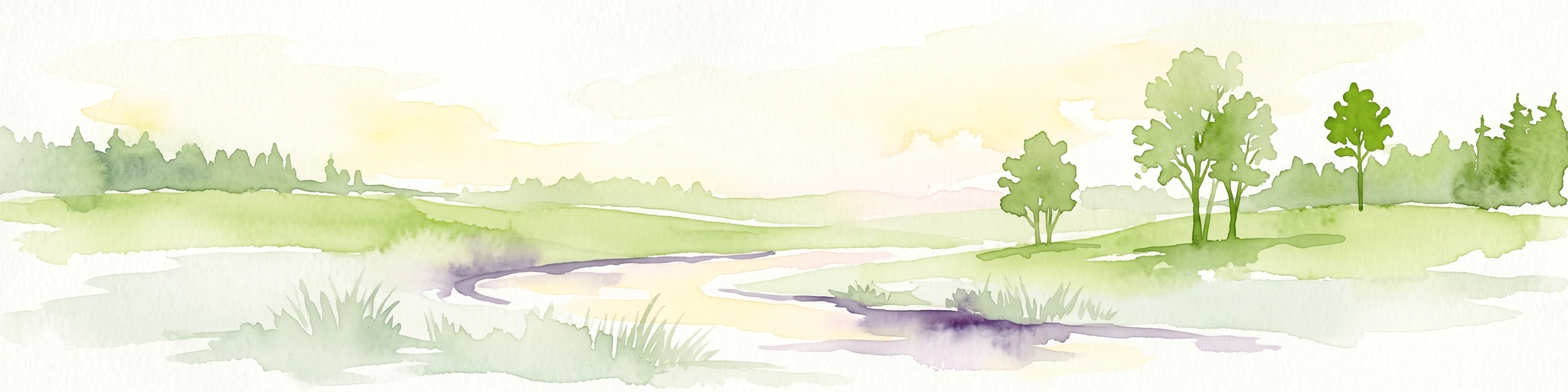
A soft, painterly watercolor illustration depicting a winding river flowing through a green basin with rolling hills, grasses, and scattered trees under a light sky.
Nature reserveÎle-de-France
About 16 km away#2 closest

East

Réserve naturelle régionale du bassin de la Bièvre: Protected Wetland and Basin Geography

A vital urban nature reserve within the Île-de-France region

Located south of Paris, this six-hectare nature reserve demonstrates how an artificial stormwater basin can evolve into a functioning wetland. Its geography is defined by fluctuating water levels and reedbed habitats that provide sanctuary for migratory birds. Examine the protected boundaries and landscape terrain of this significant, compact ecological refuge in the Bièvre valley.

Area
0.06 km²
Established
2009
IUCN
IV
Relief
Lowland
A soft watercolor illustration depicting a serene landscape with rolling green fields, scattered deciduous trees, and a small meandering stream, set against a light, hazy background.
Nature reserveÎle-de-France
About 41 km away#3 closest

Southeast

Réserve naturelle régionale des bruyères de Sainte-Assise: Heathland Conservation Geography

A protected sandy heathland within the Île-de-France region

This reserve protects rare lowland heathland habitat on acidic soils within the Seine-et-Marne department. Spanning approximately 87 hectares near the Seine valley, the landscape is defined by heather and open vegetation. The site provides a vital sanctuary for biodiversity in a peri-urban setting, balancing conservation with its unique integration of historical land use and local geography.

Area
0.872 km²
Established
2009
IUCN
IV
Relief
Lowland
Nature reserveÎle-de-France
About 42 km away#4 closest

Northwest

Réserve naturelle régionale du site géologique de Limay: Protected Landscapes and Geological Maps

A diverse nature reserve in the Yvelines department of Île-de-France.

Deeply rooted in the geological history of the Paris Basin, this former quarry site in Limay is now a thriving regional nature reserve. Its compact territory features a striking contrast between ancient limestone exposures and rich wetland pockets, providing a vital educational platform for studying biodiversity and land reclamation in north-central France.

Area
0.698 km²
Established
2009
IUCN
IV
Relief
Lowland
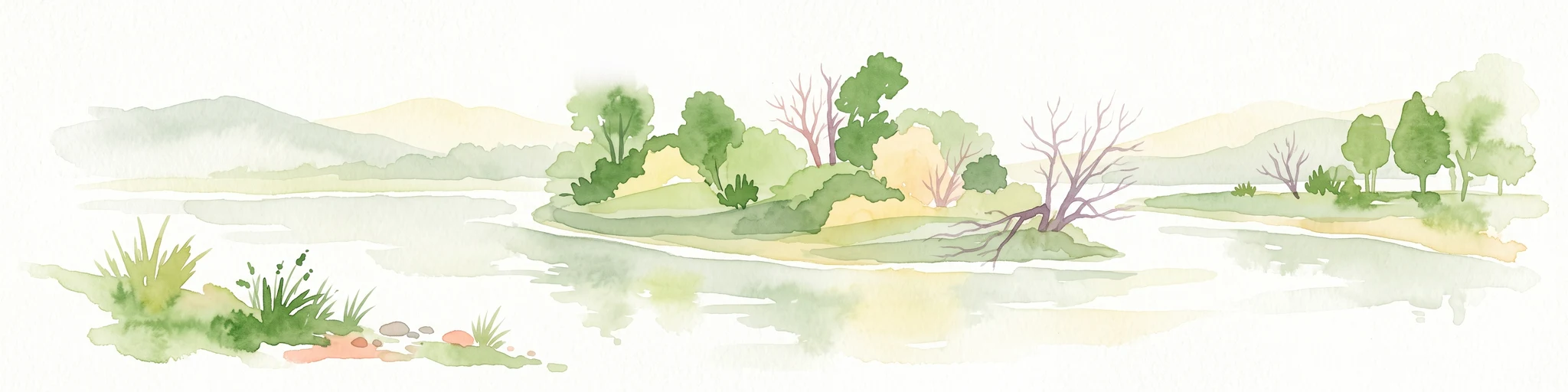
A horizontal watercolor illustration showing a calm river winding around small tree-covered islands with low hills in the distance.
Nature reserveÎle-de-France
About 42 km away#5 closest

Northeast

Réserve naturelle régionale des îles de Chelles: Protected River Islands in Île-de-France

Wetland ecosystems and riparian landscape geography

Located on the Marne River, this protected regional nature reserve encompasses a series of river islands known for their rich wetland biodiversity. The site offers a unique geographic perspective on urban-adjacent conservation, featuring a mosaic of riparian thickets and hygrophilous flora that contrasts with the surrounding Seine-et-Marne landscape.

Area
0.05 km²
Established
2008
IUCN
IV
Relief
Lowland
Nature reserveÎle-de-France
About 43 km away#6 closest

North

Réserve naturelle régionale du site géologique de Vigny-Longuesse: A Geological Reference Site

Protected limestone landscape in the Vexin region of Île-de-France

Protecting a critical paleontological and stratigraphic record, this reserve showcases a unique Tertiary reef complex. The site combines artificial quarry cliffs with natural geomorphological features, including paleolandslides and fossil-bearing limestone plates, providing a comprehensive outdoor archive of the Paris Basin.

Area
0.219 km²
Established
2009
IUCN
IV
Relief
Upland
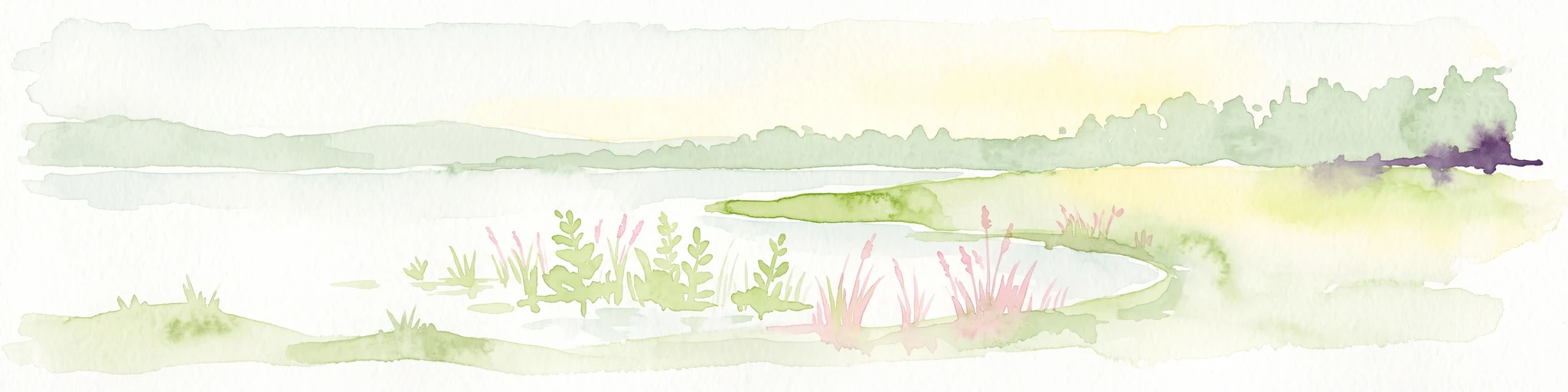
A pale, soft watercolor painting of a calm wetland or marsh, featuring muted green vegetation, light water reflection, and a gentle shoreline under a hazy sky.
Nature reserveÎle-de-France
About 44 km away#7 closest

North

Réserve naturelle régionale du marais de Stors: Atlas and Protected Landscape Overview

A rare wetland enclave in the Vallée de Chauvry

Focusing on the hydrological and ecological character of the Réserve naturelle régionale du marais de Stors, this overview examines its role as a protected nature reserve in the Paris region. Explore the marshland terrain and valley topography that define this unique pocket of conserved habitat in northern France.

Area
0.47 km²
Established
2009
IUCN
IV
A watercolor illustration of a rural landscape with rolling green fields and distant trees, framed by delicate foliage in the foreground.
Nature reserveCentre-Val de Loire
About 48 km away#8 closest

West

Réserve naturelle régionale de la Vallée des Cailles: Protected Area Map & Geography

Ecological landscape features in the Centre-Val de Loire

The Réserve naturelle régionale de la Vallée des Cailles encompasses forty-five hectares of calcareous chalk valley. This protected space preserves rare orchid species and diverse botanical communities shaped by a unique combination of flint geology, north-facing slopes, and long-running traditional land management practices.

Area
0.45 km²
Established
1999
IUCN
IV
Relief
Upland

Common questions about visiting, size, designation, and location context for Réserve naturelle régionale du val et coteau de Saint-Rémy

Réserve naturelle régionale du val et coteau de Saint-Rémy FAQs for park facts, access, geography, and protected area context

Find quick answers about Réserve naturelle régionale du val et coteau de Saint-Rémy, including protected-area facts, park geography, trail and visitor context, and how the park fits into its surrounding country and regional landscape.
MoriAtlas Explorer

Continue Your Protected Areas Search Across the Global Atlas

Deepen your exploration by continuing the structured search for national parks and protected areas worldwide. Utilize the comprehensive filtering capabilities to compare different conservation landscapes and refine your understanding of global park geography. Discover more about the distribution and characteristics of protected natural areas.

Global natural geography