Why Riserva naturale di Torrile e Trecasali stands out
The reserve is best known as a haven for the black-winged stilt, the species that effectively triggered the protection of the site. It also harbors a remarkable diversity of waterbirds for its size, including heron colonies, numerous duck species, waders, cormorants, and the sacred ibis, alongside woodland birds such as woodpeckers and passerines of the reed beds.
Riserva naturale di Torrile e Trecasali history and protected-area timeline
The origin of the reserve lies in an ornithological observation made in 1977 by Maurizio Ravasini, who documented a pair of black-winged stilts attempting to nest in wastewater basins of the Eridania sugar factory near Torrile. Concerned that fluctuating water levels would prevent successful breeding, Ravasini proposed, together with the local branch of LIPU, the creation of a protected area adjacent to the industrial site. The management of Eridania supported the proposal and collaborated in the establishment of the oasis.
The original LIPU oasis was created between 1986 and 1988 on eight hectares of land made available by the company, and its inauguration was attended by the Italian Environment Minister Giorgio Ruffolo. Two rehabilitated birds, a purple heron and a Eurasian spoonbill, were released as part of the opening ceremony. Over the following years, the protected area expanded through additional land concessions from Eridania and the purchase of an adjacent property crossed by the Lorno and Galasso canals.
In 1997 the Province of Parma formally recognized the site as a wildlife oasis covering 282 hectares. It was subsequently designated as an Important Bird Area and a Special Protection Zone, making it part of the Natura 2000 ecological network. In 2010 the Emilia-Romagna region approved the establishment of the current regional nature reserve, covering a total of 109 hectares and including the spring-fed habitats of Viarolo.
Riserva naturale di Torrile e Trecasali landscape and geographic character
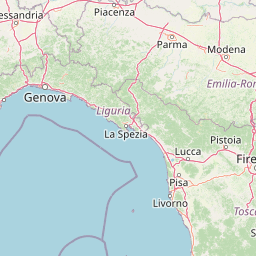
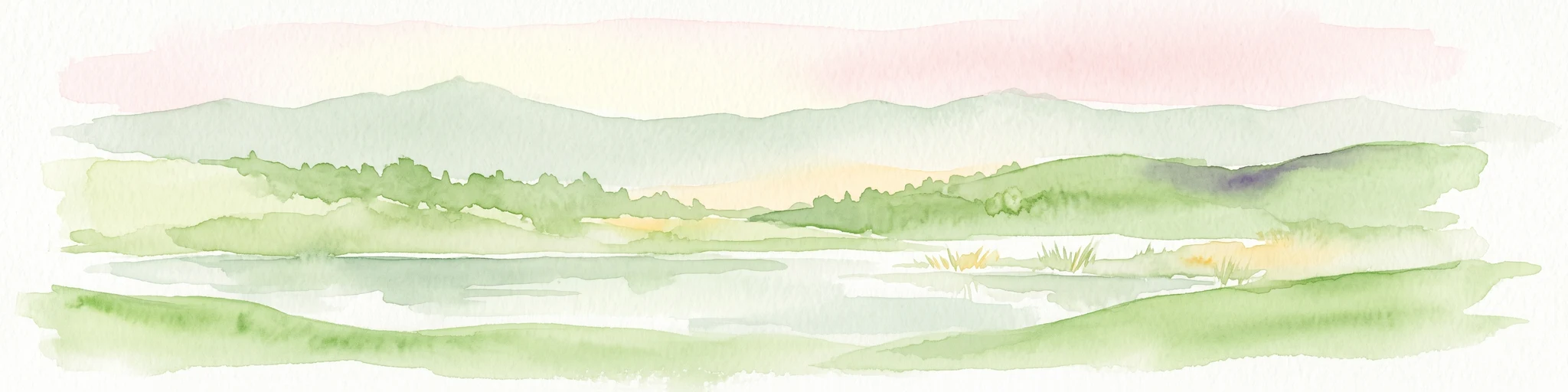
The landscape of the reserve is defined by the flat agricultural plain of the lower Po Valley, shaped by rivers, canals, and natural springs rather than by relief. The terrain lies between the Po and the Taro, two of the most important waterways of northern Italy, in an area where centuries of irrigation have created a network of channels and basins that continue to define the local hydrology. Despite the apparent flatness, the mosaic of habitats is remarkably varied.
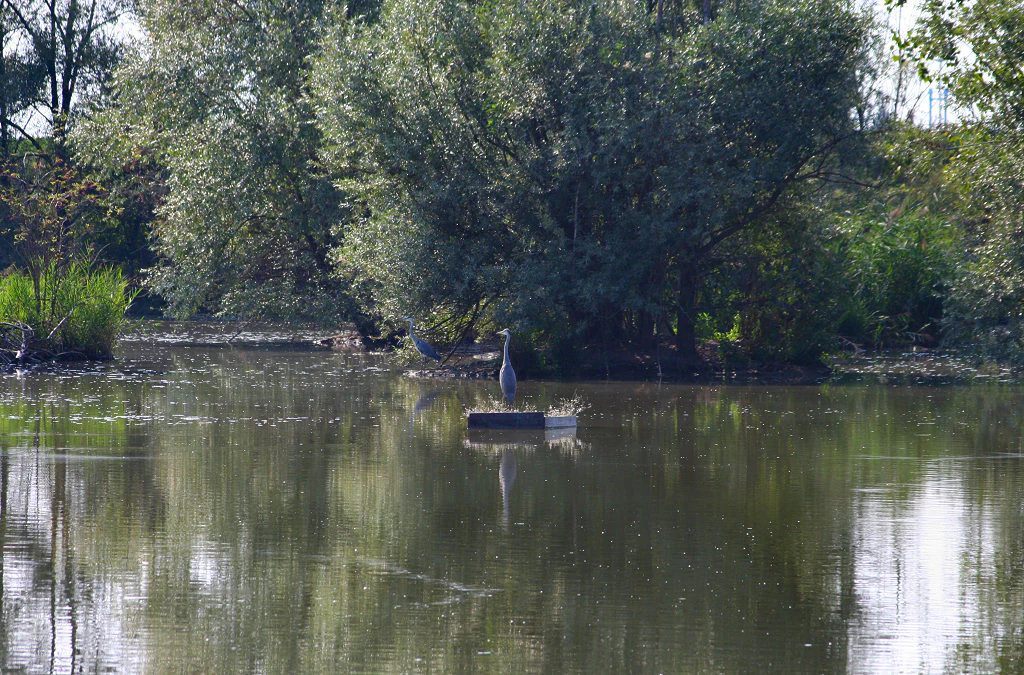
Open water, reed-fringed pools, and periodically flooded meadows dominate the wetland core, while spring pools, or fontanili, contribute cooler, more stable microhabitats. Riparian woodland lines portions of the canals and embankments, and patches of wet meadow and rough vegetation add structural diversity. The result is a lowland wetland landscape that, although modest in elevation, displays considerable variation in water depth, vegetation, and exposure.
Riserva naturale di Torrile e Trecasali ecosystems, habitats, and plant life
Ecologically, the reserve functions as a refuge for wetland and riparian habitats that have largely disappeared from the surrounding agricultural landscape. The freshwater pools support submerged plant communities including hornwort and spiked water milfoil, while the water's edge and shallows are colonized by common reed and broadleaf cattail. These plant communities in turn shelter invertebrates, fish, and amphibians that form the base of the reserve's food web.
Woodland along the canals and embankments is dominated by pedunculate oak, with white and black poplars, alders, willows, and ashes sharing the waterlogged soils. This riparian forest provides nesting sites, cover, and foraging habitat for woodland birds and acts as an important buffer between open water and surrounding farmland. The combination of aquatic, marshland, meadow, and forest habitats in a single small area gives the reserve an unusually high ecological value relative to its size.
Riserva naturale di Torrile e Trecasali wildlife and species highlights
The reserve's wildlife profile is dominated by birds, with more than 250 species recorded. The black-winged stilt is the emblem of the site, reflecting the role of the species in triggering the original protection effort. Herons form a particularly important component of the bird community, with breeding colonies of grey herons, night herons, squacco herons, great egrets, and little egrets, supplemented by purple herons and cattle egrets feeding in the shallows.
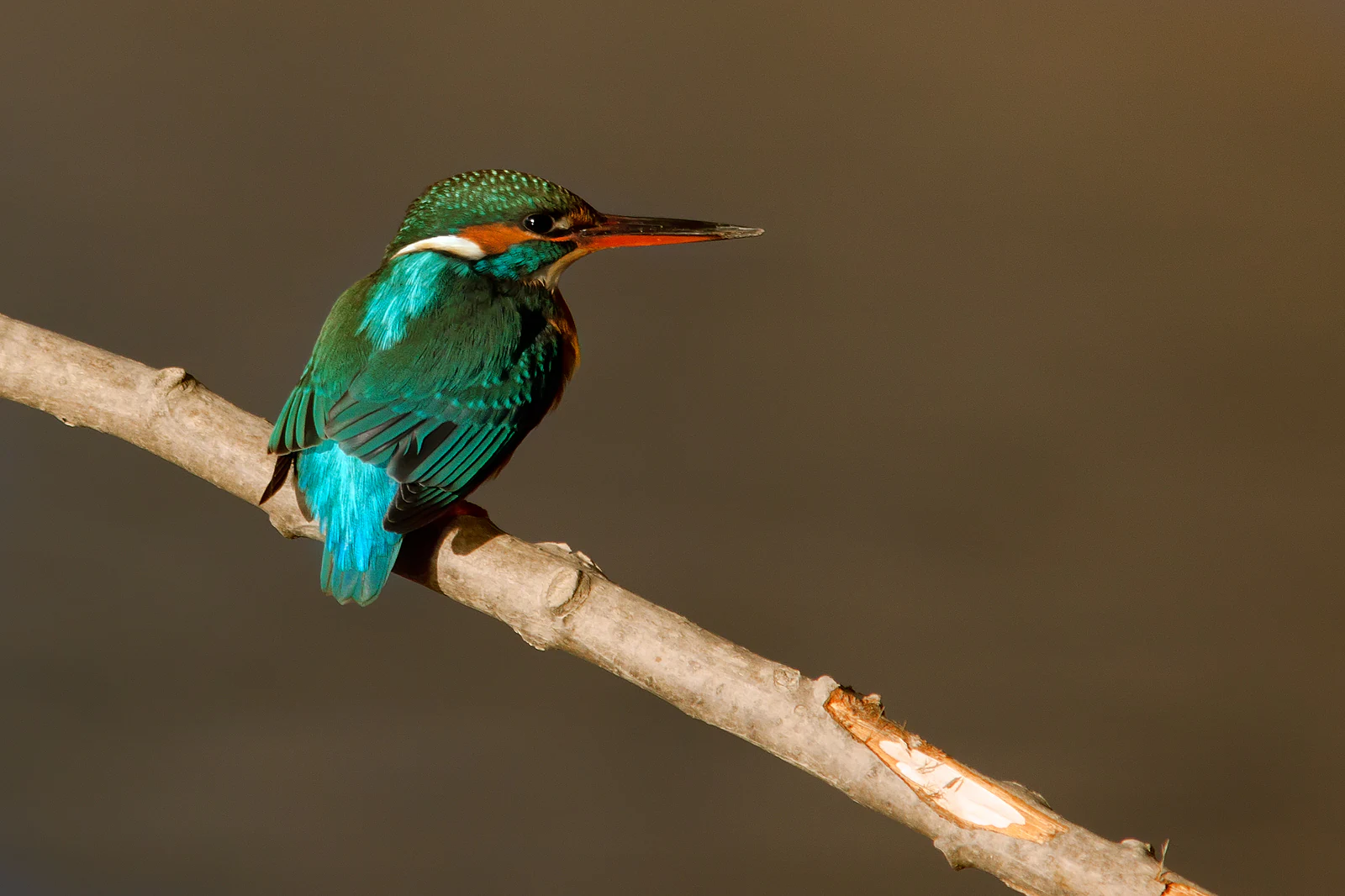
Ducks are abundant and visible throughout much of the year, including northern shoveler, garganey, common pochard, Eurasian wigeon, ferruginous duck, gadwall, northern pintail, mallard, tufted duck, common shelduck, and common coot. Waders such as snipe, ruff, curlews, dunlins, and golden plovers frequent the muddy margins, while cormorants, common kingfishers, and various woodpeckers and reedbed passerines occupy other parts of the habitat. Sacred ibises have become established in recent years, reflecting dynamic changes in the local waterbird community.
Because the reserve lies on one of Europe's main migratory routes, seasonal visitors enhance the resident fauna during spring and autumn passage, bringing additional waders, tern-like species, and migratory ducks. This seasonal turnover reinforces the reserve's value as a stopover site for long-distance migrants moving between northern breeding grounds and African wintering areas.
Riserva naturale di Torrile e Trecasali conservation status and protection priorities
The reserve is significant from a conservation standpoint because it preserves a high-quality wetland complex within one of Italy's most intensively cultivated regions. Its inclusion in the Natura 2000 network, as a Special Protection Zone under the European Birds Directive, reflects its importance for both resident and migratory species. Recognition as an Important Bird Area further underscores its role in international bird conservation frameworks.
Management by LIPU brings national-level expertise in bird protection, including monitoring of breeding populations, habitat management of water levels and vegetation, and engagement in wildlife rehabilitation, as illustrated by the release of rehabilitated herons and spoonbills at the original inauguration. The reserve also functions as a demonstration site for integrating protection, ecological restoration, and public access in a working agricultural landscape, making it a notable example of small-scale but high-impact conservation in the Po Plain.
Riserva naturale di Torrile e Trecasali cultural meaning and human context
The cultural context of the reserve is closely tied to the agricultural and industrial character of the lower Po Valley. The site's origin in cooperation with a sugar factory highlights the role of industrial partnerships in Italian conservation, while the inclusion of the historic fontanili of Viarolo connects the reserve to the traditional irrigation landscape that has shaped the plain around Parma for centuries. The site carries regional identity as a well-known LIPU oasis and a familiar destination for birdwatchers, students, and naturalists from Parma and beyond.
Top sights and standout views in Riserva naturale di Torrile e Trecasali
The reserve stands out for combining a compact area with an extraordinarily rich bird community, anchored by the black-winged stilt and a thriving heron colony. Its position on a major migratory flyway adds a strong seasonal dimension, making the spring and autumn passage periods particularly rewarding for visitors. Accessible infrastructure, including a visitor center, observation tower, and accessible trails leading to hides, makes a wide range of habitats approachable even for those with limited mobility.
Best time to visit Riserva naturale di Torrile e Trecasali
The reserve offers different experiences across the seasons. Spring and autumn are typically the most rewarding periods for birdwatching, as migratory species pass through and breeding activity peaks, while winter brings large numbers of ducks and other waterfowl to the unfrozen pools. Summer is generally quieter in terms of species diversity but provides opportunities to observe breeding herons, stilts, and other resident species in stable conditions. Visiting during the cooler parts of the day, especially in warmer months, also increases the chances of close encounters with wildlife.