Why Saadani National Park stands out
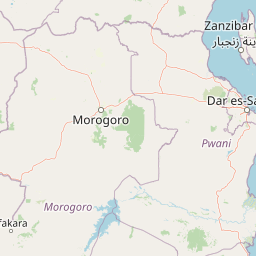
Saadani National Park is best known as Tanzania's only coastal national park, a distinction that defines its entire identity and ecological character. The park is celebrated for supporting four of Africa's famous Big Five wildlife species: lions, African bush elephants, Cape buffaloes, and leopards. The combination of savanna landscapes with direct ocean frontage creates unusual wildlife viewing opportunities where visitors can observe animals against a backdrop of beach and mangrove environments. The Wami River delta within the park provides additional habitat diversity, supporting hippos and crocodiles in its waters while attracting water-associated bird species to its banks. The park's relative youth as a formal national park, combined with its coastal setting, makes it distinct among Tanzania's more established inland protected areas.
Saadani National Park history and protected-area timeline
The conservation history of Saadani stretches back to the late 1960s when the village of Saadani and its sub-village of Uvinje invited the Tanzania Wildlife Division to assist in addressing widespread wildlife depletion in the area. This collaboration led to the establishment of the Saadani Game Reserve, with formal agreements that respected the land rights of coastal sub-villages including Uvinje and Porokanya while addressing wildlife conservation needs. For decades, this arrangement maintained a working relationship between local communities and wildlife authorities, with village residents traditionally supporting conservation efforts. The transformation of the reserve into a national park began in the late 1990s when Tanzania National Parks Authority officials sought to upgrade the protected status, ultimately resulting in the park's official gazettment in 2005. However, this transition brought significant challenges, as the boundary expansion to include prime coastal lands led to disputes with local villages over land rights. The formal establishment of Saadani National Park marked it as Tanzania's first coastal national park, but the process of creating the park has left unresolved tensions with adjacent communities that continue to influence management approaches.
Saadani National Park landscape and geographic character
The physical landscape of Saadani National Park presents a distinctive combination of inland terrain transitioning directly to coastal environments within a relatively compact protected area. The park encompasses dry savanna plains characterized by acacia woodlands and open grassland areas that dominate the interior sections. The Wami River flows through the park, creating a permanent watercourse that cuts across the savanna before reaching the ocean, bringing seasonal floodplains and riparian vegetation zones that add habitat diversity. Towards the coast, the landscape shifts to include mangrove forests along tidal channels and estuarine areas, with the river delta opening to beaches and shallow marine environments. This progression from dry woodland through riverine zones to mangrove and beach creates a visual and ecological gradient unusual among East African protected areas. The coastal position also means the park includes small islands and exposed shoreline sections that add further topographic variation to the landscape.
Saadani National Park ecosystems, habitats, and plant life
The ecological character of Saadani reflects its unique position at the transition between inland savanna and coastal ecosystems. The savanna portions support typical East African woodland vegetation with scattered acacia species, grass cover that varies with seasonal rainfall, and transitional woodland patches. The Wami River corridor introduces riparian forest elements with larger trees and denser vegetation along the water's edge, providing different habitat conditions from the surrounding savanna. The coastal zone features mangrove communities that tolerate tidal inundation and brackish water, creating specialized marine-influenced habitats that support distinct species assemblages. This ecological mixing means the park can support species from both terrestrial and coastal contexts, increasing overall biodiversity value. The variety of habitat types within a single protected area also supports ecological resilience, as different species can utilize different zones according to seasonal conditions.
Saadani National Park wildlife and species highlights
Saadani National Park supports a diverse wildlife community that includes four of Africa's celebrated Big Five species: lions, African bush elephants, Cape buffaloes, and leopards. The park's elephant population represents an important coastal population for the species in Tanzania, while lion populations have been recognized as a distinct conservation unit since the area gained protected status. Beyond the large predators and megaherbivores, the park supports substantial populations of giraffes including the Masai subspecies, various antelope species such as Lichtenstein's hartebeest, waterbuck, blue wildebeest, and both common and red duikers. The primate community includes yellow baboons, vervet monkeys, blue monkeys, and colobus monkeys, while smaller mammals include mongooses, genets, porcupines, warthogs, and the small dik-dik antelopes. The Wami River supports hippopotamus and Nile crocodile populations, with aquatic species utilizing the permanent water source. This combination of savanna wildlife with river and coastal species creates a notably diverse fauna community for a relatively young protected area.
Saadani National Park conservation status and protection priorities
Saadani National Park represents Tanzania's sole coastal national park, giving it unique conservation significance within the country's protected area system. The park's designation in 2005 as IUCN Category II protected status brought formal recognition to coastal ecosystems that had previously lacked this level of protection in Tanzania. The inclusion of the Wami River system adds freshwater conservation value to the coastal and savanna protection, as river systems serve as important corridors for wildlife movement and provide critical water sources during dry seasons. The park's lion population has been formally recognized as a Lion Conservation Unit, acknowledging its role in protecting viable populations of this species. However, the park faces significant conservation challenges, including substantial increases in poaching activity in recent years and difficulties in gaining support from adjacent communities for anti-poaching efforts. The land tenure disputes that emerged from the park's establishment have complicated relationships with traditionally conservation-minded villages that previously maintained the area as a game reserve.
Saadani National Park cultural meaning and human context
The cultural context of Saadani National Park is significantly shaped by the history of local community involvement in the area's conservation and the subsequent land disputes that emerged from its elevation to national park status. The villages of Saadani, Uvinje, and Porokanya have traditional connections to the coastal lands that now fall within the park boundaries, with the Saadani village in particular maintaining historical ties to the shoreline areas. The establishment of the original Saadani Game Reserve in the 1960s was a collaborative effort initiated by local communities seeking to address wildlife depletion, demonstrating a tradition of environmental stewardship among area residents. The transition to national park status brought boundary changes that incorporated traditional village lands into the protected area, leading to ongoing disputes over land rights and compensation. These tensions highlight the complex relationship between conservation designations and traditional land use in coastal Tanzania, where community territorial connections run deep and where the benefits and costs of protection are unevenly distributed.
Top sights and standout views in Saadani National Park
Saadani National Park's primary distinction lies in being Tanzania's only coastal national park, offering wildlife viewing in a setting where savanna animals can be observed against beach and ocean backgrounds. The presence of four Big Five species, including significant elephant and lion populations, provides the classic East African wildlife experience within a relatively accessible coastal location. The Wami River adds aquatic interest, supporting hippo and crocodile populations that can be observed from river-based activities. The park's position along the Indian Ocean coast offers coastal scenery and beach access uncommon among Tanzania's inland national parks, making it distinctive for visitors seeking combined wildlife and beach experiences. The park also represents one of Tanzania's more recently established national parks, offering a relatively less-visited alternative to older and more famous protected areas.
Best time to visit Saadani National Park
Saadani National Park can be visited year-round, though the dry season generally offers optimal conditions for wildlife viewing. The park experiences bimodal rainfall with long rains from March to June and short rains from October to December, while the dry months of February and July typically provide the most reliable wildlife sightings as animals concentrate around remaining water sources. Peak temperatures reach around 29 degrees Celsius during the warmest periods. The dry season months allow easier movement through the savanna areas and better visibility for wildlife observation, though the park retains its attractiveness throughout the year due to its diverse habitats. Visitors interested in combining wildlife viewing with beach activities will find the coastal setting accessible across seasons, though the dry months generally provide more consistent conditions for outdoor activities.