
Trip Timing
Choosing the Best Time to Visit Skeleton Coast National Park
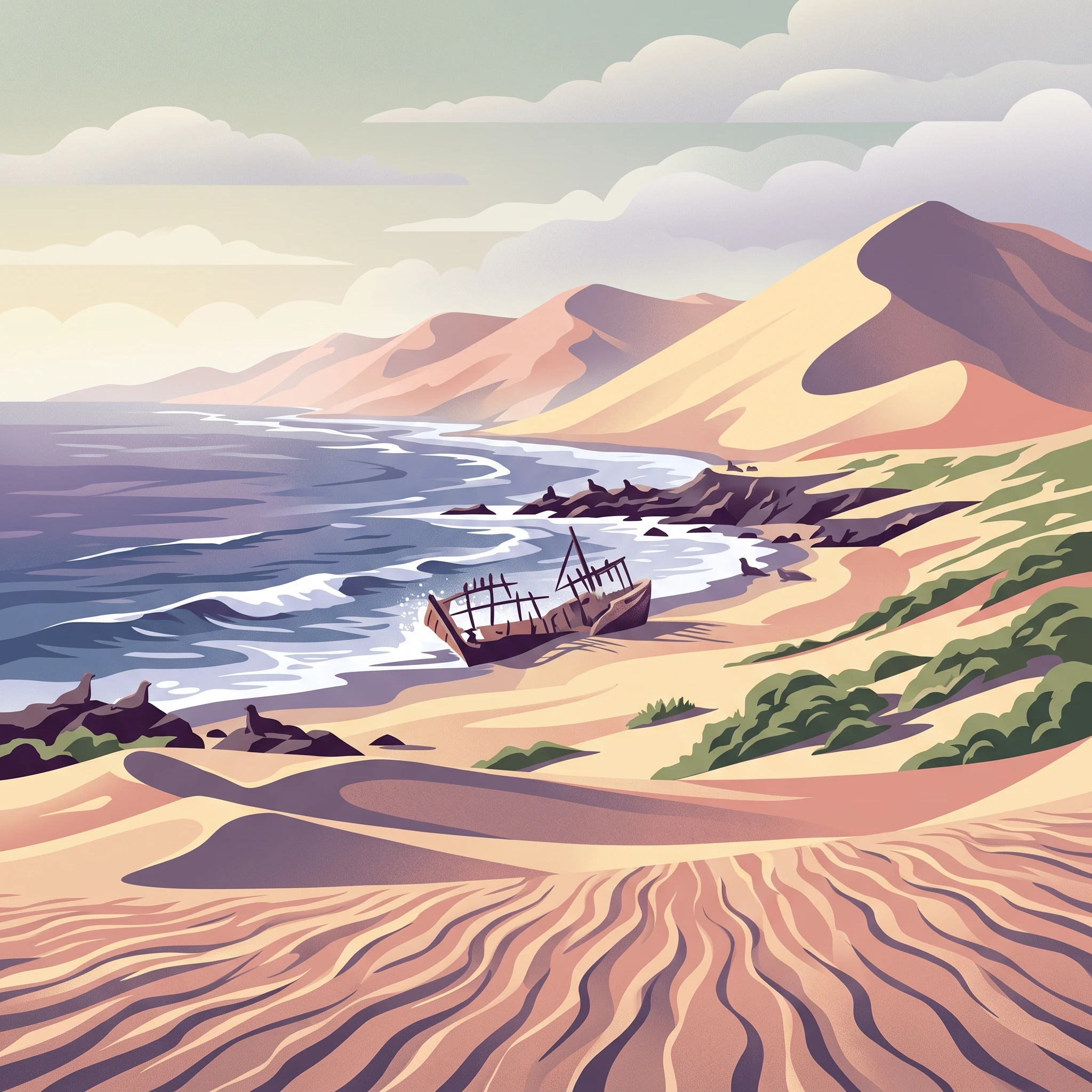
Determining the best time to visit Skeleton Coast National Park involves navigating a profound atmospheric contradiction between the searing heat of the Namib Desert and the chilling influence of the Benguela Current. While there is no singular month that satisfies every traveller, the decision typically hinges on how much you value clear visibility against the desire to avoid the persistent, heavy coastal fog that defines this shoreline. For most, the most rewarding time to visit falls within the cooler, drier months from May to September, when the skies are more likely to break, offering the classic, stark views of dunes sweeping into the Atlantic.
The Trade-off of Coastal Climate
Your experience will be primarily shaped by the interaction between inland desert temperatures and the maritime air. During the warmer summer months from December through March, you may encounter significant humidity and the iconic Skeleton Coast fog, which can linger for days, drastically reducing visibility and creating a damp, grey environment. While the temperatures may seem more moderate on paper, the fog creates a chilling effect that shifts the experience from a desert adventure to a moody, atmospheric encounter with a maritime wasteland. Conversely, the transition months of April, May, and September often provide a middle ground, offering more reliable daylight hours and a higher probability of sun-drenched landscapes without the extreme temperature spikes seen in the deep interior of the desert.
Prioritizing Visibility and Wilderness Access
Because the park spans such an immense and remote area, the timing of your visit should also be weighed against your intended mode of exploration. If your focus is on the accessible southern reaches, you have more flexibility regarding climate, as you can retreat to inland accommodation if the fog becomes too heavy. However, if your trip involves the fly-in northern sectors or remote wilderness expeditions, the timing becomes more critical. High wind speeds, which tend to fluctuate throughout the year, can occasionally impact light aircraft operations, making the selection of a period with more stable weather patterns essential for consistent travel plans. By focusing on the interplay between the moisture-laden ocean air and the arid coastal dunes, you can align your visit with the environmental conditions that best match your desire for either the surreal, fog-shrouded wilderness that made this coast legendary, or the sharp, expansive clarity of the desert sun.
Seasonal Planning
Best Months to Visit Skeleton Coast National Park for Different Travel Goals
Balancing Visibility and Temperature in the Dry Season
The most requested window for visiting the Skeleton Coast is the period between May and September. This window is characterized by lower humidity levels and significantly reduced rainfall, which frequently creates the clearest viewing conditions of the year. Travelers prioritizing desert photography and the iconic vistas of dunes meeting the Atlantic will find this the most consistent period for long-range visibility. However, this clarity comes with the trade-off of cooler daily averages. During July and August, mean temperatures drop to their annual lows, and you should expect brisk, often windy conditions that require multiple layers, even in the middle of the day. This period suits those who are comfortable with desert cold and prioritize the stark, unclouded aesthetic of the Namibian coastline.
Navigating the Humid and Warmer Summer Months
From November through March, the park experiences higher humidity and warmer overall mean temperatures. While daytime maximums can climb significantly, particularly in the shoulder months of April and May, the summer season is often defined by the persistent, dense coastal fog that provides the park with its unique, haunting atmosphere. For visitors seeking the classic, moody experience of the Skeleton Coast,where shipwrecks emerge from a grey, shifting mist,this period is the most representative. The trade-off here is the higher risk of fog obscuring your view, which can limit photography and general navigation across the landscape. The humidity remains consistent, and while precipitation totals stay low, the moisture-heavy air makes the temperature feel quite different from the arid, inland Namibian heat.
Transitional Windows for Variable Interests
For travelers looking to balance the extremes, the shoulder months of April and October often serve as functional compromise periods. In April, the maximum temperatures are still quite warm, nearing their peak, yet the humidity begins to taper off as the transition toward the drier winter months begins. Conversely, October offers a similar bridge between the late-winter chill and the incoming warmth of the summer season. These months can be less predictable in terms of specific daily weather, but they often provide a middle ground for those wanting to avoid the biting cold of mid-winter or the persistent, heavy fog of the peak summer months.
When timing your visit, consider your primary objective: if you require clear skies for spotting shipwrecks or seal colonies from a distance, lean toward the winter months of June, July, and August. If you prefer a more moderate ambient temperature and are drawn to the ethereal, fog-bound character of the coast, look toward the transitional months or the early summer period. Remember that these patterns are based on long-term climate normals and daily conditions can shift rapidly due to the interaction between the cold Benguela current and the warm desert air.
Annual Climate Overview
Skeleton Coast National Park Temperature and Weather Patterns by Month
Navigating the Influence of the Atlantic Current
The climate of Skeleton Coast National Park is primarily defined by the cold Benguela Current, which runs parallel to the Namibian coastline. This marine influence creates a consistent pattern of cool, fog-laden air that acts as a significant moderator of temperature. While inland areas of Namibia may experience extreme desert heat, the coastal strip remains locked in a unique, temperate regime. Readers should note that these long-term climate normals, based on data from 1991 to 2020, provide a baseline for typical conditions but do not serve as a local weather forecast for specific travel dates. Actual conditions on the ground depend heavily on proximity to the shoreline and the precise movement of maritime air masses.
Patterns in Temperature and Thermal Variation
Temperature fluctuations along the coast follow a distinct annual rhythm, though they remain remarkably tempered compared to the deep desert interior. The coldest average minimum temperatures occur between July and September, with monthly averages dipping toward the 10-11 degrees Celsius range. This period aligns with the height of the dry season, where the contrast between the chilling ocean breeze and the intense sun can be significant during midday hours. Conversely, the transition into the summer months brings a subtle warming trend. From January through March, average maximum temperatures typically hover in the mid-to-high 20s, with March often recording the highest mean temperatures. Despite these higher figures, the persistent coastal wind and high humidity levels mean that the heat rarely feels stifling in the way it does in the arid interior, providing a more stable environment for visitors throughout the year.
Humidity and the Coastal Fog Phenomenon
The park is characterized by high relative humidity, which is a direct consequence of the cold Atlantic waters meeting warmer air masses. Throughout the year, humidity levels frequently remain above 75 percent, especially during the summer months. This persistent moisture contributes to the dense coastal fog that is a defining feature of the park, often rolling in during the night and early morning. Visitors should expect this fog to reduce visibility and keep temperatures cool, even when inland sunlight is intense. While the humidity percentages appear consistent across the year, the perceived impact is most noticeable when paired with the annual wind patterns, which can shift the density and reach of the fog inland.
Daylight, Wind, and Seasonal Persistence
Daylight hours follow the southern hemisphere cycle, with the longest periods of light occurring in December and January, offering over 13 hours of daylight. In contrast, June and July represent the shortest periods with roughly 10.8 to 11 hours of available light. Wind speeds remain a constant factor throughout the year, with averages typically ranging between 4 and 5 meters per second. This wind is not merely a seasonal occurrence but a defining environmental constant that impacts how the climate feels at any given time. Because the park experiences negligible rainfall throughout the year, with most months recording less than 1 millimeter per day on average, the primary environmental variables for a visitor to track remain wind intensity, the thickness of the morning fog, and the resulting thermal sensation of the air.
Seasonal Weather Patterns
Understanding Seasonal Transitions and Climate Cycles in Skeleton Coast National Park
The Influence of the Benguela Current on Local Seasons
The climate of the Skeleton Coast does not adhere to the traditional four-season model found in temperate regions. Instead, the annual cycle is dictated by the interaction between the cold Benguela Current and the heat of the Namib Desert. This interaction produces a specific, repeating pattern of coastal fog and thermal variation. Rather than experiencing distinct spring, summer, autumn, and winter, visitors encounter two primary environmental phases that shift based on humidity, wind, and temperature shifts.
The Dry and Clear Phase: May through September
The period from May to September marks the most stable environmental phase of the year. During these months, the persistent coastal fog is at its minimum, and the cooling influence of the Atlantic is most consistent with the desert environment. This window sees higher wind speeds and lower temperatures, providing the clearest visibility across the dunes. Travelers often find this the most comfortable time for exploration, as the lack of oppressive heat makes trekking through the dunes and visiting the remote shipwrecks more manageable. Humidity levels begin to drop toward their annual minimum in June and July, creating a crispness in the air that is rarely found in the later months. The lack of precipitation remains a constant factor throughout the year, but the absence of fog-induced dampness during this phase fundamentally changes how the landscape feels to a visitor.
The Humid and Warmer Transition: October through April
Starting in October, the park enters a transition toward higher humidity and warmer temperatures that persist until April. This period is not a classic rainy season, as total precipitation remains negligible by international standards. Instead, it is a period of atmospheric change where the interaction between the cold sea and the warming desert leads to more intense and persistent coastal fog. This fog can often hang over the shoreline for much of the day, creating a thick, ethereal atmosphere that defines the coastal experience.
December, January, and February represent the height of this thermal cycle. Temperatures during the day reach their peak, yet the relative humidity frequently remains above 80 percent, which can make the air feel heavy. Unlike the clear, wind-swept days of the winter months, these summer-aligned months are characterized by a sense of enclosure within the fog. The transition months of October and April serve as buffers where the climate shifts gradually from the cool clarity of the mid-year to the warm, humid conditions of the peak summer months. Visitors should anticipate that during this extended warm phase, the intense, high-contrast vistas of the dunes may be obscured by the marine layer, offering a different, moodier perspective on the desert-marine interface.
Visitor Experience
Seasonal Changes in Landscapes and Wildlife Viewing
Environmental Influence on Coastal Exploration
The ability to explore the shoreline of Skeleton Coast National Park is fundamentally dictated by the interplay between the cold Benguela Current and the resulting coastal fog. During the warmer months from October through March, when mean temperatures trend toward 20 degrees Celsius and higher, the dense, pervasive fog bank often persists well into the afternoon. While this creates the park's characteristic haunting aesthetic, it can significantly reduce visibility along the coastline, affecting the ability to spot historical shipwrecks or appreciate the scale of the dunes as they meet the Atlantic. Visitors aiming to photograph the stark contrast between the desert and the sea should prioritize the drier, clearer months between May and September, when fog dissipation tends to occur earlier in the day, potentially extending the window for visual exploration.
Seasonal Wildlife Observation and Shoreline Dynamics
Wildlife viewing, particularly at the established seal colonies, is a year-round activity but is moderated by the environmental shift between the seasons. The cooler months, specifically June through August, offer more comfortable temperatures for outdoor movement along the beaches, as daily maximums are generally lower and the wind-chill factor is balanced by the lack of extreme heat. These cooler, drier conditions make the exposed walking required to reach certain viewpoints or coastline areas more manageable. In contrast, during the warmer peak of March and April, when maximum temperatures can reach into the low thirties, the physical demand of navigating dune landscapes or spending prolonged periods outdoors increases, necessitating careful consideration of hydration and sun exposure.
Timing for Specialized Desert Activities
For those interested in the unique desert-marine ecosystem, including the delicate lichen fields that thrive on the coastal mist, the seasonal moisture regime is the primary variable. These organisms are highly dependent on the regular, nightly fog that defines the park's climate, regardless of the time of year. However, the intensity of this moisture is not uniform. The relative humidity remains high throughout the year, consistently exceeding 70 percent in most months. While the drier winter months offer higher visibility, the moisture-dependent flora remains a constant feature of the landscape. Surf angling, a significant activity along this stretch of coastline, is supported throughout the year, but anglers should note that the wind speeds, which average around 4 to 5 meters per second, are relatively consistent. Localized sea conditions, which directly impact the success and safety of coastal activities, change based on regional maritime weather rather than just inland temperatures. As such, visitors should always verify current conditions, as these climate patterns represent long-term trends rather than immediate, real-time indicators for specific recreational outings.
Visitor Priorities
Optimizing Your Skeleton Coast National Park Visit Based on Personal Priorities
Prioritizing Clearer Skies and Visibility for Desert Exploration
If your primary goal is to photograph the stark contrast between the desert dunes and the cold Atlantic, the months of May through September offer the most reliable window. This period aligns with a significant drop in relative humidity and the lowest average daily precipitation, which correlates with more consistent breaks in the dense coastal fog. Because the Skeleton Coast is defined by its atmospheric gloom, visiting during these months provides the greatest statistical likelihood of seeing the coastline under direct sunlight. The trade-off is the ambient temperature, as this is also the park's coldest time of year. Travelers prioritizing clear visual conditions should be prepared for chilly mornings and nights, requiring layers that can manage significant shifts in temperature throughout the day.
Seeking Milder Temperatures for Coastal Hiking
For those who prefer walking or exploring the beach and dune environments, the transition months of April and October often strike a functional middle ground between the intense cold of mid-winter and the stifling, humid heat of late summer. During April, for instance, maximum temperatures begin to rise as the peak of the summer heat recedes, yet the extreme humidity associated with the core summer months has not yet fully settled in. While this window does not guarantee a complete absence of fog, it generally offers longer daylight hours compared to the winter months, allowing for more expansive exploration without the biting wind chill that defines the July and August periods. Visitors choosing this window trade the absolute clarity of the winter months for a more moderate, temperate experience that is less physically demanding during long hours outdoors.
Navigating the Summer Heat and Atmospheric Mood
Visitors motivated by the unique, moody, and ethereal qualities of the Skeleton Coast,often sought for its hauntingly desolate aesthetic,might find the warmer summer months from November through March most aligned with their expectations. During this time, the park frequently experiences higher temperatures and increased relative humidity, which sustains the thick, lingering fog that often obscures the horizon. While this atmosphere can make landscape photography more challenging due to limited visibility, it enhances the park's legendary, otherworldly character. The primary compromise during this period is the combination of higher temperatures and persistent dampness, which can create a heavy, sticky climate that is less suited for strenuous activity. This season is less about visibility and more about experiencing the park as an environment defined by its own inhospitable climate, where the fog and the heat act as tangible barriers between the visitor and the landscape.
Access and Logistics
Seasonal Access and Operational Logistics for Skeleton Coast National Park
Access to Skeleton Coast National Park is fundamentally defined by its extreme isolation and a strict binary division between the southern and northern sectors. The southern third of the park, stretching from the Ugab River mouth to the area near Terrace Bay, allows for independent vehicle travel, provided visitors adhere to designated routes. Beyond the northern gate at Terrace Bay, the wilderness becomes restricted. Access to this northern expanse is generally limited to fly-in arrangements or guided tours. Because these logistical requirements are subject to change, travelers must confirm current operational statuses and entry permit regulations with the Ministry of Environment and Tourism or authorized tour operators well in advance of their trip dates.
Routes and Vehicle Requirements
Driving within the park requires careful preparation due to the remote desert environment and the specific terrain of the coast. Only 4x4 vehicles are permitted for land-based exploration of the park's interior and shoreline. Standard road vehicles may be sufficient to reach the entrance gates, but they are generally unsuitable for traversing the gravel paths and shifting sands that characterize the coastal tracks. The two primary land entry points are the Ugab River gate in the south and the Springbokwasser gate on the eastern border. Road conditions can fluctuate significantly based on recent weather, particularly after periods of fog or wind-driven sand accumulation. Before setting out, ensure you consult official park authorities regarding the current state of these entry roads.
Permitting and Administrative Requirements
Entry to the park is not spontaneous. A valid permit is mandatory and must be secured from designated Ministry of Environment and Tourism offices or Namibia Wildlife Resorts outlets. These offices are typically located in urban centers such as Windhoek and Swakopmund. It is advisable to obtain your permits before departing for the park to avoid being turned away at the gates. If you plan to engage in recreational activities, such as shore angling, additional specific permits are required. Please verify the current fee structures and the specific documentation needed for your vehicle and group size, as these policies may be updated by park administration at any time.
Seasonal Considerations for Logistics
While the park is technically open throughout the year, the physical ease of access can be influenced by the climate. During the foggy summer months, visibility on the roads can drop significantly, affecting travel speeds and navigational safety. Conversely, the clearer winter months may offer more consistent visibility for drivers, though this is a general pattern rather than a guarantee of road status. Regardless of the season, all visitors must treat the park as a remote environment where self-sufficiency and reliance on official, up-to-date information are essential.
Safety and Preparation
Seasonal Safety and Climate Preparation for Skeleton Coast National Park
Adapting to Temperature and Moisture Extremes
Visitors must prepare for a climate defined by volatility, where the influence of the cold Benguela Current creates a stark contrast between coastal chill and inland heat. Throughout the year, you should expect significant daily temperature fluctuations, particularly when moving between the oceanfront and the interior dunes. While inland areas can experience high daytime temperatures, the coast often remains shrouded in a dense, cool mist. Packing for this destination requires a layering strategy rather than a focus on specific seasonal clothing. Bringing garments that accommodate both damp, cool conditions and intense, dry heat ensures you remain comfortable regardless of where the coastal fog settles during your trip.
Navigating Fog and Reduced Visibility
Persistent sea mist is a consistent feature of the Skeleton Coast, though it reaches different levels of intensity throughout the year. This atmospheric moisture impacts visibility for both driving and photography. When planning your routes, recognize that morning fog is a common occurrence that may significantly slow your progress through the park. Drivers should always be prepared for rapid changes in visibility and ensure their vehicles are equipped for varying road conditions. If you are travelling during the more humid summer months, expect this fog to be a near-constant companion, whereas the drier winter months generally offer better opportunities for clearer views of the distant landscape and shipwrecks.
Preparing for Remote Wilderness Conditions
Beyond the weather, the primary logistical challenge is the extreme isolation of the region. Because the park offers limited to no support services, you must be self-sufficient throughout your stay. This means carrying adequate supplies to manage your personal health and safety without relying on nearby infrastructure. Ensure you have the necessary supplies to manage sun exposure, which remains a factor even on overcast or misty days, as well as the dehydration risks inherent in an arid desert environment. Since terrain ranges from soft sand to gravel tracks, always verify the status of your route with park authorities at the entry gates, as shifting dunes and weather-related damage can alter path accessibility without warning.
Staying Informed Through Official Channels
Conditions within the park can change quickly, rendering climate averages insufficient for day-to-day planning. Always check current weather forecasts and official park alerts before departing. Information regarding road conditions, permit requirements, and seasonal access limitations is subject to adjustment by the local authorities. You must prioritize current guidance from the park management over general climate expectations when making daily travel decisions. Always ensure your communication devices are functional and that you have shared your itinerary with a reliable contact, as the lack of cellular coverage is a standard feature of this remote territory.
Trip Strategy
Deciding the Right Time to Visit Skeleton Coast National Park
Navigating the Trade-offs of Your Visit
Determining the right time to reach this remote Namibian coastline requires balancing your tolerance for persistent coastal fog against your desire for clearer, cooler exploration conditions. Because the park is heavily influenced by the cold Benguela Current, the environment creates a predictable, binary seasonal cycle that dictates the character of your experience. Choosing a travel date is not about finding a single perfect month, but rather aligning your personal preferences with the specific atmospheric and visual outcomes you hope to witness.
If your primary goal is landscape photography, shipwreck exploration, or active desert transit, the clearer skies found between May and September offer the most reliable conditions. During these months, the reduction in coastal humidity and the prevalence of consistent sunshine allow for greater visibility across the dunes and sea. However, this period coincides with lower morning temperatures, necessitating careful preparation for thermal shifts. Travelers aiming for this window should be prepared for the characteristic wind patterns, which remain a factor year-round but can feel more biting during these cooler months.
Alternatively, if you are drawn to the moody, ethereal atmosphere of the Skeleton Coast, the transition months of April and October provide a middle ground, often featuring moderate temperatures that balance the extremes of both the humid, foggy summer and the drier, colder winter. For visitors focusing on wildlife, such as the major seal colonies, the timing of your visit should be weighed against the specific activity cycles of those populations, which often remain consistent regardless of the shifting fog layers. Remember that regardless of the month you choose, the park environment remains unforgiving and requires total self-sufficiency.
Before finalizing your travel plans, treat the provided climate normals as broad indicators rather than predictive forecasts. Localized weather events can deviate significantly from annual averages, and park accessibility is frequently subject to changing road conditions and official permit requirements. Always cross-reference your preferred dates with current operational reports from Namibia Wildlife Resorts or relevant park authorities. By prioritizing these current, verified logistical details alongside your seasonal preference, you can ensure your visit matches the unique and often unpredictable rhythm of this protected desert wilderness.