Mori Atlas logo
Nature reserveUroczyska Puszczy Zielonki

Mapping the postglacial mosaic of lakes, wetlands, and lowland forests in the Poznan Lake District

Uroczyska Puszczy Zielonki: A Protected Natura 2000 Landscape in Greater Poland Voivodeship

(PLH300058)

Uroczyska Puszczy Zielonki represents a vital Natura 2000 network of four ecologically linked enclaves within the Greater Poland Voivodeship. This protected area preserves a complex mosaic of eutrophic lakes, postglacial meltwater channels, and diverse deciduous forest habitats. The terrain encompasses the Trojanka river valley, the distinct Czarne lakes channel, and the prominent Dziewicza Góra woodland, providing an essential green buffer for regional biodiversity.

Natura 2000Special Area of Conservationlowland forestoak-hornbeam forestacidophilous oak forestriparian forest

Uroczyska Puszczy Zielonki

Nature reserve

Park overview

Structured park overview, official facts, and landscape profile for Uroczyska Puszczy Zielonki

Uroczyska Puszczy Zielonki park facts, protected area profile, and essential visitor context

Review the core facts for Uroczyska Puszczy Zielonki, including designation, size, terrain, visitor scale, habitats, and operating context in one park-focused overview.

About Uroczyska Puszczy Zielonki

Uroczyska Puszczy Zielonki is a habitat-focused Natura 2000 site of roughly 1,496 hectares set inside the broad Puszcza Zielonka forest complex north-east of Poznań. Geographically it belongs to the Poznań Lake District, a region shaped by the last glaciation whose topography is dominated by moraine hills, meltwater channels, kettle-hole depressions, and shallow postglacial lakes. These features give the site a striking alternation of forested ridges, water-filled basins, and open wetland fragments within a relatively small area.

The protected footprint is intentionally designed as four connected enclaves rather than a single reserve, a structure that allows different habitat types to be managed as a coherent ecological network. The Trojanka river valley component anchors a chain of four eutrophic lakes, Głęboczek, Głębocko, Leśne, and Worowskie, surrounded by wet woodlands. The Lake Bolechowskie enclave adds a sizeable open-water lake ringed by oak-hornbeam forest, while the eastern Huta Pusta block preserves a compact stand of acidophilous oak woodland. The postglacial channel of the Czarne lakes (Małe Czarne, Duże Czarne, Kociołek, and Pławno) carries the distinctive geological signature of glacial meltwater, and the Dziewicza Góra area introduces grąd forest, acidophilous oak forest, and species-rich meadows into the same network.

Ecologically the site is significant because it concentrates a wide range of Annex I habitat types in one Polish lowland location, from hard-water oligo-mesotrophic lakes with stonewort beds and natural eutrophic lake vegetation through Molinia and Arrhenatherion meadows, transitional and alkaline peatlands, and tufa-forming calcareous fens, to central-European oak-hornbeam forests, acidophilous oak forests, riparian alder-ash forests, and large-scale oak-elm-ash floodplain woodland. This combination makes the area a key reservoir for habitat diversity in central Wielkopolska and an important refuge for species associated with old deciduous forest and wetland complexes. Four nature reserves, Jezioro Czarne, Jezioro Pławno, Żywiec Dziewięciolistny, and Las Mieszany w Nadleśnictwie Łopuchówko, sit within or overlap the area and add a layer of stricter protection on top of the Natura 2000 designation.

Beyond its conservation role, the site is also a notable green space adjacent to the Poznań metropolitan area, offering a forested buffer between suburban communes and the wider Puszcza Zielonka landscape. Its proximity to a large population, combined with the ecological richness of its enclaves, gives it a dual identity as both a working biodiversity protection area and a regionally important recreational landscape.

Quick facts and research context for Uroczyska Puszczy Zielonki

Uroczyska Puszczy Zielonki (site code PLH300058) is a Polish habitat-focused Natura 2000 site within the Puszcza Zielonka Landscape Park in the Greater Poland Voivodeship. It lies in the Poznań Lake District (Pojezierze Gnieźnieńskie), northeast of Poznań, and spans parts of the communes of Pobiedziska, Czerwonak, and Murowana Goślina.

The site covers approximately 1,496 hectares and was designated on 1 March 2011. Its four main enclaves combine eutrophic lakes, a postglacial meltwater channel, oak and oak-hornbeam forests, and meadows around Dziewicza Góra. Within the site sit four nature reserves: Jezioro Czarne, Jezioro Pławno, Żywiec Dziewięciolistny, and Las Mieszany w Nadleśnictwie Łopuchówko.

Protection and recognition

Documented terrestrial protection scope, designation history, and official recognition sources

Uroczyska Puszczy Zielonki Protection Status and Natura 2000 Designation

Uroczyska Puszczy Zielonki features a documented terrestrial protection status established in 2011 alongside official Natura 2000 recognition sources. Detailed conservation records outline the designated management scope and recognized international framework details for the area.

International recognition

Protection details

Protection scope
Terrestrial
Designated year
2011
Transboundary protection
No
Park context

Deeper park guide and search-rich context for Uroczyska Puszczy Zielonki

Uroczyska Puszczy Zielonki history, landscape, wildlife, and travel context

Explore Uroczyska Puszczy Zielonki through its history, landscape character, ecosystems, wildlife, conservation priorities, cultural context, and seasonal travel timing in a structured park guide built for atlas discovery and search intent.

Why Uroczyska Puszczy Zielonki stands out

Uroczyska Puszczy Zielonki is best known for its richly varied lake-forest mosaic within easy reach of Poznań, including several distinct eutrophic lake basins, a classic postglacial meltwater channel with the Czarne lakes, and substantial tracts of oak-hornbeam and acidophilous oak forest. The site also stands out for its concentration of peatland and wetland habitat types, from tufa-forming calcareous fens to Molinia meadows, which support characteristic amphibians such as the fire-bellied toad as well as European beaver and European otter.
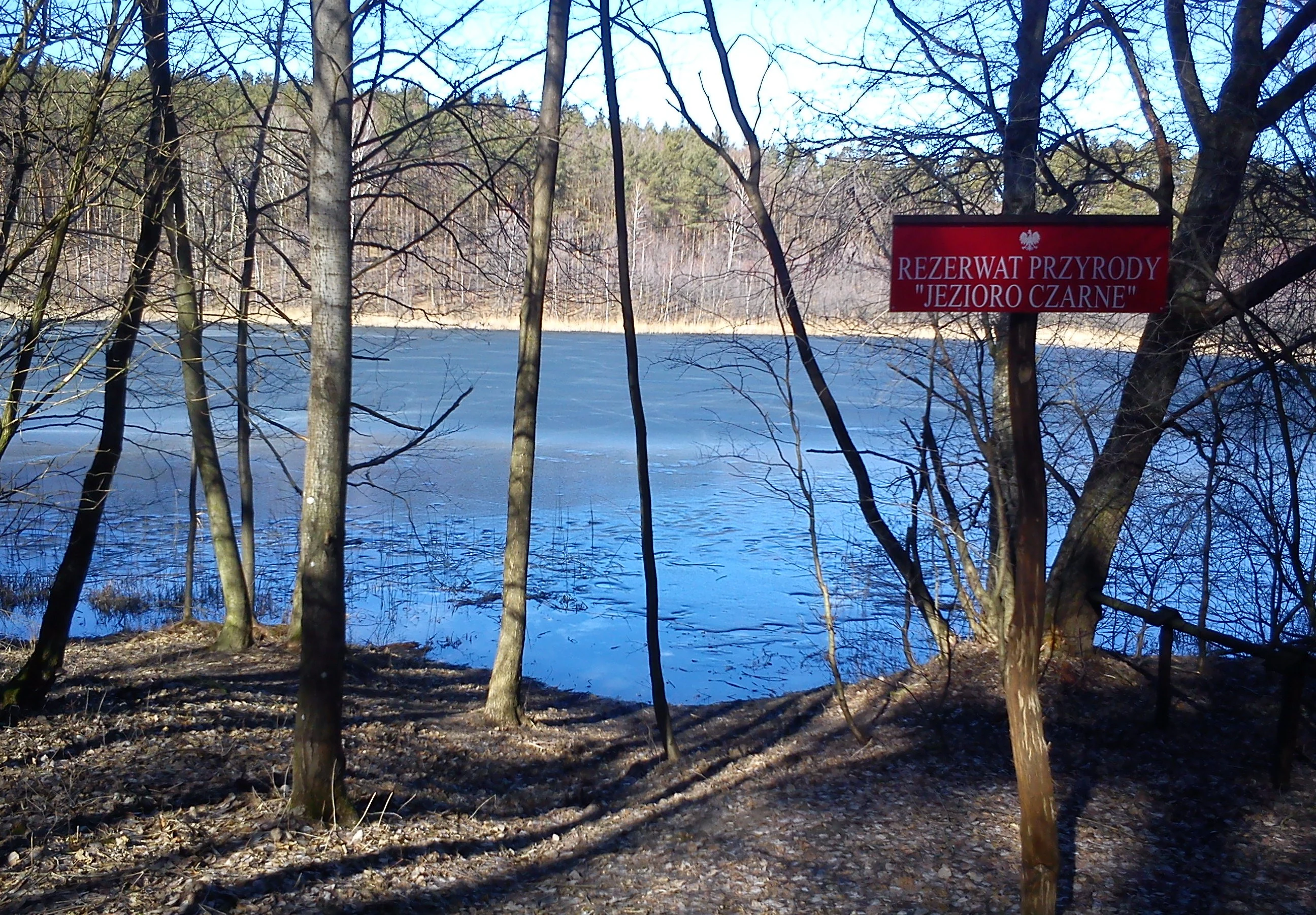
A red rectangular sign with white text hanging on a tree overlooking a calm lake surrounded by a forest.
A sign marking the Jezioro Czarne nature reserve within Uroczyska Puszczy Zielonki.

Uroczyska Puszczy Zielonki history and protected-area timeline

Uroczyska Puszczy Zielonki was formally designated on 1 March 2011 as a Special Area of Conservation (Specialny Obszar Ochrony Siedlisk) within the European Natura 2000 network. Its creation reflected a broader Polish effort in the early 2010s to formalize habitat-focused protection for forest and wetland complexes in the Wielkopolska region, building on the existing framework of the Puszcza Zielonka Landscape Park that already covered much of the surrounding area.

The site's current configuration draws together landscape features and ecological values that had previously been recognized at the national level through individual nature reserves, including Jezioro Czarne, Jezioro Pławno, Żywiec Dziewięciolistny, and Las Mieszany w Nadleśnictwie Łopuchówko. By bundling these reserves together with additional forest and lake enclaves into a single Natura 2000 site, the designation extended habitat-focused legal protection across a much larger and more connected area, and linked Polish forest and wetland conservation practice with EU-level obligations for habitat and species protection.

Uroczyska Puszczy Zielonki landscape and geographic character

The landscape of Uroczyska Puszczy Zielonki reflects the glacial origins of the Poznań Lake District. The most visually distinctive feature is a postglacial meltwater channel (rynna polodowcowa) occupied by the chain of Czarne lakes along with Kociołek and Pławno. This channel runs through forest and is flanked by moraine slopes, giving the area steep wooded banks descending to dark, sheltered water.

Around it the terrain shifts between drier forested heights and lower, flatter ground. The Trojanka valley brings a gentler fluvial landscape with a sequence of eutrophic lakes with reed and water-lily communities. Lake Bolechowskie forms another broad open-water basin, while the eastern enclave east of Huta Pusta stands on higher, drier ground dominated by oak forest. Dziewicza Góra adds a prominent hill with mixed deciduous forest and meadows on its flanks, completing a landscape that alternates lakes, fens, woodland, and moraine in a relatively compact footprint.

Uroczyska Puszczy Zielonki ecosystems, habitats, and plant life

Ecologically the site is defined by the close coexistence of forest and wetland habitats. Deciduous woodland types are especially important: central-European and subcontinental oak-hornbeam forests (Galio-Carpinetum, Tilio-Carpinetum), acidophilous oak woodlands (Quercion robori-petraeae), riparian willow-poplar-alder forests, and large-scale oak-elm-ash floodplain forests all appear within the protected boundaries. Together these forests preserve much of the natural deciduous tree cover that once dominated the Wielkopolska lowlands.

Wetland and aquatic habitats are equally central. The lakes include hard-water oligo- and mesotrophic basins underwater stonewort meadows, and a broader set of natural eutrophic lakes, oxbow-type waters, and pondweed or water-lily communities. Peatland habitats add a further layer, with transitional mires, alkaline fens of tufa-forming character, and Molinia-dominated wet meadows alternating with more extensive Arrhenatherion meadows. The result is a habitat mosaic in which water-filled basins, open fens, wet woodland, dry oak forest, and species-rich meadows all occur within a single Natura 2000 site.

Uroczyska Puszczy Zielonki wildlife and species highlights

Wildlife interest in the area centers on species tied to old deciduous forest and to clean, well-vegetated wetland systems. The fire-bellied toad is one of the park's signature amphibians, breeding in the small shallow pools and lake margins of the area. Aquatic and semi-aquatic mammals are also well represented, including the European beaver, whose dams and lodges are part of the wetland character of the site, and the European otter, which uses the lake chains and the Trojanka valley.

Among invertebrates, the large whiteface dragonfly (Leucorrhinia pectoralis) is recorded as a target species for the site's protection. The varied fish, amphibian, and dragonfly fauna reflect the diversity of lake and fen habitats present, while the extensive oak-hornbeam and acidophilous oak forests provide habitat for woodland-dependent invertebrates, birds, and small mammals typical of mature Polish lowland forest. The site's overall wildlife profile is shaped less by single charismatic species than by the coexistence of forest, wetland, and aquatic assemblages in a heavily populated region.

Uroczyska Puszczy Zielonki conservation status and protection priorities

Uroczyska Puszczy Zielonki is conservation-significant as a habitat-focused Natura 2000 site designed for the long-term protection of natural habitats and populations of threatened non-bird animal species. Its four-enclave design brings together forested and wetland areas that, while individually small, jointly represent many of the habitat types for which Poland carries EU-level protection responsibilities.

The site is particularly important because its habitat list spans water bodies with stonewort vegetation, natural eutrophic lakes, Molinia and Arrhenatherion meadows, transitional and alkaline peatlands, and a near-complete suite of deciduous forest types from acidophilous oak woodland to oak-elm-ash floodplain forest. This range of habitat types means that effective conservation here supports not only a wide set of plant communities but also the animal species, including fire-bellied toad, beaver, otter, and large whiteface dragonfly, whose long-term survival depends on safeguarding those habitats. The presence of four nature reserves within or overlapping the site adds a stricter national-level protection tier and reinforces the area's role as a long-term refuge for lowland biodiversity in central Wielkopolska.

Uroczyska Puszczy Zielonki cultural meaning and human context

The area sits within the traditional landscape of Wielkopolska, where forest commons, manorial estates, and small villages such as Huta Pusta have historically shaped the mosaic of woodland, meadow, and settlement that the Natura 2000 site now helps protect. The Puszcza Zielonka Landscape Park, a Polish landscape park, frames the broader cultural setting by recognizing the historical interplay between forest use, agriculture, and the conservation of lake and forest scenery north-east of Poznań. Small rural communes contribute to the cultural identity of the area, and traditional land use in meadows and small-scale forestry continues to influence the open and semi-open habitats that are part of the site's ecological value.

Top sights and standout views in Uroczyska Puszczy Zielonki

Highlights of the site include its four-enclave structure, which connects eutrophic lakes in the Trojanka valley, a distinct postglacial meltwater channel with the Czarne lakes, the larger Lake Bolechowskie basin, and oak-rich forest around Dziewicza Góra and Huta Pusta into a single Natura 2000 network. The site's habitat diversity is another key highlight, encompassing stonewort lakes, natural eutrophic lakes, transitional and calcareous peatlands, and a near-complete set of lowland deciduous forest types.

The presence of target species such as the fire-bellied toad, European beaver, European otter, and large whiteface dragonfly adds further distinct value, as does the layered protection provided by four nature reserves within or overlapping the site. Located northeast of Poznań, Uroczyska Puszczy Zielonki combines high habitat-level ecological significance with a regionally important role as a green buffer adjacent to one of Poland's larger urban areas.

Best time to visit Uroczyska Puszczy Zielonki

The site is most rewarding to experience across the warmer half of the year, when deciduous forest shows full leaf cover, forest birdlife is most active, and wetland margins around the lakes and fens are at their most biologically expressive. Late spring and early summer typically bring the richest display of meadow and peatland flora around the Dziewicza Góra meadows and the Trojanka valley lakes, while early autumn can highlight wildlife activity along the wetland fringes and the postglacial channel.

Winter and shoulder seasons shift the visual character of the area toward bare-branched deciduous forest, frozen lake surfaces, and quieter observation conditions, but the core conservation significance of the area is broadly evergreen, since habitat quality, water levels, and ecological character do not depend on a single season. Visitors interested in particular species such as amphibians or dragonflies will generally find the late spring and summer months most rewarding, while forest scenic views and a calmer atmosphere are typical of the colder half of the year.

Monthly climate preview

Trace long-term representative temperature ranges and precipitation rhythms across the protected landscape.

Uroczyska Puszczy Zielonki Climate Normals and Annual Temperature Patterns

Historical monitoring data records measured annual fluctuations in monthly temperature and precipitation at a representative elevation of 86 meters within Uroczyska Puszczy Zielonki. Examining the complete twelve-month climatology profile provides deeper analytical context on long-term regional weather patterns.
Annual mean9 °C
-2 °C20 °C
Jan-2°
Feb-1°
Mar
Apr
May14°
Jun18°
Jul20°
Aug20°
Sep15°
Oct
Nov
Dec-1°
Warmest month
July

19.8 °C

Coolest month
January

-2.2 °C

Wettest month
July

2.5 mm/day

Driest month
April

1.1 mm/day

Park location guide

Geography guide, regional context, and park location map for Uroczyska Puszczy Zielonki

Uroczyska Puszczy Zielonki park geography, regions, and map view in Poland

Understand where Uroczyska Puszczy Zielonki sits in Poland through a broader geographic reading of the surrounding landscape, nearby location context, and its mapped position within the national park landscape.

How Uroczyska Puszczy Zielonki fits into Poland

Poland, officially the Republic of Poland, is a Central European country spanning from the Baltic Sea in the north to the Carpathian Mountains in the south. It borders Germany, Czech Republic, Slovakia, Ukraine, Belarus, Lithuania, and Kaliningrad Oblast. The country has a temperate climate, diverse landscapes, and is known for its rich history, cultural heritage, and strong economic position within the EU.

Wider geography shaping Uroczyska Puszczy Zielonki in Poland

Poland occupies 312,696 km2 in Central Europe, extending from the Baltic Sea coast in the north to the Sudetes and Carpathian Mountains in the south. It borders Germany to the west, Czech Republic and Slovakia to the south, Ukraine and Belarus to the east, and Lithuania and Kaliningrad Oblast to the northeast. The landscape includes lowland plains, uplands, and mountain ranges.

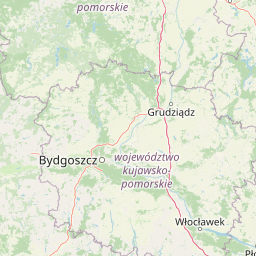
Map view of Uroczyska Puszczy Zielonki

Use this park location map to pinpoint Uroczyska Puszczy Zielonki in Poland, understand its exact geographic position, and read its mapped placement within the surrounding landscape more clearly.

Pigeon | © OpenStreetMap contributors

Location context for Uroczyska Puszczy Zielonki

Greater Poland Voivodeship
Recorded earthquake history

View Historical Earthquake Records for Uroczyska Puszczy Zielonki

Consult the MoriAtlas catalogue of historical seismic events located near Uroczyska Puszczy Zielonki. Access precise event data including magnitude, date, and geographic proximity to this protected forest and lake mosaic in the Greater Poland Voivodeship.

Uroczyska Puszczy Zielonki Earthquake History

Catalogued events

8 events

Strongest magnitude

Magnitude 3.8

Most recent event

Aug 11, 1997

This history includes earthquakes recorded inside the park or within 50 km of its borders

Examine the postglacial channels, forest enclaves, and wetland habitats of this Polish protected area

Uroczyska Puszczy Zielonki Photos and Landscapes: Visual Explorer

Visual documentation reveals the complex mosaic of oak-hornbeam forests, eutrophic lakes, and kettle-hole wetlands shaping the protected terrain. Detailed photography provides direct insight into the physical environment and habitat structure preserved across the enclaves.

A red rectangular sign with white text hanging on a tree overlooking a calm lake surrounded by a forest.

Park atlas

Compare adjacent forest complexes, glacial lake networks, and protected reserves.

Parks Near Uroczyska Puszczy Zielonki and Regional Protected Landscapes

Browsing other protected areas near Uroczyska Puszczy Zielonki reveals broader ecological connections across the Wielkopolska region. Comparing adjacent lowland forests and postglacial lake reserves expands regional conservation context.
A pale, delicate watercolor painting showing a quiet lake scene with marsh grasses in the foreground and a line of soft-colored trees along the horizon.
Nature reserveGreater Poland Voivodeship
Mapped location lies within the park boundary#1 closest

South

Rezerwat przyrody Jezioro Pławno: Glacial Lake and Wetland Reserve Mapping

Protected botanical landscapes in Greater Poland Voivodeship

Examine the mapped boundaries and natural terrain of Rezerwat przyrody Jezioro Pławno. This nature reserve protects distinctive peatland and aquatic habitats within the Gniezno Lake District, integrating seamlessly into the broader forest complex of the Puszcza Zielonka Landscape Park in west-central Poland.

Area
0.167 km²
Established
1978
A horizontal watercolor painting depicting a soft-toned landscape with a foreground pond, grassy banks with sparse trees, and hazy, layered hills in the background.
Nature reserveWielkopolska Voivodeship
About 6.7 km away#2 closest

Southwest

Rezerwat przyrody Meteoryt Morasko: Protected Crater and Forest Landscape in Wielkopolska

Geological reserve featuring impact craters and woodland habitats

Rezerwat przyrody Meteoryt Morasko encompasses a rare concentration of impact craters and post-glacial terrain near Poznań. The reserve protects diverse forest types, including oak-hornbeam and elm-ash systems, while preserving geological sites that offer insight into the region's ancient landscape formation and its modern natural preservation.

Area
0.543 km²
Established
1976
Relief
Upland
Climate
Temperate
A soft, abstract watercolor painting showing rolling green hills, distant mountains, and a field under a white sky.
Protected areaGreater Poland Voivodeship
8 km away#3 closest

Southeast

Ostoja koło Promna Protected Area: Geography, Lakes, and Forest Habitat Map

A detailed look at the postglacial lowland landscape of Wielkopolska

Ostoja koło Promna serves as a primary example of protected lowland hydrology and broadleaf woodland in the Greater Poland Voivodeship. Integrating three distinct nature reserves, the site preserves essential aquatic and forest-interior habitats for rare amphibians and waterbirds. This overview provides a structured geographic analysis of the terrain and ecological boundaries forming this significant protected zone.

Area
13.99 km²
Established
2011
Relief
Lowland
Scope
Terrestrial
Nature reserveGreater Poland Voivodeship
8.9 km away#4 closest

East

Stawy Kiszkowskie Nature Reserve: Mapped Geography and Protected Wetland Boundaries

Wetland ecosystems in Greater Poland Voivodeship

Located in the Mała Wełna river valley, Stawy Kiszkowskie acts as a sanctuary for migratory waterbirds and geese populations. This detailed geographic entry highlights the complex mosaic of shallow ponds, reedbeds, and xerothermic dike grasslands that define this protected area within the Polish landscape.

Area
4.775 km²
Established
2022
Relief
Lowland
Water
Major water bodies
National parkWielkopolska Voivodeship
19 km away#5 closest

Southwest

Wielkopolski Park Narodowy: Protected Glacial Landscapes and Regional Geography in Poland

Post-glacial moraine systems and lake basins

Wielkopolski Park Narodowy captures a dense collection of post-glacial landforms, from rolling moraine uplands to clear kettle lakes and esker ridges. This protected area offers a deep look into the geomorphological history of the Wielkopolska region through its varied forest habitats and preserved terrain.

Area
75.84 km²
Established
1957
Visitors
1.2M annual
Relief
Lowland
A horizontal watercolor painting depicting a wide river flowing through a lush landscape with distant rolling hills and a soft pink sky.
Nature reserveWielkopolska Voivodeship
20 km away#6 closest

South

Ostoja Rogalińska: Protected Nature Reserve and Glacial Terrain in Wielkopolska Voivodeship

Mapped riparian corridors, moraine ridges, and bird habitats.

Ostoja Rogalińska offers a detailed look at lowland glacial morphology, featuring twelve mapped lakes, wandering inland dunes, and the extensive Warta River floodplain. This protected area within Wielkopolska Voivodeship preserves ancient pedunculate oaks alongside diverse wetland and forest ecosystems, providing a clear geographic view of one of the region's most important Natura 2000 bird sanctuaries.

Area
217.63 km²
Established
2007
Relief
Lowland
Climate
Temperate
Watercolor painting of a tranquil, light-toned landscape featuring trees, grassy plains, a small stream, and rolling hills in the background.
Nature reserveGreater Poland Voivodeship
About 23 km away#7 closest

North

Rezerwat przyrody Dębina: A Protected Oak-Hornbeam Nature Reserve in Greater Poland

Ancient woodland and fluvial terrace geography

Rezerwat przyrody Dębina serves as a core protected reference site for natural lowland forest in western Poland. The reserve features a unique concentration of monumental three-hundred-year-old oaks, diverse fungal assemblages, and established grey heron colonies, set against the distinctive sandy-gravelly backdrop of the Wełna River terrace.

Area
0.313 km²
Established
1957
Relief
Lowland
Scope
Terrestrial
Nature reserveGreater Poland Voivodeship
About 26 km away#8 closest

Southeast

Rezerwat przyrody Modrzew Polski w Noskowie: Protected Landscape and Regional Atlas

Floristic nature reserve in Greater Poland Voivodeship

Rezerwat przyrody Modrzew Polski w Noskowie stands as a landmark for botanical conservation in central Europe. The reserve protects a population of Polish larch within the lowland pine forests of the Wrzesnia Plain, providing a critical example of regional ecological protection efforts that have expanded significantly since the mid-twentieth century.

Area
0.01 km²
Established
1954
Relief
Lowland
Scope
Terrestrial

Common questions about visiting, size, designation, and location context for Uroczyska Puszczy Zielonki

Uroczyska Puszczy Zielonki FAQs for park facts, access, geography, and protected area context

Find quick answers about Uroczyska Puszczy Zielonki, including protected-area facts, park geography, trail and visitor context, and how the park fits into its surrounding country and regional landscape.
MoriAtlas Explorer

Continue Your Protected Areas Search Across the Global Atlas

Deepen your exploration by continuing the structured search for national parks and protected areas worldwide. Utilize the comprehensive filtering capabilities to compare different conservation landscapes and refine your understanding of global park geography. Discover more about the distribution and characteristics of protected natural areas.

Global natural geography