
Mori Atlas logo
Park guides

Exploratory resources detailing the subpolar climate and glacial geography of this Chilean wilderness.

Comprehensive Guide Collection for Alberto de Agostini National Park in Magallanes

Access curated guides focused on the geography and environmental conditions of Alberto de Agostini National Park. These resources provide essential context on seasonal window variations and the dynamic glacial terrain characterizing this protected southern Andean landscape.

Related tags

glacial landscapesCordillera Darwinsubpolar foreststidewater glaciersPatagonian wilderness

Glacial wilderness at the southernmost tip of the Andes

Alberto de Agostini National Park

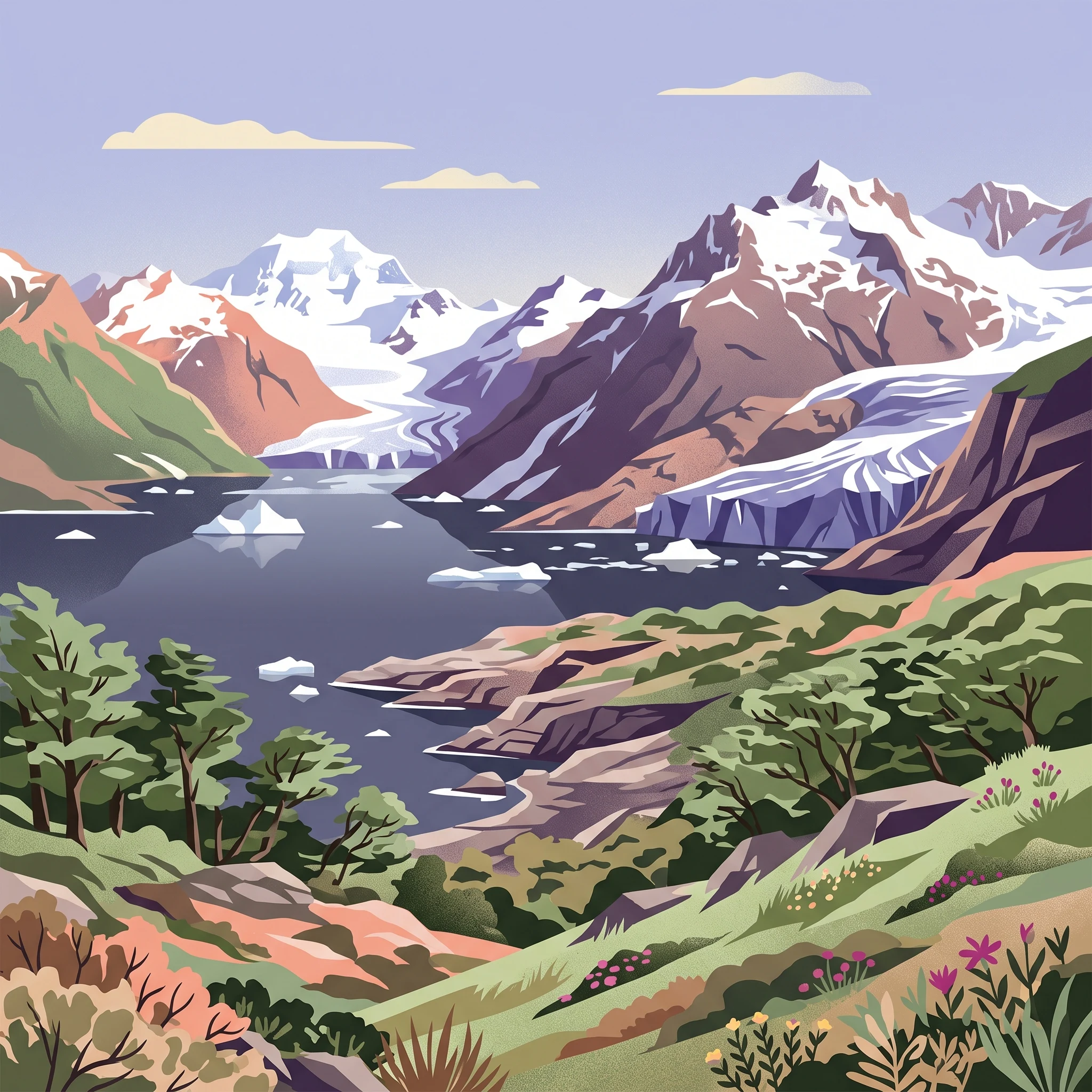
Alberto de Agostini National Park represents one of Chile's most significant protected wilderness areas, encompassing a vast territory of approximately 1.46 million hectares at the extreme southern tip of the continent. The park's defining geographic feature is the Cordillera Darwin, a mountain range whose peaks rise sharply from the sea, creating one of the most spectacular coastal mountain landscapes in the world. Monte Darwin reaches 2,488 meters elevation, while Monte Sarmiento stands at 2,404 meters, both dominating a landscape where glaciers descend directly to the water's edge through deep fjords. The park's coastline is highly irregular, deeply indented by fjords that include Agostini Fjord, Seno Pía, and the northwestern arm of the Beagle Channel. These glacial-carved valleys, now filled by the sea, create a labyrinthine waterways system that characterizes much of the park's marine environment. The park includes numerous islands, notably Gordon Island, Cook Island, Londonderry Island, and portions of Hoste Island, adding to the complexity of this maritime mountain landscape.

Location
Chile
Park type
National park
Established
1965
Area
14,600 km²
Highest point
2,488 m
Alberto de Agostini National Park Map
MoriAtlas Explorer

Continue Exploring Alberto de Agostini National Park's Glacial Terrain and Regional Geography

Delve deeper into the geography and protected landscape of Alberto de Agostini National Park. Understanding its unique subpolar environment, dramatic glacial features, and mapped terrain offers crucial insights for any atlas-driven exploration of Chile's southernmost protected areas. Discover the full geographic context and natural character of this significant national park.