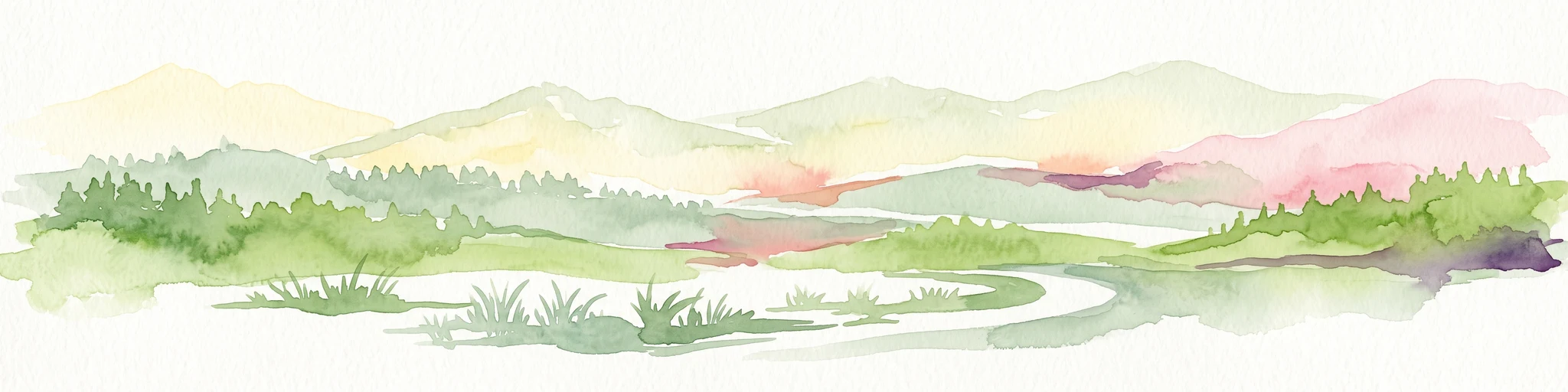
Why Bagholt Mose stands out
Bagholt Mose is most noted for its unusual mosaic of peatland habitats, where old peat cuttings, raised bog remnants, and edge fens combine to support a rare concentration of bog and fen species. The site is particularly recognized for its light-demanding lowland flora, including orchids, rare flowering plants documented from 1980s surveys, and a species-rich bryophyte community. The combination of nutrient-poor raised bog, nutrient-rich lagg communities, and chalk-influenced soils exposed by historical peat cutting gives the site its distinctive ecological character within the Danish Natura 2000 network.
Bagholt Mose history and protected-area timeline
Bagholt Mose originated as part of a much larger raised bog occupying part of the Munkeskov forest on southern Zealand. The historical record preserved on the site shows extensive peat cutting during the First World War and in the years that followed, when peat was removed as a domestic fuel and the original peat mass was largely excavated, leaving a network of peat cuttings across the former bog surface.
In the decades that followed peat cutting ceased, the old cuttings began to refill and revegetate, with floating and trailing bog communities gradually establishing in the rewetted areas. The combination of surviving raised bog fragments and these regenerating communities shaped the modern character of the site.
The area was first placed under Danish nature protection in 1985, and that protection was again confirmed by a formal ruling of the Overfredningsnævnet in 1987. The protected area covers approximately 17 hectares in total. The site has since been recognized internationally as part of the European Natura 2000 network, designated as habitat area number 159, Bagholt Mose.
Bagholt Mose landscape and geographic character
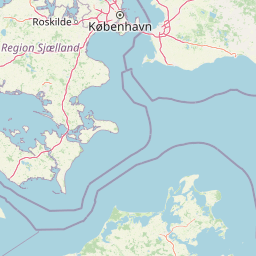
Bagholt Mose occupies a shallow basin within the Munkeskov forest, the geological and topographic setting in which the original raised bog developed. The basin itself still defines the broader landform context of the site, while within the basin the present-day surface is shaped by the historical patterns of peat cutting rather than by an undisturbed bog dome.
The dominant landscape features are the raised bog remnants and the network of old peat cuttings that cut across them. Where the peat cutter's spade or machine cut deeper than the remaining peat thickness, the underlying chalk-rich subsoil has been exposed at the surface. These cuts have responded differently to drainage, waterlogging, and revegetation, producing an uneven surface of bog hummocks, younger bog communities in rewetted cuttings, and locally flushed zones where calcareous groundwater or subsoil influences vegetation.
A drainage ditch runs through the bog area, carrying water away from other low-lying parts of the surrounding forest and from a nearby flat, or low, bog, and linking the different wetland elements of the wider Munkeskov landscape. Around the edge of the raised bog, in the lagg zone, the terrain transitions into wet woodland and fen communities dominated by alder. Outside the strictly bog-influenced area, the protected landscape continues into roughly five hectares of mixed forest bordering the open peatland, framing the open bog communities in a wooded setting.
Bagholt Mose ecosystems, habitats, and plant life
Bagholt Mose is ecologically defined by the coexistence of several distinct peatland community types within a small area. The site includes classic raised bog vegetation on the surviving peat remnants, where nutrient-poor conditions support typical raised bog flora. Alongside these remnants, the rewetted peat cuttings have developed younger bog communities in which trailing and floating vegetation is gradually rebuilding bog-like structure.
Around the outer edge of the raised bog, the lagg zone supports a contrasting set of wetland types. Nutrient-rich fen communities and alder carr woodland occupy the wetter, more mineral-influenced margins. Where historical peat cutting has exposed the underlying chalk-rich substrate, locally calcareous conditions have produced small areas with the character of extremely rich fen communities, sometimes known in Danish terminology as ekstremrigkær. Transitional poor fen and extremely poor fen communities complete the mosaic, linking the rich-fen edges to the raised bog interior and producing a continuum of peatland habitats unusual for such a compact site.
The flora is dominated by light-demanding lowland bog species adapted to the open, wet conditions of the surviving bog surface and the regenerating cuttings. A botanical survey from the 1980s documented around twenty rare and biotope-typical plant species from the site, and the bog has also supported a notably diverse moss flora. Several orchid species, including the spotted orchid, have been recorded on the site, together with a documented hybrid between two of these orchids, an indication of the unusual co-occurrence of multiple orchid species within the same habitat mosaic.
Bagholt Mose wildlife and species highlights
The wildlife profile of Bagholt Mose is shaped chiefly by its invertebrate and botanical communities rather than by large or charismatic vertebrates. The combination of nutrient-poor bog vegetation, nutrient-rich fen edges, and chalk-influenced microhabitats supports a varied community of specialist bog and fen invertebrates tied to particular plant hosts, and the open, wet structure of the regenerating cuttings provides habitat for dragonflies, moths, and other groups associated with open peatland.
The site is particularly meaningful for its botanical diversity, which underpins much of its conservation value. Rare flowering plants documented from 1980s surveys, several orchid species, and a species-rich moss flora collectively make the bog a notable site for plant rarity in the Zealand region. The documented hybridization between two orchid species present on the site is an indicator of the unusual co-occurrence of compatible orchid species within a small area.
The mix of open bog, alder carr along the lagg, and surrounding mixed forest also supports typical woodland and wetland birdlife of southern Zealand. While the site is not primarily recognized as a birding destination, the structural diversity of habitats within a compact area gives it value for species associated with open peatland, wet woodland, and forest edge.
Bagholt Mose conservation status and protection priorities
Bagholt Mose is valued in conservation terms for its combination of habitat diversity within a compact area, its role in the Danish Natura 2000 network, and its significance within the regional context of Zealand. The site was first placed under Danish nature protection in 1985, with a further ruling of the Overfredningsnævnet in 1987 confirming the protection over approximately 17 hectares. It is formally designated as habitat area number 159, Bagholt Mose, within the Natura 2000 network, recognizing its importance under the European Union Habitats Directive.
The conservation interest of the site centers on the rare combination of nutrient-poor raised bog, transitional poor fen and extremely poor fen communities, and extremely rich fen communities developed on chalk-rich subsoil. All of these habitats are priorities within European peatland conservation, and the close coexistence of such contrasting peatland types in one site increases its conservation value beyond what its modest size would otherwise suggest.
The site's protected status also addresses the legacy of historical peat cutting during and after the First World War. By formal protection and habitat area designation, ongoing management aims to allow natural regeneration processes in the old cuttings to continue, preserving the mosaic of bog fragments and revegetating peat cuttings as a single coherent peatland system embedded within the surrounding Munkeskov forest.
Bagholt Mose cultural meaning and human context
Although Bagholt Mose itself is a small natural site, its setting within the broader agricultural, forestry, and settlement landscape of southern Zealand gives it a clear cultural context. The surrounding Munkeskov forest, the nearby town of Haslev, and the wider region of southern Zealand, or Sydsjælland, all reflect a long history of human use of the landscape for farming, forestry, fuel cutting, and settlement. The peat landscape itself is part of this story: the extensive peat cutting of Bagholt Mose during and after the First World War reflects a period when domestic fuel scarcity drove small-scale, labor-intensive peat extraction across rural Denmark.
The site does not carry a strong indigenous, ritual, or built-heritage dimension, but the cultural layer most relevant to its present identity is the continuity between its historical human use, as a fuel source, and its modern role as a protected nature area. The transition of Bagholt Mose from a worked peatland to a protected bog mirrors the broader shift in Danish land management from extraction toward conservation in the late twentieth century.
Top sights and standout views in Bagholt Mose
One of Zealand's most valuable bog localities, with a rare concentration of distinct peatland community types within a small protected area. Notable for the combination of surviving raised bog fragments, regenerating peat cuttings, and chalk-rich fens exposed by historical peat cutting. Recognized for a rich flora that includes rare light-demanding bog plants, several orchid species, a documented orchid hybrid, and a species-rich moss community. Formally protected under Danish nature protection law and designated as habitat area number 159, Bagholt Mose, within the Natura 2000 network.
Best time to visit Bagholt Mose
Bagholt Mose is a lowland peatland in southern Zealand, with a temperate climate that supports open bog vegetation throughout much of the year. The spring and early summer months, roughly from May through early July, are typically the period when bog and fen flowering plants, including orchids, are easiest to observe, while late summer and early autumn bring a different expression of the site through seed heads, bryophyte growth, and more muted colors across the bog mosaic. As a small, ecologically sensitive site without extensive visitor infrastructure beyond its location within Munkeskov forest, broader seasonal weather conditions and ground conditions in the bog are more relevant to planning a visit than any specific event calendar. Visitors interested in bog flora will generally find the late spring through mid-summer period most rewarding, while those interested in the structural and moss diversity of the peatland may find the late summer and autumn equally appealing.