
Visitor Planning
When to Visit Bieszczady National Park: The Essential Timing Guide
Determining the best time to visit Bieszczady National Park requires balancing the lure of pristine wilderness against the realities of a high-altitude climate that remains volatile throughout the year. For the majority of travelers, the window extending from late spring through early autumn provides the most reliable conditions for accessing the park's iconic ridgeline trails and deep, old-growth beech forests. During this period, the landscape transitions from the verdant growth of May into the stable, warmer temperatures of mid-summer, before settling into the golden foliage typical of September.
Navigation of Mountain Climate Variables
Visitors should approach their timing by recognizing that elevation acts as the primary modifier of local weather. While valley temperatures may reach pleasant summer means, the high-altitude ridges of the Bieszczady mountains, including the prominent Połonina Caryńska and Połonina Wetlińska, frequently experience colder temperatures and significantly higher wind speeds. This elevation difference can reduce the felt temperature by ten degrees Celsius compared to lower elevations, meaning that even during the warmest months, hikers must prepare for sharp thermal shifts. Precipitation is a persistent factor that does not follow a strict dry season, with sudden, frequent rainfall and potential thunderstorms common during the warmer months.
Balancing Seasonal Trade-offs
Deciding when to visit depends heavily on your tolerance for these environmental transitions. The period from June through August offers the longest daylight hours, which are essential for those planning extensive treks along the E8 European walking route or searching for the park's diverse wildlife, such as brown bears and wolves. However, the warmer months also host the highest intensity of shifting mountain weather, where clear mornings can give way to heavy afternoon rain. Conversely, the shoulder months of late April and October provide a quieter, more solitary experience, though visitors must contend with colder, more unpredictable conditions and a significantly shorter window of daylight. Access to the most remote corners of this wilderness remains contingent on your ability to adjust to these atmospheric patterns rather than relying on a static window of ideal weather. Since the park is one of Europe's least populated mountain regions, your timing choice directly dictates the level of self-sufficiency required to safely navigate the vast, roadless stretches of the Eastern Carpathians.
Seasonal Planning
Best Months to Visit Bieszczady National Park at a Glance
The Peak Hiking Window: June to September
For travelers prioritizing high-altitude trail access and the full experience of the iconic alpine meadows, the period from June through September stands as the most stable window. During these months, the park experiences its highest mean temperatures, typically peaking in July and August. This window offers the longest daylight hours, which are essential for navigating the extensive ridge routes that define the Bieszczady landscape. The trade-off for these favorable conditions is the prevalence of summer weather volatility. Even in the warmest months, hikers should expect rapid, unpredicted shifts in conditions, including sudden afternoon thunderstorms that can roll across the open ridges without warning. Visitors choosing this window should prioritize gear capable of handling both warm, sunny intervals and abrupt drops in temperature.
Transition Periods for Wildlife and Solitude: May and October
Late spring and early autumn serve as distinct shoulder seasons that cater to those seeking a balance between accessibility and lower visitor concentrations. May brings the forest canopy to life, though mountain-top conditions remain cool, and high-elevation trails may still experience lingering snow or mud from the spring melt. It is a period of transition where the lower valleys become lush, but the exposed, high-altitude terrain requires careful planning due to lingering cold snaps. Conversely, October offers a different set of trade-offs. As the deciduous beech forests undergo dramatic color changes, the weather becomes significantly more crisp. While the humidity levels begin to drop, the risk of early winter storms increases, and daylight hours shorten noticeably compared to mid-summer. This period is ideal for photographers and those who prefer quieter trails, provided they accept the limitation of shorter days and the possibility of biting windchill on the summits.
Winter and Early Spring Considerations: November to April
Traveling between November and April shifts the visitor profile toward specialized mountain activities. This period is defined by high humidity and frequent cycles of freezing, making the higher ridges challenging to access safely. While the lower forest trails can provide atmospheric, quiet walks in the snow, the primary alpine areas often face severe wind conditions. Visitors during these months must be prepared for winter mountain safety protocols, as daylight hours are significantly reduced, particularly in December and January when the sun is up for just over eight hours. This is not the season for casual hiking or casual mountain exploration; rather, it is a window for those specifically seeking winter conditions who have the experience and technical equipment to navigate cold, potentially icy terrain where the felt temperature on the open ridges can plummet far below the ambient temperature recorded at lower elevations.
Annual Climate Overview
Temperature, Precipitation, and Daylight Trends in Bieszczady National Park
Interpreting the Annual Climate Cycle
Understanding the climate of Bieszczady National Park requires looking beyond simple averages, as the interaction between temperature, moisture, and daylight creates distinct conditions that fluctuate significantly throughout the year. The park, situated in a remote corner of southeastern Poland, experiences a climate that is fundamentally shaped by its topography. These long-term climate normals, representing observations at approximately 440 meters, offer a baseline for expected conditions but should not be taken as local forecasts. Visitors to higher elevations, such as the alpine meadows known as poloniny, should expect temperatures to be several degrees lower than these park-wide averages, with wind chill frequently reducing the perceived temperature by significant margins.
The Shift from Winter Cold to Spring Awakening
Transitioning out of winter involves a pronounced increase in daylight and a gradual rise in temperatures. January and December are the coldest months of the year, with average minimums often plummeting below negative 14 degrees Celsius. During these months, wind speeds are at their annual peak, averaging over 4.4 meters per second, which, combined with the limited daylight hours of just over eight hours, creates a harsh environment for any outdoor activity. As the calendar moves into March and April, the daylight hours extend rapidly toward 13.5 hours, providing a necessary precursor for the snowmelt cycle. While average maximums climb toward 20 degrees Celsius by April, the nighttime averages remain near or below freezing, underscoring the volatility typical of this mountain environment.
Peak Summer Conditions and Moisture Trends
June through August represents the warmest segment of the year, with average maximum temperatures consistently exceeding 27 degrees Celsius. July stands out as the warmest month, with an average mean temperature of 18.76 degrees Celsius and over 15 hours of daylight. Contrary to the assumption that summer implies dryness, these warmer months often align with higher precipitation levels. July records the highest average daily precipitation at 3.26 millimeters. This moisture availability is a critical factor in maintaining the park's lush beech forests and diverse alpine ecosystems, but it also means that summer visitors should be prepared for rapid weather shifts, including intense, sudden thunderstorms that are common in mountainous regions.
Autumnal Cooling and Increased Humidity
As the region enters the autumn season, daylight hours begin to decline noticeably, dropping from over 14 hours in August to just over 10 hours by October. While September remains relatively mild with a mean temperature of 13.33 degrees Celsius, the drop in temperature is sharp as the park approaches November. By this time, average relative humidity levels begin to climb significantly, moving from a summer low of approximately 69 percent in August to over 90 percent by November. This transition into higher humidity and lower wind resistance often results in foggy or overcast conditions that can linger in the lower valleys, even when the peaks above receive temporary sunshine. It is essential to recognize that these normals reflect long-term trends; specific, day-to-day weather can deviate substantially based on localized pressure systems and the unique funneling effects of the Carpathian terrain.
Seasonal Dynamics
Understanding Seasonal Climate Phases in Bieszczady National Park
Defining the Annual Climate Rhythm
Bieszczady National Park does not conform to a static four-season calendar. Instead, the climate is defined by two primary phases: a prolonged, stable period of growth and activity from late spring through early autumn, and an extended, volatile winter period that dominates the remainder of the year. This distinction is driven by the park's elevation and the consistent, year-round influence of moist air masses, which prevent the emergence of a truly dry season.
The Growing and Active Season: May through September
This core visiting window represents the most reliable period for accessing the alpine grasslands, or poloniny, and the dense beech forests. From May through September, temperatures regularly shift from cool spring beginnings to the year's warmest conditions in July and August. This phase is characterized by longer daylight hours and more stable access to the extensive trail network. However, visitors should expect significant variation even within these months. Rainfall is frequent throughout the year, but the warm summer months are often subject to sudden, intense thunderstorms. This period is the only time when the higher ridge trails are reliably clear of snow and ice, making it the primary window for those planning intensive hiking or long-range backpacking along the E8 route.
The Transitional Months: April and October
April and October function as volatile hinge points in the Bieszczady climate. These transition months rarely offer consistent weather, often acting as battles between receding winter conditions and the encroaching warmth of summer, or vice-versa in autumn. In April, the valleys may show signs of spring while the high ridges remain locked in cold, snow-covered cycles. Similarly, October brings a rapid shift where the lush autumnal foliage is often quickly eclipsed by dropping temperatures and shorter daylight. These periods require significant flexibility, as trail conditions can change within hours due to rapid temperature swings and the persistence of moisture that keeps ground levels muddy or icy well after the air temperature has risen.
The Extended Winter Phase: November through March
From November through March, the park enters a phase dominated by low temperatures, limited daylight, and high humidity. While snowfall is typical, the primary environmental challenge is the combination of cold and wind. At the altitude of the poloniny, wind speeds frequently amplify the cold, significantly reducing the felt temperature compared to the valley floor. During these months, the park shifts away from standard hiking activity. The trails become high-risk environments where snow cover, ice, and reduced visibility demand specialized winter navigation skills and equipment. Unlike the growing season, where the primary concern is managing sudden rain, the winter phase is defined by the necessity of managing sub-freezing temperatures and the potential for rapid atmospheric deterioration.
Seasonal Experiences
Experiencing the Bieszczady Wilderness Throughout the Seasons
Navigating the Alpine Połoniny Ridge Trails
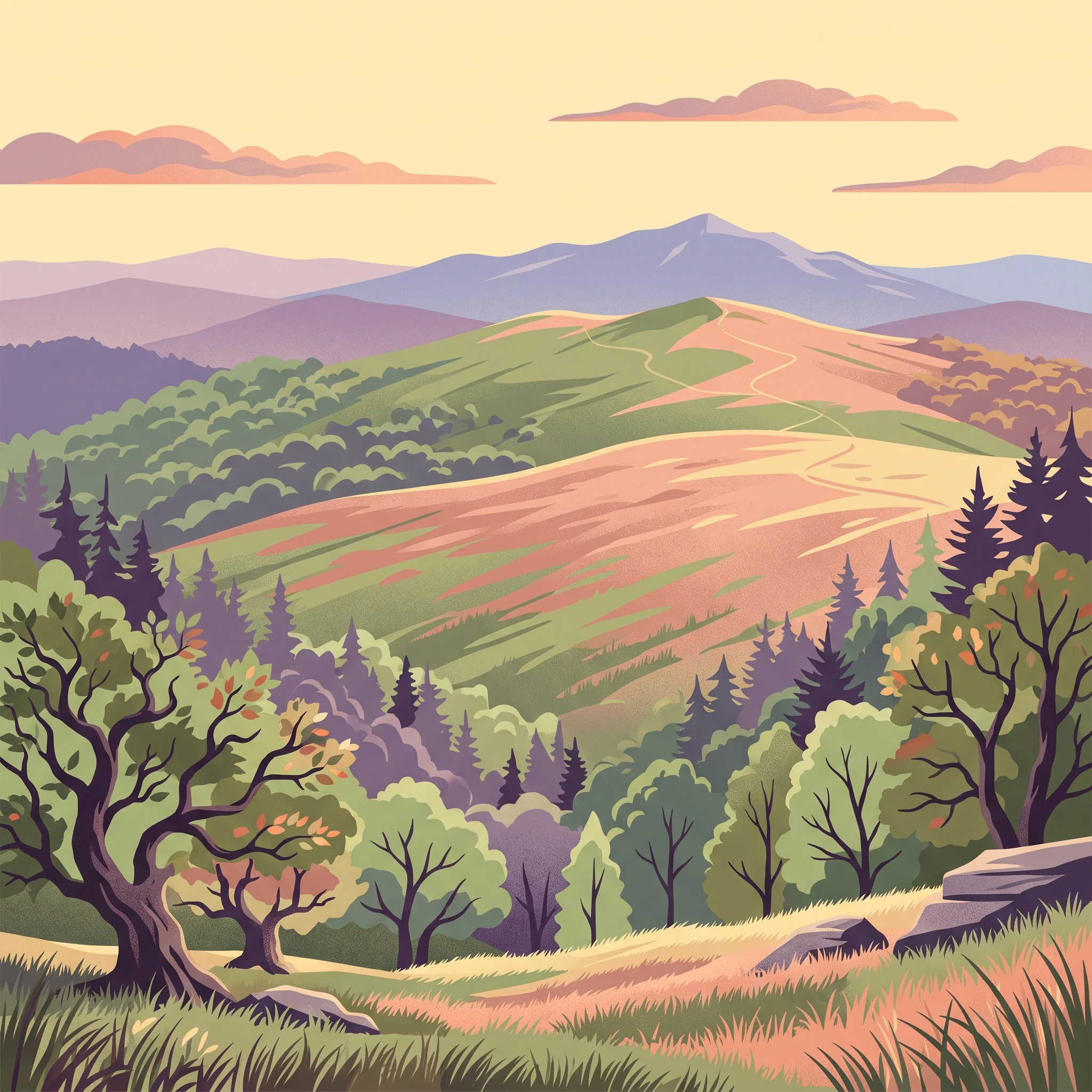
The most iconic Bieszczady experience involves traversing the połoniny, the high-altitude grasslands that distinguish these mountains from other Polish ranges. Timing your visit to these ridges requires balancing the lush visibility of summer with the persistent mountain weather. During the primary growing season from June to August, the alpine meadows are most accessible, offering extended daylight hours that permit longer traverses between Ustrzyki Górne and the higher peaks like Tarnica. If you plan to hike these ridgelines, recognize that the lack of canopy shelter makes the summits feel the full intensity of wind and precipitation patterns, regardless of the season. Visitors seeking the expansive vistas of Połonina Wetlińska or Połonina Caryńska find that the settled conditions often associated with mid-summer provide the most reliable windows for ridge-walking, provided you are prepared for rapid shifts in cloud cover and temperature.
Wildlife Observation and Seasonal Ecology
The Bieszczady wilderness is defined by its large carnivore populations and the presence of European bison. While sightings are never guaranteed, the timing of your visit influences the likelihood of observing these animals in their natural habitat. In the quieter shoulder seasons, particularly when forest vegetation is thinner, the landscape may offer improved sightlines for observing wildlife. The upper San valley is a noted area for tracking the movements of European bison, though movement patterns are highly sensitive to seasonal food availability rather than fixed visitor schedules. If your primary goal involves observing these creatures, prioritize early mornings during the spring or late autumn transition periods when foot traffic on the main hiking arteries is significantly lower, allowing for a more secluded environment.
Seasonal Horseback Exploration
For those interested in exploring the park through its heritage horse trails, the experience is deeply tied to the seasonal viability of the terrain. The Hucul pony farms, which preserve a lineage related to the extinct Tarpan, offer specialized riding experiences in the southern reaches of the park. In the warmer months, these trails provide a different perspective on the dense beech forests and mountain valleys, allowing for a slower, more immersive pace than traditional hiking. During the winter period, weather and snow depth dictate the feasibility of traditional wagonette rides or potential sledge excursions. Because these activities rely on specific forest management conditions and trail safety, all horseback activities must be confirmed with local operators well in advance of your trip. Do not assume availability based on the presence of snow or lack thereof, as trail integrity remains the priority for park authorities.
Visitor Priorities
Optimal Timing in Bieszczady National Park for Specific Travel Priorities
Prioritizing Clear Ridge Hiking Conditions
For travelers focused on ridge traversal, such as the trails across Połonina Caryńska or the approach to Tarnica, the window between July and early September offers the most consistent daylight and highest temperatures. With maximum temperatures reaching near 30 degrees Celsius at lower elevations during July and August, hikers can expect comfortable conditions for long-distance treks, provided they are prepared for the abrupt weather shifts common in this mountain environment. The primary trade-off is the increased likelihood of sudden summer thunderstorms, which can move across the ridges with little warning. While daylight remains generous during this period, visitors must prioritize starting their hikes early in the morning to finish before the potential development of afternoon electrical activity.
Selecting Periods for Milder Walking Weather
If your primary goal is to avoid the peak heat of midsummer while still enjoying accessible trails, late May and September emerge as superior choices. During these months, mean temperatures sit in the low to mid-teens, creating a crisp environment that is often more suitable for strenuous ascents than the humid, hot days of July. September is particularly notable for its lower precipitation normals compared to the summer months, offering a more stable atmospheric window for traversing exposed alpine areas. The compromise here is the reduction in daylight hours compared to June or July, and the higher probability of cool, damp conditions as the season shifts toward autumn. You must remain flexible with your gear, as even in May and September, mountain weather remains inherently volatile.
Timing for Solitude and Wildlife Observation
Visitors whose priority is observing the unique biodiversity of the region, such as bison in the San valley or searching for signs of the lynx and brown bear, often find the shoulder periods of late autumn or early spring to be more productive. During these quieter windows, human activity on the trails is significantly reduced, which can increase the likelihood of encountering wildlife in their natural habitat. This choice requires a substantial trade-off: you will face much lower temperatures, shorter days, and potentially muddy or unstable trail conditions. October, while visually striking due to the changing beech forests, brings a sharp drop in minimum temperatures, while late spring can involve lingering snow patches in the higher reaches. Those selecting these times for the prospect of solitude or wildlife viewing must be comfortable with the lack of mountain shelter services that may be fully operational during the peak summer months, and they should anticipate cold-weather gear requirements that far exceed what is needed for a summer excursion.
Visitor Access
Seasonal Access and Practical Planning for Bieszczady National Park
Navigating Bieszczady National Park requires acknowledging that this is a remote wilderness area where standard tourist infrastructure is limited. While the park is accessible throughout the year, the physical reality of its geography means that your mode of transport, timing of arrival, and daily planning must be aligned with local limitations. Access is heavily centralized around specific trailheads, and the lack of comprehensive, high-frequency public infrastructure necessitates a high degree of self-reliance for every visitor.
Transport and Arrival Logistics
For most travellers, arriving by car is the most reliable method of accessing the region. While cities like Sanok and Ustrzyki Dolne provide connections to the wider Polish transit network, internal travel within the park relies almost entirely on private vehicles. Road quality is generally stable, but visitors should remain aware that local secondary routes can be narrow or unpaved, particularly near the park's periphery. Because petrol stations are sparse, it is recommended to refuel in larger transit hubs before entering the remote park zone.
Public transport options, including private bus lines, often operate on irregular schedules that prioritize peak hiking hours during the day. These services typically connect major trailheads like Wetlina and Ustrzyki Górne, but their availability is often linked to passenger demand rather than a fixed, rigid timetable. Relying on ridesharing or taxi services is possible in popular areas, yet these are not guaranteed forms of transit and should be treated as a secondary backup. Always confirm the current operational status of local bus routes and service providers through official park notices or local information centers before finalizing your travel dates.
Parking and Daily Trailhead Access
Planning your visit involves budgeting for parking at the primary access points, as most trailheads are accessible only by private vehicle. These parking areas are the starting points for the majority of the park's extensive trail network. Be prepared to carry sufficient cash for daily parking fees, as electronic payment systems are rarely present at remote trailheads.
Access to specific areas, including any potential border zones or restricted nature reserves, may require permits or adhere to strict park-specific regulations. These rules are subject to change based on conservation priorities, wildlife activity, or seasonal weather impacts. Before planning an itinerary that includes specific deep-forest routes or extended excursions, verify current access rules on the official Bieszczadzki Park Narodowy website. Do not assume that historical access paths remain open; official signage and digital updates should always dictate your movement within the park boundaries.
Safety & Preparation
Weather Expectations and Seasonal Preparation for Bieszczady National Park
Managing Mountain Weather Variability
Preparation for these mountains requires acknowledging that even during the warmest months, the environment remains volatile. While July and August reach mean temperatures near 18 degrees Celsius at lower elevations, the ridgeline poloniny ecosystems are frequently cooler, windier, and more exposed to rapid shifts in cloud cover and precipitation. Travelers should expect that standard climate normals represent broad patterns rather than specific daily conditions. Because the park lacks a distinct dry season, precipitation is a consistent factor throughout the year. Hikers frequently encounter sudden weather shifts, meaning that the capacity to adjust plans based on current conditions is more important than choosing specific dates.
Seasonal Layering and Environmental Protection
Effective preparation for the park involves prioritizing adaptable layering systems. Even in the peak of summer, high-elevation ridges can experience significant wind chill, which reduces the perceived temperature. Visitors should plan for a range of conditions, ensuring they have protective gear for dampness and wind regardless of the season. In the shoulder months, such as April or October, nights often dip below freezing, necessitating thermal management strategies suitable for cold-weather exposure even if daytime temperatures seem mild. Understanding that sunlight decreases significantly in late autumn and winter is essential for calculating daily trail durations, as earlier sunsets limit the window for safe navigation through forested terrain.
Navigating Terrain and Wilderness Safety
Safety in this wilderness area centers on self-reliance and awareness of the environment. The park is a vast, largely undeveloped landscape, which means that trail signage and conditions are subject to change. Visitors should avoid relying solely on digital devices, as battery performance drops in colder temperatures and signal availability is inconsistent. Because the park borders international zones, carry valid identification at all times. Practical safety also means acknowledging wildlife behavior. While sightings of large carnivores are rare, maintaining distance and observing established rules about food storage and waste are essential parts of responsible park use. Always verify the status of trails through official park information channels before departing, especially when planning excursions during transition periods like late autumn when early snowfall or mud can impact trail integrity. Since public transport is limited and often stops mid-afternoon, timing your return to trailheads is a critical component of trip preparation to avoid being stranded after dark.
Finalizing Your Visit
Deciding the Best Time for Your Bieszczady Wilderness Adventure
Selecting your time to visit this Polish wilderness requires aligning your personal appetite for mountain volatility with the specific rhythms of the Bieszczady landscape. Rather than seeking a single ideal month, the most effective approach is to define your visit by the trade-offs inherent in the mountain environment. If your primary goal is long-distance trekking along the poloniny or accessing the highest ridgelines, the window from June through September remains the most supported period for ensuring standard trail conditions and longer daylight. During these months, the greenery is at its peak, and the mountain weather is at its most moderate, though hikers must accept the reality that sudden afternoon thunderstorms and high-altitude winds remain potential factors regardless of the calendar date.
For travellers who prioritize solitude and the opportunity to observe wildlife, such as the bison or large carnivores, the shoulder seasons of May and October offer a distinct experience. You will face shorter daylight hours and temperatures that can swing rapidly between mild sun and biting frost, but you gain the benefit of a much quieter landscape. These months require a higher degree of self-reliance, as the trails are less populated and the weather transitions can be more pronounced. Choosing these periods means accepting that some high-altitude routes may be more challenging to navigate due to mud or early season snow, and your planning must be inherently more flexible to accommodate these shifts.
Winter, spanning roughly from November through April, transforms the park into a remote, sub-alpine environment. This period is best suited for those comfortable with significant snow cover, limited daylight, and the physical demands of winter hiking or skiing. Because the infrastructure remains minimal and the climate is defined by extreme cold and deep snow, this time is not intended for casual sightseeing. If you choose this window, your preparation must prioritize navigation, specialized clothing for extreme cold, and a robust understanding of mountain safety.
Ultimately, the best time to visit is the period that matches your capability and tolerance for the park's inherent unpredictability. Because these climate normals are not forecasts, you must always verify current conditions, trail closures, and park alerts before your departure. Regardless of when you choose to go, the key to a successful trip lies in remaining adaptable to the mountain environment and respecting the wilderness character of the region. Your next step in planning should be to check the latest official park updates to confirm that your chosen dates align with current access and weather realities.