Why Dębina Nature Reserve stands out
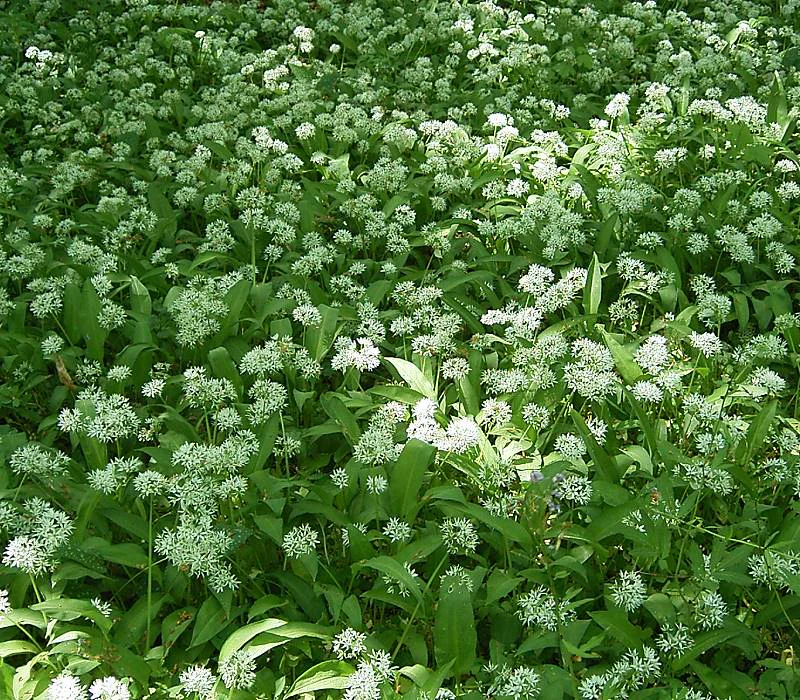
Dębina is best known for preserving a naturally structured fragment of the historic Puszcza Niemodlińska, with mature stands of linden, oak, and ash, some individual trees reaching around 150 cm in trunk diameter, and reportedly close to 160 years of age in parts of the stand. Its most distinctive botanical signature is the mass occurrence of snowdrops (_Galanthus nivalis_) forming a continuous carpet, together with a dense, expansive population of wild garlic (_Allium ursinum_). These two spring-flowering species, alongside other woodland indicators such as primrose and alder buckthorn, give the reserve a particularly rich seasonal character in early spring.
Dębina Nature Reserve history and protected-area timeline
The Dębina Nature Reserve was established by regulation of the Voivody of Opole on 10 January 2000, after decades during which the surrounding forests of the Puszcza Niemodlińska had been increasingly reduced by agriculture and forestry. Its creation reflects a regional effort to preserve a fragment of the historical Niemodlin Forests with their natural stand structure, particularly the old-growth oak-hornbeam and riparian forests that have remained comparatively intact. The reserve has since been managed under active protection, aligning its objectives with the broader conservation framework of the Bory Niemodlińskie Protected Landscape Area and the Natura 2000 network.
Dębina Nature Reserve landscape and geographic character
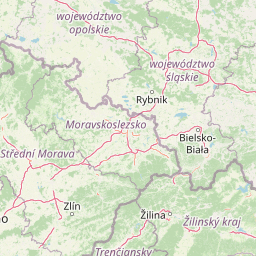
Dębina occupies a lowland river-forest landscape in the Nysa Kłodzka valley, between the villages of Głębocko and Kopice. The topography is gentle and shaped by the river corridor, with riparian hardwood forests lining the floodplain and richer oak-hornbeam communities on slightly higher, more stable ground above the immediate river influence. The wider visual context is one of managed farmland broken by patches of woodland, with the reserve standing out as a denser, older, and less disturbed block of forest.
The reserve falls within the Dolina Nysy Kłodzkiej mesoregion, an area defined by the Nysa Kłodzka river and its valley morphology. While there are no dramatic landforms such as cliffs, peaks, or dunes, the landscape character is dominated by the contrast between the open valley floor and the closed canopy of the reserve, as well as by the presence of mature trees whose size and age give the forest a distinctly old-growth appearance within an otherwise heavily altered regional landscape.
Dębina Nature Reserve ecosystems, habitats, and plant life
Ecologically, Dębina is a representative example of Central European riverine and oak-hornbeam forest. The reserve preserves the natural layering of habitats typical of such forests: a canopy dominated by linden, oak, and ash, a shrub layer including alder buckthorn, and a herb layer famous for its early-spring geophytes. Together, these communities support the microclimatic conditions and the soil moisture regime on which the reserve’s most distinctive flora depends.
The confluence of łęg (ripian) and grąd (oak-hornbeam) forest types within a small area is itself ecologically valuable, as it allows gradual transitions from wetter to drier conditions over short distances. The reserve’s connection to the Nysa Kłodzka further integrates it with the wider river ecosystem, where aquatic and floodplain processes periodically interact with the forest. This combination of natural stand structure, intact hydrological linkage, and continuity with the broader Bory Niemodlińskie makes Dębina an important reference site for understanding what the original Niemodlin Forests looked like before modern fragmentation.
Dębina Nature Reserve wildlife and species highlights
The wildlife of Dębina reflects the character of mature deciduous and riparian forest in southwestern Poland. Among breeding birds, the reserve supports several species typical of old-growth deciduous woodland, including the stock dove, the collared flycatcher, and three woodpecker species: the grey-headed, black, and middle spotted woodpeckers. Their presence is itself an ecological indicator, as these species depend on the deadwood, cavity trees, and structural complexity found in older, less disturbed stands.
Mammals recorded in or expected from the area include the water shrew and the stoat, both small predators linked to moist forest environments, along with several bat species such as the common noctule, the greater and lesser pipistrelles, and the brown long-eared bat. The bat assemblage is particularly meaningful from a conservation perspective, as pipistrelle and long-eared bats use woodland interiors for foraging and tree cavities for roosting, reinforcing the importance of preserving the reserve’s mature trees and minimal-intervention management approach.
Dębina Nature Reserve conservation status and protection priorities
Dębina’s conservation significance rests on its role as a refuge for natural forest communities that have largely disappeared from the surrounding lowlands of Opole Voivodeship. By protecting both ripian and oak-hornbeam stands that retain near-natural composition and structure, the reserve provides a baseline against which the condition of other, more heavily managed forests in the region can be assessed. Its proximity to the Nysa Kłodzka adds a hydrological dimension to its protection value, conserving the functional link between river, floodplain, and forest.
The reserve operates under active protection, which means management actions are taken to maintain or restore natural forest processes and structure rather than excluding all human activity. Embedding Dębina within the Bory Niemodlińskie Protected Landscape Area and within the Natura 2000 site Opolska Dolina Nysy Kłodzkiej strengthens its role in regional and European ecological networks, ensuring that the site contributes both to habitat continuity across the former Puszcza Niemodlińska and to the conservation of habitats of Community interest.
Top sights and standout views in Dębina Nature Reserve
Dębina’s strongest qualities include its old-growth character within the regional context, the rare continuity of łęg and grąd forest types on a small site, and the biologically distinctive spring flora led by mass-flowering snowdrops and wild garlic. Its layered protection within the Bory Niemodlińskie landscape area and the Natura 2000 network makes it a small but consequential piece of the larger ecological fabric of the Nysa Kłodzka valley. For visitors and researchers alike, the reserve offers a compact window onto the surviving character of the historic Niemodlin Forests.
Best time to visit Dębina Nature Reserve
As a small forest reserve under active protection, Dębina is best appreciated in early spring, when the understory comes alive with the reserve’s most distinctive flora: extensive carpets of snowdrops and the dense flowering stands of wild garlic. Late spring into early summer offers a quieter but still rewarding experience, with mature canopy in full leaf and active breeding birdlife. Autumn brings rich forest color and fruiting, while winter reveals the structural character of the old stand. Heavy rain in any season can make the river-valley terrain wet underfoot, so drier days tend to be most comfortable for any on-site observation.