
Why Dolina Pięciu Jezior Nature Reserve stands out
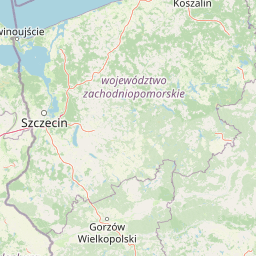
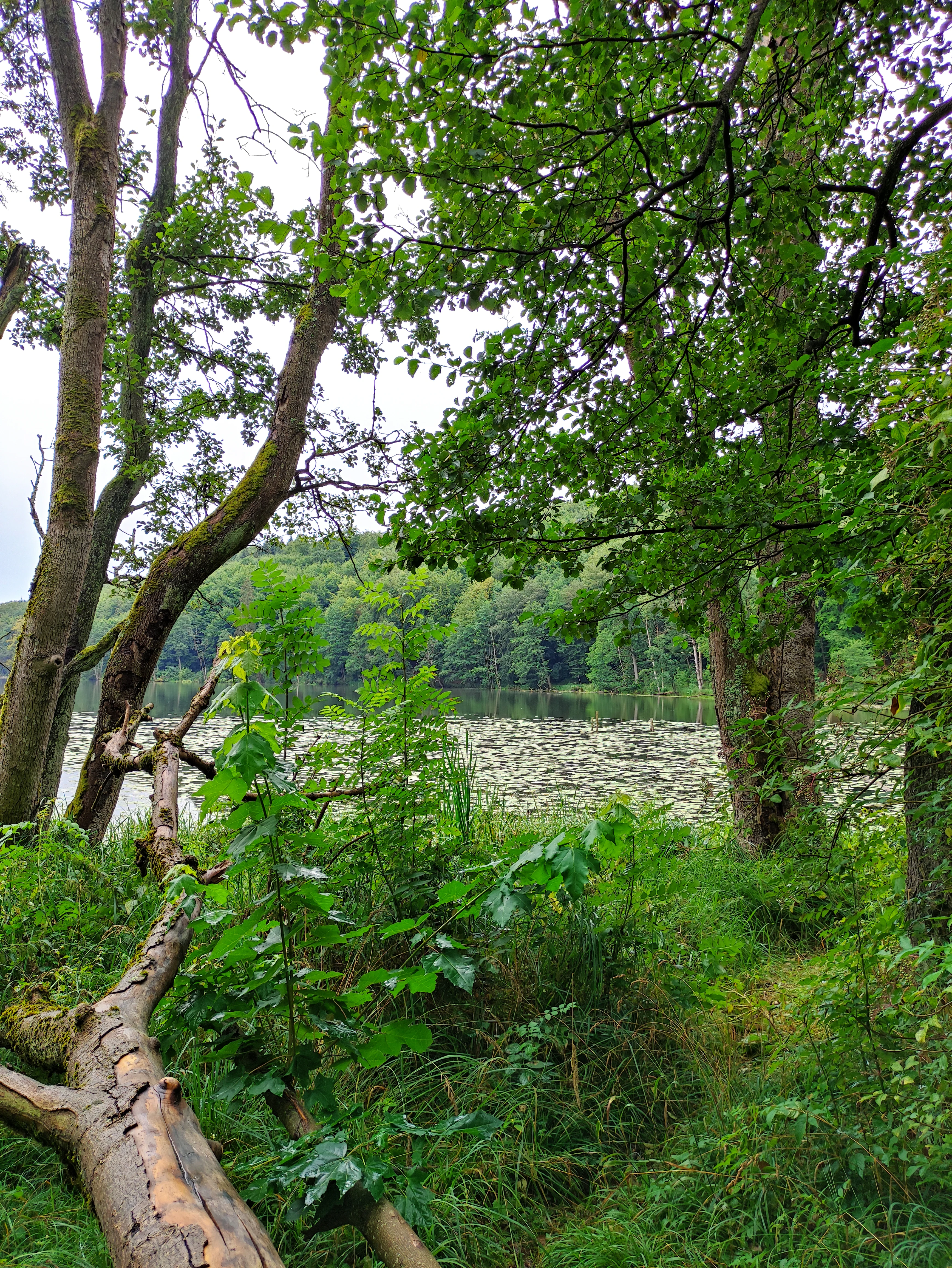
Dolina Pięciu Jezior is best known for the chain of five glacial lakes strung along the upper Drawa River, occupying a deep, narrow subglacial channel cut into the surrounding morainic plateau. These lakes, known as Krzywe (Górne), Krąg (Okrągłe), Długie, Głębokie, and Małe, are linked by short stretches of the young Drawa and together form one of the most compact post-glacial lake staircases in the Pomeranian Lakeland. The reserve is equally recognized for its extensive Pomeranian beech forest, an ecologically rich lowland beech community that drapes over the steep slopes of the valley and gives the district its Switzerland-like scenery. Protected aquatic plants, including yellow water-lily and white water-lily, together with rare woodland flowers such as mezereon, broad-leaved marsh orchid, and common hepatica, reinforce the reserve's reputation as a stronghold of natural beech and lake-associated habitats.
Dolina Pięciu Jezior Nature Reserve history and protected-area timeline
Dolina Pięciu Jezior was formally established as a landscape nature reserve on 29 December 1987, through a regulation published in the Polish official gazette in early 1988. Its designation marked a turning point in the formal protection of the upper Drawa valley, an area that, although long appreciated locally for its scenery, had previously lacked dedicated conservation status.
The reserve has since become embedded in progressively larger and more layered frameworks of protection. Its creation coincided with the broader post-1980s expansion of landscape parks and protected landscape areas in northwestern Poland, and the area was later incorporated into the Drawsko Landscape Park. In more recent decades, the reserve has also been recognized as part of the European Natura 2000 network, contributing to both bird and habitat conservation objectives for the wider Drawa River basin and the Pomeranian Lakeland.
Dolina Pięciu Jezior Nature Reserve landscape and geographic character
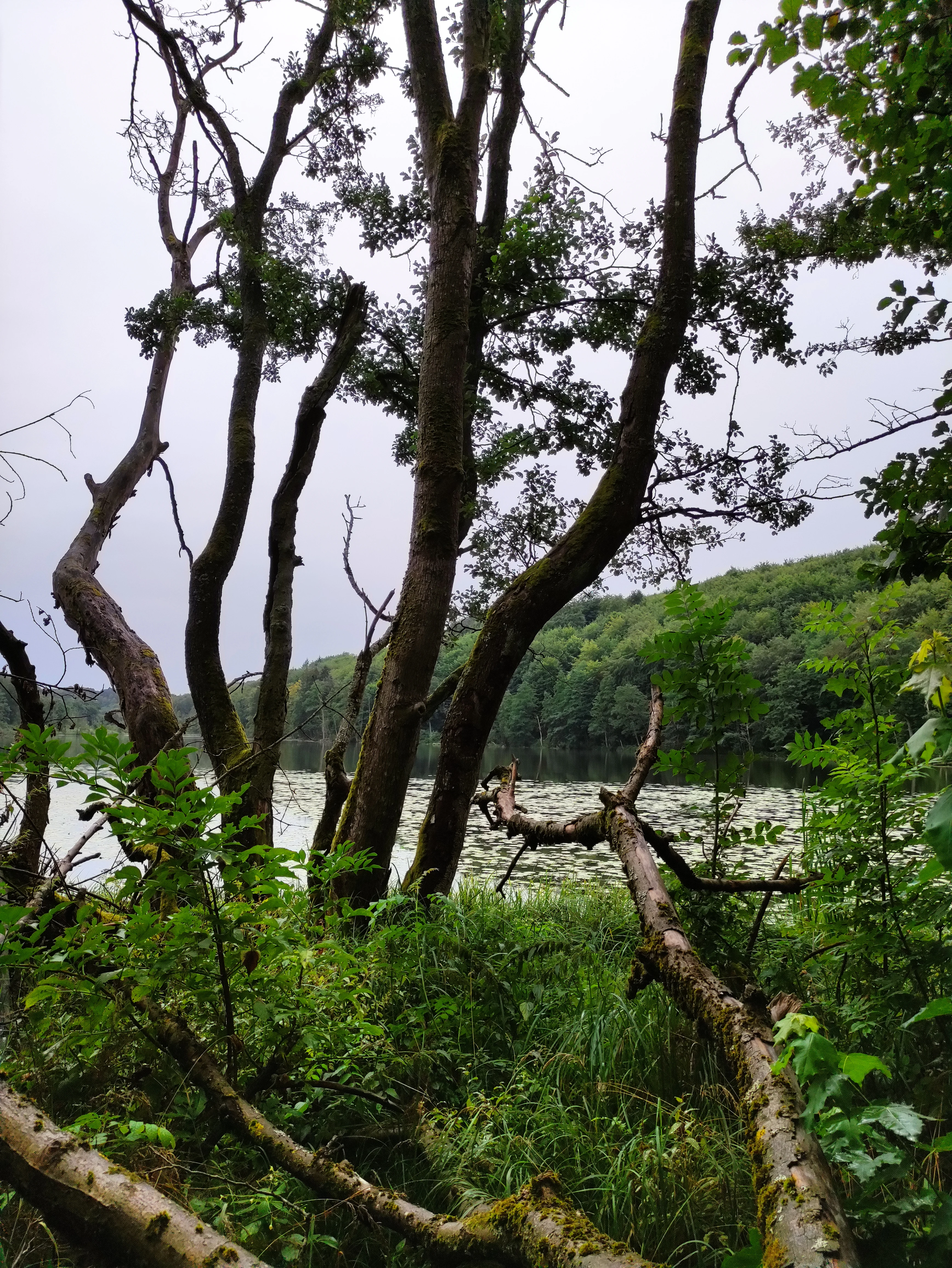
The landscape of Dolina Pięciu Jezior is dominated by a narrow, deeply incised glacial valley that cuts through the gently undulating surface of the Drawsko Lakeland. The valley walls drop between roughly 30 and 55 meters from the surrounding plateau, producing unusually steep, forested slopes for a lowland area. Five post-glacial lakes step down along the valley floor in close succession, creating a compact staircase of water within a single scenic corridor.
Above the valley, the broader land surface is formed by morainic hills and ridges that locally exceed 200 meters in elevation. When viewed from within the valley, these hills, blanketed in forest and broken by small clearings and pastures, give rise to the area's local nickname of Szwajcaria Połczyńska. The contrast between the enclosed, lake-filled valley floor and the more open, rolling high ground above is one of the reserve's defining physical traits.
Dolina Pięciu Jezior Nature Reserve ecosystems, habitats, and plant life
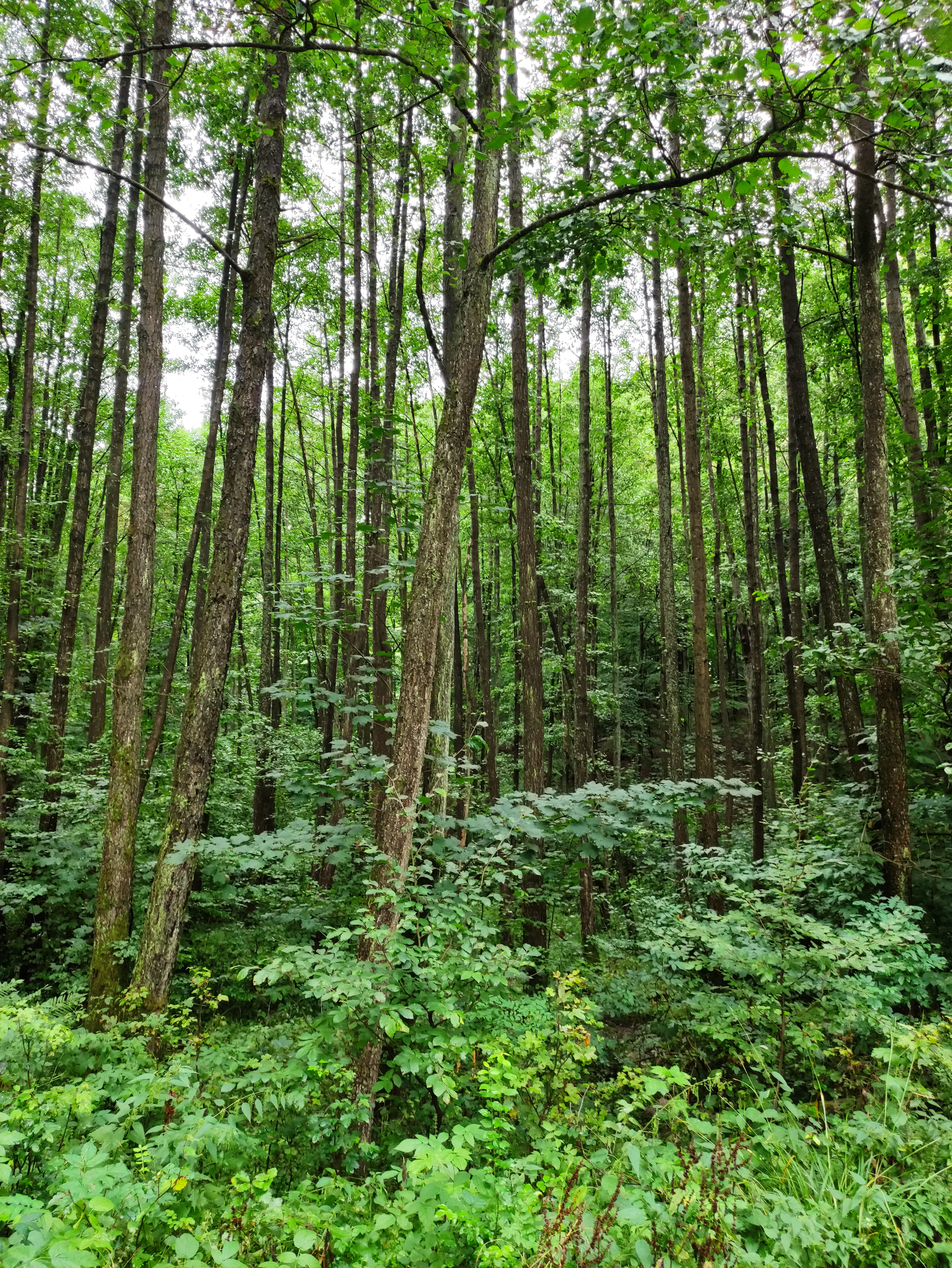
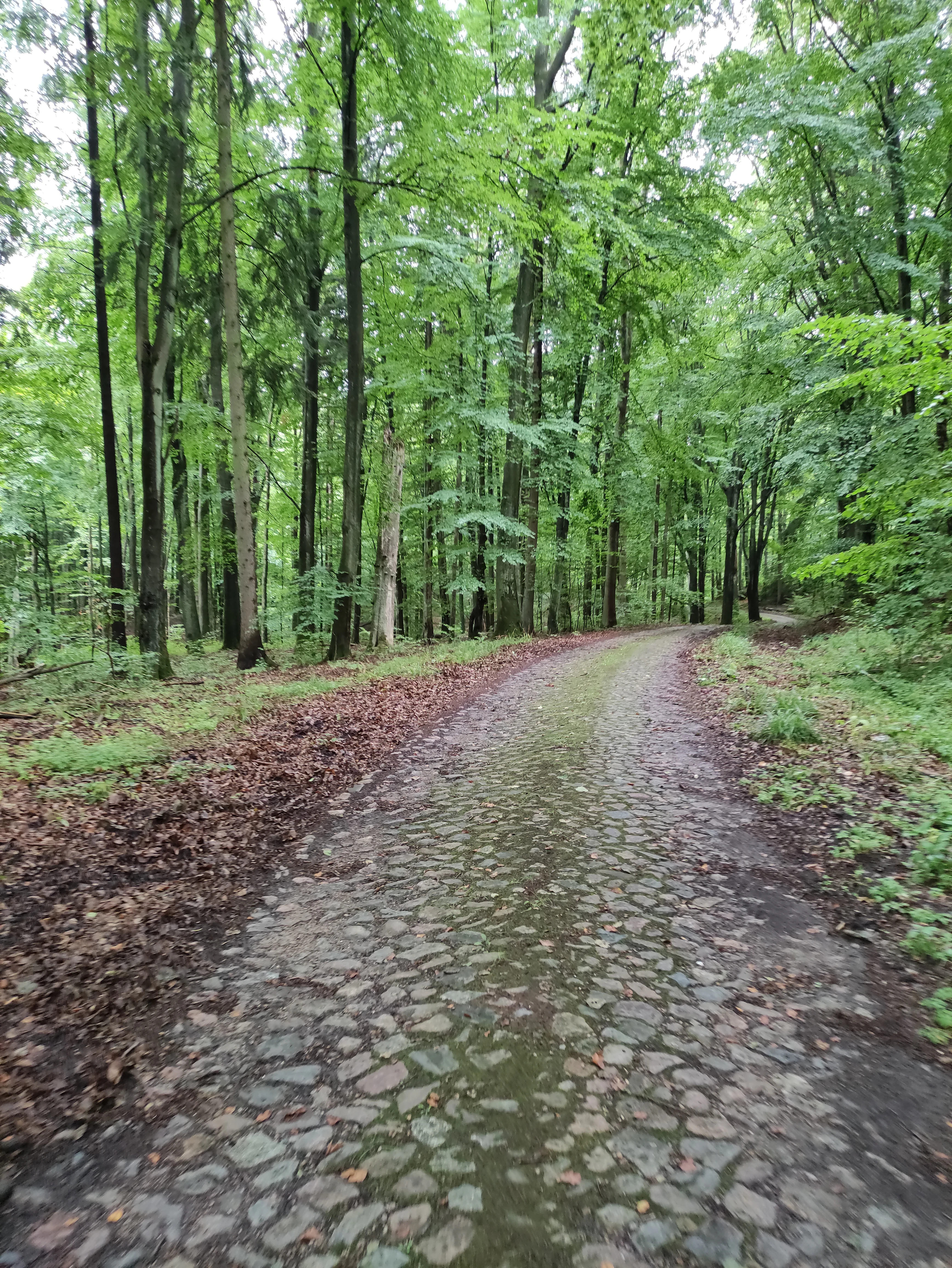
Ecologically, Dolina Pięciu Jezior is built around the headwater ecosystem of the Drawa River, where emerging groundwater, small streams, peatland fragments, and shallow lake margins meet the surrounding forest. The valley floor supports lowland peat-forming communities and freshwater plant assemblages associated with still or slow-moving water, while the slopes are dominated by Pomeranian beech forest, a fertile lowland beech community enriched with spruce and larch.
This layering of beech forest, peat patches, lake margins, and river source channels creates an unusually compact mosaic of habitats within a relatively small area. Several protected plant species typical of both the aquatic and woodland environments are present, including yellow water-lily, white water-lily, broad-leaved marsh orchid, sweet woodruff, and common hepatica, indicating the ecological integrity of both the aquatic and forest components of the reserve.
Dolina Pięciu Jezior Nature Reserve wildlife and species highlights
Although the reserve's identity is primarily botanical and landscape-based, its habitats support diverse animal life linked to both forest and lake environments. The extensive beech forest provides habitat for typical woodland species of the Pomeranian Lakeland, including forest birds, small mammals, and forest-dwelling invertebrates associated with old-growth beech stands. The lake chain and the upper Drawa, in turn, support freshwater fauna typical of clean, well-vegetated lowland lakes and slow-moving river sections in the region.
The reserve's inclusion in the Natura 2000 site Ostoja Drawska reflects the broader importance of the Drawa River system for protected bird populations using river, lake, and forest habitats in succession. While specific wildlife inventories are not emphasized in the available sources, the habitat mosaic of beech forest, peatland, and post-glacial lakes provides clear ecological potential for a wide range of lake-, wetland-, and forest-associated species.
Dolina Pięciu Jezior Nature Reserve conservation status and protection priorities
Conservation significance at Dolina Pięciu Jezior centers on the protection of the source ecosystem of the Drawa River, including its connected lakes, valley-bottom wetlands, and surrounding Pomeranian beech forest. By safeguarding this intact upper-valley sequence, the reserve helps maintain natural hydrological, ecological, and catchment conditions for a river system that flows well beyond the protected area's boundaries.
The reserve is part of a layered protection network that includes the Drawsko Landscape Park, the protected landscape area of Pojezierze Drawskie, and two Natura 2000 sites, Ostoja Drawska (PLB 320019) and Jeziora Czaplineckie (PLH 320039). These overlapping designations link the reserve to regional landscape-level conservation goals and to European-level efforts focused on migratory waterbirds, lake-related habitats, and protected forest and peatland communities. Management, overseen by Nadleśnictwo Połczyn, combines active forest protection with landscape-oriented measures across almost the entire reserve.
Dolina Pięciu Jezior Nature Reserve cultural meaning and human context
The reserve carries a strong local identity linked to the nearby spa town of Połczyn-Zdrój. Its popular nickname, Szwajcaria Połczyńska, expresses long-standing local appreciation of the valley as a scenic counterpart to Alpine landscapes and ties the reserve into the regional recreation and tourism culture of the Pomeranian Lakeland. Two named hiking trails, the blue Szlak Szwajcarii Połczyńskiej and the red Szlak Solny, both connect Połczyn-Zdrój with Czaplinek via the reserve, embedding the area into the broader network of regional tourist routes and reflecting its role as a recognizable cultural landmark in the surrounding countryside.
Top sights and standout views in Dolina Pięciu Jezior Nature Reserve
The reserve's defining highlights are its tightly packed chain of five post-glacial lakes, the steep-sided forested valley that frames them, and the integrity of its headwater Drawa ecosystem. The Pomeranian beech forest, peat patches, and clear, lake-filled valley floor combine to produce a strikingly compact and visually dramatic landscape within the otherwise gentle terrain of the Drawsko Lakeland.
Best time to visit Dolina Pięciu Jezior Nature Reserve
Spring and early summer are particularly appealing for visitors interested in wildflowers, woodland greenery, and high water levels in the lakes. Late spring also offers longer daylight for following the valley's marked trails between Połczyn-Zdrój and Czaplinek. Summer brings lush, fully leafed beech forest and warm conditions suitable for lake-side walking. Autumn adds strong color contrast across the beech canopy and quieter trail conditions. In winter, the valley becomes quieter and more austere, with the lake surfaces, frost, and bare beech stems producing a more subdued but still distinctly atmospheric version of the same landscape.