Why Dolina Pustynki Nature Reserve stands out
The reserve is best known for its natural submontane river valley, the clean and fast-flowing Pustynka stream, and the surrounding well-preserved ancient oak-hornbeam forests (grąd subatlantycki) on the valley slopes. Together, these features represent the core habitat type 3260 of lowland and submontane rivers with water-crowfoot (Ranunculion fluitantis) vegetation. It is also recognized for its rich combination of protected natural habitats in a relatively small area: sub-Atlantic oak-hornbeam forests, willow, poplar, alder, and ash riparian forests, spring-fed areas, and riverine communities. The presence of rare flora such as podrzeń żebrowiec, źródliskowiec zmienny, miechera spłaszczona, and rare bryophytes, along with characteristic fauna including kingfisher, grey wagtail, common crane, and common snipe, gives the reserve a distinctive ecological profile.
Dolina Pustynki Nature Reserve history and protected-area timeline
The idea of protecting the Pustynka River valley dates back to 2001, when the area first appeared in the forest management plan for the Polanów Forest District for the years 2007 to 2016. The proposal laid dormant for more than two decades before being activated in the late 2020s as part of a broader national initiative.
A detailed natural inventory of the proposed area was carried out between 2023 and 2024. This comprehensive fieldwork documented the river's submontane character, the high quality of associated oak-hornbeam and riparian forests, and the presence of rare plant and animal species. The findings provided the scientific basis for the formal designation.
On 4 December 2024, the Regional Director of Environmental Protection in Szczecin signed an order recognizing "Dolina Pustynki" as a nature reserve, published on 24 December 2024 in the Official Journal of the West Pomeranian Voivodeship. The establishment of the reserve formed part of the centennial program "100 reserves for 100 years of State Forests," led by Poland's State Forests, which commemorated the centennial of national forest administration by creating a series of new forest and river-based reserves across the country.
As of late 2024, the reserve did not yet have an approved protection plan or set of specific conservation tasks, an indication that further management planning was in development at the time of designation.
Dolina Pustynki Nature Reserve landscape and geographic character
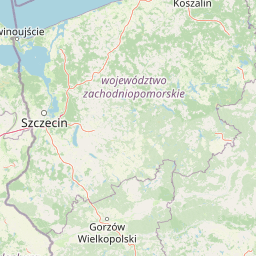
The reserve lies within the Polanów High Plain (Wysoczyzna Polanowska), a region shaped by glacial activity and characterized by gently undulating terrain, mixed forest cover, and a network of small river valleys. Its topography is modest in elevation but rich in local relief, particularly where streams have carved narrow valleys into the surrounding plain.
The defining landscape feature of the reserve is the Pustynka River valley itself. The river, a tributary of the Grabowa (which itself flows into the Wieprza River system), meanders through a forested setting with a rapid, clear current that gives the stream a notably submontane character. Side tributaries and headsprings add complexity to the valley system, while the surrounding slopes rise gently on either side, cloaked in mature deciduous woodland.
The reserve's overall landscape is one of continuous forest cover broken by the winding river corridor. Riverine flats, terraces, slopes, and seepage zones create a varied microtopography in a compact space, contributing to the visual and ecological diversity of the area.
Dolina Pustynki Nature Reserve ecosystems, habitats, and plant life
Dolina Pustynki protects a multi-layered set of natural habitats dominated by the interplay between flowing water and deciduous forest. The reserve's core ecological identity is shaped by the river and its associated riparian vegetation, with strong terrestrial support from fertile deciduous woodlands on the valley slopes.
The most ecologically distinctive habitat is the Pustynka River itself, which qualifies as an incipient example of the European protected habitat type 3260: lowland and submontane rivers with floating vegetation of the Ranunculion fluitantis alliance. The rapid, clean water and natural channel dynamics allow submerged and floating aquatic plant communities to develop in ways rarely preserved in lowland Polish rivers.
On the slopes above the river, the reserve protects sub-Atlantic oak-hornbeam forests (Stellario-Carpinetum), a habitat type characterized by pedunculate oak, hornbeam, lime, and other broadleaf species, and known for its ancient trees and rich understory. Lower-lying areas support a sequence of riparian forests, including willow (Salicetum albo-fragilis), white poplar (Populetum albae), and alder or ash floodplain communities (Alnenion glutinoso-incanae). Together, these habitats form a near-complete gradient from aquatic vegetation through wet floodplain forest to drier slope woodland.
Perhaps the most ecologically delicate features of the reserve are its spring-fed areas and seepage slopes. These stable, humid microhabitats support specialized bryophytes and ferns, including the rare podrzeń żebrowiec, źródliskowiec zmienny, miechera spłaszczona, nastroszek Brucha, nastroszek kędzierzawy, and miedzik płaski. Such species often depend on consistent water quality, low disturbance, and intact canopy cover, conditions that the reserve actively maintains.
Dolina Pustynki Nature Reserve wildlife and species highlights
The wildlife profile of Dolina Pustynki is closely tied to its combination of clean, flowing freshwater and mature deciduous forest. The river and its banks support species that depend on clear water and intact bankside vegetation, while the forests provide habitat for birds and other fauna associated with old-growth broadleaf woodland.
The river is known to host native freshwater fish including brown trout (pstrąg potokowy) and the white-finned gudgeon (głowacz białopłetwy), both of which require high water quality and natural flow regimes. Their presence further underscores the ecological integrity of the Pustynka's habitat.
Birdlife in and around the reserve is characteristic of protected river valleys in northern Poland. The kingfisher (zimorodek) is associated with the clean, fish-rich stream; the grey wagtail (pliszka górska) follows the same riparian corridor; the common crane (żuraw zwyczajny) frequents the wet forest and seepage zones; and the common snipe (samotnik) uses moist open and semi-open habitats within the river valley. These species are widely recognized indicators of healthy, well-buffered freshwater habitats.
The reserve also contributes to broader conservation value through its native crayfish krynicznia wilgotka, which inhabits cold, well-oxygenated waters and is considered sensitive to habitat degradation. The presence of such species reflects the high ecological quality of the protected stream environment.
Dolina Pustynki Nature Reserve conservation status and protection priorities
Dolina Pustynki Nature Reserve was created specifically to safeguard the natural valley structure of the Pustynka River, its spring-fed areas, the ancient oak-hornbeam forests on its slopes, and the connectivity between these habitats. Its formal protection objectives emphasize preserving a natural, submontane-type river ecosystem, accompanied by well-preserved spring communities and mature deciduous forests.
A central element of the reserve's conservation significance is its overlap with the Natura 2000 Special Area of Conservation PLH320003 "Dolina Grabowej." This overlap reinforces the reserve's role within a broader European ecological network and recognizes the valley as part of a continentally important set of river habitats.
The reserve is also strategically embedded in a wider network of protected areas, including the adjacent Grabowa River reserve and the Okolice Polanowa Protected Landscape Area. Together, these protected territories form a contiguous block of natural forest and river habitat in the Polanów High Plain, increasing the resilience and connectivity of the regional ecosystem.
At the close of 2024, the reserve had no formal protection plan or set of conservation tasks, a state that reflects its very recent designation. Anticipated conservation pressures include tourism, water management practices in surrounding areas, and the intensity of forest management operations in adjacent lands. Managing these pressures will likely be central to the reserve's future protection strategy.
Top sights and standout views in Dolina Pustynki Nature Reserve
Dolina Pustynki stands out for the unusually well-preserved character of a lowland river that retains submontane qualities, including a rapid, clear current and natural channel structure. The surrounding stands of ancient oak-hornbeam forest and the diverse riparian woodland communities on the valley floor give the reserve a remarkable ecological density for its modest area.
Its overlap with the Natura 2000 site Dolina Grabowej and its location next to the Grabowa River reserve and the Okolice Polanowa Protected Landscape Area make Dolina Pustynki an important local piece of a much larger conservation network. The reserve's recent creation under the State Forests centennial initiative further underlines the historical and institutional context of its protection.
Best time to visit Dolina Pustynki Nature Reserve
Dolina Pustynki is best experienced during the warmer months from late spring through early autumn, when the deciduous forest is in full leaf, the river is at its most active, and wildlife along the banks is most visible. Late spring and early summer tend to favor observation of breeding birds and lush herbaceous vegetation, while early autumn brings quieter conditions and the first signs of seasonal change in the forest understory.
Winter visits are possible but limited by the protective status of the reserve and seasonal conditions in the forest. Visitors should always respect the formally protected nature of the site and avoid disturbing sensitive habitats or species.