
Trip Timing
When is the Best Time to Visit Glacier National Park in British Columbia
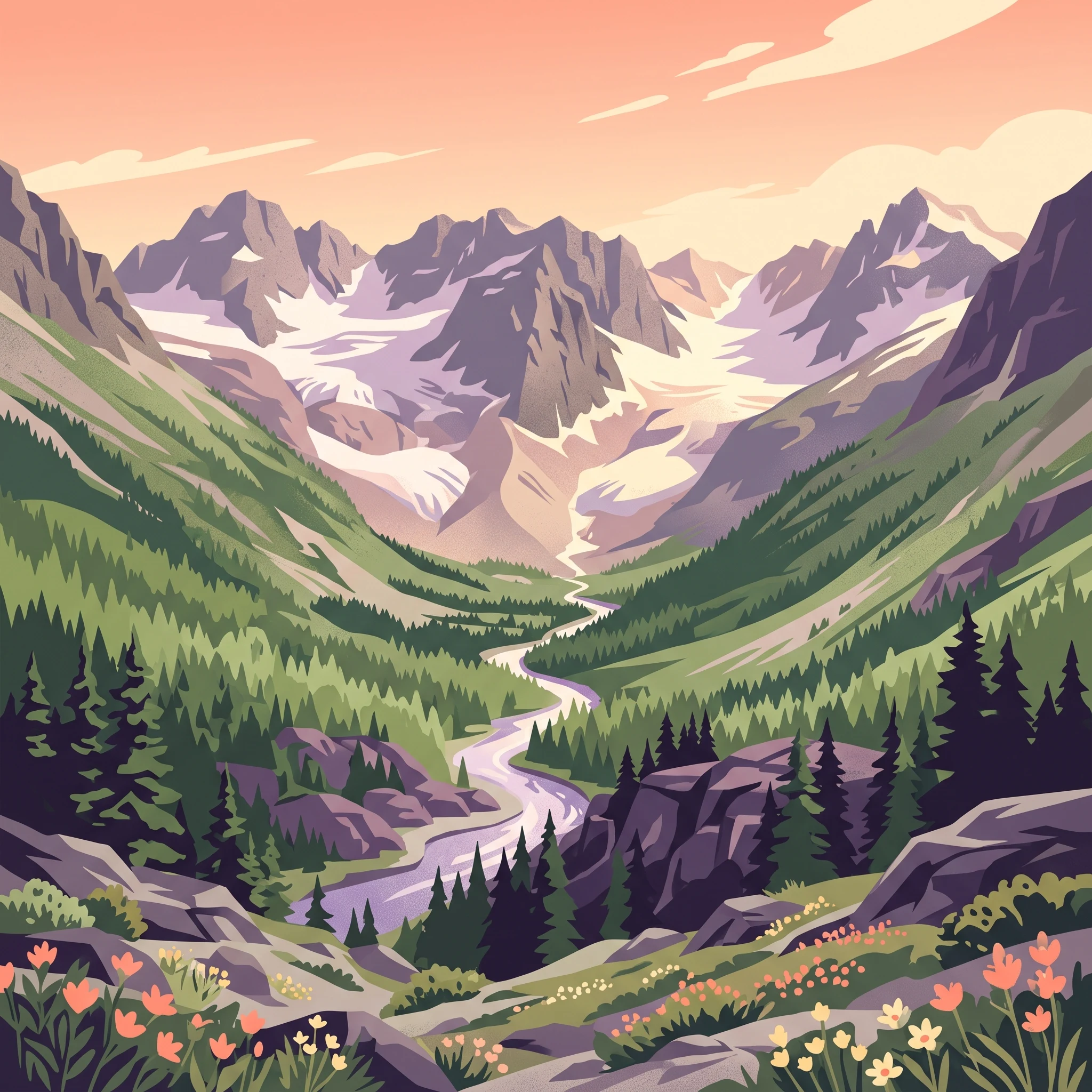
For most travellers seeking the best time to visit Glacier National Park in British Columbia, the answer lies in the narrow window between mid-July and late August. During this period, the park’s rugged Selkirk Mountains shed their heavy winter mantle, providing the most reliable access to high-altitude alpine trails and mountaineering objectives. While the park is a premier destination for alpinism, its high-elevation terrain dictates a short, intense summer season where snowpack can persist well into the warmest months, significantly influencing when specific routes or backcountry zones become accessible.
The Influence of Alpine Terrain on Timing
The timing of your visit is primarily governed by the interaction between the park’s elevation and its characteristic precipitation patterns. Situated in British Columbia’s Interior Wetbelt, the park experiences substantial moisture that translates into massive winter snowfall, with Rogers Pass famously recording some of the highest totals in the country. Because much of the park consists of steep, glaciated valleys and alpine tundra, this snow does not merely disappear when temperatures rise. Instead, it creates a persistent, cool microclimate that keeps higher trails and mountain passes buried under snow long after the lower valleys have entered their growing season. If you prioritize long-distance hiking or summit attempts, planning for the peak of the thaw in late summer is essential to avoid the hazards of traversing deep, lingering snowfields.
Balancing Accessibility and Atmosphere
Choosing when to arrive requires balancing your appetite for challenge against the desire for a quieter wilderness experience. The shoulder months of June and September offer a marked contrast to the peak summer period, providing a solitude that is rare during the height of the hiking season. However, these transitions come with significant trade-offs. In June, the park is frequently in a state of rapid flux, with spring runoff affecting water levels and trails still holding heavy, saturated snow. September often brings the first hints of winter to the peaks, bringing cooler, more variable weather that can shift from clear and crisp to harsh and wintry without warning.
Rather than viewing the park through a lens of seasonal perfection, effective planning involves aligning your goals with these distinct phases. Those visiting for technical mountaineering or peak bagging will find the stability of July and August vital for safety and navigation. Alternatively, visitors looking to enjoy the base-level environment, historic sites, or lower-elevation nature photography may find that the quieter transition periods offer a more contemplative experience, provided they are prepared for cooler temperatures and the realities of a mountain environment that never fully sheds its icy, rugged character.
Seasonal Comparison
Best Months to Visit Glacier National Park for Different Travel Interests
Choosing when to visit this park depends primarily on your tolerance for snow at higher elevations and your desire for stable mountain weather. Because the park is situated within the Interior Wetbelt, it experiences significant annual precipitation that manifests as deep snowpacks throughout the winter and spring. Consequently, your decision should align with whether you are seeking high-alpine access or the tranquility of the shoulder seasons.
Mid-Summer for Alpine Accessibility (July and August)
If your objective is reaching high-altitude trails, summits, or the iconic Illecillewaet Glacier area, the window of July and August is the most reliable. During these months, the average daily maximum temperatures reach their peak, typically exceeding 20°C. This is the period when lingering snow from the previous winter finally clears from the subalpine and alpine zones, providing the safest and most consistent window for mountaineering and backcountry trekking. While this period offers the most daylight for longer expeditions, it also aligns with the highest levels of visitor activity at common points like Rogers Pass. The trade-off for this accessibility is a lack of solitude and the reality that mountain weather can shift rapidly even during the warmest months.
The Shoulder Season Trade-off (June and September)
For travelers who prioritize quieter trails and are comfortable with more variable conditions, June and September present distinct alternatives. In June, you will find rapidly increasing daylight, but must anticipate that many trails at higher elevations will remain covered by snow, often requiring specialized gear or navigation skills. The weather is transitioning, and precipitation levels remain notable as the landscape sheds its winter coat. Conversely, September often provides a crisp, cooling trend, with average daily temperatures beginning to decline as the nights grow longer. It is a period of transition where early snowfall at high elevations can arrive, yet it remains one of the more serene times to photograph the landscape. These months require flexibility, as the window for safe movement in the high alpine is narrowed by environmental conditions rather than just calendar dates.
Considerations for Winter and Spring (October to May)
Visiting outside the primary summer window is an activity suited for those with advanced winter mountaineering or technical backcountry experience. From October through May, the park is defined by cold temperatures, with mean values often dropping well below freezing. The landscape is dominated by heavy snowfall and active avalanche cycles that require professional knowledge to navigate safely. The Rogers Pass area, while accessible via the Trans-Canada Highway, serves as a backdrop to intense winter activity rather than a base for traditional summer hiking. For most visitors, this extended period is less about conventional tourism and more about specialized cold-weather objectives.
Annual Climate Analysis
Understanding Weather Patterns and Climate in Glacier National Park
Understanding the Interior Wetbelt Climate
Glacier National Park experiences a distinct mountain climate shaped by the Interior Wetbelt of British Columbia. This geographic positioning results in high levels of precipitation and dramatic shifts between the moisture-rich winter months and the relatively stable, shorter summer season. These climate normals, recorded at an elevation of approximately 1755 meters, provide a baseline for the alpine conditions experienced throughout the year. It is critical for visitors to understand that these statistics represent long-term averages for this specific elevation and do not serve as a real-time weather forecast or a guarantee of conditions for any particular day or specific trail.
The Shift from Deep Winter to Alpine Spring
Transitioning out of winter is a gradual process in the Selkirk Mountains. Between December and February, the park remains firmly in a cycle of heavy precipitation and sustained sub-zero temperatures, with mean monthly temperatures often reaching their lowest points of the year. During this window, high relative humidity levels near 95 percent or greater contribute to the substantial snowpack that defines the Rogers Pass corridor. As the calendar turns to March and April, mean temperatures begin a slow climb, yet the lingering risk of freezing conditions remains a daily reality. The shift toward spring is marked by increasing daylight, which expands from roughly eight hours in December to over 13 hours by April. While this light offers longer days for exploration, the persistent cold at mid-alpine elevations means that snowmelt is rarely a factor until late spring or early summer.
The Short Summer Peak
July and August stand out as the period of greatest climatic stability, offering the only months where mean minimum temperatures rise above the freezing mark. With the lowest relative humidity of the year and the highest average maximum temperatures exceeding 23 degrees Celsius, these months represent the primary window for accessing high-altitude terrain. August typically sees a slight decrease in precipitation compared to the preceding months, creating a drier window that favors mountaineering and extended trail use. However, the high-altitude nature of the park means that even at the height of summer, temperatures can drop rapidly with cloud cover or elevation gain, maintaining a cool baseline that distinguishes this region from lower-elevation valleys.
Autumn Transitions and the Return of Moisture
September acts as a critical shoulder month, characterized by a swift reduction in daylight and an immediate cooling trend. As average daily temperatures begin to dip back toward freezing, the influence of the Interior Wetbelt becomes more pronounced. By October, precipitation averages often begin to climb, signaling the approach of the winter snow cycle. This shift is not just reflected in thermometer readings but in the rapid decrease in daylight, dropping significantly as the park moves toward the low-light depths of November and December. Visitors planning trips during this transition must be prepared for variable conditions, as the climate data suggests that weather patterns become increasingly unpredictable and the moisture levels in the air rise steadily during these months.
Seasonal Transitions
Understanding Alpine Seasons and Weather Cycles in Glacier National Park
The High-Altitude Annual Rhythm
Glacier National Park does not conform to a standard four-season model. Because of its extreme elevation range and the heavy moisture influence of the Interior Wetbelt, the park experiences a condensed high-alpine summer bookended by long, snow-dominated shoulder periods. Visitors should think of the year in three distinct phases: the deep winter dormancy, the rapid spring melt-out, and the short alpine window. These phases are defined more by the physical presence of snow and temperature stability than by the traditional calendar months.
The Long Winter and Early Shoulder
From November through May, the park remains firmly under the influence of winter conditions. This period is defined by high humidity and the accumulation of massive snowpacks, often exceeding several meters at high-elevation passes like Rogers Pass. Throughout this time, the landscape is largely inaccessible for standard hiking, as deep snow blankets trailheads and backcountry routes. While the core winter months of December, January, and February see the lowest mean temperatures and minimal daylight, the shoulder months of April and May mark a subtle shift. During these later months, valley floors may show signs of spring, yet high-altitude zones remain frozen, creating a significant disparity between lower-elevation valley access and the high-alpine terrain that defines the park’s reputation.
The Brief Alpine Window
June signals the start of a volatile transitional period, often characterized by the peak of the melt-out. While daylight hours reach their maximum in June, the higher elevations often remain obstructed by lingering snow, which can persist well into the summer. This makes the late spring and early summer period highly variable, as trail access depends entirely on the previous winter’s snowpack volume. By July, the park reaches its most stable phase. This period, extending through August, represents the true alpine season when temperatures are at their highest and the alpine tundra becomes accessible to hikers and mountaineers. This is the only reliable window for sustained travel in the high Selkirk Mountains, where mean daily maximums hover around 23 degrees Celsius.
The Rapid Autumn Transition
By September, the stable alpine window closes rapidly. The transition into autumn is not a gradual cooling but rather a sharp shift in weather stability. As daylight begins to decrease significantly compared to the mid-summer peak, the likelihood of early-season snowfall at higher elevations rises sharply. September often offers clear, crisp conditions for hikers who are prepared for the reality of sudden, cold weather shifts, but the window for such access is frequently measured in weeks rather than months. By October, the park returns to a cold, high-moisture pattern that mirrors the onset of winter, effectively resetting the cycle for the next snow-bound season. Understanding this transition is vital, as visitors must differentiate between the reliable warmth of July and August and the volatile environmental constraints that define the park for the remainder of the year.
Seasonal Experiences
What Visiting Glacier National Park is Like Throughout the Year
Navigating Alpine Access and Trail Conditions
The visitor experience in the Selkirk Mountains is dictated by the dramatic shift from deep winter snowpack to the brief summer thaw. Between June and September, your ability to access the park's 140 kilometers of hiking trails depends heavily on elevation. In early June, lower-valley trails may be clear, but high-altitude objectives near the Illecillewaet area often remain under significant snow. The window for accessing classic alpine routes without specialized winter gear typically does not solidify until July. Those planning trips in late September should prepare for the rapid return of cooler, variable conditions at higher elevations, as the transition to the winter accumulation phase begins quickly after the summer peak.
Engaging with Glacial History and Landscapes
Glacier National Park remains a primary destination for those interested in witnessing the physical reality of receding ice. The Illecillewaet Glacier, which served as a focal point for early mountaineering in the 20th century, remains a central experiential feature. The most reliable conditions to view these ice systems and explore the surrounding rugged peaks occur during the stable July and August period. During these months, the daylight hours extend significantly, providing a wider window for day-long treks into the Sir Donald Range or toward the Arthur O. Wheeler Hut. Visitors seeking to understand the park's glaciology will find that the lack of snow cover in mid-summer offers the clearest view of the landscape features that have defined the region's character for over a century.
Historical Interpretation and Interior Wetbelt Dynamics
Because the park is situated within the Interior Wetbelt, the experience of a visit is often marked by high atmospheric moisture levels. The Rogers Pass Discovery Centre provides the most consistent year-round experience for understanding these environmental factors. While high-alpine exploration is restricted to the summer months, the centre offers interpretive programs regarding the park's history with rail engineering and complex avalanche control. This serves as a vital activity for visitors during the shoulder months of May or October, when high-altitude travel is unsafe or impractical due to lingering snow or early-season storms. The transition between these distinct phases is abrupt, and experiential activities should be planned with the understanding that the alpine environment is inherently unforgiving of static seasonal assumptions. Always check with official resources regarding current facility hours and route status before embarking on backcountry objectives.
Visitor Priorities
Best Time to Visit Glacier National Park for Hiking and Alpine Exploration
Balancing Warmth and Alpine Accessibility
For travellers whose priority is reaching the highest mountain passes with the most consistent weather, the window between mid-July and mid-August represents the primary opportunity. During these weeks, average daily maximums peak at approximately 23.5 degrees Celsius, providing the warmest ambient temperatures of the year. This period is the most reliable for encountering snow-free trails at subalpine and alpine levels, as the deep winter accumulation typical of the Interior Wetbelt has had the maximum time to recede. The primary trade-off is that this is also when the highest volume of visitors seeks similar access, creating competition for space at established campgrounds like Illecillewaet and Sir Donald.
Targeting Drier Conditions for Longer Treks
While this park is defined by its significant annual precipitation, August consistently stands out in historical climate data as the driest month. With an average precipitation rate of roughly 2.06 mm per day, August offers a statistically higher probability of clear skies compared to the wetter conditions of early June or late September. Hikers aiming for multi-day treks or complex summit objectives often favor late August to benefit from this reduced moisture profile. The compromise here is the gradual shortening of daylight; by late August, daylight hours have decreased from the mid-summer peak of over 16 hours to roughly 14 hours, requiring more efficient daily planning to ensure safe returns from high-elevation routes before sunset.
Experiences in Milder Shoulder Months
Visitors seeking to avoid the peak heat of mid-summer may prefer early September. During this period, the intense sunlight of July and early August diminishes, resulting in cooler walking temperatures that are often better suited for sustained physical exertion. Daily highs typically remain pleasant, though the risk of early-season frost increases significantly, with mean temperatures dropping as the month progresses toward October. This window is ideal for those who prioritize solitude and can manage the logistical challenge of navigating trails where lingering snow may be replaced by the threat of early autumn storms. The trade-off is the loss of the guaranteed access that characterizes the height of summer, as high-altitude routes may become impassable if a weather system brings early snowfall to the peaks.
Aligning Activities with Daylight Availability
Daylight is a critical resource for those planning long-distance alpine exploration. June provides the longest days, with over 16 hours of light, which is invaluable for those tackling strenuous, multi-peak objectives that require early starts and long days in the field. However, this advantage is sharply offset by the reality of snow-covered trails. In June, even lower-elevation routes can remain treacherous due to firm, late-lying snowpack. Consequently, those prioritizing maximum daylight must balance this benefit against the necessity of having specialized gear and the potential for limited trail access at higher elevations compared to the late-summer period.
Access and Logistics
Seasonal Access and Practical Planning for Glacier National Park
Accessing the rugged terrain of this mountain park requires careful coordination with established infrastructure and shifting seasonal conditions. Because the park is bisected by the Trans-Canada Highway, motor vehicle access remains the primary method for reaching the heart of the Selkirk Mountains. While the highway corridor is maintained throughout the year, the high-altitude nature of the region means that local access to specific trailheads, campgrounds, and backcountry objectives is dictated by the annual progression of snowmelt and alpine weather patterns. Visitors should be aware that the facilities described in official park literature often operate on short, seasonal windows that do not always align with the full duration of a calendar month.
Seasonal Infrastructure and Facility Status
Most park services, including visitor centers and campgrounds, operate on a seasonal schedule that reflects the brief, intense window of snow-free conditions. The Rogers Pass Discovery Centre serves as the primary hub for interpretive information, yet visitors must always consult the official Parks Canada website before arrival to verify current hours of operation. Infrastructure such as designated campgrounds at Illecillewaet, Loop Brook, and Sir Donald generally open as snow clears, typically beginning in late June or early July, and begin closing or transitioning to limited service as temperatures drop in September. Because these dates can fluctuate based on annual snowpack levels and late-season weather, rely only on the most recent updates from park authorities rather than historical averages.
Navigating Backcountry and Alpine Access
High-altitude exploration is significantly influenced by the persistence of winter snow. Popular destinations, including the routes surrounding the Illecillewaet Glacier and the Arthur O. Wheeler Hut, are often subject to hazardous conditions well into the early summer. Physical access to these areas is not guaranteed by the date on a calendar; deep snow, avalanche risk, and lingering ice can restrict reach even when valley temperatures are mild. When planning a trip for June or September, treat all high-elevation objectives as potentially inaccessible or requiring specialized navigation skills. Always confirm current trail status and backcountry conditions through official park bulletins, which are updated to reflect the reality of the season rather than climate normals.
Permitting and Planning Requirements
Wilderness exploration often necessitates specific permits or registration, especially for those venturing into backcountry camping areas or remote alpine sectors. Detailed requirements for wilderness passes, backcountry registration, and any temporary access restrictions are dynamic. Before finalizing your travel dates or itinerary, verify current permit processes via the official park administrative channels. Never assume that access to a historic route or backcountry hut is granted automatically or available without prior coordination. If you are travelling from Calgary or Kamloops, plan to check regional road reports in addition to park-specific bulletins, as the mountain corridors can experience rapid, weather-driven travel disruptions that extend beyond the park boundaries.
Safety and Preparation
Seasonal Weather Hazards and Mountaineering Preparation in Glacier National Park
Managing Thermal Shifts and Alpine Exposure
Preparation for the Selkirk Mountains requires a flexible approach to temperature. While July and August normals suggest average daytime maximums above 23 degrees Celsius, the extreme elevation gradient means that temperatures can drop rapidly as you move away from the valley floors. You should prepare for the possibility of freezing temperatures at higher altitudes even during the height of summer. Because the park features significant vertical relief, the weather you experience at the trailhead often bears little resemblance to the conditions encountered near the glaciers or alpine ridges. Dressing in layers remains the most effective strategy to manage these shifts, allowing you to adapt as you ascend into thinner, colder air.
Preparing for Rapid Weather Transitions
The Interior Wetbelt environment means that moisture is a constant factor in planning. Even during the drier windows of late summer, weather systems can move quickly through the mountains, bringing sudden clouds, cooling, or precipitation. You should never assume that a clear morning forecast will persist throughout the day. Monitoring current weather updates before leaving the Rogers Pass Discovery Centre or the trailhead is essential. When packing for a trip, prioritize gear that remains functional when damp and provides protection against wind, which can significantly lower the perceived temperature when you are exposed on ridges or near ice fields.
Seasonal Safety Considerations for Mountaineering
Navigation in this alpine landscape carries specific risks that intensify outside the narrow summer window. Early in the season, lingering snowpack can obscure trail markers and create unstable travel conditions. Later in the year, particularly from October onwards, the rapid cooling trend and the return of significant precipitation increase the likelihood of ice and early-season snow hazards. If you are planning to travel into the backcountry, ensure that your preparation accounts for the specific terrain you intend to access. The presence of glaciers and steep, technical peaks means that conditions can change on a localized basis, sometimes differing dramatically between north and south facing slopes.
Staying Informed on Official Alerts
Safety in a rugged mountain park is inherently tied to your ability to interpret real-time conditions rather than climate averages. Parks Canada provides critical information regarding trail closures, avalanche risks, and potential hazards throughout the year. You must verify the status of your intended routes through official channels before departing. During the winter and shoulder seasons, this includes reviewing information regarding controlled avalanche activities in the Rogers Pass corridor. Reliance on current alerts is the primary way to ensure your activities align with the reality of the park environment at the moment of your visit.
Finalizing Your Visit
How to Select the Right Time for Your Glacier National Park Trip
Evaluating Your Trip Priorities
Selecting the right time to visit Glacier National Park in British Columbia requires balancing your desire for high-altitude accessibility against the reality of the park's alpine climate. Because the park is defined by heavy interior snowfall and steep terrain, your window for reaching the sub-alpine and alpine zones is narrower than in many other North American mountain regions. If your primary goal involves reaching high-elevation trails or engaging in technical mountaineering objectives, focusing your travel within the mid-July to mid-August window offers the most reliable snow-free conditions. While this period experiences the highest visitor volume, it remains the only time of year when the full extent of the park's trail network is typically open and safely navigable for standard hiking.
Balancing Seasonality and Access
Travelers who prefer quieter trails may be tempted by the shoulder months of late June or early September, though these periods require a significant adjustment in expectations. In June, you must anticipate that higher-elevation routes will still be obstructed by lingering winter snowpack, shifting your focus toward lower-elevation forest trails. Conversely, September brings cooling temperatures and the potential for early-season storms, which can transform a pleasant hike into a difficult or dangerous endeavor. Choosing these months is not necessarily a mistake, provided you are willing to accept restricted access and prioritize flexibility in your itinerary over completing specific peak-bagging goals.
Making Your Final Decision
There is no objectively superior month to visit, as the decision rests entirely on your personal comfort with mountain variables. Those prioritizing long, warm daylight hours and consistent access to the Illecillewaet region will find the mid-summer peak most rewarding. Those who prioritize solitude and have the experience to manage rapidly changing weather, including frost or snow even in early autumn, may find the shoulder seasons more satisfying. Remember that all climate data discussed represents historical long-term averages rather than actual forecasts. Before finalizing your departure, always verify current road status, trailhead closures, and avalanche safety bulletins through official channels. By aligning your goals with these seasonal realities, you can ensure your visit to the Selkirk Mountains remains both safe and aligned with your expectations.