Why Graystokes Provincial Park stands out
Graystokes Provincial Park is best known for protecting a substantial expanse of the Okanagan Highland, one of the more ecologically distinctive plateau landscapes in southern British Columbia. The park's defining feature is the convergence of alpine wetlands, subalpine meadows, and riparian habitats set within the broader Okanagan dry forests ecoregion, an unusual combination of wet and dry ecological characters. The park is also recognized for its old-growth forest stands dominated by subalpine fir, Engelmann spruce, and Douglas fir, as well as for supporting large mammal species such as grizzly bear, mountain caribou, moose, and mule deer. Its backcountry character and strong IUCN Category II protection status reinforce its role as a conservation-focused landscape rather than a developed recreation destination.
Graystokes Provincial Park history and protected-area timeline
Graystokes Provincial Park was established on 18 April 2001 through the provincial park system of British Columbia. Its creation reflected a recognition of the ecological significance of the Okanagan Highland, a plateau region east of the Okanagan Valley that had historically received less formal protection than the valley floor and its lakeshore environments.
The park's establishment was part of a broader effort to conserve representative examples of the Okanagan's ecological diversity, particularly the highland habitats that complement the drier valley ecosystems. Since its designation, Graystokes has been managed by BC Parks as a backcountry area, with policies that limit motorized access and emphasize habitat preservation. Over time, the park has come to be recognized internationally through its IUCN Category II classification, aligning it with globally recognized standards for strongly protected natural areas.
Graystokes Provincial Park landscape and geographic character
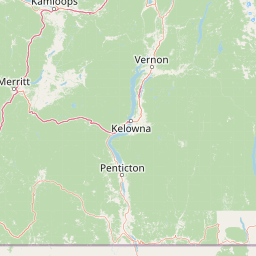
The landscape of Graystokes Provincial Park is defined by the rolling plateau terrain of the Okanagan Highland, an elevated region east of the Okanagan Valley that transitions between dry forest environments and cooler, wetter upland conditions. The park captures the characteristic landforms of this highland zone, where open basins, ridgelines, and gentle slopes alternate with wetland-filled depressions and meadow systems.
Alpine and subalpine wetlands are among the most prominent landscape features, fed by snowmelt and seasonal precipitation that sustains wet meadows and riparian corridors well into the summer months. These wet elements contrast sharply with the surrounding Okanagan dry forests, producing a patchwork environment where saturated soils, marshy ground, and shrub-filled openings interrupt stands of coniferous forest. The result is a visually varied terrain that supports a richer range of habitats than the surrounding valley landscapes alone.
Because the park has no developed trail infrastructure, visitors experience this landscape as an unbroken backcountry expanse. Snowmobiles are among the few motorized vehicles permitted, and only during winter, leaving the rest of the year dominated by quiet forest, open meadow vistas, and the seasonal rhythms of highland wetland systems.
Graystokes Provincial Park ecosystems, habitats, and plant life
Graystokes Provincial Park protects an ecologically rich portion of the Okanagan Highland, a region notable for its mosaic of habitats within the larger Okanagan dry forests ecoregion. The defining ecological feature of the park is the presence of alpine and subalpine wetlands, meadows, and riparian systems set against a backdrop of coniferous forest and drier upland vegetation.
These wet habitats function as biological anchors for the surrounding landscape, maintaining higher moisture and productivity through the summer when the lower Okanagan Valley becomes increasingly arid. The combination of open wetlands, shrub-dominated meadows, and forest edge creates transitional zones that support a wide variety of plant communities and provide nesting, foraging, and refuge conditions for many animal species.
The park's vegetation is shaped by elevation and exposure, with old-growth forests of subalpine fir, Engelmann spruce, and Douglas fir representing the dominant tree cover. Open exposures support meadow and wetland plant communities typical of interior British Columbia's highland environments, contributing to the botanical diversity that makes the Okanagan Highland ecologically distinctive within the province.
Graystokes Provincial Park wildlife and species highlights
Graystokes Provincial Park supports a robust community of large mammals characteristic of the southern British Columbia interior. The highland habitats protected within the park provide seasonal range and refuge for several species of significant ecological and cultural importance.
Grizzly bear is among the most prominent species recorded in the area, reflecting the relatively undisturbed extent of suitable habitat. The park also provides range for mountain caribou, a species of conservation concern in British Columbia, as well as moose, mule deer, and white-tailed deer. The presence of such a diverse large-mammal community is closely tied to the park's combination of forest cover, wetland openings, and meadow systems, which together provide forage, cover, and seasonal movement corridors.
Hunting is a recognized activity within the park during open seasons, underscoring both the wildlife abundance of the area and its role in supporting traditional land uses. The seasonal importance of the highland as a refuge when the valley becomes dry reinforces the park's value for maintaining wildlife connectivity across the broader Okanagan landscape.
Graystokes Provincial Park conservation status and protection priorities
Graystokes Provincial Park plays an important conservation role in protecting a representative example of the Okanagan Highland, an ecologically distinctive region that complements the drier Okanagan Valley ecosystems. By securing a large, contiguous block of alpine wetlands, meadows, riparian areas, and old-growth forest, the park helps maintain ecological processes that operate at a landscape scale.
The park's IUCN Category II classification reflects a high level of protection, aligning it with the international standard for strongly protected natural areas. This designation underscores the intent to preserve the area's ecological integrity, rather than develop it for intensive public use. Restrictions on motorized vehicle access, the absence of trail development, and the maintenance of backcountry conditions all reinforce a conservation-oriented management approach.
Beyond its boundaries, Graystokes contributes to broader regional conservation goals by safeguarding habitat connectivity, maintaining water and wetland function in the highland catchment, and providing climate-sensitive seasonal range for species such as grizzly bear and mountain caribou. In this way, the park serves as a stronghold for ecological resilience in an otherwise heavily altered regional landscape.
Graystokes Provincial Park cultural meaning and human context
The Okanagan Highland, where Graystokes Provincial Park is located, lies within the traditional territories of the Okanagan Nation and neighboring Indigenous peoples who have historically relied on the highland environments for hunting, fishing, and seasonal travel. The presence of large mammal species such as moose, mule deer, and caribou, along with the continued practice of hunting within the park during open seasons, reflects the enduring connection between these landscapes and traditional land uses.
While the park itself does not contain major developed cultural sites, its protected status intersects with broader regional efforts to balance ecological preservation with the recognition of Indigenous land stewardship in the Okanagan. The park's backcountry orientation and limited infrastructure help maintain a landscape character that is consistent with long-standing patterns of land use across the highland plateau.
Top sights and standout views in Graystokes Provincial Park
Graystokes Provincial Park stands out for the scale and ecological integrity of the Okanagan Highland landscape it protects, including a notable concentration of alpine wetlands, meadows, and riparian habitats within the broader dry forests ecoregion. Its old-growth stands of subalpine fir, Engelmann spruce, and Douglas fir contribute to the park's botanical significance.
The combination of strong conservation status, limited development, and the presence of species such as grizzly bear and mountain caribou gives the park a clear identity as a backcountry stronghold rather than a developed recreation site.
Best time to visit Graystokes Provincial Park
Because Graystokes Provincial Park is an undeveloped backcountry area without trails or running water, the timing of a visit depends largely on how visitors intend to experience the highland landscape. Summer and early fall offer the richest ecological display, when alpine wetlands and meadows are most productive and large mammals are active across the highland terrain.
Winter opens the landscape to snowmobile access, making it the primary season for motorized travel within the park. Those seeking quieter, non-motorized experiences typically favor the snow-free months, when the combination of accessible highland meadows and surrounding forest offers the most rewarding conditions for backcountry exploration.